

Sustainability has become a core focus across every industry sector lately, but, as lovers of the traditional, the wine and spirit industries are behind the curve on implementing sustainable glass packaging.
According to the IWSR, 48% of American alcohol drinkers say that a company’s sustainability or environmental initiatives positively influences their purchasing decisions. Furthermore, according to a report by the global decision intelligence company, Morning Consult, 7 in 10 American adults would consider purchasing from a food and beverage brand that prioritizes sustainability, the highest share across all industries.
In the face of ongoing environmental concerns, a growing number of media stories have cited the need for our industry to find a more sustainable package solution. And the call is validated by consumer demands. We are seeing the emergence of a new category of wine consumer: the environmentally-conscious consumer, who is choosing wines and spirits based on the sustainability of the packaging, among other environmental cues.
Consumer demands and the societal importance of saving the environment go hand-in-hand but the benefits in the market definitively outweigh any potential cost-increase in glass.
Despite the relative importance of sustainability, at least 1 in 4 say they don’t know what makes food and beverage products sustainable, while at least 1 in 5 believe efficient, low-waste packaging makes a product sustainable.
What makes glass packaging sustainable?
There are many different elements that comprise a sustainable wine or spirit: sustainable agriculture, reducing the carbon footprint, and conserving energy usage throughout your supply chain. But there is another obvious element that goes into creating a truly sustainable product: using a more environmentally-friendly glass packaging.
According to a California Wine Institute study in 2020, the glass packaging of a wine contributes to over 50% of the entire carbon footprint of a wine product. Of that, nearly a third of the carbon footprint of a bottle of wine is linked to the packaging and shipment of the bottle, and the remaining two thirds is linked to the manufacturing process to craft traditional glass bottles (no recycled glass).
Glass uses high levels of greenhouse gasses in its production, however, it is endlessly recyclable and never compromises in quality no matter how many times it gets recycled.
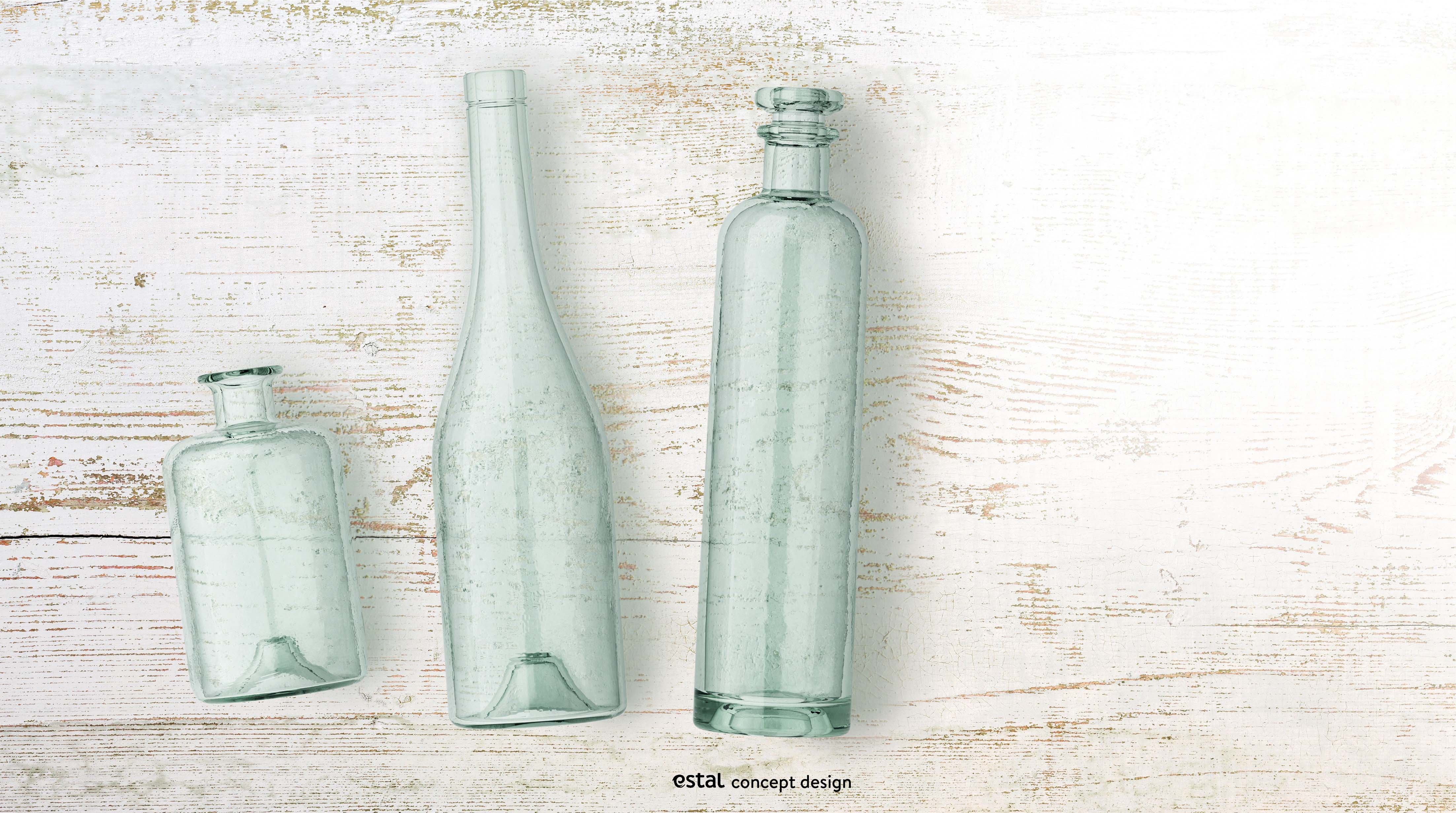
On the manufacturing front, it takes 1.18 tons of raw material to produce one ton of glass. Cullet, which is recycled glass, can be added in varying amounts to decrease these raw materials. Recycled cullet is critical to reduce raw material use, pollutants, and even transportation costs. Our Wild Glass™ bottles are comprised of almost 100% cullet recycled glass, thus making them the most sustainable bottles on the market.
Glass weight is a top consideration when it comes to shipping, storing, and displaying wine bottles. Our Elegant Light™ bottles are made with less glass and, thus, are lighter weight, resulting in reductions in carbon emissions and considerable savings in transportation costs. In fact, they are up to 20% less expensive to ship than standard bottles.
In addition, we’ve found that it’s 10 times more efficient to transport products via water than by overland trucking and 17 times more efficient than by airfreight.