
Top Line
Water is one of the most critical—and increasingly scrutinized—resources in modern winemaking.
From cleaning tanks and floors to maintaining oak barrels, cellar operations can consume thousands of gallons daily. With rising sustainability expectations and operational costs, reducing water use is not just good for the environment, it is good for business.
- Water conservation is becoming an issue in modern winemaking.
- In the past, much of the conversation centered around vineyard irrigation.
- Today, one of the most overlooked areas of water consumption occurs in the cleaning and maintenance of barrels.
- Small efficiency improvements per barrel can translate into thousands of gallons saved per year in your operation.
The Challenge
- Traditional oak barrels, while prized for the unique flavor addition and maturation with O2, also come with a significant sustainability issue: water usage.
- Cleaning and sanitizing an oak barrel typically require several high-impact water events. These generally include: a lees dump and hot-water rinses, followed by a sanitation phase using steam, ozone, or a citric acid neutralization conditioning rinse.
- Traditional multi-step oak barrel cleaning cycles remain highly water-intensive and can consume between 20 and 60 gallons of water per barrel.
- In cases of heavy tartrate buildup or microbial contamination, “deep cleaning” protocols may require a full-volume soak of 60 gallons or more. Multiply that across hundreds of barrels.
The Solution: Three Practical Ways Cut Water Usage
1. Rethink Oak Barrel Cleaning Practices
Oak barrels are essential for many premium wines, but they are also one of the biggest water consumers in the cellar. This process can use dozens of gallons per barrel, especially when dealing with heavy tartrate buildup or microbial concerns.
Traditional cleaning methods involve:
- High-pressure rinsing
- Repeated flushing cycles
- Chemical washes followed by extensive rinsing
How To Reduce Water Use
- Use targeted cleaning tools instead of open spray methods
- Adopt foam or gel-based cleaners that cling to surfaces and require less rinsing
- Implement dry pre-cleaning steps (scraping, brushing) before introducing water
- Standardize cleaning protocols to avoid overuse “just to be safe”
2. Upgrade Cleaning Systems and Processes
A large portion of cellar water use comes from inefficient cleaning methods. Work to change your methods and track your water usage per task (barrel cleaning, tank cleaning, floor washdowns).
Processes That Reduce Water Use
- Use high-efficiency spray nozzles that reduce flow and maintain pressure
- Consider automated cleaning systems (CIP) for tanks and lines
- Invest in trigger-controlled hoses instead of free-flowing water.
- Digitally track your area-zone cleaning schedules to prevent repeated washdowns.
- Shut off hoses between uses.
3. Utilize Alternative Vessels Such as Flextanks
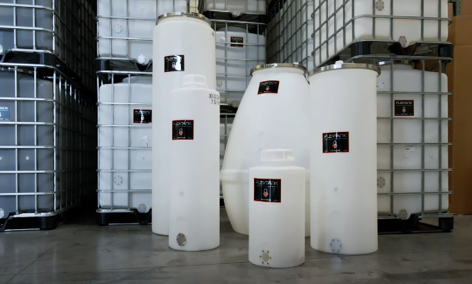
Alternative vessels such as O2-permeable Flextanks are gaining fast traction with wineries as the best fermentation and storage substitute for oak barrels.
Unlike oak barrels, Flextanks:
- Have smooth, non-porous interiors.
- Eliminate deep absorption issues that demand frequent, intensive washing.
- Have reduced need for chemicals.
- Require minimal scrubbing or pressure washing, and have faster rinse cycles.
- Require significantly less cleaning time and water.
How Flextanks Reduce Water Use
- Typical cleaning of a Flextank can be completed with a quick rinse with a light cleaning solution if needed.
- This can reduce water usage by 70–90% per vessel, depending on the winery’s previous barrel protocols.
- Many wineries are adopting a hybrid approach, using oak for specific programs while shifting a portion of their production to Flextanks.
- This not only reduces water use but also lowers labor and maintenance costs.
The Bottom Line
Reducing water use in the cellar does not require sacrificing cleanliness or wine quality. Wineries can significantly reduce water consumption while improving efficiency and sustainability by:
- Improving how oak barrels are cleaned
- Upgrading cleaning tools and processes
- Integrating alternative O2-permeable vessels such as Flextanks where appropriate
In an industry rooted in agriculture and environmental stewardship, and with situational downturns in snowpack and water runoff, smarter water use is not just a trend, it is the future.
For wineries looking to reduce water consumption, improve operational efficiency, and prepare for future sustainability demands, reevaluating cellar practices is critical. Barrel cleaning represents a significant opportunity for improvement.
Flextank Is Ready to Help You Grow
Looking to reduce water consumption, improve production and revenue? Let us talk. We are ready to help you scale with ease.
- Call: +1-360-450-2694
- Email: flexsales@flextank.com
- Visit: www.Flextank.com