
For most wineries, marketing still follows a familiar path: email campaigns, wine clubs, tasting room experiences, and social media. These channels continue to drive direct-to-consumer sales, but they are also becoming increasingly saturated. Reaching new customers often requires more content, more spend, and more competition for the same audience.
At the same time, another force is shaping consumer behavior at scale—film and television.
A single streaming series can influence travel, dining, fashion, and brand awareness almost overnight. Within those moments, wine is already present. It appears in dinner scenes, celebrations, restaurants, and quiet evenings at home, serving as a natural extension of lifestyle and hospitality. Historically, however, the bottles used on screen have rarely represented real wineries.
That is beginning to change.
Wine product placement is emerging as a viable and strategic marketing channel for wineries looking to expand beyond traditional touchpoints and reach entirely new audiences.
Why Film & Television Matter for Wine Brands
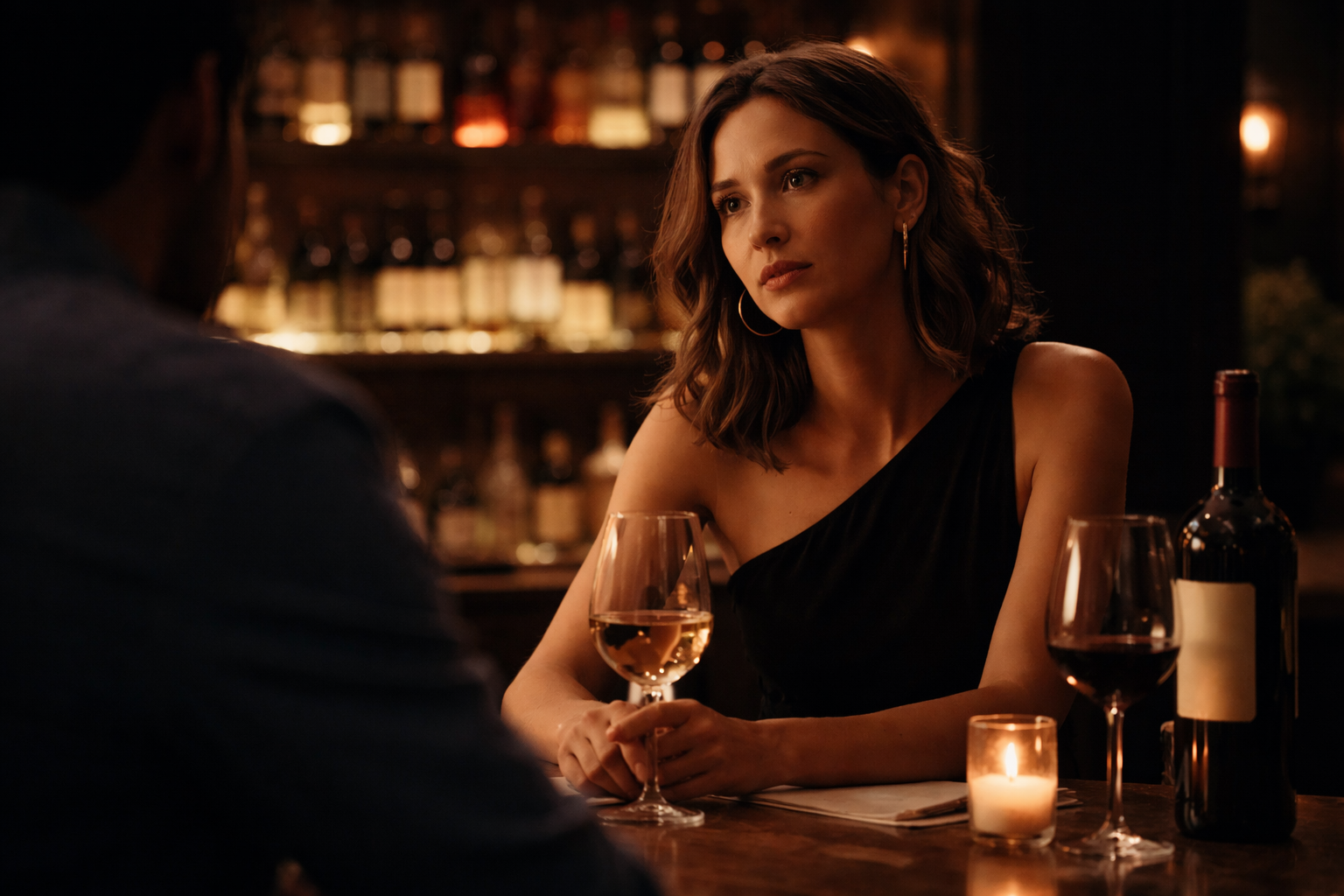
Wine occupies a unique position within entertainment. Unlike many consumer products, it does not feel forced into a scene. It belongs there. Whether it is poured at a dinner party, shared between friends, or featured in a restaurant setting, wine is part of the visual language of storytelling.
This matters because it changes how consumers perceive the brand. Instead of interrupting the experience, the product becomes part of it. When integrated thoughtfully, a bottle on screen can reinforce a sense of place, tone, and character without feeling like advertising.
With the continued growth of streaming platforms, these moments now reach millions of viewers globally within days of release. For wineries, this represents a form of exposure that extends far beyond the traditional wine audience—one that is driven by culture rather than category.
From Background Props to Brand Opportunities
Historically, most wine used in productions was not tied to real wineries. Bottles were often generic, unlabeled, or created specifically for the scene.
Today, productions are increasingly looking for real brands that align with the tone and setting of the story.
A luxury home requires a different bottle than a casual gathering. A high-end dinner scene demands something credible. A nostalgic film might call for brands that were relevant in a specific era.
This shift has opened the door for wineries to be intentionally placed within content—not as filler, but as a considered part of the scene.
Through curated placement models, wineries can now be matched to productions based on:
- Price point and perceived positioning
- Label visibility and design
- Wine type and varietal
- Scene context and setting
The result is a more thoughtful integration that benefits both the production and the brand.
Why Placement Is a Strong Marketing Move
Most winery marketing efforts are focused on capturing existing demand—reaching consumers who are already engaged with wine.
Film and television offer something different: discovery.
A placement introduces a brand to audiences who may not follow wineries, read wine publications, or visit tasting rooms. It places the wine within a broader cultural context, where it is seen as part of a lifestyle rather than a category.
This creates a different type of awareness—one that is often more emotional and associative.
The impact extends beyond the screen. Placements can generate:
- Social media content
- Email campaign themes
- Public relations opportunities
- Tasting room storytelling
Over time, these moments contribute to stronger brand recognition and recall, particularly when reinforced through other marketing channels.
Your Wine Is in a Film—Now What?
Placement is the starting point. What follows determines the return.
Wineries that benefit most from these opportunities treat them as campaigns rather than announcements.
Build anticipation, not just awareness
The window starts before the release. Teasing the placement, introducing a countdown, and giving wine club members early access creates a sense of momentum. Done well, the audience is already paying attention before the first scene airs.
Turn visibility into a campaign
A single post doesn’t capture the value of a placement. The goal is to surround the moment. That might include a dedicated landing page, coordinated email and social content, and a clear narrative around where and how the wine appears. The placement becomes a story that unfolds across channels, not a one-time mention.
Make it shoppable
Connecting the placement to a product offering creates a clear path to revenue.
Examples include:
- “Movie Night” bundles featuring the wine
- Limited-time releases tied to the premiere
- Add-ons that reflect the viewing experience
Create an experience
Placements are rooted in lifestyle. Wineries can build on that through:
- Virtual watch parties
- In-person events at the winery
- Food and wine pairings inspired by the scene
Extend the lifecycle
After release, placements continue to provide value.
Stills, references, and storytelling can be incorporated into:
- Email marketing
- Wine club communications
- Tasting room conversations
The goal is to move from a single moment of exposure to an ongoing narrative customers can engage with.
Current Placement Opportunities
Several film and television productions are currently sourcing wine for upcoming scenes, with immediate and near-term needs across a range of brand types.
The Summer I Turned Pretty (Feature Film)
Final season with multiple beach house, dinner, and social scenes.
- 12 bottles (red, white, rosé)
- $25–$150 price point
- Immediate shipping
The Lincoln Lawyer — Season 5 (Netflix)
Los Angeles-based legal drama with ongoing lifestyle and dining scenes.
- 2 cases (mixed red and white)
- Mid-tier price point
Inground (Ridley Scott Production)
Character-driven thriller set in a residential environment.
- 1 case (mixed red and white)
- Lower to mid-tier price point
The 99’ers (Netflix Film)
Story of the 1999 U.S. Women’s National Team.
- Seeking brands with relevance to the 1990s
Fast & Furious 11 (Universal)
Global franchise with high-energy settings.
- Lifestyle and background placements with potential featured moments
Additional productions currently casting include Emily in Paris, The White Lotus, an untitled Nancy Meyers film, Superman, The Morning Show, and others.
Pricing and Access
Placements are typically offered on a per-project basis, with clear scope and alignment to the production.
- $3,500 per placement
- Monthly retainer options available for priority access to upcoming opportunities
Each placement includes:
- On-screen use within a production
- Coordination with production teams
- Post-release stills or references for marketing use
A New Channel For Winery Growth
The wine industry has always been rooted in storytelling—place, people, and experience.
Film and television are simply where many of today’s stories are being told at scale.
For wineries looking to grow beyond traditional channels, product placement offers a way to participate in those moments—introducing their brand to new audiences in a way that feels natural, relevant, and lasting.
The opportunity is no longer theoretical.
It’s already happening on screen.
Interested in Placement Opportunities?
Sipcrü Studios is currently working with productions actively sourcing wine for upcoming film and television projects, with opportunities across premium, mid-tier, and lifestyle brands.
Wineries interested in being considered for current or upcoming placements can reach out directly: jacqueline@sipcru.com
