
The following is an excerpt from a recent blogpost. Read the full article here.
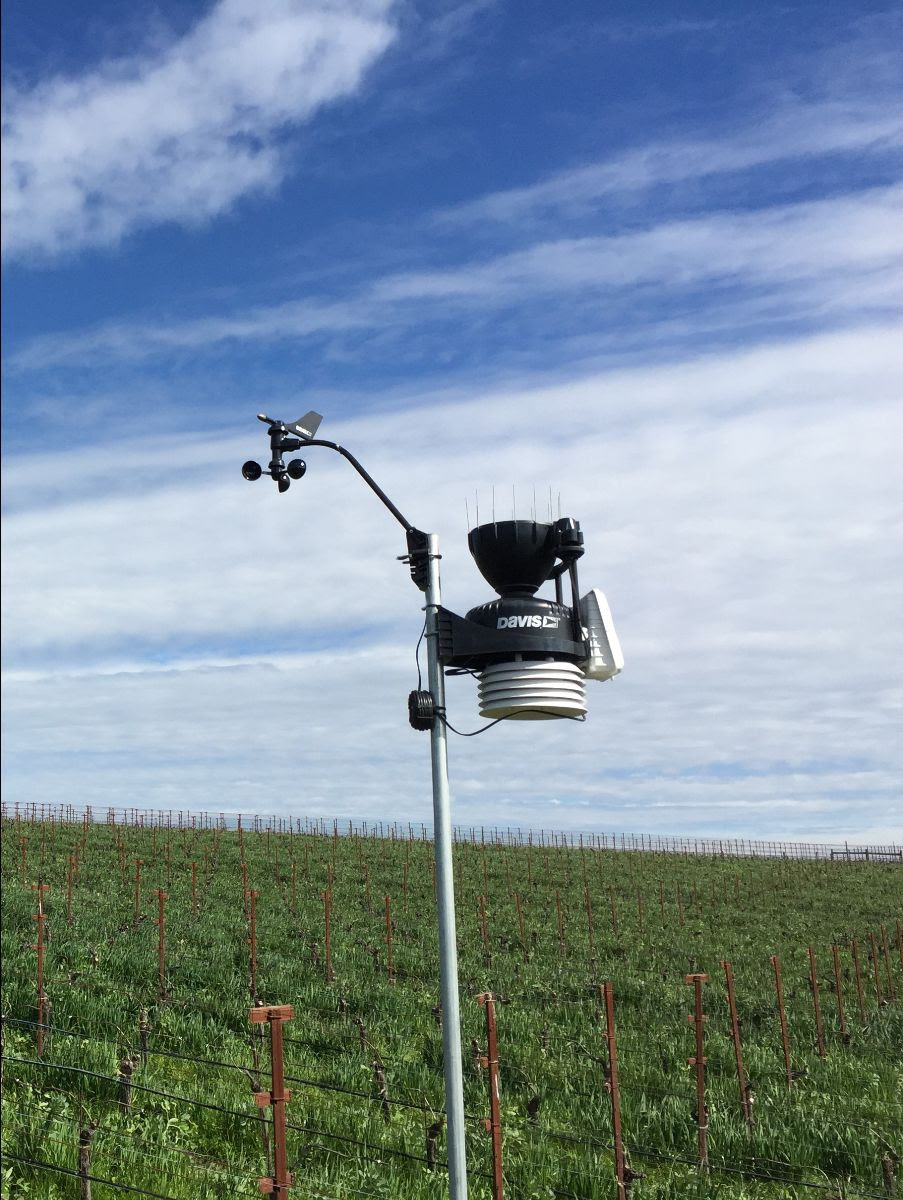 I was lucky this past week to sit down with Brooke Pippi, an agricultural engineer with the Natural Resources Conservation Service to talk about the EQIP Program and how it can help farmers in the U.S. with their conservation projects. This is a long one, but read up! If you’ve got a problem or a project idea, EQIP could provide you with funding to make that happen…and ahem, if that project happens to be vineyard related, AV can help out too…just sayin’ (photo: a weather station like this one would make a good project that EQIP can help pay for).
What Is EQIP and How Does It Work?
So, EQIP stands for the Environmental Quality Incentives Program, and it’s a financial assistance program to put conservation practices on the ground.
 Then comes the really fun part. This is where we start crafting a plan with that person, which is a formal application that they fill out and that starts them participating in our programs. Once we confirm that the person or legal entity we’re working with has the proper authority to be working on the land, that allows us to come in with federal financial assistance dollars.
The idea with EQIP is that you’re really trying something new that you’re not currently doing and it’s project-based. It’s like, I put a probe in the ground or I put a pipe in the ground or I’m improving my irrigation efficiency by upgrading my sprinkler emitters or whatever.
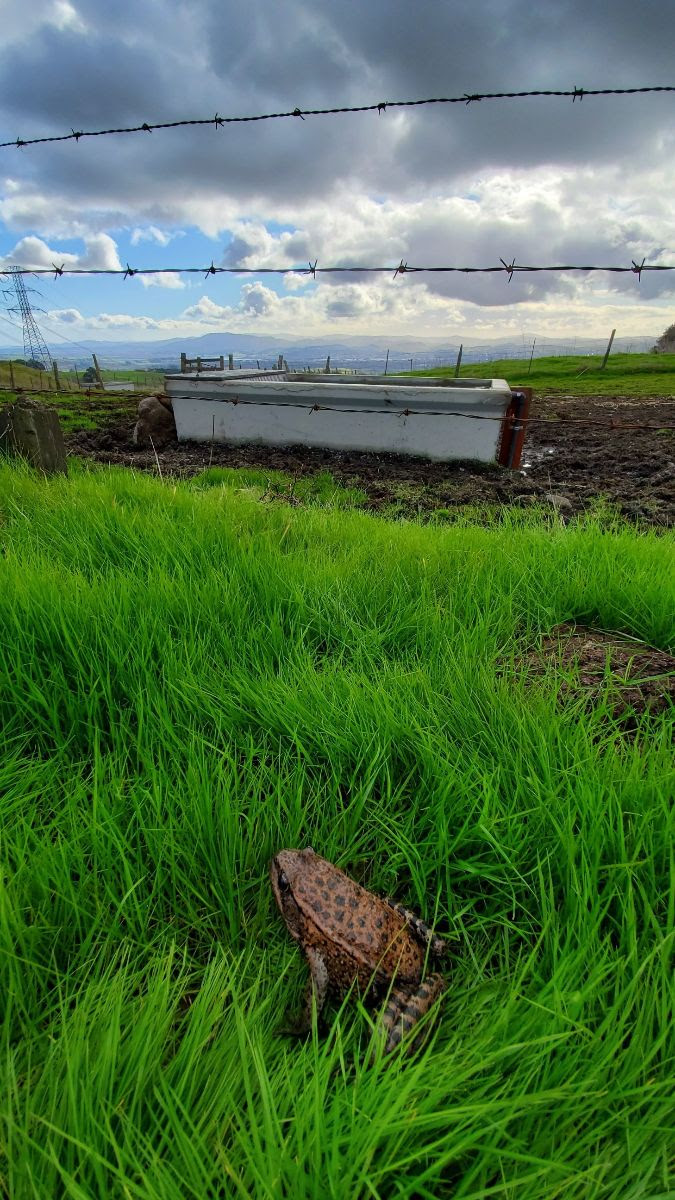
We work a lot with the vineyard growers on soil health practices such as cover crops and mulching. We also do things like soil moisture probes, flow meters, weather stations, and evapotranspiration stations because those give you the tools to understand what your water needs really are and what you’re actually applying to the land. We also do irrigation system efficiency upgrades and other irrigation water management and conservation improvements (i.e. energy). (Photo: a livestock feeding station like this one is an example of a project that EQIP can help with.)
How do you apply?
So, there’s an application process and for that application, we develop a conservation plan. That conservation plan then gets put into our system for funding selection when our funding opportunities come about. They’re usually about three (funding opportunities) a year now, usually one in the winter, one in early, early spring, and then one late spring or early summer. So there are opportunities every year for people to have an opportunity to get some of this funding that’s available. That way they’re not competing with each other for just one opportunity to acquire funding.
So then if you get selected for funding, we put the plan into an actual formal contract between NRCS and the legal participant. And that’s where the real work gets going. There are two NRCS staff that are assigned to every contract. One is a conservation planner and then one is usually an engineer if there are engineering practices involved. Every awarded contract does have to go through our internal approval processes for investigating the proposed projects’ impacts to cultural resources and biology, to then develop the engineering design, in order to get the approval to actually begin to do the project work that’s outlined in the contract between the NRCS and individual or entity.
So that’s really how EQIP works. It’s about a 6 to 12 month process from the time that we first engage to actually coming in and signing a formal contract with us. But the formal contract will include things like, let’s say we want to do a year of cover crop on certain areas, a year of mulching in certain areas of the vineyard or say we wanted to have two different soil monitoring stations to look at different blocks. That would be kind of the proposal that would go in for funding. (photo: Cover crops are another project idea).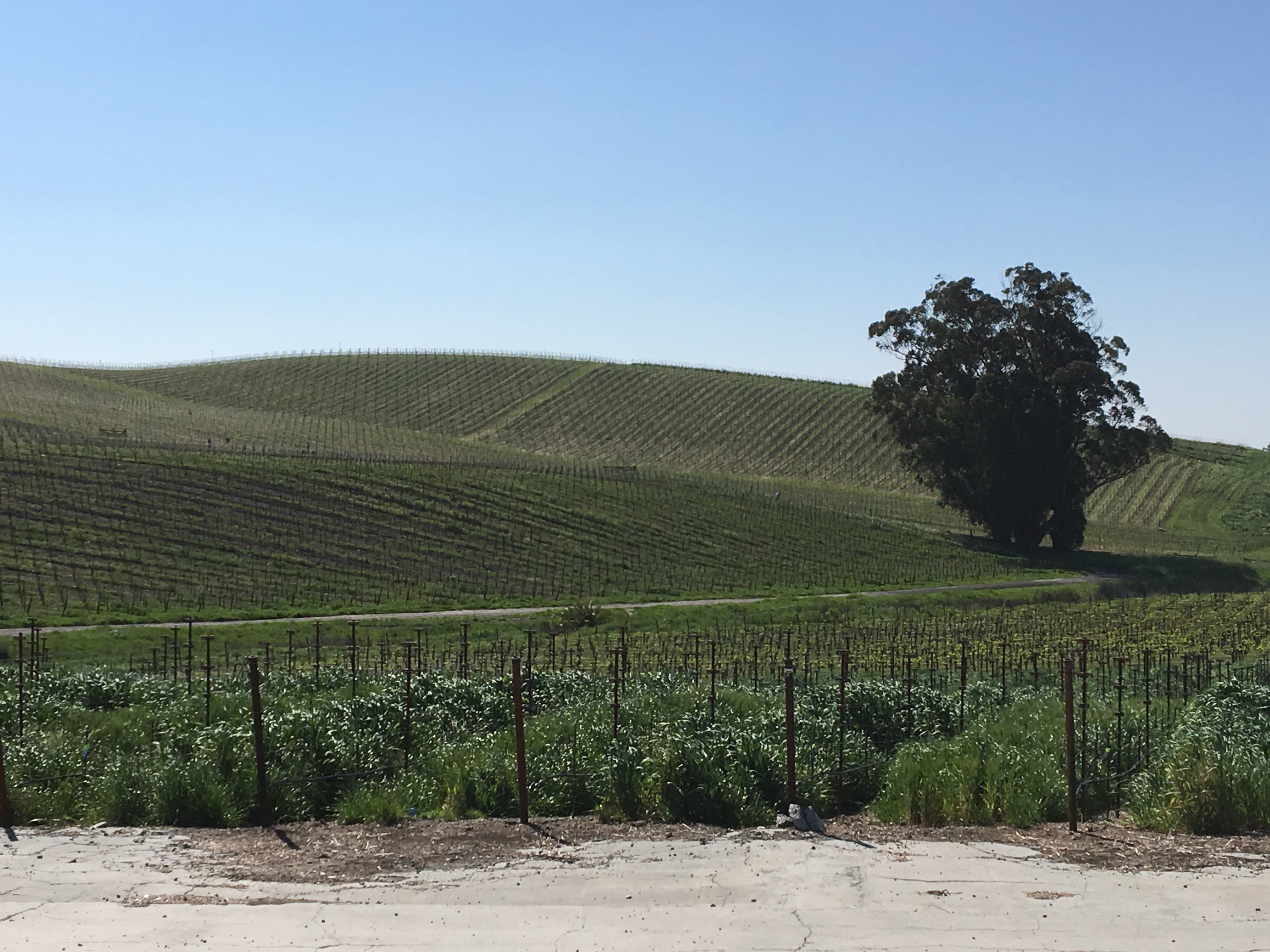
Want to know more about the EQIP Program? Check out the full blog article at https://advancedvit.com/
Have a project idea or a farm-resource problem you want to solve? Contact Brooke Pippi at brooke.pippi@usda.gov