

Not to state the obvious…
There are a lot of factors contributing to the low yield this year. Let’s address the most glaringly obvious one: things got hot. September temperatures reached over 105° in many parts of the state and stayed that way for a week. Many places got even hotter than that. These hot and dry conditions are great for producing raisins, and unless you had a huge canopy protecting your vines or plenty of water to keep microsprinklers going, your grapes just dehydrated.
We’ve discussed in past posts how little irrigation can do to combat this kind of heat stress. After veraison, the berries are pretty much cut off from the xylem (the vascular tissue that carries water up from the roots), so laying on the water isn’t going to do much. It can help keep the canopy active, but temperatures above 105° (40.5°C) can damage cells and denature enzymes. This includes enzymes vital to flavor development and ripening.
Many growers in the North Coast at least heard echoes of 2017 which saw an apparent interruption of maturation. If your vines can’t load sugar anymore, you’re going to come up short in terms of weight. Quality isn’t going to be stellar either.
Looking back further
The other reason yields are low is the annoying one: the drought. More importantly how the drought affected canopy growth in Spring of 2021. Vines are a weird plant in that the bud fruitfulness is determined in the spring of the previous year. Last year (2021) we had horrendous problems here on the North Coast because farmers didn’t think they needed to water early in the growing season. The results were stunted canopies that remained uneven all the way through harvest.
The lack of rainfall also meant nutrient deficiencies, mostly in terms of nitrogen and potassium. These nutrients are available in the top 18” of soil but plants take them up with water. No water, no nutrients. Even if you did irrigate early in the season, vines are used to having access to a lot more soil thanks to rainfall. Irrigation only covers a small area under the emitter, so farmers still needed to give vines a dollop of fertilizer to get a decent canopy going. Few did.
This year (2022) many farmers learned from their mistakes. The rainy fall meant there was more water available for irrigation. However, vine fruitfulness was already determined the year prior. That’s the bummer thing about agriculture. Mistakes follow you for a long time.
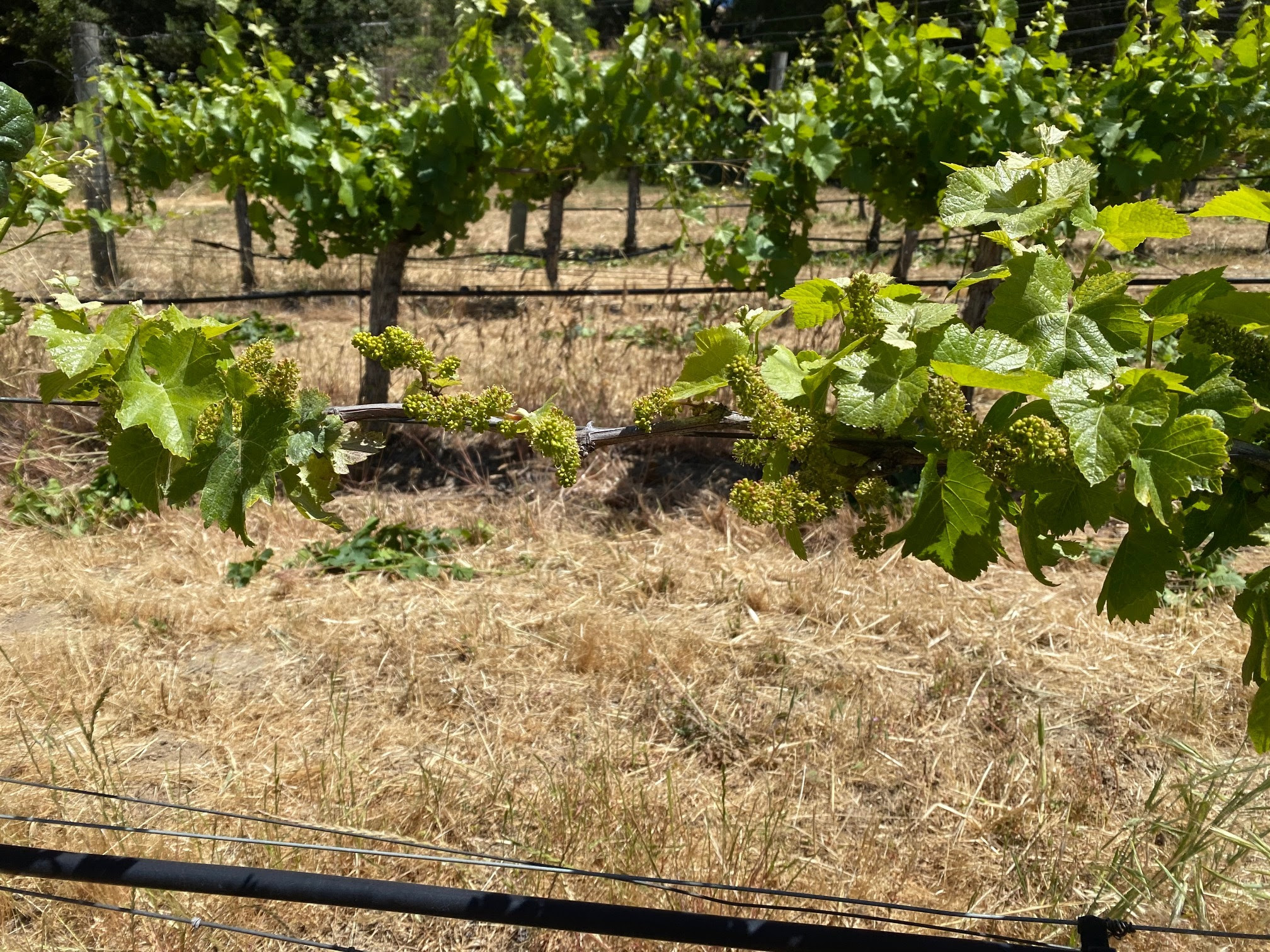 Weak growth in Spring of 2021 came back to bite us in 2022.
Post-Harvest Sale!
Want to optimize your water usage and improve quality? Maybe you're in the market for a frost alert system? How about automating your valves, saving on water and labor? Now's the time!
Through the end of the year, Advanced Viticulture is offering 10% off all equipment orders. Offer includes:
- Soil probes
- Frost alert systems
- Weather stations
- Temperature/humidity sensors
- Valve automation systems
- Well-monitoring equipment
- Pond-depth/tank-depth sensors
Seize this opportunity to invest in quality!
Contact josh@advancedvit.com or loni@advancedvit.com for more information.
*Orders must be pre-paid before December 31, 2022. Discount does not apply to installation fee.