
Did your crop come in a bit heavy this year?
After harvesting a bumper crop, laboratories need precision in their quality control. One indispensable tool for maintaining consistency and excellence in winemaking is the use of automatic analyzers in the laboratory. Admeo’s partners at BioSystems sophisticated instruments provide real-time actionable data on key parameters, ensuring that each lot of grapes and wine meets the highest quality standards. Testing each barrel is easy with automated analysis. In this article, we'll explore how to use automatic analyzers to streamline quality control during a bumper crop.
Malic acid is essential in a winery during a bumper crop as it provides valuable insights into the wine's tartness and aging potential. High levels of malic acid can contribute to a crisp and refreshing taste in white wines, but its presence in excess can make the wine overly acidic. Monitoring malic acid allows winemakers to decide whether malolactic fermentation is necessary to convert malic acid into milder lactic acid, thus improving the wine's balance and enhancing its aging potential.
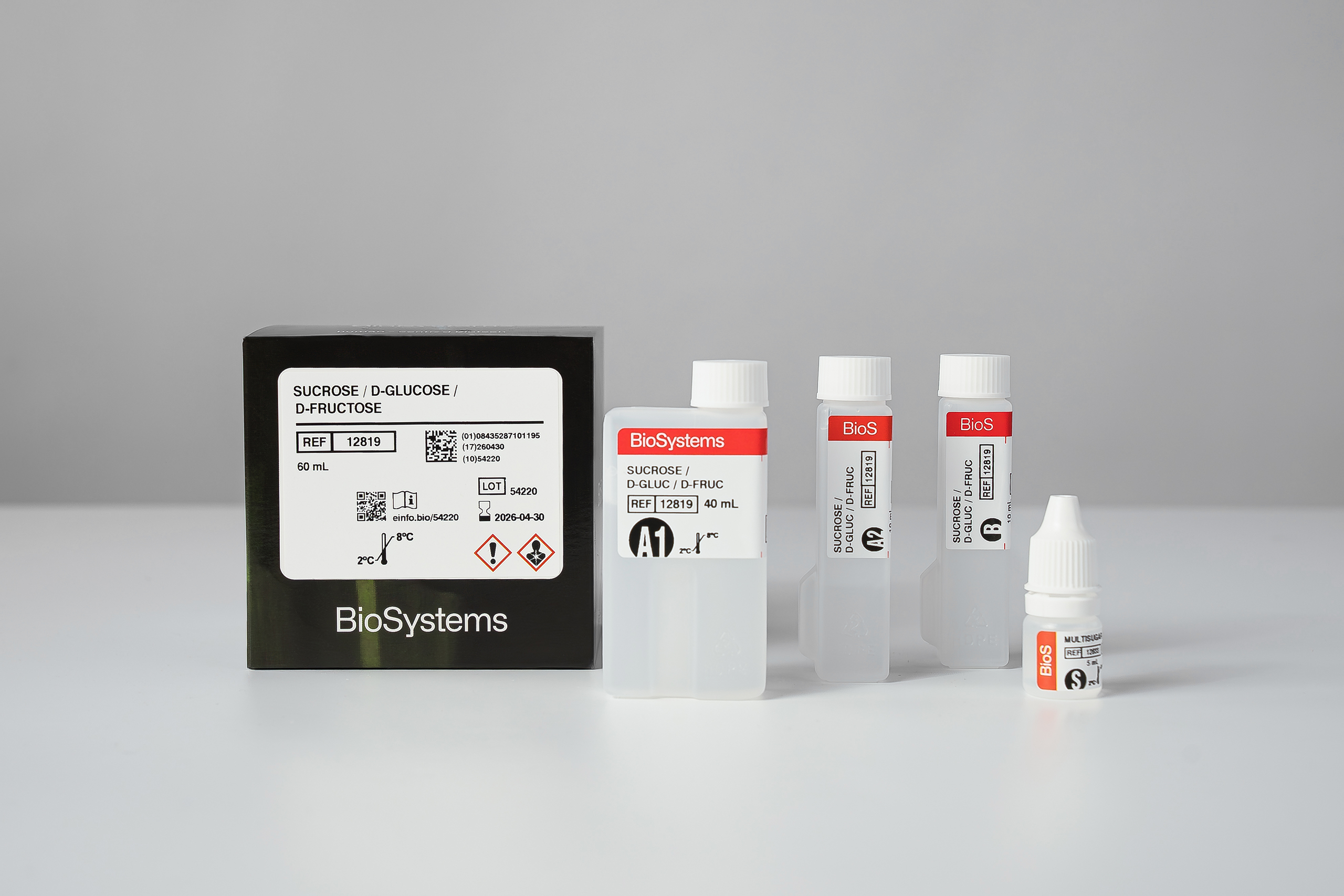
Measuring sugars directly impacts the potential alcohol content and fermentation process. Monitoring glucose and fructose levels provides winemakers with valuable information about grape ripeness and the sugar-to-alcohol conversion during fermentation. Accurate measurements help winemakers ensure the desired level of sweetness or dryness in the final wine product. This precision is vital for crafting wines that meet the desired flavor and aroma profiles.
Acetic Acid is a crucial parameter to measure because it directly impacts the wine's quality and stability. Excessive acetic acid levels can lead to an unpleasant vinegar-like aroma and taste in the wine, diminishing its desirability. Monitoring acetic acid levels allows winemakers to take timely corrective actions, such as implementing effective sanitation practices, to prevent spoilage and maintain the wine's integrity.
If acetic acid levels rise too high due to unwanted microbial activity or other factors, it can result in an increase in the wine's pH. A higher pH can, in turn, shift the equilibrium of sulfite species towards molecular sulfites (SO₃²â») rather than bisulfite ions (HSO₃â»), which are more effective at preventing oxidation and microbial growth. Therefore, the presence of acetic acid and its influence on pH can indirectly affect free sulfite levels and the prevalence of molecular sulfites in wine.
We’d love to hear what you need to ensure your wine quality in the most efficient and cost-effective way possible!