

The market for yeasts selected to produce sparkling wines, as opposed to that to produce still white wines, is limited and consists of strains with strong fermentation abilities but producing low concentrations of aromatic compounds. Today the market increasingly demands sparkling wines characterized by greater freshness and fruitier sensations than in previous decades.
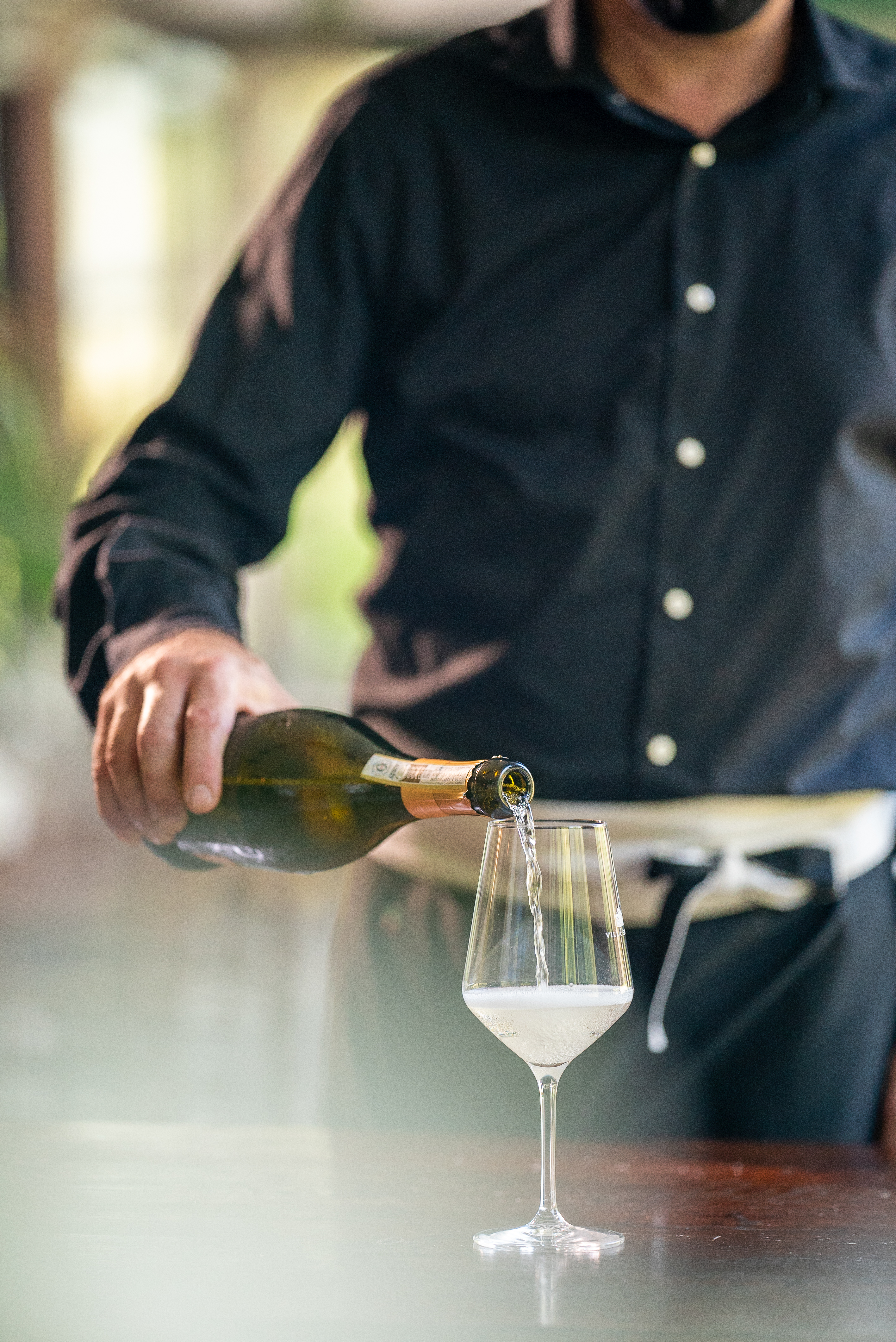
To produce a sparkling wine, a base wine must undergo a second fermentation called prise de mousse (PDM), refermentation or effervescence. This technique requires the preparation of a yeast starter culture (YSC) containing a high amount of yeast cells capable of consuming all the fermentable sugars added to the base wine and transforming them into alcohol and carbon dioxide. The quality of the YSC is crucial for the success of the PDM process, which can take place in a bottle using the traditional method, or in a closed tank, in an autoclave, according to the Charmat or Martinotti method. However, over the years, many producers have expressed concerns about the excessive length of the classic YSC preparation protocol and the need to constantly monitor the process, even at the expense of their days off work.
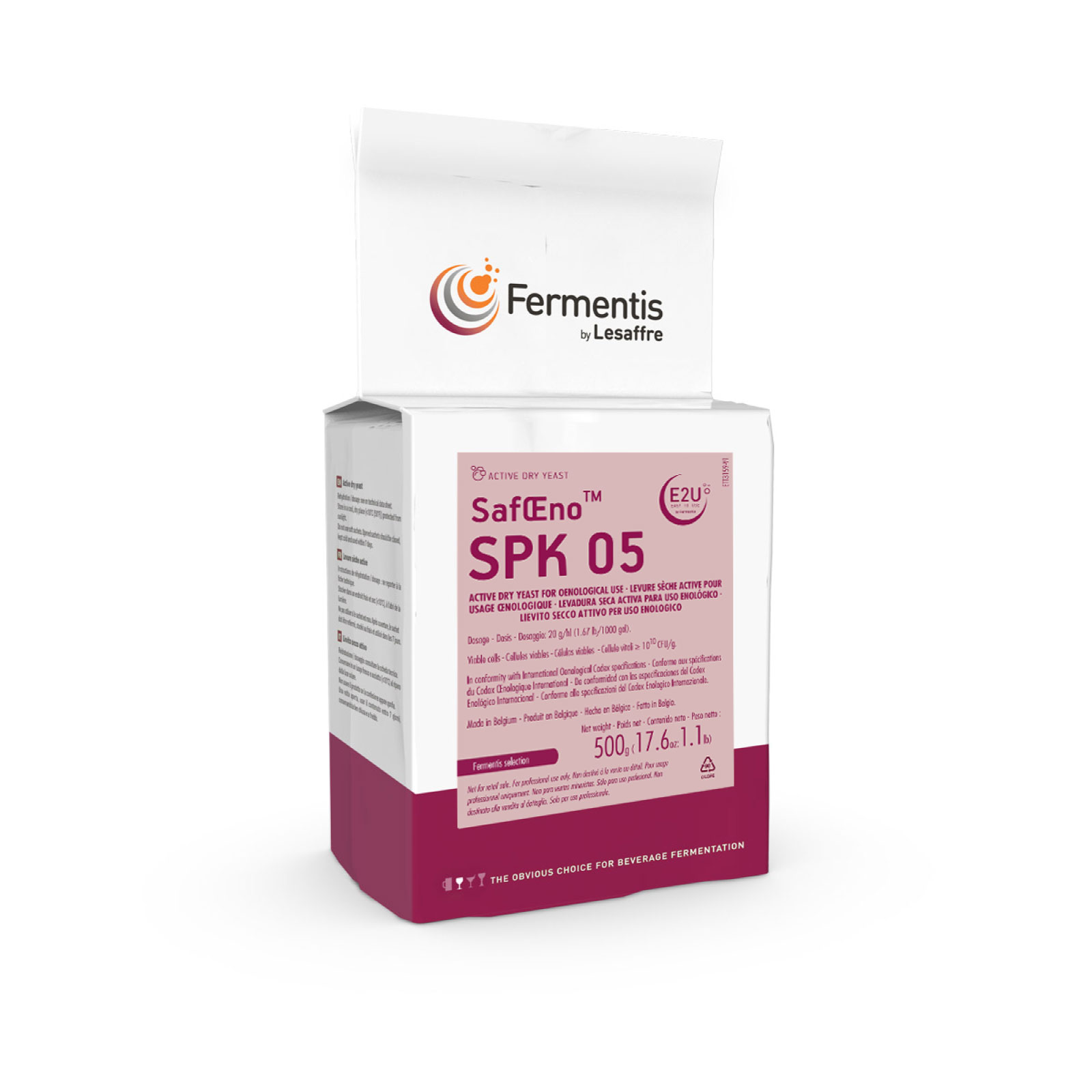
Fermentis selected a new Saccharomyces cerevisiae yeast, commercially available as SafOeno™ SPK 05, capable of giving sparkling wines the sensorial characteristics sought by modern consumers. In addition to this, research has shown that this strain YSP can be simplified without compromising the success of the PDM. Reducing the YSC preparation time from several days to 30-36 hours gives producers greater freedom in organizing their work, increasing availability of multiplication tanks by 50% and, from an environmental point of view, helps reducing energy costs in the cellar.
 The project was carried out thanks to the contribution of several cellars in the Champagne region who collaborated in the organization and implementation of trials on a production scale.
Pilot tests are underway in several cellars to validate the sensory quality of sparkling wines produced with this protocol, which will be followed over several years.
Read more about Materials & methods, and Results and discussions here.