
 Finding the right generator to manage your power needs is one of the top priorities in choosing a generator to rent or purchase. Whether it’s for primary or standby power, if your new generator can’t meet your specific needs, you should rethink it. It can put a lot of stress on the unit and it can even damage the pieces of equipment that are connected to it. Determining exactly what size of generator to get can be a difficult task and involves a number of elements and considerations.
Making a choice, whether it’s a single phase, three phase, kW, KVA, standby or motor starting generator can be overwhelming. This article will help you get an idea of how the sizing process works and some important things to consider before making an equipment purchase. This article is not a substitute for the knowledge a certified electrician could give you, but it should give you a good start and a better understanding of some of the key issues that are involved in determining the right power generator for you or your company’s needs.
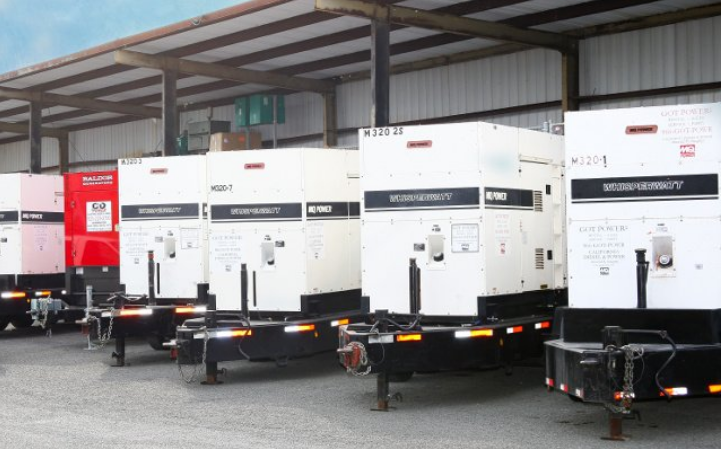
Generator Sizes: Generators are available in a wide range of sizes and configurations. Generators with power supply capacities of 5kW to 50kW are available for personal and home use. Industrial generators for businesses and large companies, are available anywhere from 50kW to over 3 Megawatts. Portable generators are available for homes, RVs and for small office spaces. Large businesses, call or computer processing centers, power plants, and other industrial applications need to use much greater sized industrial generators to meet their high power needs.
Power — What size Generator Do I Need?: Many believe smaller generators can be used for standby electric power because they are only running when needed. This is a myth, not having the right power capacity can actually be very damaging and harmful to the uneducated user. Unfortunately, under sizing of a generator is one of the most common mistakes made. Not only does it involve the risks of damaging your new generator, but it can damage the equipment connected to it, create dangerous situations, and even limit overall use, longevity and reliability of the generator for the business depending on it for power.
- Make a list of the items that we be powered by the generator.
- Make a note of the starting and running wattage of each piece of equipment.
- Calculate the total power requirements in KVA or KW.
Finding the Starting and Running Wattage: The right starting and running wattage of the equipment you intend to use with the generator is crucial for calculating the accurate amount of power needed to keep everything running. Most of the time, there will be an identification plate on each piece, or you can check the owner’s manual of each tool, appliance or electrical device.
Converting Amperes to Watts: You often find power requirements of tools stated in amperes. In order to convert the power requirement of a tool from ampere to watts, follow these calculations:
For resistive load: Wattage = amperes x volts
For reactive load: Wattage = (amperes x volts) x load factor
Power Requirement Charting: Many times, the owner’s manual or the power requirement specs of the tools and devices you’re running can not be found or are lost. Starting and running wattages differ on each piece of equipment, and each device has its own consumption needs. Questions regarding any particular item usually can be answered by contacting the manufacturer either by phone or even by going to the company’s website, consulting an electrician, using this sizing chart, or by contacting us and we will be glad to help you in any way we can.
Different ways of Calculating: Depending on the type of equipment and the way the generator is going to be utilized, there are a few different ways of coming up with the power requirements:
– One motor running.
– Multiple motors running at the same time.
– No electric motors.
Benefits of selecting the right generator: Now that you have some knowledge on how to choose the correct size of generator to suit you or your company’s needs, here are just a few of the advantages of going through that process:
– No unexpected system downtime or failures.
– No shutdowns due to overload.
– Guaranteed to perform the way you want it to when you want it to.
– Less maintenance means more money savings on upkeep.
– Increased life of the generator.
– Higher amount of personal safety.
– A smaller chance of damage to equipment and property.
There are numerous considerations to take into account when selecting the right generator for your next job. If you would like more suggestions and recommendations, contact us today at 1-866-468-7697 and let us help you make the decision. A winning combination of an empowered team that loves what they do, working towards one goal. We are CD & Power, “Powering Your Success” for over 30 years and for many more to come.