

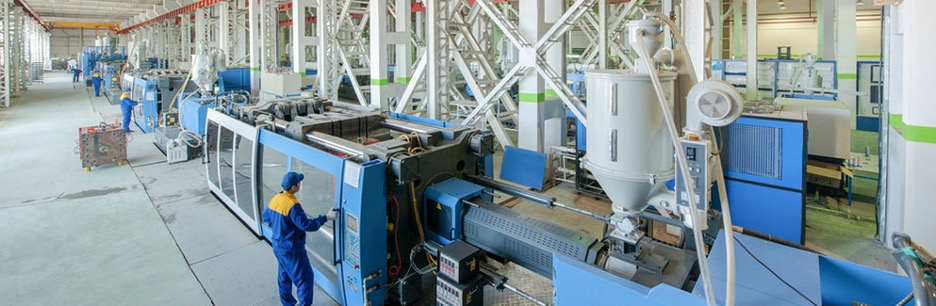
Time is of the essence in the injection molding process. Manufacturers are always on the lookout for ways to maximize the volume of output and the quality of final products. They will usually try to do this by optimizing the efficiency of the process.
The cooling time in injection molding is a vital factor that significantly affects a product’s overall quality. Generally, a shorter cooling time indicates an optimized injection mold cooling system and, in the long run, greater output.
Injection Molding: What is It?
Plastic injection molding is the process of injecting plastic into a mold to create a solid part. This process determines the shape of the molded part after it cools and solidifies. The main injection molding process steps are:
- Injection
- Cooling
- Ejection
1. Injection
During the injection process, plastic granules are inserted into the injection molding machine through the attached hopper. Thermoplastic resins are then directed to the heating barrel, where frictional heating and ban heaters aid the melting process. Finally, through a nozzle, the resulting molten plastic is injected into the mold.
2. Cooling
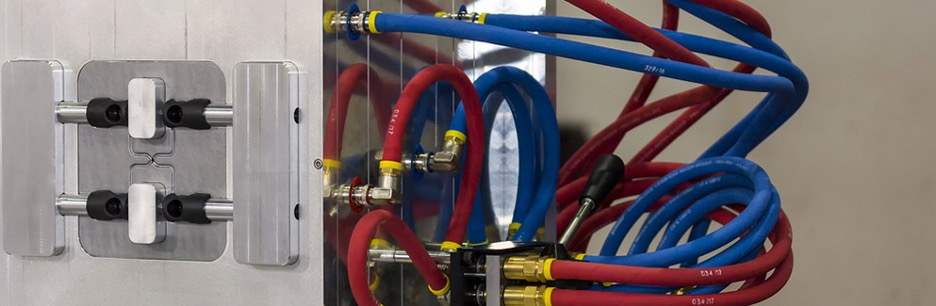
Immediately following injection, the molten plastic is cooled at a specific rate to allow the newly formed workpiece to harden inside the mold. Coolant that is cycled through the mold lowers the temperature at a specific rate and ensures that the plastic hardens quickly.
Alternatively, operators can use an injection molding chiller system to provide greater cooling efficiency. Other factors that contribute to the cooling duration include the type of resin used and the thickness of the workpiece being created.
In a typical injection mold cooling system, the cooling time takes a large part of the cycle time (up to 60%). It does not end until the molded part has solidified enough to be ejected, leaving behind only minimal residual plastic. This temperature can be anywhere between 392°F and 572°F and falls to about 140°F after cooling.
3. Ejection
The final step of the injection molding process is ejection. Here the ejector pins retract, and the molded part comes out of the mold and falls into a receiver or onto a platform.
How to Calculate Cooling Time?
Cooling time in injection molding is a critical part of the production process. It is the amount of time the molten plastic takes to solidify. An adequate cooling system is required to transfer heat away from the mold and maintain a stable cooling rate, ensuring the highest quality final products.
One of the quickest methods for estimating the cooling time is using a formula that accounts for the thickness of the part in an equation based on the effective thermal diffusivity. The thermal diffusivity estimates the transfer of heat in and out of material.
tcooling =
In the injection molding cooling time formula above:
- TMELT represents the melt temperature
- TMOLD represents the mold temperature
- TEJECT stands for the ejection temperature
- h stands for the part thickness
- stands for thermal diffusivity
Alternatively, several online calculators can be used to calculate the cooling time.
Factors That Affect the Cooling Time in Injection Molding
To keep the cooling time at a minimum, three essential factors should be considered.
- Injection material
- Mold design
- Part design
Injection Material
The injection molding material has a significant effect on the rate of heat loss. Bear in mind that certain materials are better insulators than others. The main properties that make for a good injection material include melt temperature, mold temperature, and distortion temperature.
Melt temperature
The melt temperature of a material is the temperature at which the solid phase is at equilibrium with the liquid phase at a specific pressure level. It is also the same as the freezing temperature of the material.
Mold temperature
The mold temperature is the temperature of the mold after it has been stabilized.
Distortion temperature
The distortion temperature is the temperature at which a material starts to soften under a specific load.
Mold Design
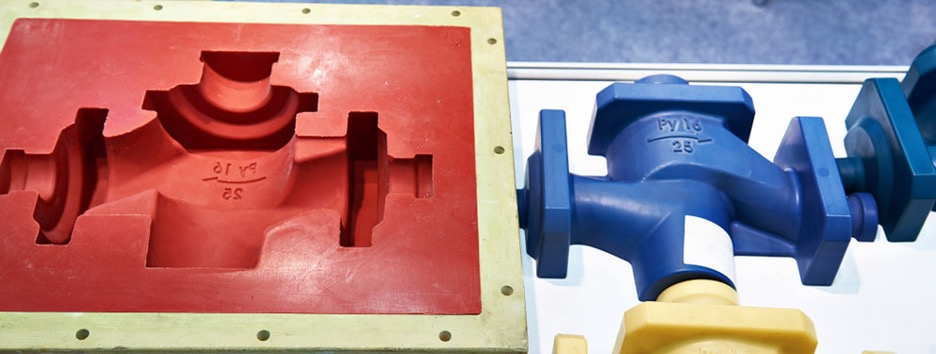
A properly designed mold can minimize the time required for injection mold cooling. Using standard methods in the design of the cool line, cooling time in injection molding can be minimized.
Part Design
The design of the part or product also determines the cycle duration. Fabricating thicker parts is usually avoided since it increases the cooling time during the production process. This is because the density of a product determines how quickly its temperature rises and falls.
Using Industrial Chillers for Injection Molding
The use of chillers in injection molding gives the operator an edge in terms of efficiency. Industrial water chiller manufacturers provide units that are excellent for close temperature control in injection molding. In addition, they come in various capacities and sizes to suit the unique needs of any application.
Cold Shot Chillers Has the injection Mold Cooling Solutions You Need!
Are you looking for high-performance industrial chillers for your injection molding process? Look no further! Cold Shot Chillers provides a broad range of air-cooled chillers and water-cooled chillers with close temperature tolerance to ensure excellent quality of final products.
Please contact us online today or call us at 281-227-8400 for more information about our high-performance chiller units for your process needs.