

Malolactic Fermentation Feasibility: Factors Affecting Ease of MLF
There are several factors that influence malolactic fermentation (MLF). This includes obvious factors like alcohol, pH, and SO2 but also includes less obvious factors like alcoholic fermentation difficulty, yeast nutritional requirements, etc. Read on to learn more about some of these less frequently considered factors.
Beyond the Basics
 Temperature
Most cellars are actually too cold and inhibitory to malolactic bacteria. The ideal temperature range for MLF is between 18-22°C (64-72°F). If you consistently see sluggish or stuck MLFs, consider conducting MLF in tank or in a warmer space.
 Yeast Nutrient Need
Bacteria require nutrients. Certain yeast strains have high nutrient demands and may leave the wine depleted of nutrtients (see yeast product description). In these cases we recommend using a malolactic fermentation nutrient.
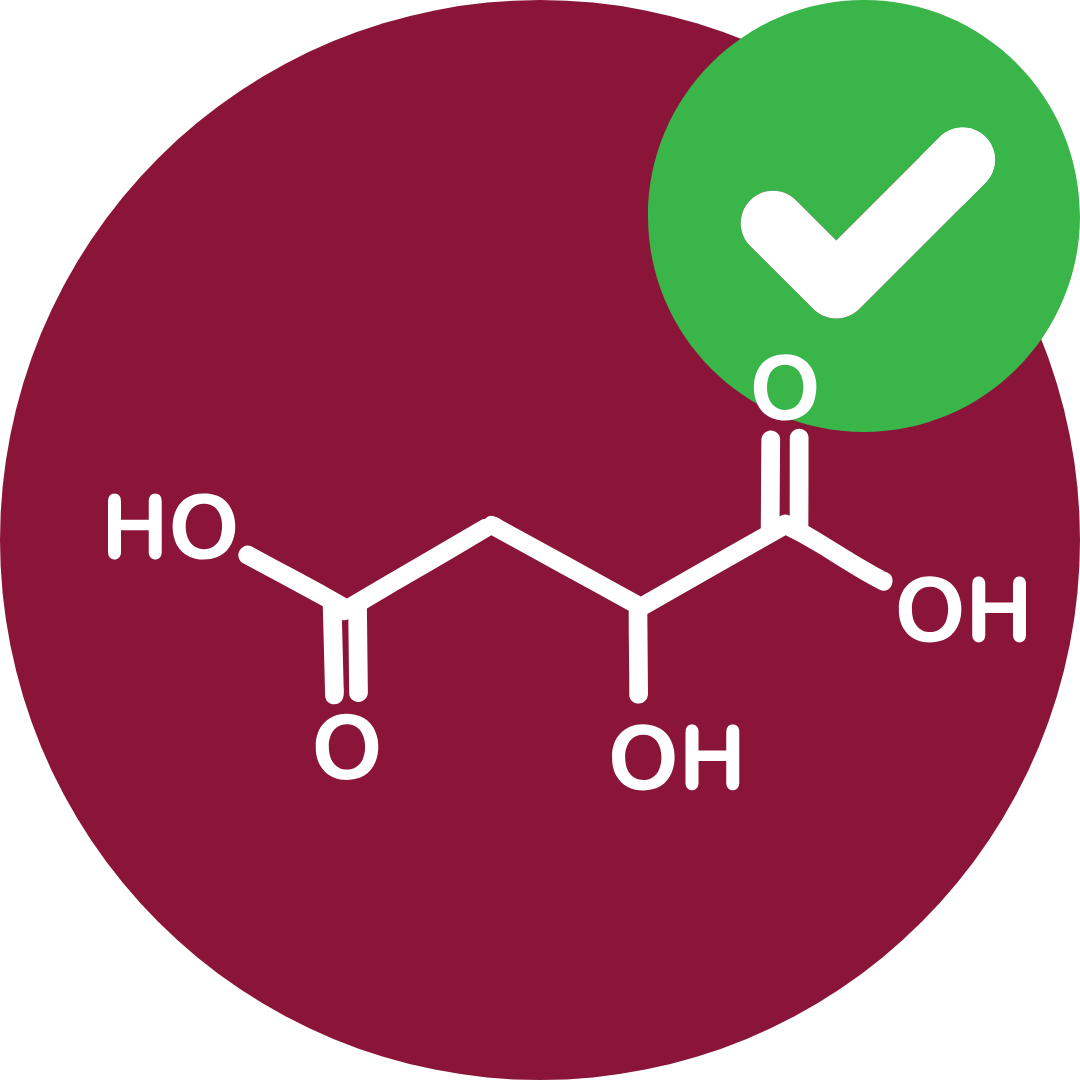 Malic Acid Level
Very low malic acid concentrations (<0.5 g/L) can make it difficult for bacteria to initiate MLF due to insufficient substrate. On the other hand, high malic acid levels (>7 g/L) can result in inhibitory levels of lactic acid. In these cases, blending may be considered to adjust initial malic acid concentration.
 Ease of Alcoholic Fermentation
Difficult or stressed fermentations can cause yeast to produce toxic compounds which can inhibit malolactic bacteria. In these cases, conduct MLF at a favorable temperature (20°C/68°F), use a malolactic nutrient, and consider using RESKUE to remove inhibitory compounds.
Making MLF Easier
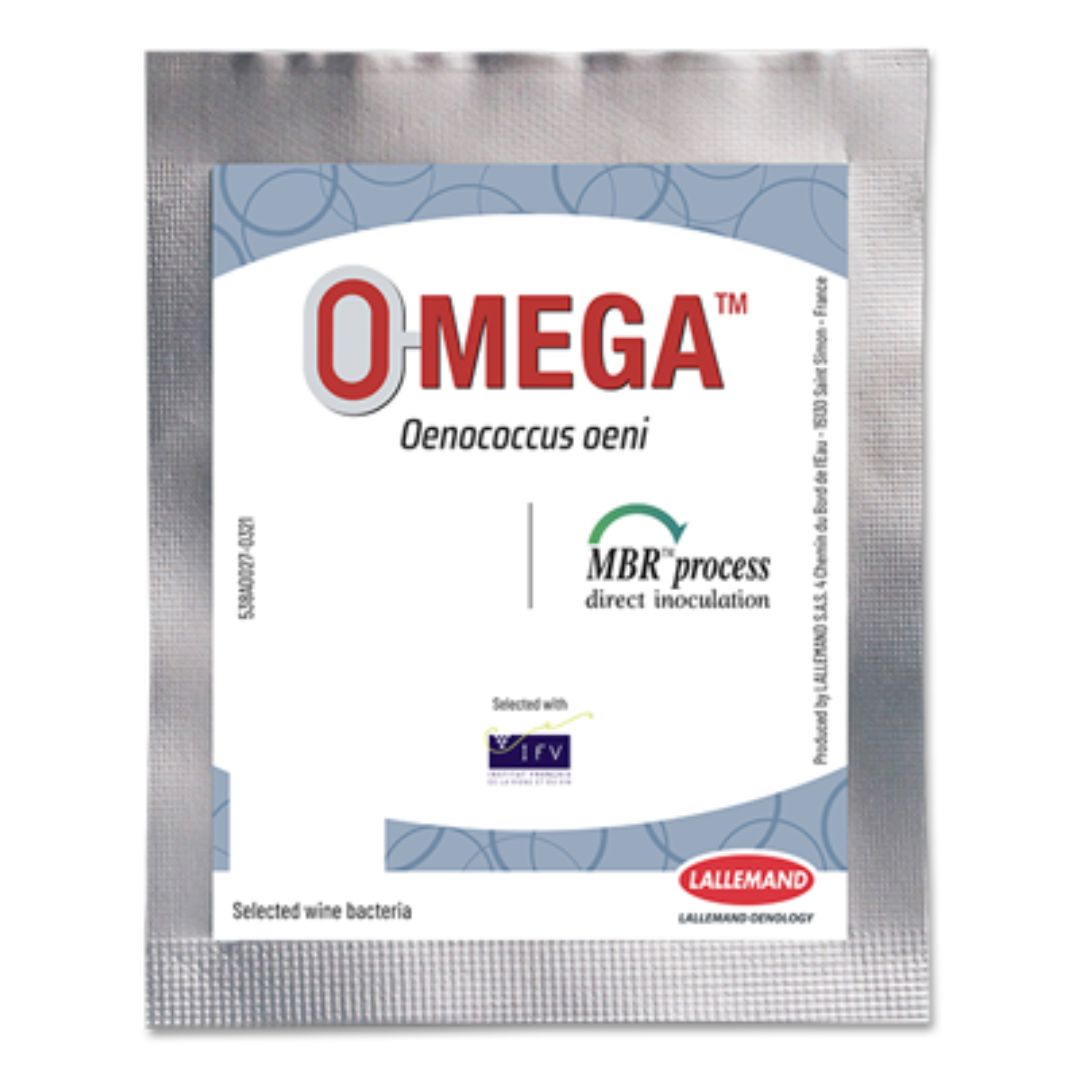 Robust ML Strains
Certain bacteria strains are more tolerant of difficult conditions. O-MEGA™ is cold-tolerant to 57°F, while VP41® is tolerant of high alcohol and low pH environments.
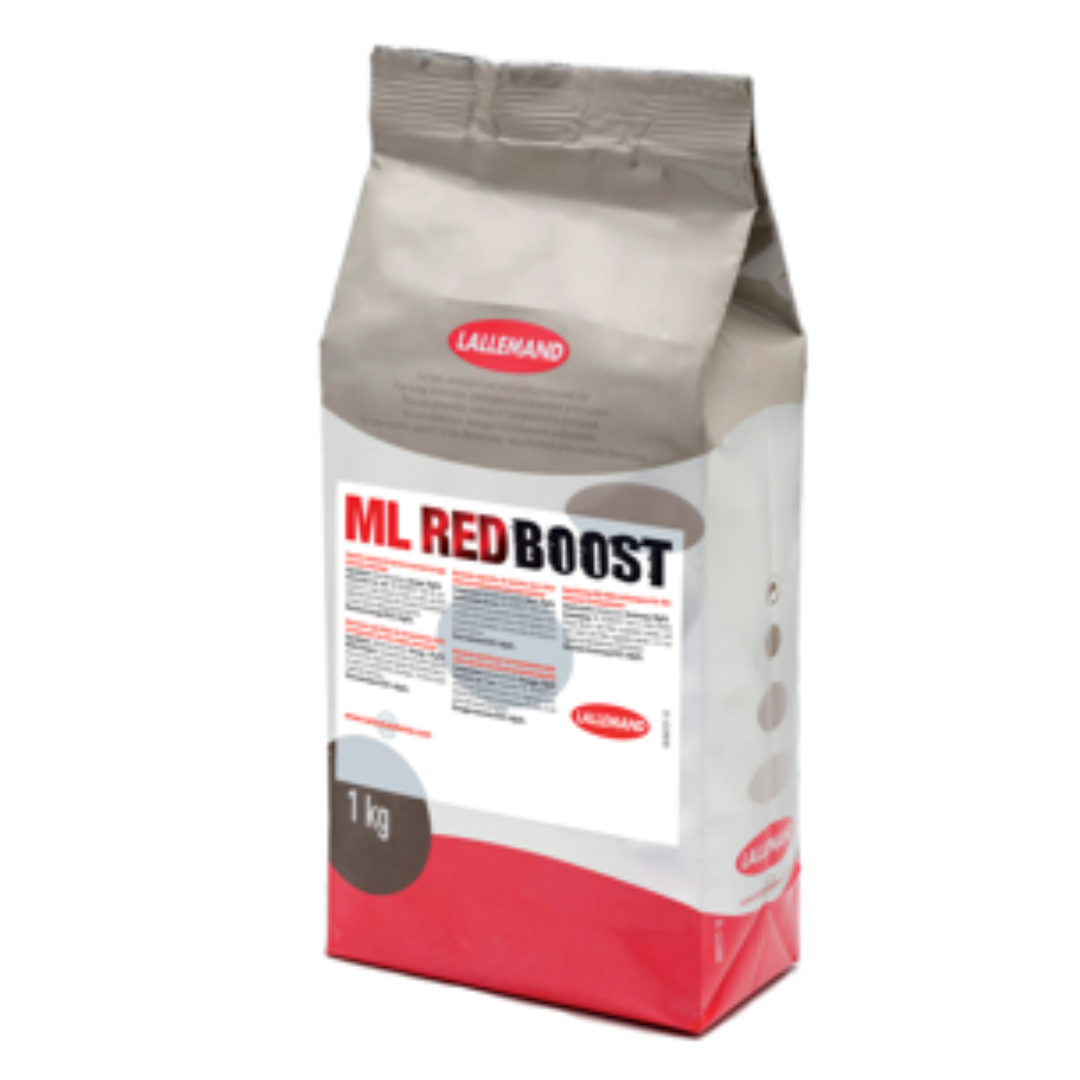 ML Nutrients
ML RED BOOST™ (for reds) and OPTI'MALO BLANC™ (for whites/rosés) provide nutrients including essential amino acids, peptides, polysaccharides, and minerals.
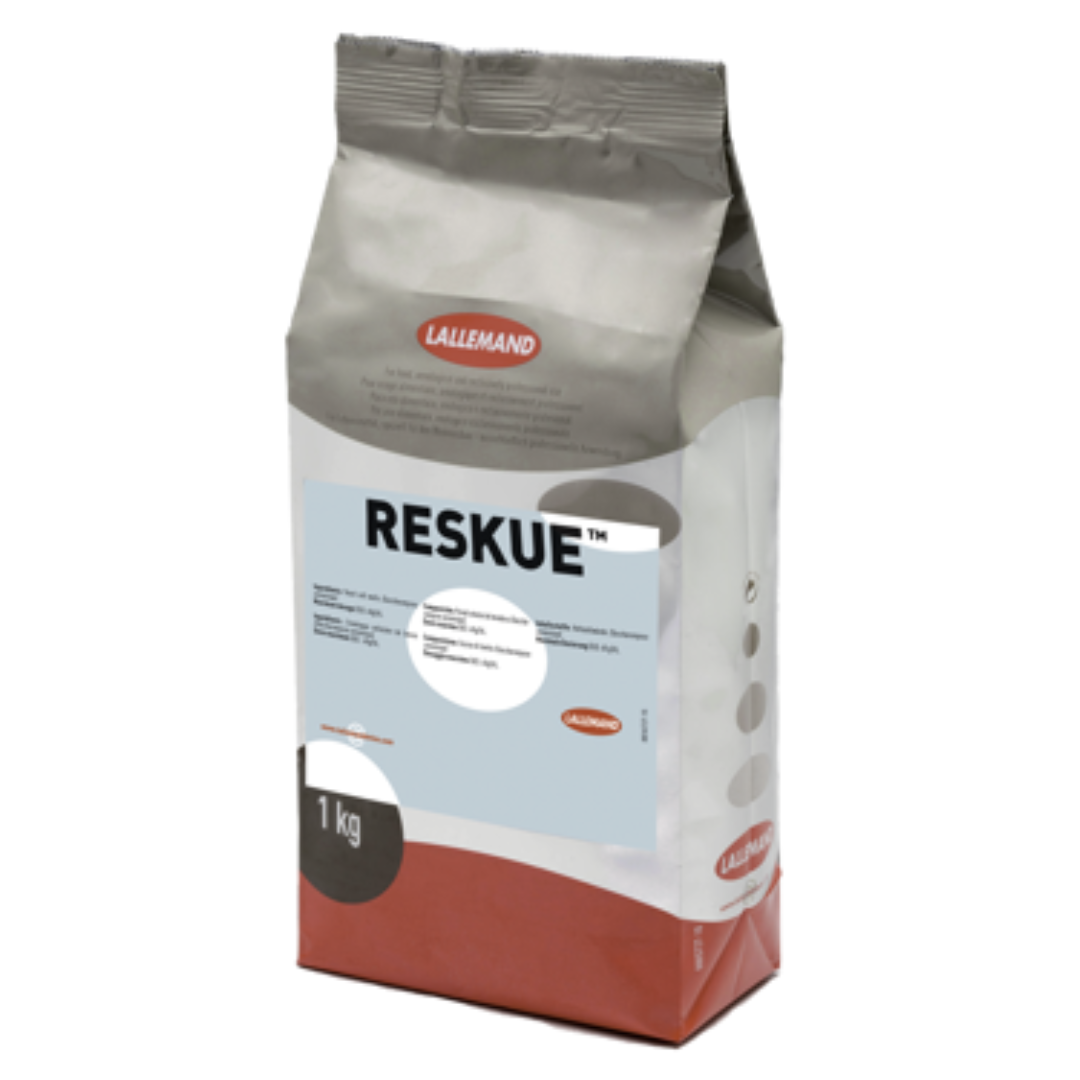 Reskue™
When yeast are stressed, they can produce certain short-and medium-chain fatty acids that are toxic to bacteria. RESKUE™ adsorbs these compounds and removes them.