

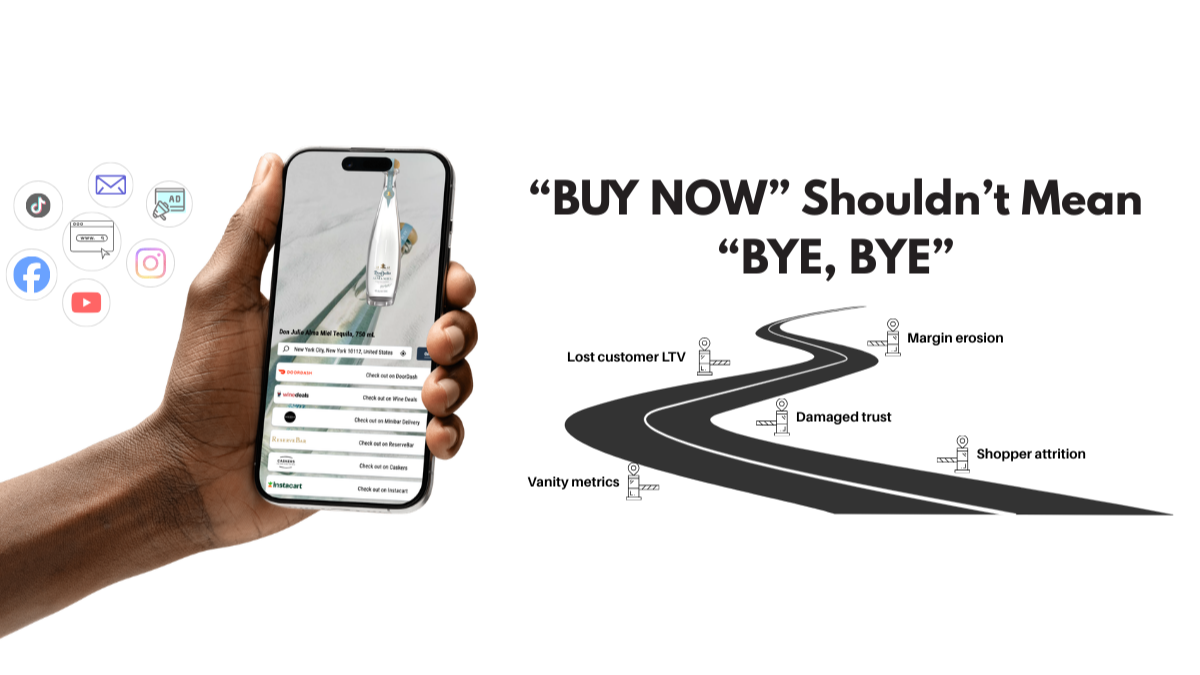
We live in a world where distributed brands have to do real work to help customers find the best and right place to buy, wherever they are. The old answer was the “retailer locator”: a sad cluster of outdated pins on a map, with no genuine path to purchase and a short whitelist of stores that ignore the majority of retailers selling your product.
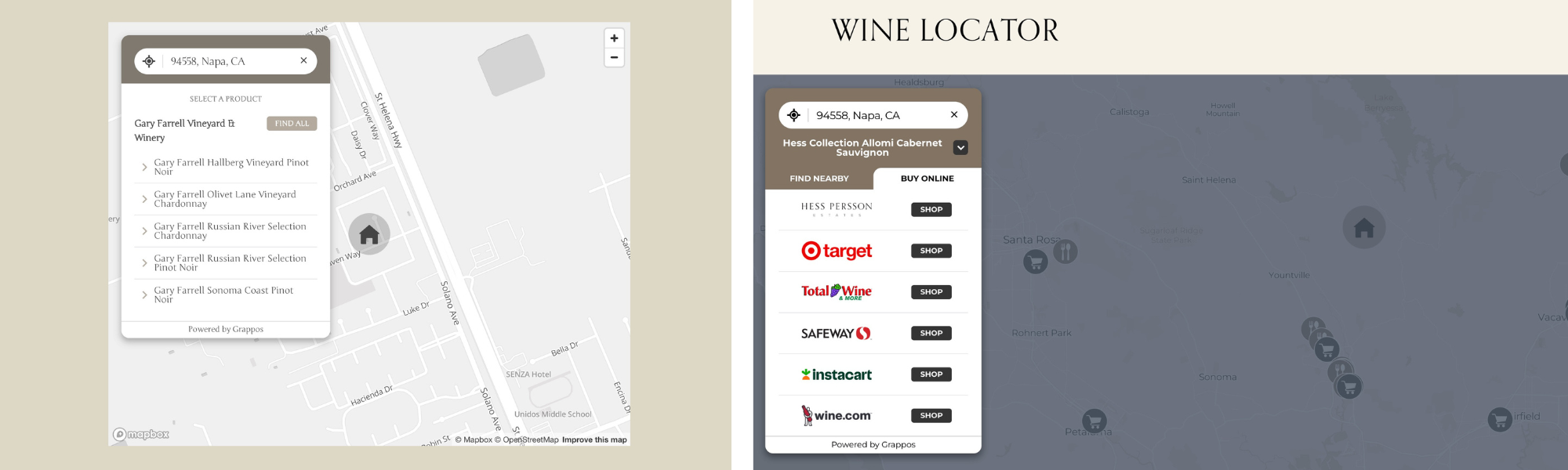
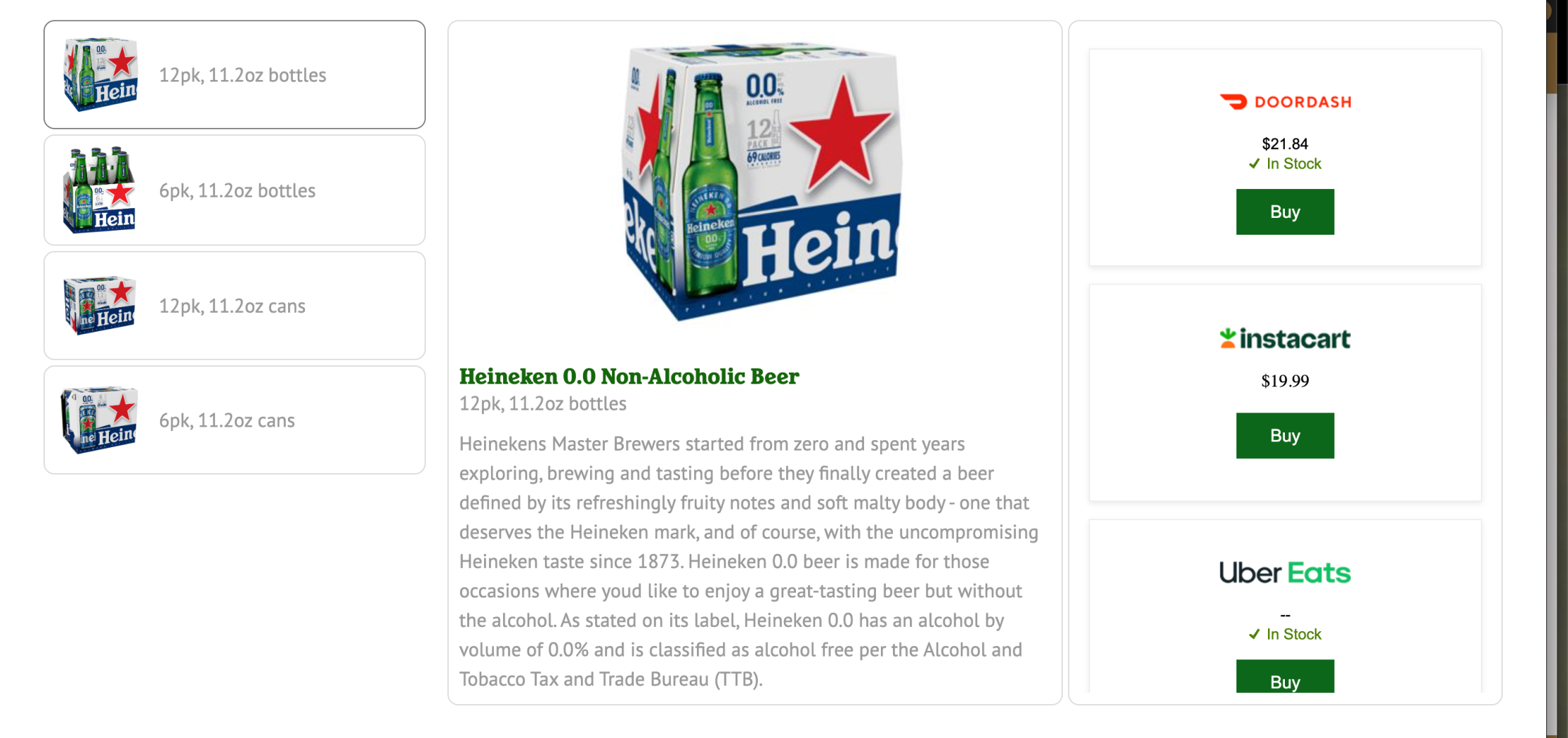
But in the U.S., most products don’t have clean, national-chain coverage. And most carting tools don’t have a multitude of smaller chains or independent retailers. So they do the expedient thing: when they can’t find a great retailer match, they default to marketplaces.
This may look convenient for shoppers and may feel omnichannel for the brand. But in practice, the customer pays fees and inflated prices while the brand’s marketing efforts are providing rocket fuel for marketplace growth.
This is brutal for retailers because marketplaces eat markets: they squeeze retailer margins while keeping customers for themselves.
Meanwhile, we are actually paying to build the toll road that we have to pay tolls on! When our highest-intent shoppers are routed to marketplaces, we pay for attribution metrics and walk away thinking we have built a better path to purchase.
In fact, we have paid for the privilege of becoming a free affiliate, given away our retailers’ margins, and handed over the customer to a platform full of our competitors.
Here’s how it usually works
You build your brand and, through every possible channel, excite them to buy your products (your website, marketing, press, social media, or earned media). You pay a carting platform to give you “Buy Now” buttons. A shopper clicks Buy Now, and they get routed to a marketplace, typically Instacart, Uber Eats, DoorDash, ReserveBar, or Flaviar/Caskers, because this is the easiest way for these tools to claim “coverage”.
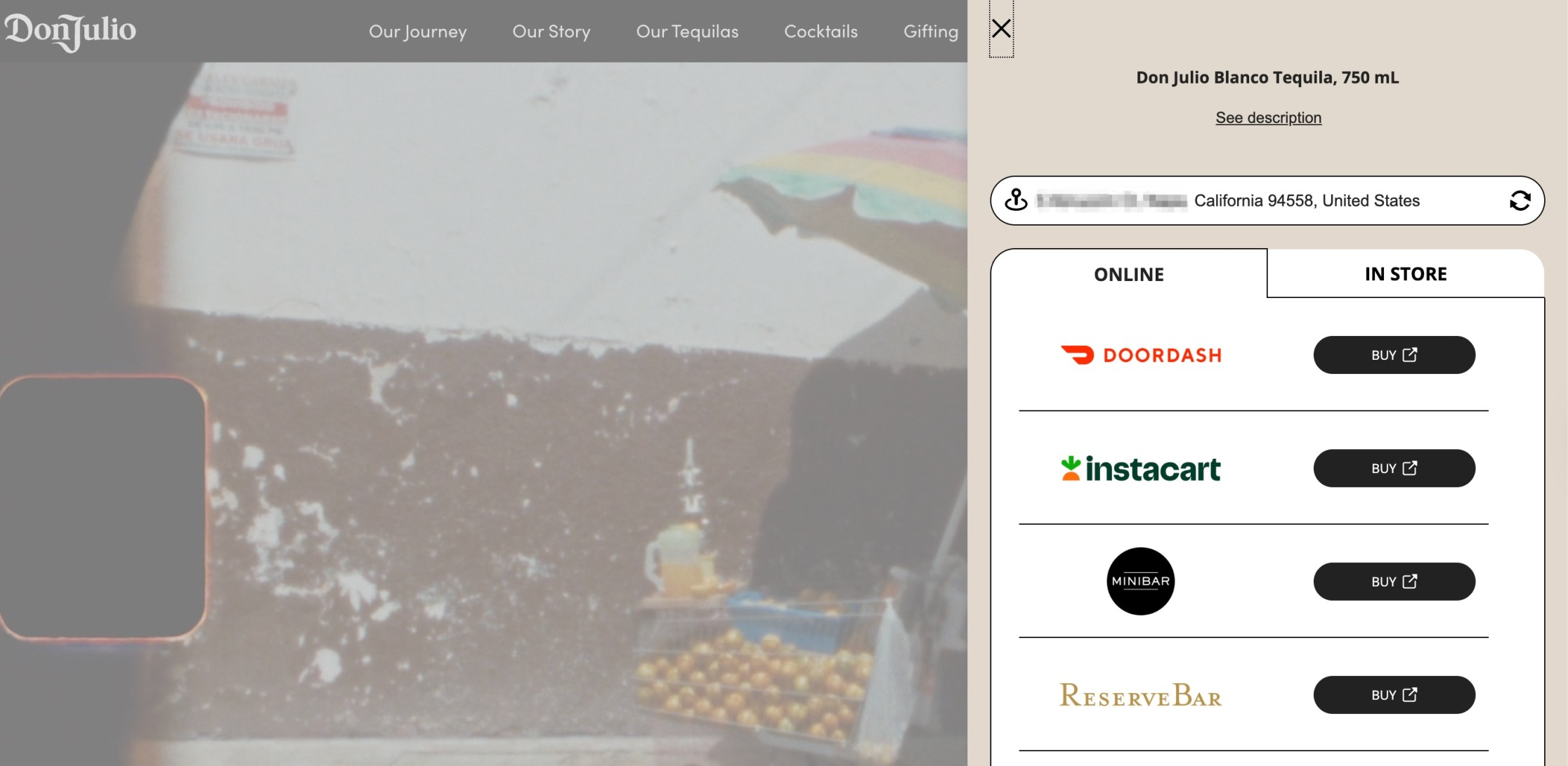
And then the marketplace collects the upside.
The marketplace gets the customer, not your retailer partner
The marketplace gets a percentage of the transaction, the email address, the purchase history, and the next touchpoint. They own repeat purchase behavior. They can cross-sell in-cart, recommend substitutes, and re-market that shopper the next time they open the app.
You get a report that says you “drove conversion.”
Your retailer gets a sale at a reduced margin and with no lifetime value because the customer relationship was not delivered to them.
You pay the carting platform to deliver and measure the shopper's transfer to the marketplace. And they tell you that only 8% to 15% of those shoppers complete the transaction (mostly because they don’t verify the marketplace's inventory availability by search location).
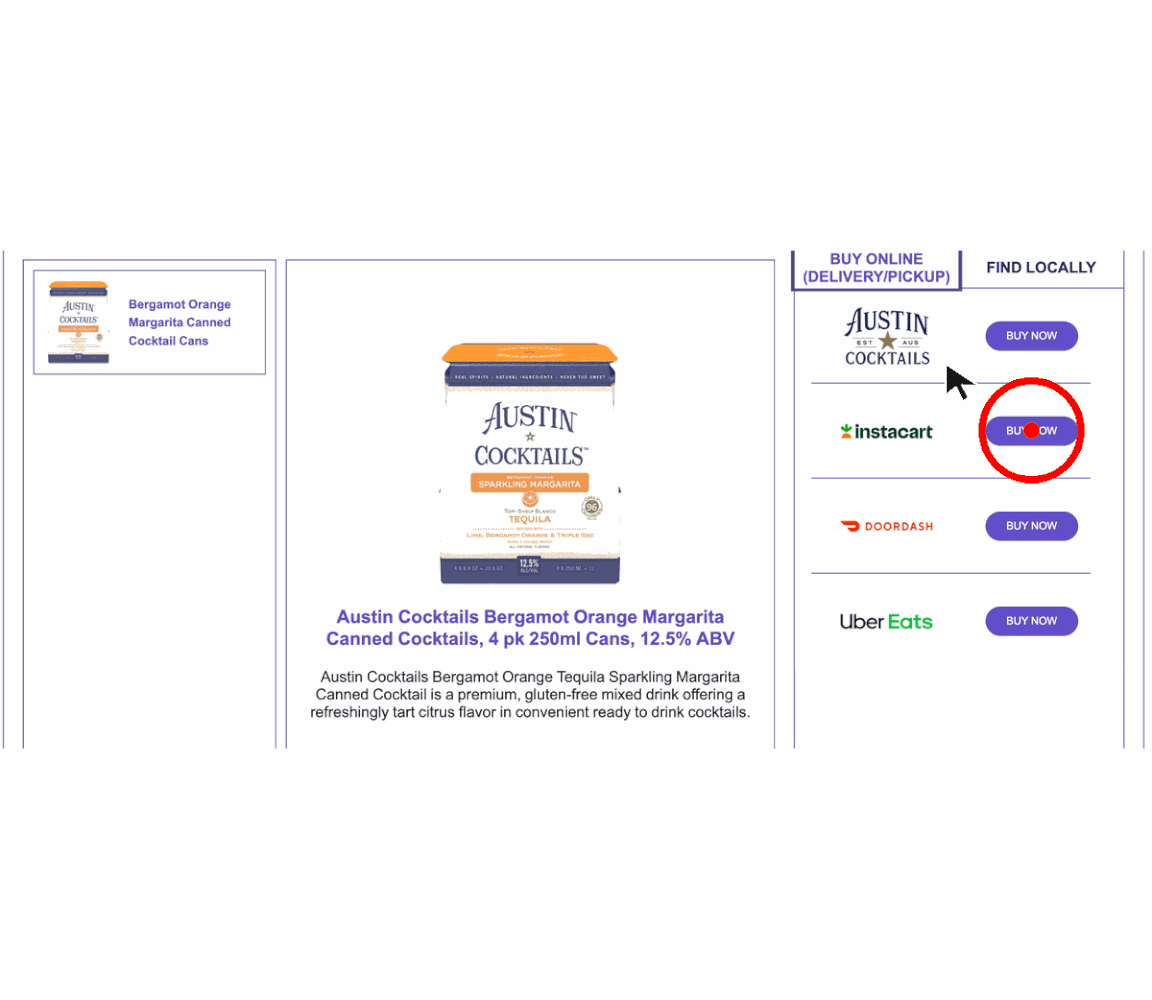
That isn’t omnichannel. It’s just a customer donation.
Carting tools didn’t create this tension, but they accelerate and exacerbate it, because the “path of least resistance” almost always points to the marketplace.
The path to purchase problem is real… but this isn’t the solution
Brands are right to demand attribution. You deserve to know which campaigns, channels, creatives, and partners are moving people from interest to purchase intent. But most importantly, shoppers deserve a REAL path to purchase.
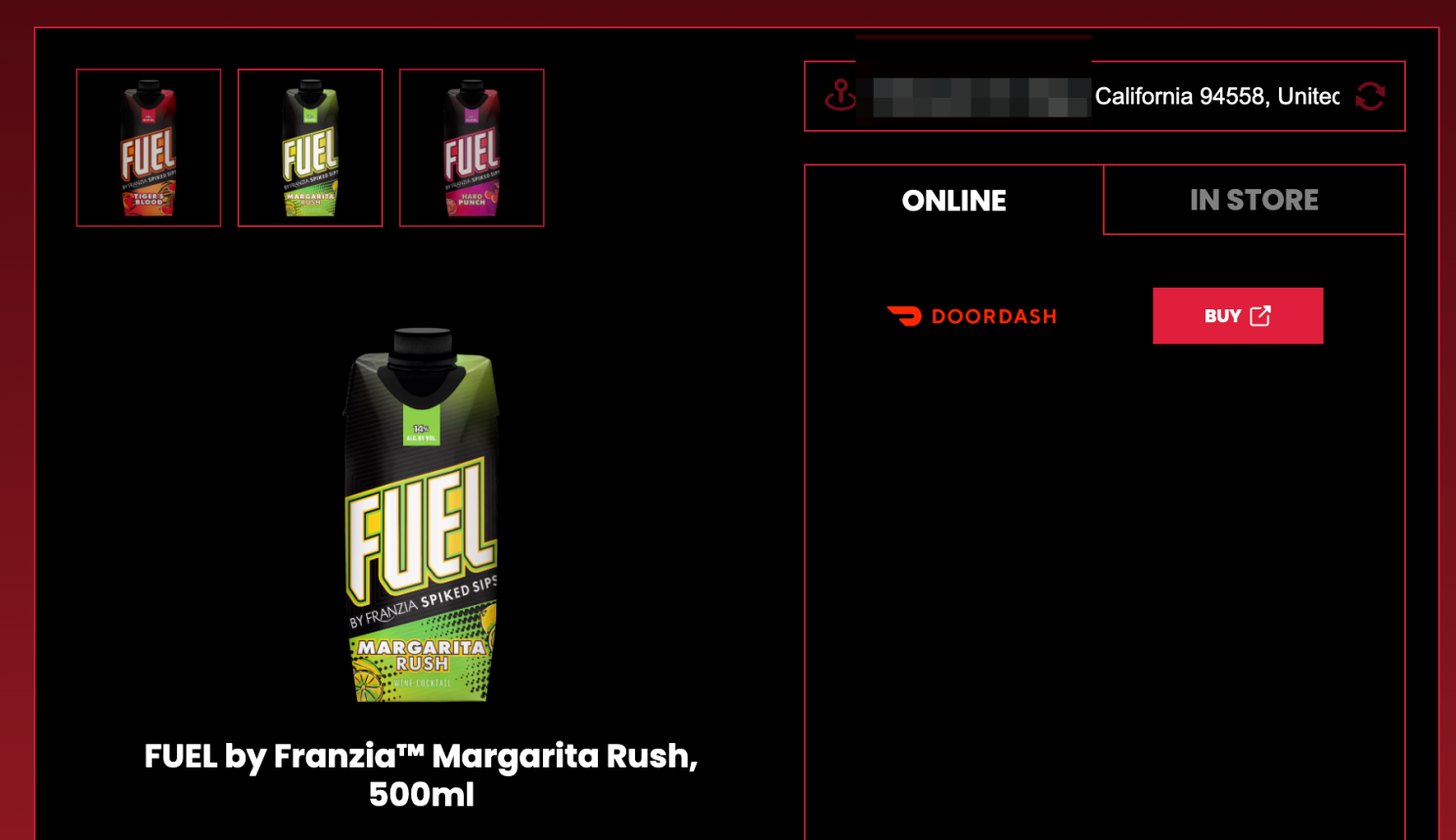
Marketplaces have their place. By all means, use their ad networks and merchandising opportunities to grow demand for your product. But do it inside the audiences they built with their budgets. Don’t give them the audience you built with your budget.
The standard carting model is backwards
Carting solutions (and any shopper-journey platform) should prioritise one thing:
Helping shoppers to find and buy your products directly from both small and large retailers.
Do this, and your retailers will love you for it.