
Filter Post Type
NewsVideoProductEventLink
Sort:
Relevance
1–10 of 74
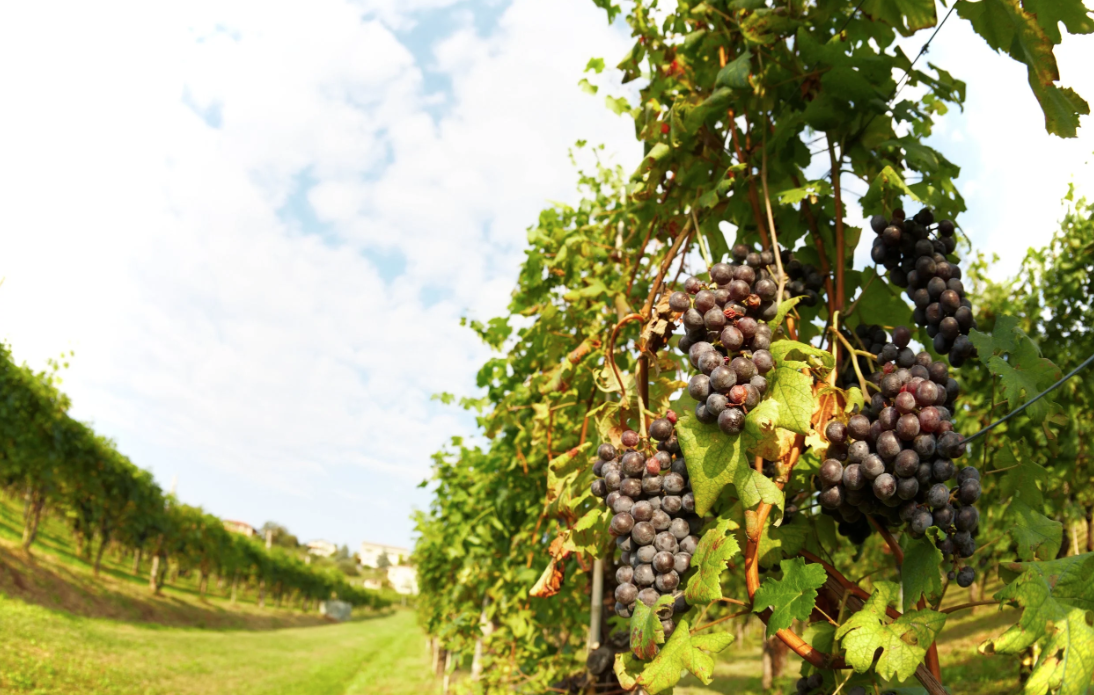
The weather is shifting, trip-planning season is underway, and tasting room traffic is about to pick up. This is the good news. The bad news? If you're reading this and thinking "we'll get to our spring marketing when spring gets here," you're behind. The tasting rooms that stay full from April through June aren't the ones with the best wine or the prettiest views. They're the ones that showed up in someone's planning process three weeks before the trip happened. People don't stumble into wine country on a whim and wander from door to door the way they did fifteen years ago. They research. They scroll. They book. And if your winery isn't visible and compelling during that research window, you're invisible when it counts. The hotel industry figured this out years ago. Marriott doesn't wait until summer to market beach properties. They start running "book your getaway" campaigns in late winter, because they know the booking win
00

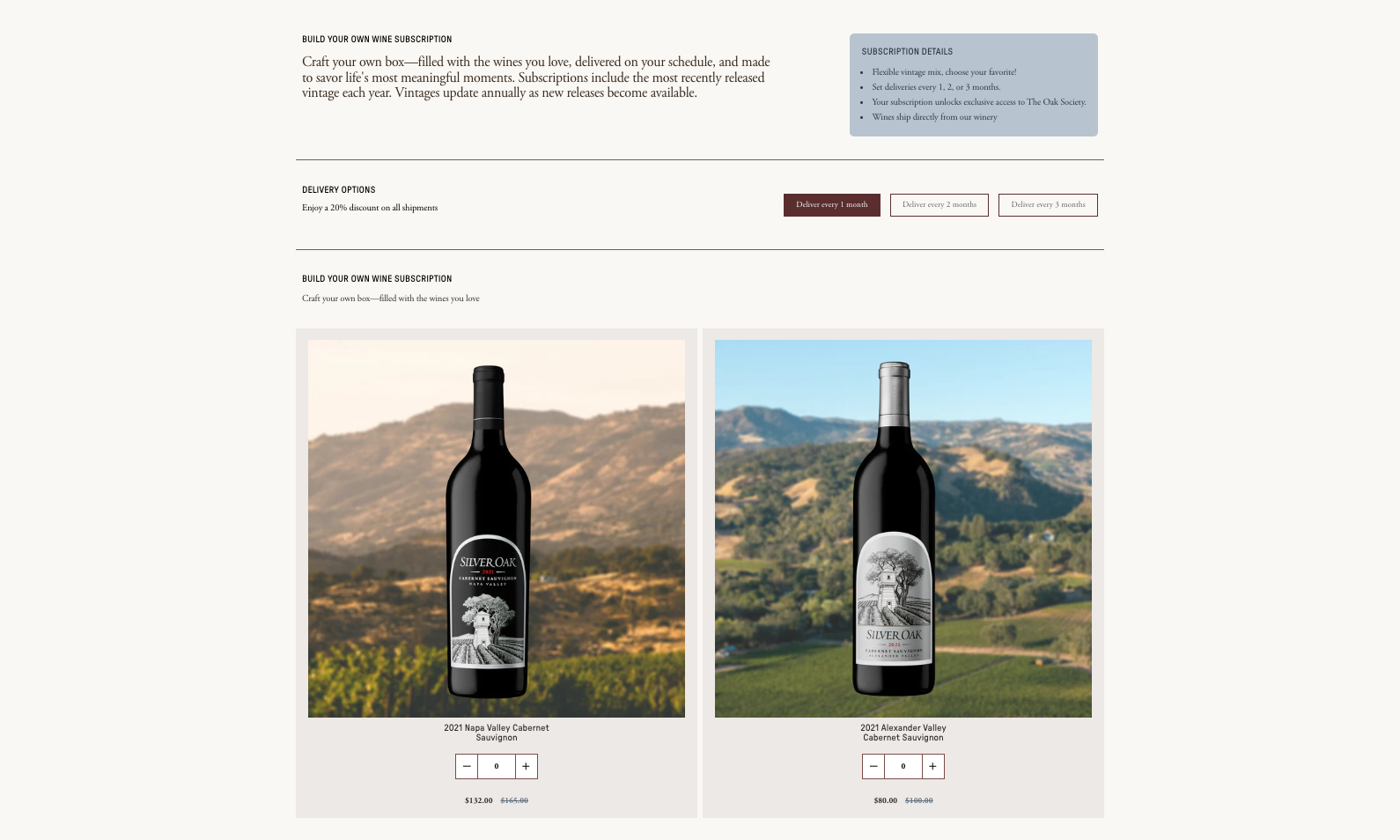
Five years ago, running a winery on Shopify meant duct-taping a lot of things together. Great for e-commerce. Okay for DTC. Difficult for wine clubs. Not really designed for tasting rooms. That's changed. The combination of Shopify's platform investments and a handful of wine-specific apps has created something genuinely new: a single operational stack that connects your tasting room, your wine club, your online store, and your loyalty program under one customer record. That convergence has real operational consequences — and it's why an increasing number of wineries are consolidating everything onto Shopify. Here's what's actually different. Your Card on File, Finally Done Right One very frustrating limitation of running a winery business on Shopify used to be simple: Shopify didn't let you vault a customer's payment card and charge it later for anything other than a subscription — not from your POS or your back office or sales team for one-tim
00
April 21, 2021
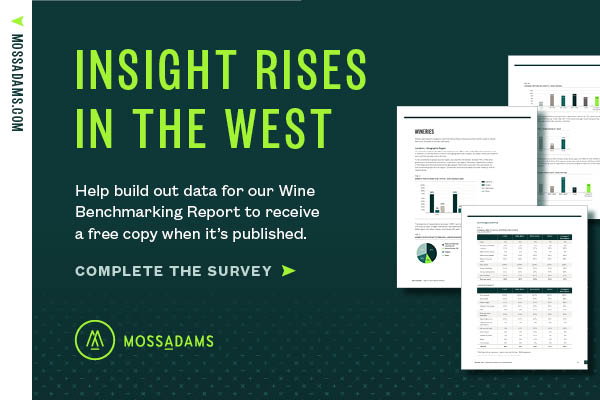
We’re excited to announce our 2021 Wine Industry Financial Benchmarking. The survey helps us create a comprehensive industry report on financial and operational benchmarks that provides wineries and grape growers with comparative information—especially vital for an industry in which such data is difficult to obtain or present in a meaningful way. The survey will be open through April 30, 2021—and we’d love to have you participate. Register for the Survey About the Report Available in October 2021, this report will be a useful tool for wineries and growers in the United States to measure their business against industry leaders and prepare their strategies for the years ahead. The report will be more financially focused than the 2017 version. It will include common-sized financial statement information and provide insights on a range of topics, from sales and production data to operating and financial metrics by region. Specific topics covered will include: Sales
00
March 2, 2026
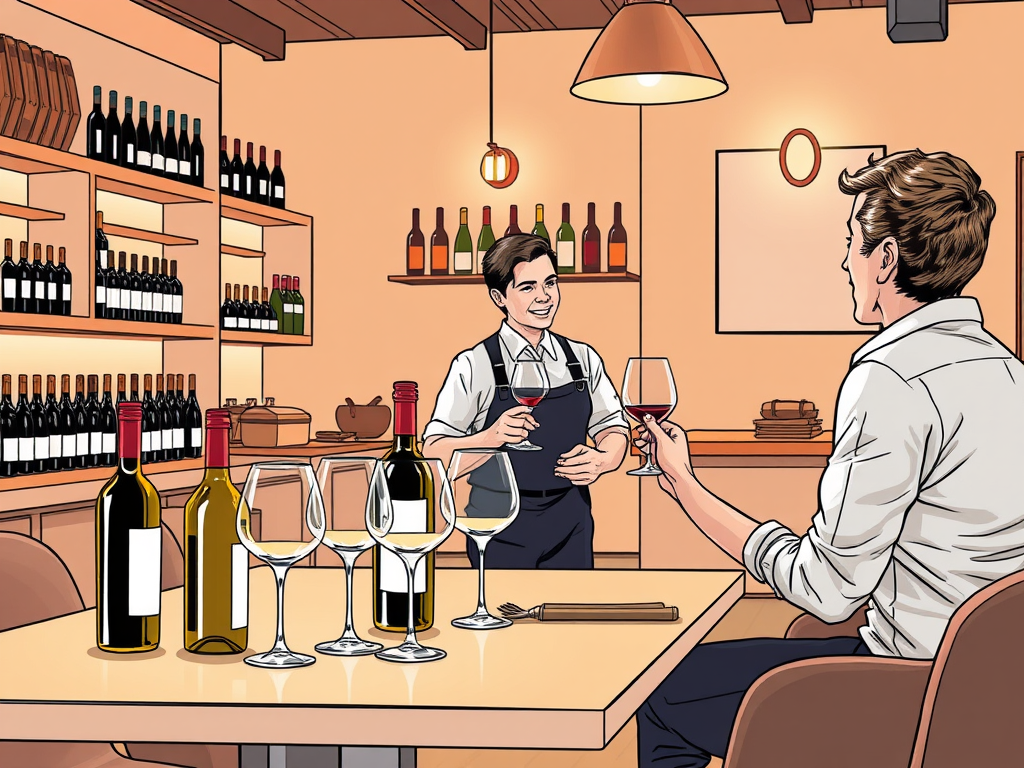
We call it a Tasting Room, when it’s really a Sales Room. Why is that? After the repeal of Prohibition in 1933, wineries re-opened in an environment where the government was highly suspicious of any and all alcohol sales. On-premise consumption was restricted and considered the purview of saloons, which were vilified during the years of Prohibition. So, to comply with laws and distinguish themselves as places of refined moderation, wineries leaned into “tasting,” not drinking. The Tasting Room became the winery’s sales room. Over the decades, tasting rooms have become places of hospitality, education, and increasingly, dinner (or lunch). Along the way, the primary role of the tasting room—to form a connection with the consumer for the purpose of selling wine—got lost. Now, I recognize that I’m being hyperbolic here. In the contracting market we’re living in, too many wineries are focusing only on the hospitality aspect. They need to lean
10
February 10, 2026

After 30 years of moving up and to the right, the American wine industry hit a wall. Not a temporary slowdown or a soft patch. A structural shift that requires a fundamentally different marketing playbook. 2025 was the reality check. 2026 is the year wineries either adapt or watch their customer base age out beneath them. The data is now unambiguous: wine sales dropped approximately 6% in 2024, marking the steepest decline in decades according to SipSource industry data. More troubling than the headline number is what's driving it. This isn't a recession blip or a bad vintage. It's a fundamental realignment of who drinks wine, how they buy it, and what they expect from the brands they choose. Here are the five trends reshaping the US wine market and what they mean for your brand's survival. The Demographic Disruption The wine industry built its growth on one generation: Baby Boomers. That generation is now aging out. The Wine Market Council's 2025 U.S. Consumer Ben
00


Selling your business is a monumental decision. Whether you’re ready to retire, pursue new ventures, or capitalize on your business’s value, the process requires careful planning and preparation. Selling a business is more than a financial transaction; it’s a personal one, too. Your hard work and dedication have built something remarkable, and transitioning that legacy deserves a thoughtful approach. This guide will walk you through the key steps to prepare for a sale, maximize the value of your business, and ensure you’re ready for what comes next. Are You Truly Ready to Sell? The first step in selling your business is determining whether you’re ready to part ways. This involves both financial readiness and personal readiness. Financial readiness requires an honest evaluation of the funds you’ll need for the next stage of your life. Can the sale price meet your financial goals, whether it’s supporting a new venture or funding your re
00
January 7, 2026

Ten years of data show execution, not traffic, is the defining factor in DTC success As wineries navigate softer tasting room traffic, rising costs, and heightened pressure on Direct-to-Consumer performance, a new white paper from WISE underscores a critical industry truth: sustainable DTC growth is driven less by volume and more by consistent execution inside the tasting room. The report, The Tasting Room Benchmark Report: 10 Years of Mystery Shopping Insights, draws on more than a decade of WISE Mystery Shopping data, analyzing 6,000+ real guest experiences across U.S. regions, winery sizes, and business models. The findings point to a persistent gap between strong hospitality and the behaviors that most directly influence revenue, loyalty, and lifetime value. WISE Mystery Shopping evaluates tasting room performance using a consistent, behavior-based framework that measures both hospitality and sales skills across more than 80 observable criteria. These insights r
00

December 2, 2025

HOW TO KEEP YOUR BRAND TOP OF MIND WHEN CUSTOMERS ARE DROWNING IN HOLIDAY EMAILS The inbox in December isn’t a communication tool—it’s a full-contact sport. Every brand, from the global megastore to the local dog bakery, is shouting their way into people’s attention span with flashing subject lines, endless exclamation points, and “40% OFF” hysteria that blurs into static. Consumers don’t read; they scan for relief. According to Mailjet’s 2024 BFCM report, holiday email volume jumps nearly 80% between Thanksgiving and Christmas, while average open rates drop to 13–15%—a statistical cry for help. But the real problem isn’t quantity—it’s tone. Every brand is talking at their audience instead of with them. The louder the messaging, the less people listen. Leading with prices and panic doesn’t inspire trust; it triggers fatigue. That’s your opportunity. The brands that win the inbox aren’t the
00

December 1, 2025
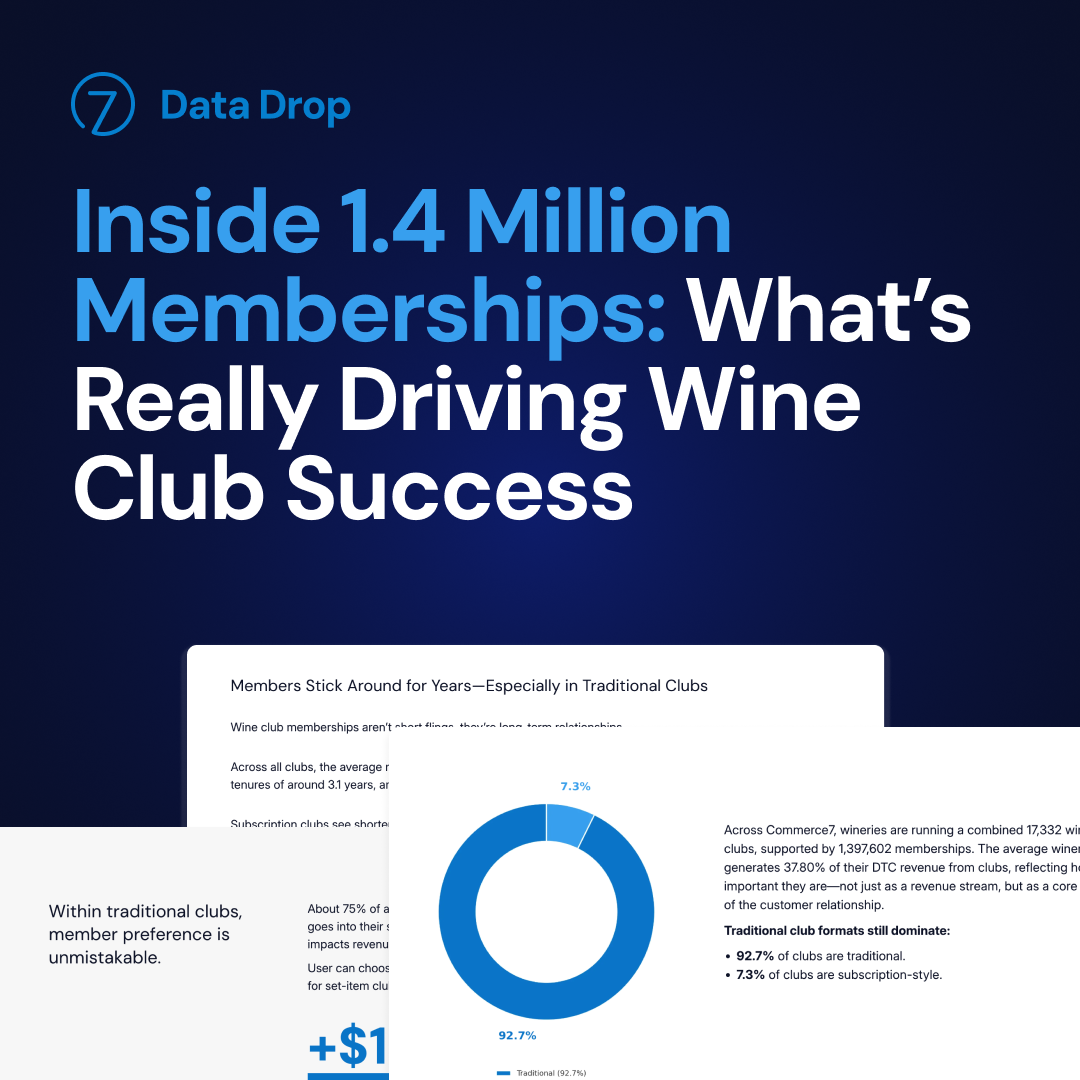
Commerce7 today announced the launch of Data Drops, a new ongoing series designed to deliver timely, digestible insights that help wineries understand what is really driving direct-to-consumer performance. What was once a single yearly data book will now be published in shorter pieces that arrive throughout 2026, giving the industry faster access to trends, benchmarks, and opportunities backed by the largest DTC dataset in wine. Powered by data from across the Commerce7 platform, Data Drops turn the company’s scale into practical knowledge any winery can use.This series is built for the entire industry, not only Commerce7 clients. Whether a winery runs on another platform or is just beginning to build out its DTC strategy, the content offers clear, actionable intelligence designed to push the industry forward. “Data is only useful when it helps you take the right next step. With Data Drops, we’re making the industry’s biggest DTC dataset readable, practical, and
00

What makes Enolytics different from any other reporting platform? It’s a fair enough question, and we’re always glad to respond. Lately we’ve been starting with this graphic, of what’s above and below the surface when it comes to wine data. It’s like an iceberg in the ocean. The “tip of the iceberg,” above the surface of the water, is what most wineries see and use when it comes to data: dashboards, reporting, and benchmarking. But these elements, while essential, merely scratch the surface of what data can reveal about a wine business’ health and growth. Those things report, yes, but on sales that have already happened in the past. Notice the penguin at the top of the graphic! Which is appropriate enough: they’re comfortable and familiar there, but hardly adventurous or trail-blazing. It’s what lies beneath the surface — the deeper insights — that are vast and transformative. Growth-oriented, and forwar
00