
Filter Post Type
NewsVideoProductEventLink
Sort:
Relevance
1–10 of 38

For most wineries, marketing still follows a familiar path: email campaigns, wine clubs, tasting room experiences, and social media. These channels continue to drive direct-to-consumer sales, but they are also becoming increasingly saturated. Reaching new customers often requires more content, more spend, and more competition for the same audience. At the same time, another force is shaping consumer behavior at scale—film and television. A single streaming series can influence travel, dining, fashion, and brand awareness almost overnight. Within those moments, wine is already present. It appears in dinner scenes, celebrations, restaurants, and quiet evenings at home, serving as a natural extension of lifestyle and hospitality. Historically, however, the bottles used on screen have rarely represented real wineries. That is beginning to change. Wine product placement is emerging as a viable and strategic marketing channel for wineries looking to expand beyond traditional touchpoin
00
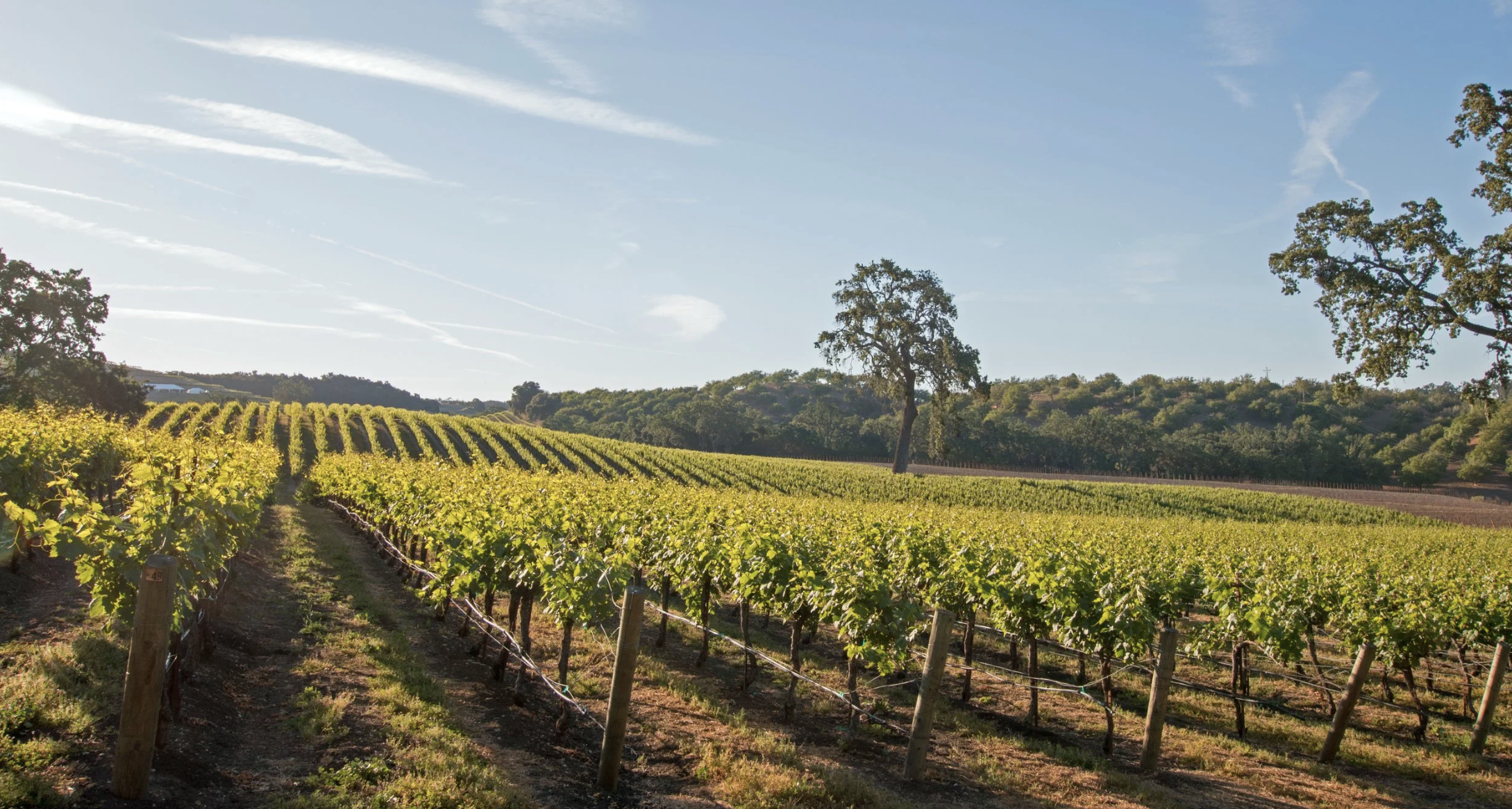
Your next customer will see your winery before they ever taste your wine. They'll see it on Instagram while planning a weekend trip. They'll see it on your website while deciding whether to book a reservation. They'll see it in an email while considering whether your wine club is worth joining. And in every one of those moments, they're making a decision based on what your visuals tell them about who you are. This isn't a trend. It's how people buy now. According to a 2023 study by Cloudinary and Harris Poll, 75% of online shoppers say product photos are the most influential factor in their purchase decisions. That number holds across categories, and it holds in wine. The difference is that wineries aren't just selling a product. They're selling an experience, a place, a feeling. Which means your visual content has to do more work than a product shot on a white background. It has to make someone want to be there. Most wineries know this on some level. Fe
00

February 10, 2026

I spend an embarrassing amount of time every January reading year-end recaps, trend reports, and “culture in review” pieces. It’s part professional habit, part curiosity, part doomscrolling with a notebook. But as I started flipping through 2025 retrospectives, something felt… off. Not alarming. Not exciting. Just oddly muted. Nothing was shouting. Nothing felt particularly sharp. Even the topics that usually come with big opinions seemed softened, neutralized, turned down a few notches. So I pulled the thread. And the more I looked, the more I began noticing the same quiet signals emerging in places that had no connection to each other: design trends, language, social behavior, media content, fashion, and even travel preferences. Different industries. Different audiences. Same emotional temperature. Meh. Which led me to a question I couldn’t shake: Is this increasing indecisiveness a new form of rebellion? A sign of boredom? Or are we just culturall
00
January 30, 2026
This blog post summarizes the process by which licensed wineries can obtain local government approval for events in Napa County held pursuant to their California Department of Alcoholic Beverage Control (“ABC”) Type 93 Estate Tasting Permit. As discussed in our prior post, last year Governor Newsom signed into law AB720, granting California wineries that hold an ABC Type 02 winery license the ability to host events, up to 36 times per year, where they exercise tasting room privileges for wine manufactured by or for the winery on either: (1) property adjacent to the licensed premises or (2) a nonadjacent vineyard provided that such property or vineyard is owned by or under the control of the winery. (Cal. Bus. Prof. Code 23399.03.) Neither ABC nor Napa County have provided guidance as to what degree or proof of “control” is required. Under AB 720, these new Type 93 estate tasting events are also subject to local land use controls that can “restrict, but no
00

January 23, 2026
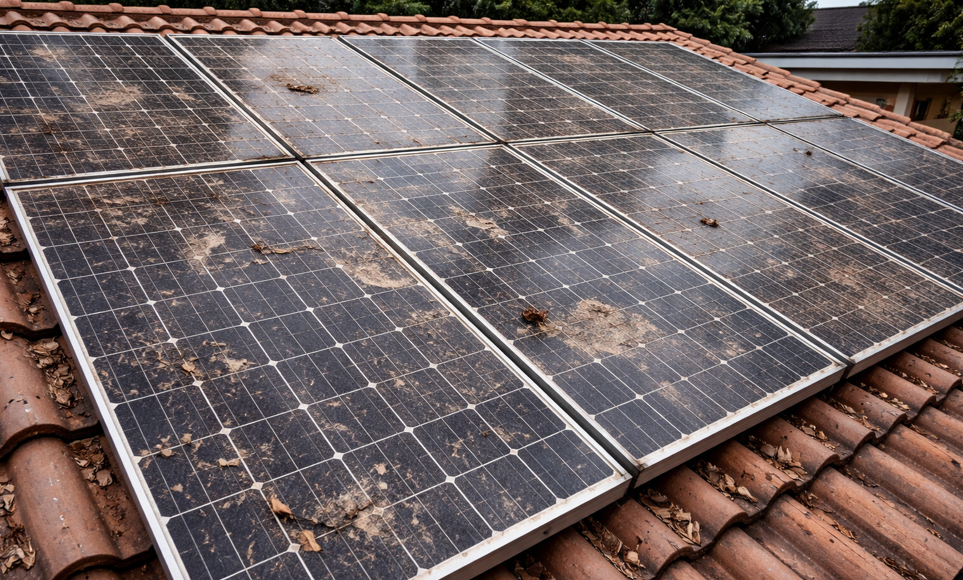
Key Takeaways Regular solar panel cleaning helps maintain energy output by removing dirt, salt residue, and debris that block sunlight and reduce efficiency. Most homeowners should clean solar panels once or twice per year, with coastal and high-dust areas often needing more frequent service. Professional solar panel cleaning protects your investment by safely removing buildup without damaging surfaces, wiring, or warranties. Solar panels are designed to be low maintenance, but that does not mean they are maintenance-free. Over time, dirt, dust, pollen, bird droppings, and coastal salt can reduce how much sunlight reaches your panels. When that happens, your system produces less energy, and your savings take a hit. Here on California’s Central Coast, solar panel cleaning plays a bigger role than many homeowners realize. This guide explains how often solar panels should really be cleaned, what affects cleaning frequency, and how proper maintenance protects your investment. Our par
00

April 9, 2026
Advantages of early AI search visibility for wineries and how-to system for achieving results. AI is quickly becoming the first place consumers turn when deciding what wine to buy, which winery to visit, and what experiences are worth their time. For wineries, this shift represents more than a new marketing channel. It is a fundamental change in how discovery, consideration, and purchase decisions are made. The key insight: AI search visibility compounds over time. Wineries that invest early in being visible, understandable, and trusted within AI-driven search environments gain a measurable advantage that grows. Each mention, citation, and recommendation strengthens future visibility, creating a flywheel effect that late adopters will struggle to match. This is not about quick wins or isolated tactics. It is about building a durable presence across the digital ecosystem that AI systems rely on to generate answers. As these systems learn from consistent signals, brands that show up earl
00
December 5, 2025
POSTED BY Theresa Barton Cray As we near the close of a challenging year for the alcohol beverage industry, suppliers are understandably looking for creative marketing campaigns to boost sales. Unfortunately, given the highly regulated world of alcohol beverage marketing, creative marketing ideas can sometimes hit the proverbial brick wall of regulatory restrictions. All is not lost, however, and there is still room for creativity provided suppliers work within the parameters of alcohol beverage regulations. To start, below are some common pitfalls that suppliers should avoid when marketing their alcoholic beverages in California and elsewhere. Retailer Partnerships Suppliers should closely examine any new marketing programs that involve or mention licensed alcohol beverage retailers. Partnerships with, or sponsorships of, retailers are in most cases going to run afoul of the tied-house laws in California, and in most other states, which prohibit suppliers from giving (directly
00

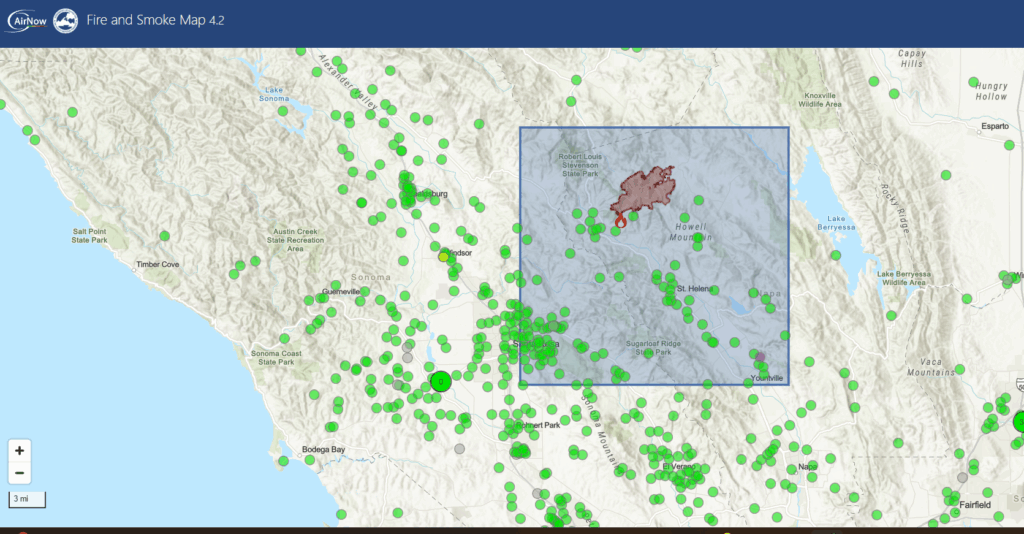
Let’s look at some maps Last week I was in the middle of writing a post about how great this year was turning out. I thought, just as long as growers can avoid something disastrous, this could be a great vintage. Within 24 hours, the Pickett fire grew from a small blaze north of Calistoga to a towering wildfire that has since consumed 6000 acres. Of course, this comes on the heels of the Gifford fire in San Luis Obispo, which has taken out over 100k acres the week before. For some growers in Napa and Edna valley, harvest may be over before it starts. While the definitive kibosh will come from lab analysis, knowing how smokey it got and when is useful for metering expectations and determining the next step. And there are some super useful tools out there! The EPA has a wide network of air quality sensors throughout the country with varying degrees of concentration. The map below shows just how many of these stations are publicly available, so you can see where air quality is suffe
00


The calendar flip from 2024 to 2025 heralded several new packaging regulations, rulemaking updates, and bills with significant implications for consumer packaged goods in North America and Europe. Recent packaging legislation is reshaping packaging requirements for waste reduction, recyclable materials, circularity, and sustainability. However, actions by the Trump Administration may defer regulatory action at the U.S. federal level and shift packaging-related policies. EPR Packaging Laws Five U.S. states—California, Colorado, Oregon, Maine, and Minnesota—have passed extended producer responsibility laws for packaging. While each state's requirements vary, they share common goals of reducing packaging waste, enhancing recycling efforts, and holding producers (e.g., brand owners) accountable for the life cycle of their products. Since the start of the year, nine states have introduced or re-introduced EPR packaging bills. They include Washington, Tennessee, Hawaii
00
May 19, 2025
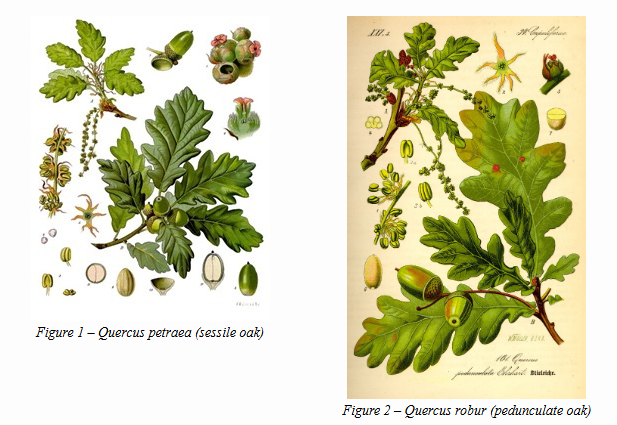
Introduction Coopers have long recognized the importance of forest origin in shaping the sensory qualities of wine, yet relatively little research has been conducted to understand the underlying factors driving these effects. With access to oak sourced directly from several prestigious and historically significant French forests through our company-owned stave mill in northeastern France, we saw a unique opportunity to investigate how forest terroir contributes to wine expression. This study was conducted for our TW Boswell brand of French oak barrels and aimed to evaluate whether specific forest origins impart distinct chemical and sensory characteristics to wine. We selected three single-origin forests – Allier, Tronçais, and Nièvre and a blend composed of Bertranges, Bercé, and Russy – to compare the influence of each on wine aged in barrels crafted with TW Boswell’s proprietary toasting profiles. Our goal was to better understand the role of f
00