
Filter Post Type
NewsVideoProductEventLink
Sort:
Relevance
1–10 of 52

April 1, 2026
We are certainly living in different times—times that are difficult to predict and even harder to plan for. Challenges originating far outside our professional world are quickly impacting our day-to-day operations and, ultimately, your business. Throughout 2026, suppliers across the industry have faced significant disruption, and those challenges have inevitably flowed downstream to our valued wine and spirits customers. While none of us welcome this level of uncertainty, it is also not entirely unexpected given the global environment we’re operating in. Recently, the Wine Industry Network published a timely and insightful article that underscores the importance of preparation. The message is clear: we must plan ahead, secure what we can, and remain ready for continued volatility. Duties, tariffs, currency fluctuations, transportation challenges, and unexpected fees are all contributing to rising costs—and the reality is, no one can predict what will come next. What
00
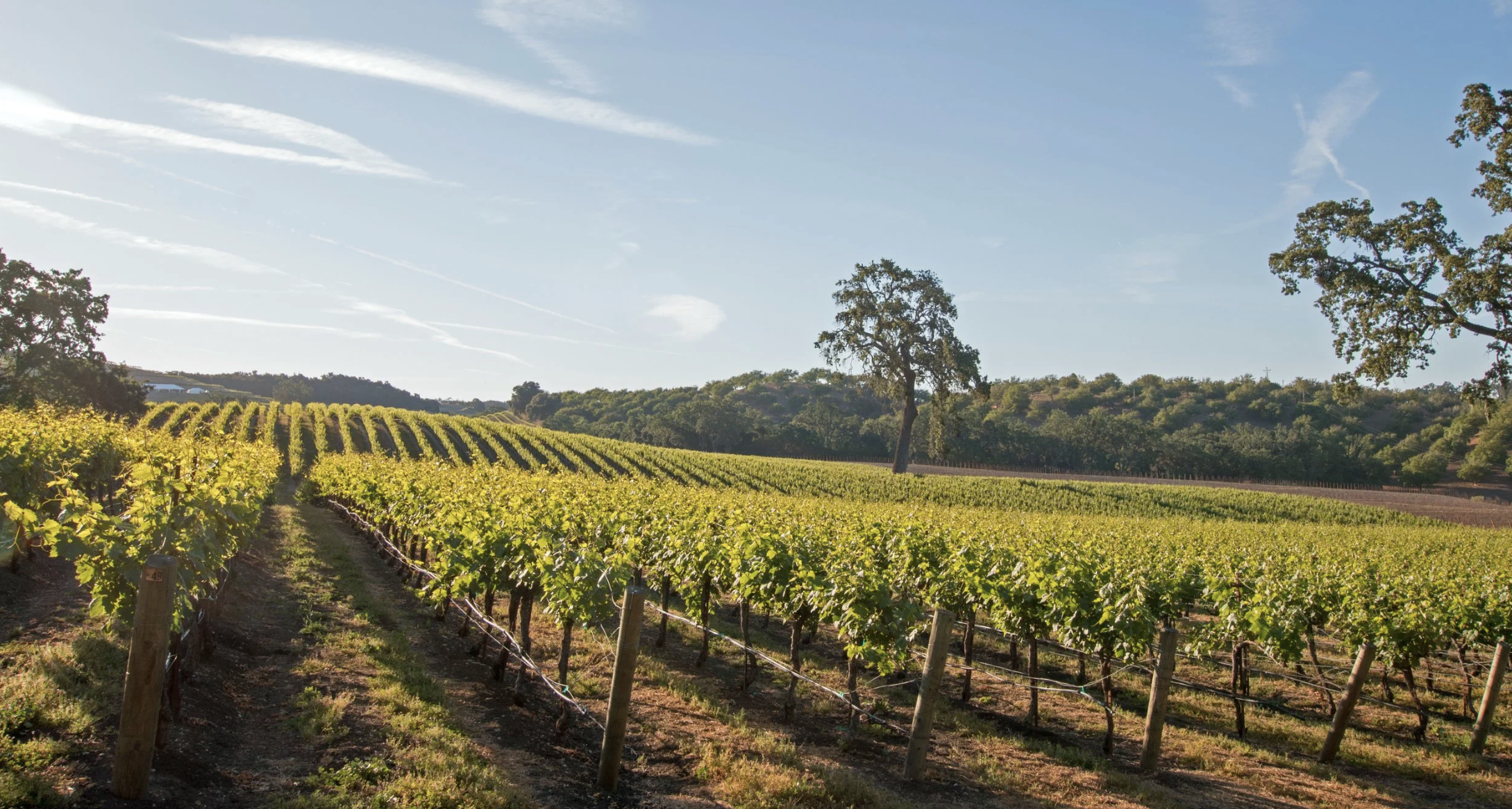
Your next customer will see your winery before they ever taste your wine. They'll see it on Instagram while planning a weekend trip. They'll see it on your website while deciding whether to book a reservation. They'll see it in an email while considering whether your wine club is worth joining. And in every one of those moments, they're making a decision based on what your visuals tell them about who you are. This isn't a trend. It's how people buy now. According to a 2023 study by Cloudinary and Harris Poll, 75% of online shoppers say product photos are the most influential factor in their purchase decisions. That number holds across categories, and it holds in wine. The difference is that wineries aren't just selling a product. They're selling an experience, a place, a feeling. Which means your visual content has to do more work than a product shot on a white background. It has to make someone want to be there. Most wineries know this on some level. Fe
00
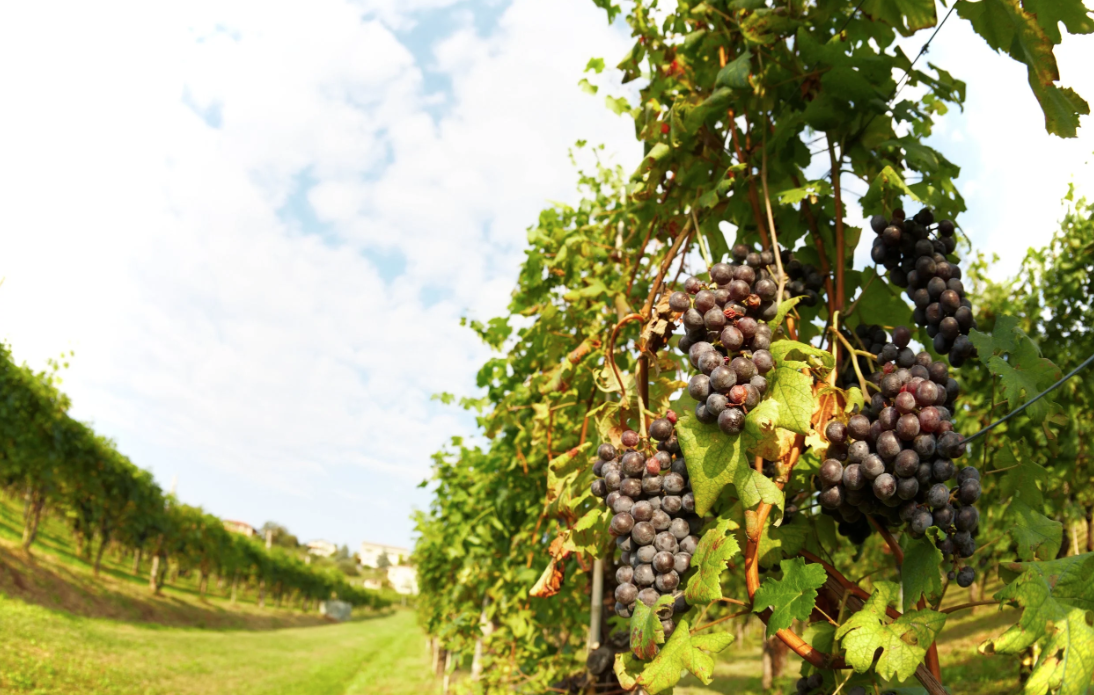
The weather is shifting, trip-planning season is underway, and tasting room traffic is about to pick up. This is the good news. The bad news? If you're reading this and thinking "we'll get to our spring marketing when spring gets here," you're behind. The tasting rooms that stay full from April through June aren't the ones with the best wine or the prettiest views. They're the ones that showed up in someone's planning process three weeks before the trip happened. People don't stumble into wine country on a whim and wander from door to door the way they did fifteen years ago. They research. They scroll. They book. And if your winery isn't visible and compelling during that research window, you're invisible when it counts. The hotel industry figured this out years ago. Marriott doesn't wait until summer to market beach properties. They start running "book your getaway" campaigns in late winter, because they know the booking win
00
Why Wineries Need Influencer Marketing Now Here's a number that should reshape how you think about marketing: 69% of consumers trust influencer recommendations more than information coming directly from a brand That's not a slight edge. That's a fundamental shift in how people decide what to buy. For wineries, this matters more than it does for most industries. Wine is a considered purchase wrapped in uncertainty. Your potential customer is standing in a tasting room or scrolling through an online store, wondering: Will I like this? Is it worth the price? Am I making the right choice? Influencer content answers those questions in ways traditional marketing cannot. When a trusted voice says "I tried this Pinot and it's incredible with grilled salmon," that carries weight. It's a peer recommendation disguised as content. Instagram and TikTok now drive wine discovery among younger audiences, and 87% of Gen Z consumers say they're willing to buy products
00
September 1, 2025
Your Customers Check Texts Faster Than Emails, So Why Are You Still Only Relying on Inboxes? The typical American checks their phone 96 times a day, that's once every 10 minutes. While your carefully crafted email campaign sits unopened among dozens of others, text messages get read within minutes. The numbers don't lie: SMS messages have a 98% open rate compared to email's paltry 20-30%. Even more telling, 90% of text messages are read within the first three minutes of delivery. For wineries competing for attention in crowded digital spaces, this isn't just a nice-to-have channel, it's the most direct line to your customer's attention. Why SMS Works Specifically for Wine Brands Wine isn't software or fashion, it's experiential, emotional, and often enjoyed in specific moments. This unique position makes SMS particularly effective for wineries in ways other industries can't match. First, wine consumers are increasingly mobile-first. When planning wee
00
February 10, 2026
After 30 years of moving up and to the right, the American wine industry hit a wall. Not a temporary slowdown or a soft patch. A structural shift that requires a fundamentally different marketing playbook. 2025 was the reality check. 2026 is the year wineries either adapt or watch their customer base age out beneath them. The data is now unambiguous: wine sales dropped approximately 6% in 2024, marking the steepest decline in decades according to SipSource industry data. More troubling than the headline number is what's driving it. This isn't a recession blip or a bad vintage. It's a fundamental realignment of who drinks wine, how they buy it, and what they expect from the brands they choose. Here are the five trends reshaping the US wine market and what they mean for your brand's survival. The Demographic Disruption The wine industry built its growth on one generation: Baby Boomers. That generation is now aging out. The Wine Market Council's 2025 U.S. Consumer Ben
00
January 20, 2026
The wineries with the most loyal wine clubs aren't the ones with the best discounts. They're the ones with the strongest emotional identity. This will sound counterintuitive to anyone who's ever tried to stem club churn by sweetening the deal with free shipping or an extra bottle. But the data tells a different story. Companies with strong emotional connections to customers outperform competitors' sales growth by 85%. Not 8.5%. Eighty-five percent. The question isn't whether emotional connection matters. It's how you build one. Enter brand archetypes: a framework rooted in Jungian psychology that helps wineries create the kind of deep, identity-based loyalty that discounts can never buy. When wineries align their story, experience, and messaging with a core archetype, wine club loyalty stops being a battle against churn and becomes a natural expression of who they are. What Are Brand Archetypes? (And Why They Work in the Wine Industry) Brand archetypes are 1
00

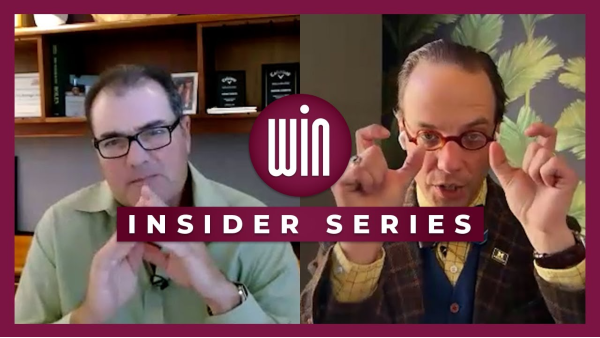
In this WIN Insider Series episode, George interviews Adam Bird, Director of Strategy and Partner at Deksia and Highway 29 Creative, about navigating marketing challenges in today’s wine industry. Adam draws on extensive experience across multiple marketing sectors to share strategic insights on evolving consumer behaviors and what it takes to adapt and grow in a shifting marketplace. The conversation covers critical topics including the importance of authenticity in wine marketing, how regional and generational differences shape strategy, the challenge of engaging younger consumers, and what the future of wine marketing looks like. Whether you’re a winery owner, marketer, or industry professional, Adam’s candid insights offer practical guidance for positioning your brand in an increasingly competitive landscape. Watch to learn how successful wine brands are staying culturally relevant while building long-term customer loyalty. You can also hear more from Adam at the
00
November 12, 2025
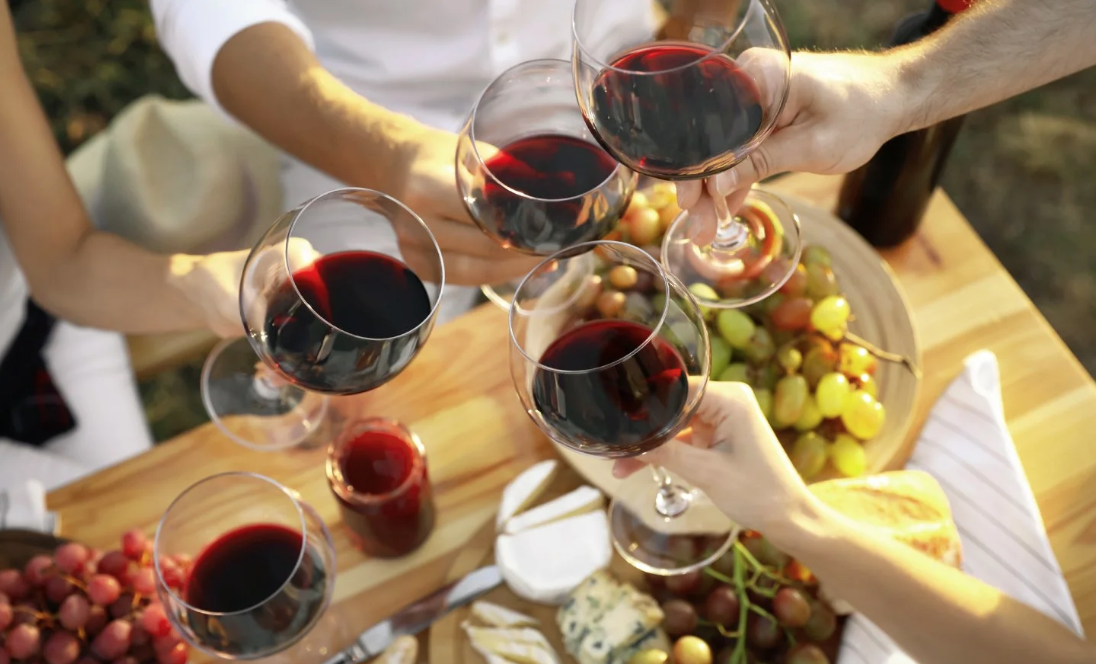
The Post-Harvest Drop-Off Fall brings a flurry of activity to wine country. Tasting rooms fill with eager visitors, social media buzzes with harvest photos, and the energy is palpable. Then November arrives, and for many wineries, engagement plummets. According to Silicon Valley Bank's 2024 Direct-to-Consumer Wine Survey, the average winery converts less than 15% of harvest event attendees into repeat customers by year-end. This represents an enormous missed opportunity. The wineries that thrive year-round don't view harvest as a seasonal peak but as the starting point of a strategic customer journey. Harvest Is Your Customer Acquisition Funnel Stop thinking of harvest events as isolated experiences and start viewing them as the top of your sales funnel. Smart consumer brands recognize that seasonal events provide a prime opportunity to collect valuable customer data while creating memorable brand experiences. These touchpoints become the first step in an ongoing relat
00
October 7, 2025
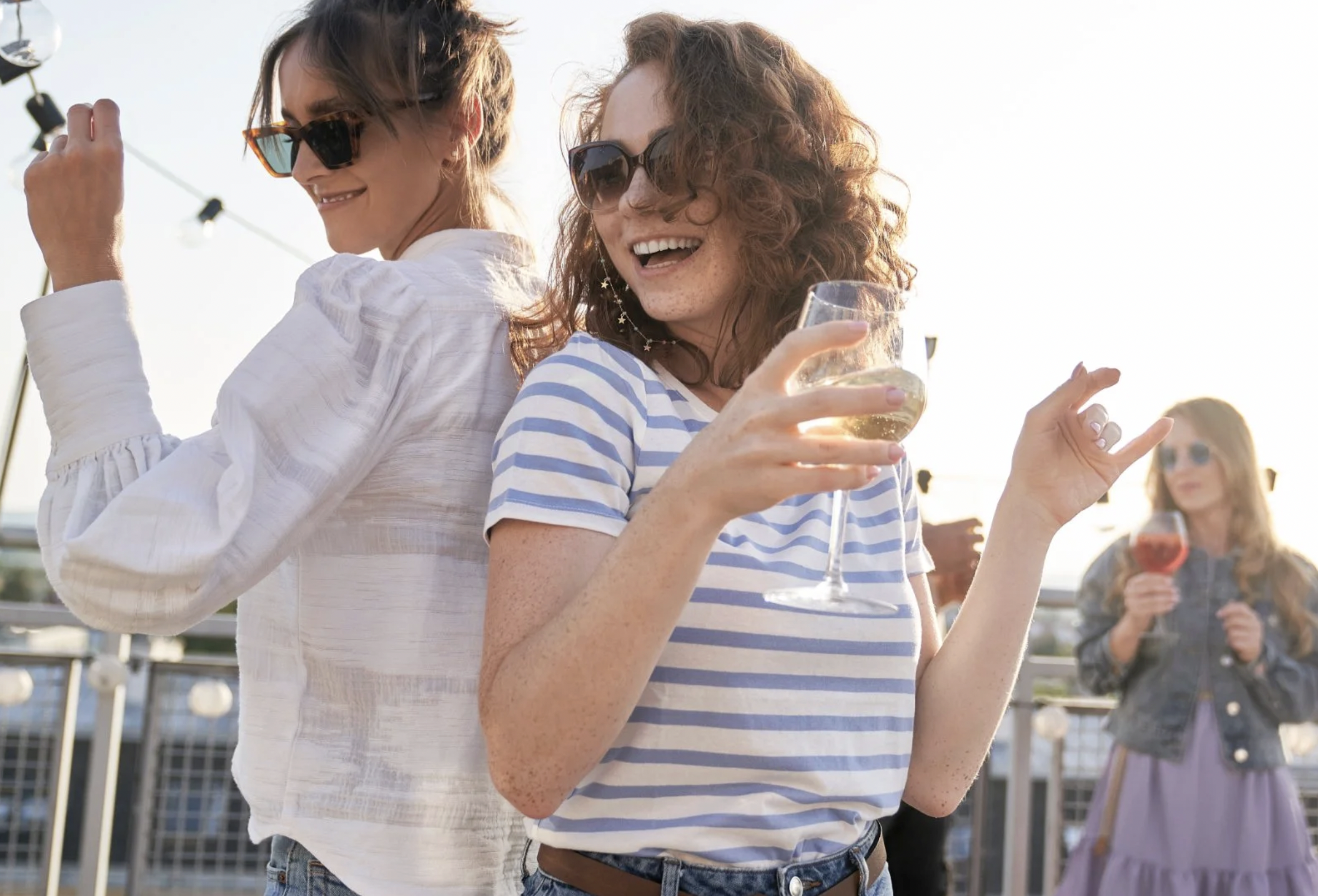
Your Current Marketing Won't Work for Younger Wine Drinkers The generational shift in wine consumption is happening faster than most wineries are prepared to handle. According to Wine Intelligence's US Wine Consumer Trends 2025 report, millennials will surpass baby boomers as the largest wine-consuming demographic by value this year. Meanwhile, the oldest members of Gen Z (born 1997-2012) are now turning 28 and developing their own distinctive wine preferences. The problem? Most wineries continue marketing as if their primary audience is still over 55. The messaging, channels, and tactics that worked for boomers actively repel younger buyers. Let's examine what actually works when marketing to these crucial demographics. What Younger Wine Consumers Actually Want Millennial Wine Drinkers (Ages 29-44) Millennials approach wine fundamentally differently than their parents: What They Value: Transparency about production methods and ingredients Sustainable and ethical busines
00