
Filter Post Type
NewsVideoProductEventLink
Sort:
Relevance
1–10 of 38

March 28, 2025
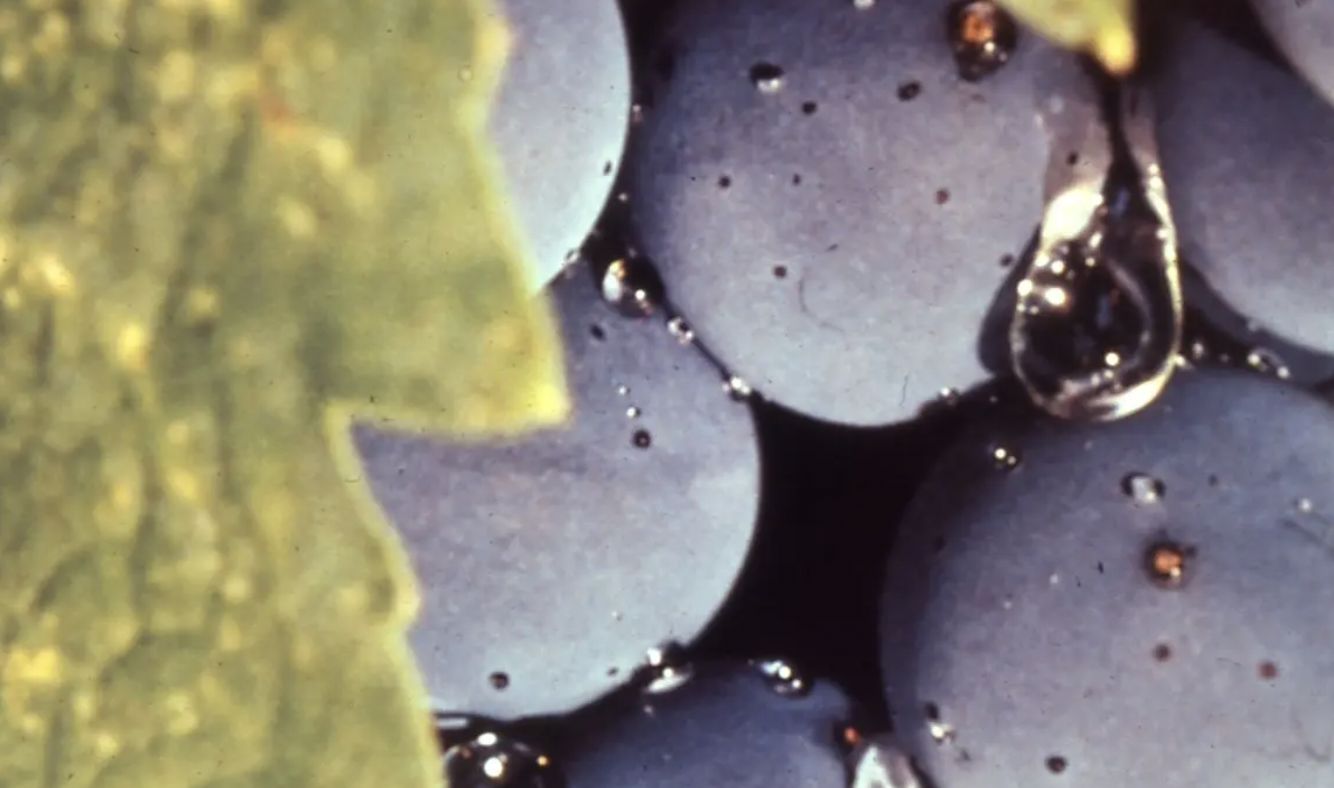
Elevate Your Vineyard's Appeal to Grape Buyers with In-Season Berry Phenolic Testing CVC Ag is excited to offer weekly berry phenolic tracking. Our precision sampling and analysis services help you monitor key wine quality markers—essential for color, tannin structure, mouthfeel, and aging potential. Why Phenolic Tracking Matters Data-Driven Harvest Decisions – Go beyond Brix and acidity to pick at peak phenolic maturity. Consistency & Quality Control – Achieve uniform phenolic expression year after year. Maximize Grape Value – Deliver fruit with premium quality metrics that buyers demand. CVC's Phenolic Analysis Services Total Anthocyanins – Monitor seasonal color evolution to ensure optimal grape maturity and wine quality. Catechins (Tannins) – Measure seed-derived tannins known for their impact on bitterness, astringency, and aging potential. Total Polyphenols – Track polyphenol development, key cont
00

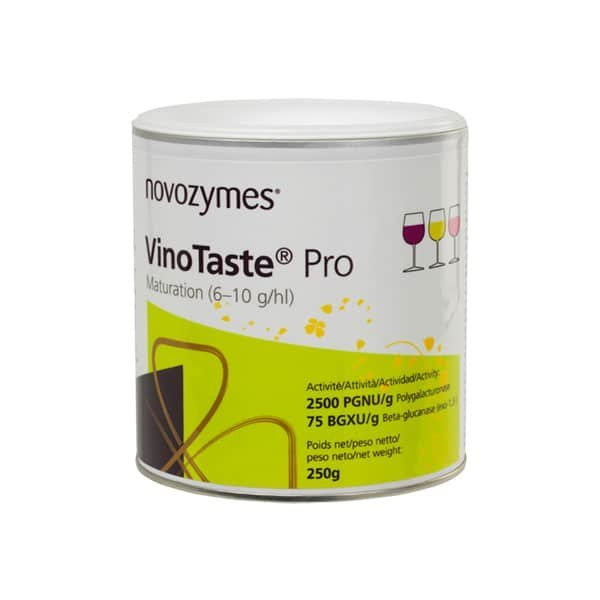
Ensuring good wine filterability is key to saving time, protecting quality, and avoiding costly production issues. Poor clarification and high polysaccharide levels can quickly lead to fouled membranes and slow filtration. We are excited to introduce our innovative solutions to help you streamline clarification, reduce microbial load, and improve the overall quality of your wines. Improve Filterability with Oenoflow Max Œnoflow Max is formulated with specific enzymatic activities (pectinase, AG-II-hydrolase, hemicellulase, and β-glucanase) to break down a wider variety of complex polysaccharides compared to other enzymes on the market. This advanced formulation ensures a more effective and cleaner filtration process, saving time and preserving the purity of your wine. Better filtration, better balance, less time with VinoTaste Pro VinoTaste Pro is a purified enzymatic blend of pectinase and β-glucanase that improves clarification while enhancing wine quality. Impro
00


Pneumatage is a large bubble air/gas mixing process developed by Pulsair Systems in 1986. Similar to a reverse punch-down or in-tank pump-over, it is exclusively designed to pump red wine up into and over the top of buoyant red grape skins during fermentation during in cap mixing session. The process utilizes the sequential injection of large compressed air or gas bubbles released into the bottom of the fermentation tank. The fast, rising air pulses completely separate the grape cap into individual berries to enhanced infusion of phenolics, flavor, aromatics, tannins and color. This gentle mixing process also helps significantly reduce labor costs, reduce energy consumption, reduce sanitation and increase efficiency. To learn more, come see us at booth 336 at the WIN Expo on December 5th. Use our promo code PUL336 for a FREE trade show pass! Register here: https://wineindustryexpo.com/
00
November 13, 2025

Event Type: Webinar
Location: Online
Date: 11/20/2025
As harvest dust settles, it Is time to fine-tune your wines and prepare them for the next stage, ageing. Join us for a focused, 30-minute Lamothe-Abiet webinar designed to help you finalize your 2025 vintage with balance, clarity, and protection in mind. This practical and interactive session will guide you through key technical steps to optimize wine balance, structure, and stability, setting the foundation for high quality and longevity in the cellar. We’ll discuss: How fining agents can harmonize green or harsh tannins and rebalance phenolics Using tannins and barrel alternatives to rebuild structure and stabilize color Managing botrytis impact and glucans early with specific enzymes to enhance filtration and accelerate ageing Protecting your wines before ageing with natural antioxidant and antimicrobial solutions such as glutathione and chitosan Reserve your spot now and receive practical protocols to finish the 2025 vintage with conf
00

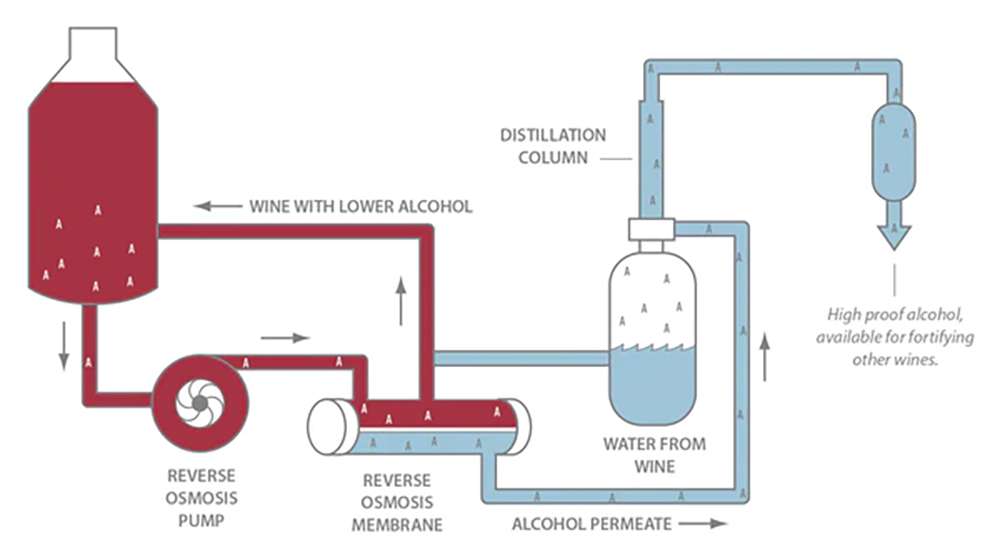
Discover unparalleled precision in Alcohol Removal! Your browser does not support HTML5 video. Explore how our state of the art dealcoholization process... Employs meticulously selective membranes - Our process extracts only water, alcohol, and acetic acid. Retains volatile phenolics - No need to "capture" or "add back" any volatile compounds when our process protects and preserves your most delicate wine characteristics in the first place. Removes without heat - Your wine is never heated! Only the water-ethanol fraction is distilled, ensuring your wine is maintained at cellar temperature throughout the alcohol removal process. Minimizes volume loss - With an average loss of just 1.25%, we send you back more of your wine to bottle and sell! Scales from Trial to Production volumes - Schedule a Test Track service on our bench scale equipment prior to full scale dealcoholization. Call or email Cameron@winesecrets.com for more information abou
00

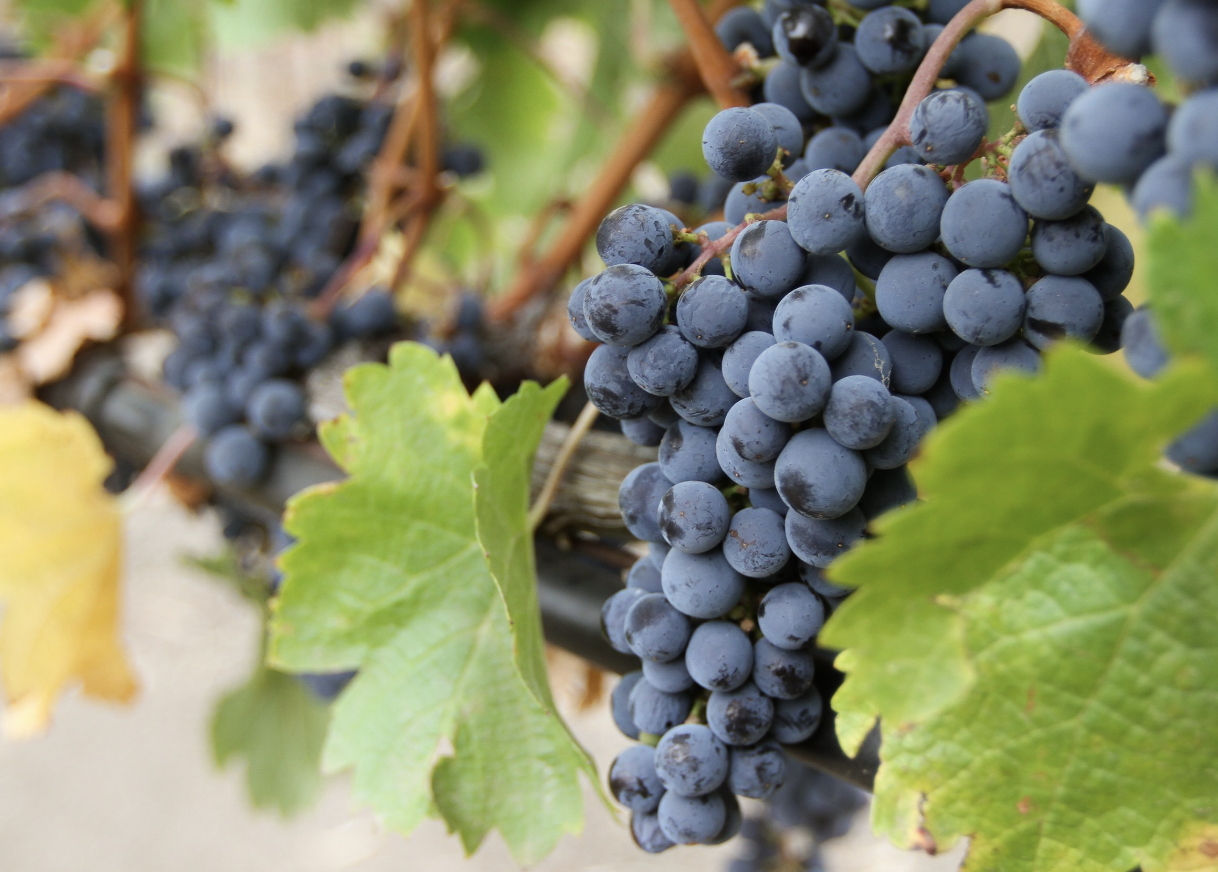
A measurement of phenolic content of grapes describes grape potential. It characterizes grape maturation, block to block variation, and variation between vintages. It is an important part of describing raw material coming into a winery and is often the first indication that a wine lot may have poor color, high or low tannin or unripe seeds. Grape Water Content Clients have best results sampling directly from the vineyard rather than from picking bins. Sampling mechanically harvested fruit from gondolas or sampling direct from a fermenter does not give reliable results. The panel consists of a wine-like extract of the grapes followed by HPLC analysis. The panel is designed for red grapes and the extraction process is intended to mimic red wine fermentation. Reported compounds include total, monomeric and polymeric anthocyanins, tannin, catechin and quercetin glycosides. Two ratios are also reported: the catechin/tannin ratio and polymeric anthocyanins/tannin ratio. Gr
10


The conversations I have about quality tend to focus on red wine. This is especially true in California, where Napa Cabs have historically garnered high prices, followed up by Coastal Pinot noirs and red Rhones. Honestly, in most places I’ve been where the climate allows for ripening red grapes, the reds are the main event with the whites being more of a warm-up act or even an afterthought. As a result, we know a lot about how to grow red grapes for quality – and less about how to grow whites. Consumer tastes are shifting though, and the big reds of yore are taking a back seat. Drinkers want lower alcohol wines with a lighter style and wineries are taking fewer risks with wine they can turn around in under a year. As a result, white varieties are in hot demand. If you’re a grower who can’t sell your grapes, you may very well be considering grafting some of your reds over to white. So how do you grow a good white? In many ways whites are harder than their r
00
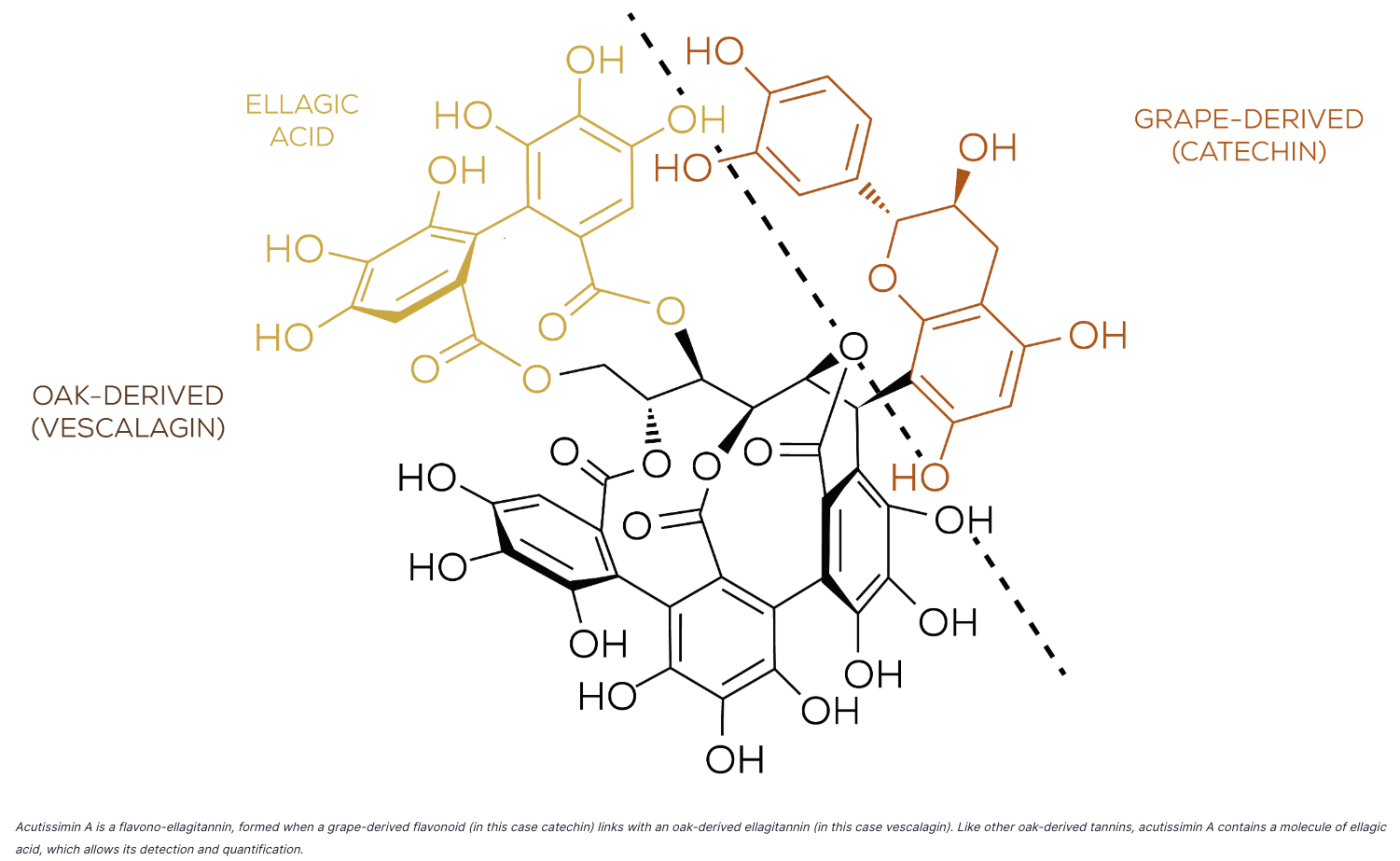
It is widely accepted that oak tannins can have a very significant influence on the tannic structure of wines. Besides their influence on mouthfeel, oak tannins are also antioxidants, and are viewed with renewed interest for their protective effect against wine oxidation. This hasn’t always been the case. Measuring tannins contributed by oak barrels (or barrel alternatives) is a challenging task. Analysis methods have consistently failed to adequately measure these compounds in wines, preventing both researchers and winemakers from fully understanding and assessing their impact. Why Do Oak Tannins Seem to Disappear in Wine? Oak tannins are ellagitannins, relatively complex molecules containing ellagic acid as a main building block. Ellagitannins belong to a class of tannins known as hydrolysable, due to the fact that they easily degrade in acidic aqueous solutions, like wine. Degradation by oxidation is also a cause of their decline in wine. For a long time, it could be ar
00

Pneumatage is a large bubble air/gas mixing process developed by Pulsair Systems in 1986. Similar to a reverse punch-down or in-tank pump-over, it is exclusively designed to pump red wine up into and over the top of buoyant red grape skins during fermentation during in cap mixing session. The process utilizes the sequential injection of large compressed air or gas bubbles released into the bottom of the fermentation tank. The fast, rising air pulses completely separate the grape cap into individual berries to enhanced infusion of phenolics, flavor, aromatics, tannins and color. This gentle mixing process also helps significantly reduce labor costs, reduce energy consumption, reduce sanitation and increase efficiency. To learn more, come see us at booth 336 at the WIN Expo on December 5th. Use our promo code PUL336 for a FREE trade show pass! Register here: https://wineindustryexpo.com/
00
September 9, 2024
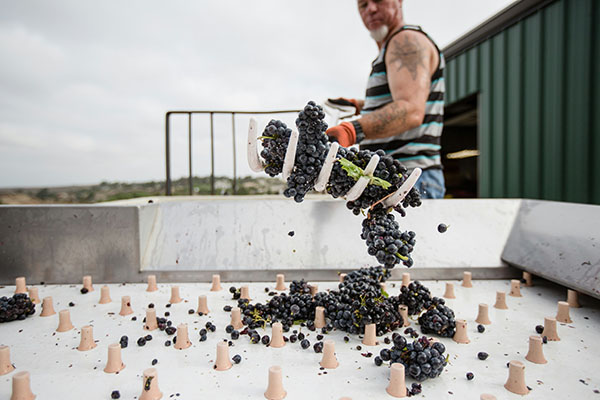
The 2024 wine grape harvest began on time in August, with Napa and Dry Creek Valleys starting in the first week and Livermore's white grape harvest beginning mid-month, two weeks earlier than last year. Other regions have also reported their season starts as the weather shifts from cool to hot, putting vineyard managers in a race against the clock to avoid sunburn damage. “With the California harvest well into picking what seems to be a beautiful harvest year, wineries are deeply into harvest preparation,” notes Eglantine Chauffour, the Director of Enology at Bucher Vaslin North America (B.V.N.A.). “By now, I’ve usually started hearing about specific challenges from our winemaker customers, but there have not been many this year beyond a few cases of sunburn. The harvest looks great, and when the vintage is perfect, as it's looking so far, we recommend a few things to optimize it.” A good time to think about replacing sulfur A successful vintage i
00