
Filter Post Type
NewsVideoProductEventLink
Sort:
Relevance
1–10 of 45

February 10, 2026

After 30 years of moving up and to the right, the American wine industry hit a wall. Not a temporary slowdown or a soft patch. A structural shift that requires a fundamentally different marketing playbook. 2025 was the reality check. 2026 is the year wineries either adapt or watch their customer base age out beneath them. The data is now unambiguous: wine sales dropped approximately 6% in 2024, marking the steepest decline in decades according to SipSource industry data. More troubling than the headline number is what's driving it. This isn't a recession blip or a bad vintage. It's a fundamental realignment of who drinks wine, how they buy it, and what they expect from the brands they choose. Here are the five trends reshaping the US wine market and what they mean for your brand's survival. The Demographic Disruption The wine industry built its growth on one generation: Baby Boomers. That generation is now aging out. The Wine Market Council's 2025 U.S. Consumer Ben
00
After a cool growing season, harvest 2025 was sprinkled with unwelcome weather events, making even ripening merely a dream for many winemakers. As fermentation wraps up, the young wines may still express raw or green tannin character, needing time to mellow and come into harmony. Post-fermentation aging and finishing tannins are an essential tool for taming those unruly characters to achieve balance, structure, and true aromatic expression. These post-fermentation tannins refine green or unripe fruit characteristics, improve mouthfeel, and smooth rough edges, to bring the wine back into harmony. Red Wines: From Green to Graceful If the winery has the cooperage space and time, extended aging is used to refine rough young red wines. Alternatively, aging tannins address gaps in structure or smooth the perception of green fruit, particularly in this cooler vintage. Carefully selected tannins can build mid-palate weight, stabilize color, and add complexity for a wine that will age gracefull
00
October 7, 2025

Your Current Marketing Won't Work for Younger Wine Drinkers The generational shift in wine consumption is happening faster than most wineries are prepared to handle. According to Wine Intelligence's US Wine Consumer Trends 2025 report, millennials will surpass baby boomers as the largest wine-consuming demographic by value this year. Meanwhile, the oldest members of Gen Z (born 1997-2012) are now turning 28 and developing their own distinctive wine preferences. The problem? Most wineries continue marketing as if their primary audience is still over 55. The messaging, channels, and tactics that worked for boomers actively repel younger buyers. Let's examine what actually works when marketing to these crucial demographics. What Younger Wine Consumers Actually Want Millennial Wine Drinkers (Ages 29-44) Millennials approach wine fundamentally differently than their parents: What They Value: Transparency about production methods and ingredients Sustainable and ethical busines
00

May 6, 2025

Let’s be real—every generation shops differently. Boomers? They’re all about the in-store treasure hunt, but Gen Z and Millennials are navigating their purchase journeys with the ease of a swipe. In a world where everything’s one click away, that in-person experience better bring something extraordinary to the table if you want to capture their attention. How Each Generation Shops According to DigiMarCon, you’re leaving money on the table if you focus only on driving sales through the tasting room. Boomers prioritize price and quality, while Gen Z and Millennials want more—think influencer recommendations, charitable connections, and community engagement. It’s not just about the product anymore; it’s about the vibe around it. When it comes to what influences purchasing decisions, each generation has its own quirks. Boomers, ever-practical, still base their choices mostly on price and quality. But our younger friends, Gen Z, and Mille
00


Wineshipping LLC acquired Pack n’ Ship Direct, 24Seven Enterprises & Vin-Go a little over a year ago, creating the nation’s largest direct-to-consumer logistics provider with 2.6 million square feet of temperature-controlled warehouse space throughout the country. The company, which shipped close to 100 million bottles of wine last year, employs roughly 1300 people. Chief Executive Eric Lewis joined Wineshipping just prior to the acquisition after working in direct-to-consumer fulfillment and technology for a decade. He was the first employee in fulfillment for Amazon in California, establishing a presence in Southern California before joining Google. More recently, he was SVP of Operations for Casper, which sells mattresses DTC. He worked in manufacturing with Black and Decker and Ford so has experience with engineering and automation as well. In an interview with Wine Business Monthly, Lewis discussed how the company handled the COVID-19 crisis, managing g
10

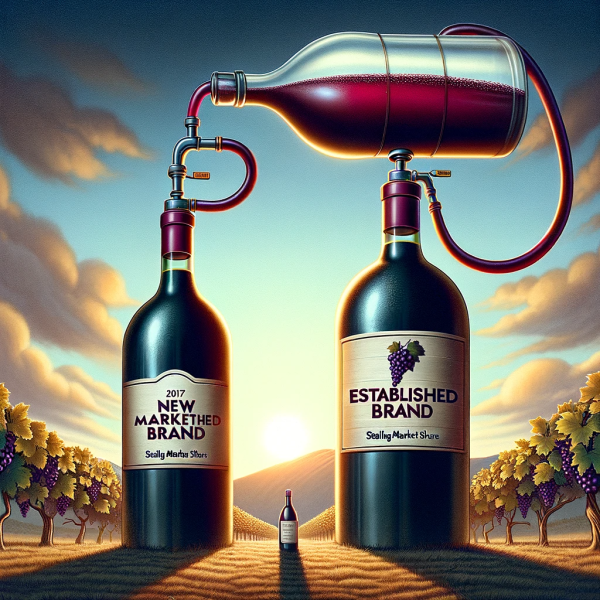
Pulling the lower-the-price lever to gain market share in a highly competitive category such as adult beverages is tempting. But it is not a good idea for all of the following reasons: Erodes profit margins Provides short-term gains at the expense of long-term strategy Reduces ability to invest in innovation Lowers perceived value deterioration Dilutes brand image Puts you in an unsustainable price war Hinders your ability to raise prices later Puts too much pressure on the need to increase the volume So, what should you do instead? We’re so glad you asked! Keep reading. 1) Protect and strengthen your brand equity Brand equity is a brand's value and strength built over time. Preserving brand equity should be your top priority. Every spending decision must be weighed against the potential threat to brand equity. Another way of thinking about brand equity is “pricing power on the shelf.” Here are twelve practical ways to strengthen your brand equity: En
00

January 11, 2024
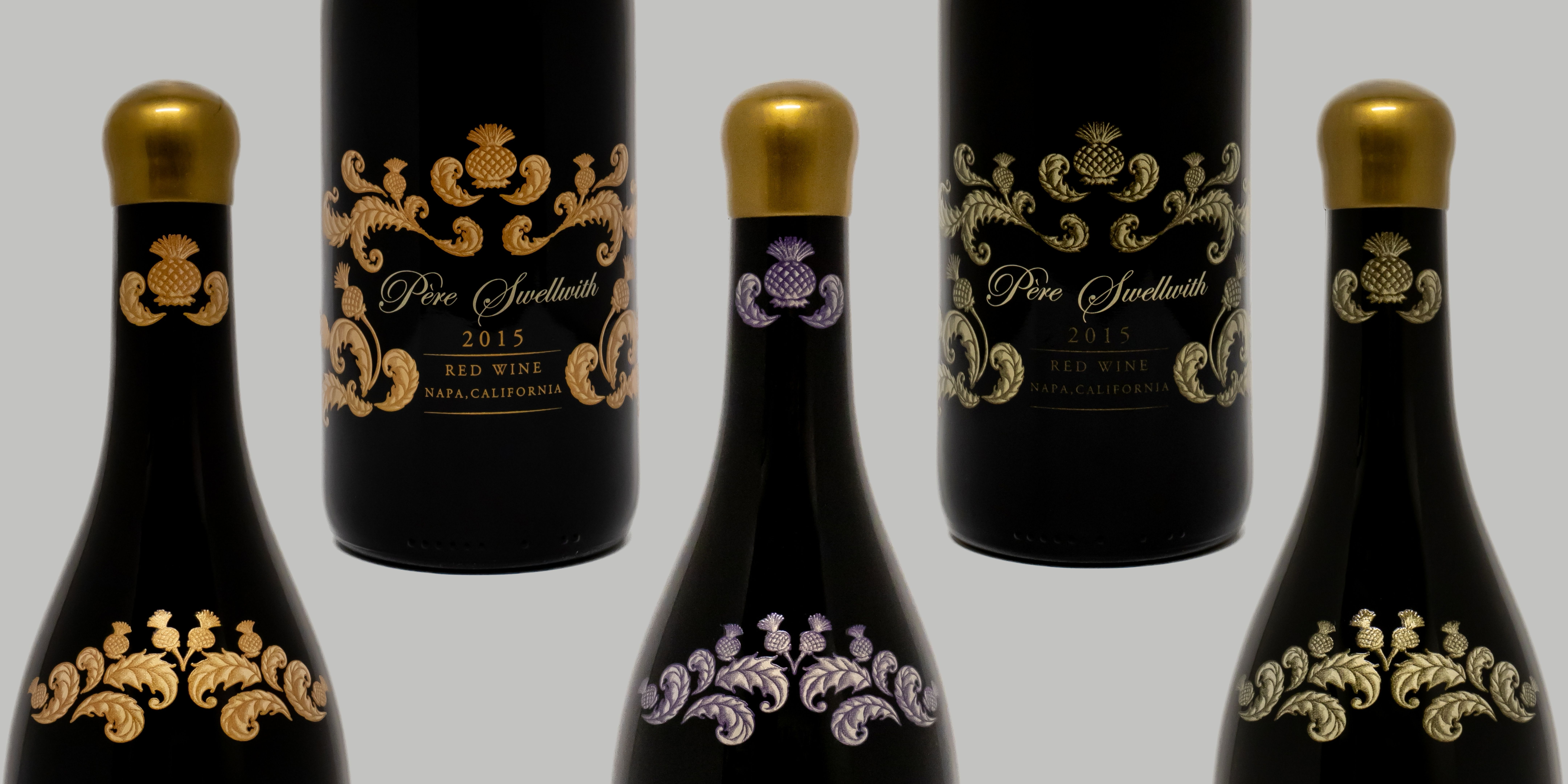
In today's competitive wine market, the packaging of a bottle can make a significant difference when it comes to brand recognition and boosting sales. Screen printed wine labels are a game-changer in this regard. The vibrant and visually appealing designs created through screen printing can instantly help your product stand out among the competition - and capture the attention of buyers. As younger generations are becoming a prominent consumer group in the wine industry, now is the time to elevate your package. Adapting your branding to digitally savvy consumers who appreciate authenticity, creativity, and personalization - should be of outmost importance. SCREEN PRINTING Screen printing offers the flexibility to incorporate these elements into the packaging. Whether it’s visually striking 360° wrap designs, bottle neck and shoulder treatments, multicolor packages or augmented reality experiences on the labels, wine brands can engage younger wine enthusiasts i
00

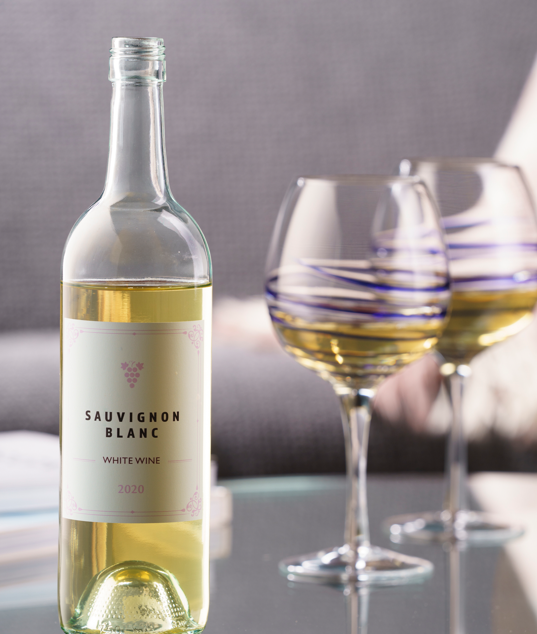
The wine industry is a tight-knit community where new ideas and solutions travel by word of mouth to bring transformation to the industry. And when difficulties arise, such as shifting consumer demographics and rising operational costs, wineries and wine growers lean on each other for support. The response from wineries has led to a focus on premiumization, automation, and building stronger relationships with younger consumers. Climate change has also increased the frequency of conditions like drought, wildfires and untimely frosts, resulting in more dramatic changes from vintage to vintage. Higher pressure from media, government and younger consumers, pushed wineries to reduce their environmental impact, leading to new solar plants, a transition to organic, biodynamic and regenerative agriculture and technology to measure everything from water usage to carbon sequestration. Wineries Foster Localism Wineries are also looking for other ways to increase sustainability, such as buyin
00
July 10, 2023

In today's challenging landscape of rising costs and extreme competitiveness, wineries actively seek strategies to increase their profit margins. They are building their sales and customer bases by leveraging social media marketing, strengthening relationships with wine club members, and improving online accessibility. Simultaneously, wineries are increasing their efficiency by investing in automated machinery and artificial intelligence (AI) to gain efficiency and save time. They also install solar arrays to conserve energy and transition to self-generated gases to reduce costs. Many of these alternatives require capital expenditures (CAPEX). Still, they deliver long-term savings and improve the winery's environmental footprint ― a positive for an environmentally conscious younger demographic. An untapped opportunity for many wineries is how they source the nitrogen winemakers use to battle wine's archenemy ― oxygen. Nitrogen sparging removes suspended oxygen in the juice,
00

June 19, 2023
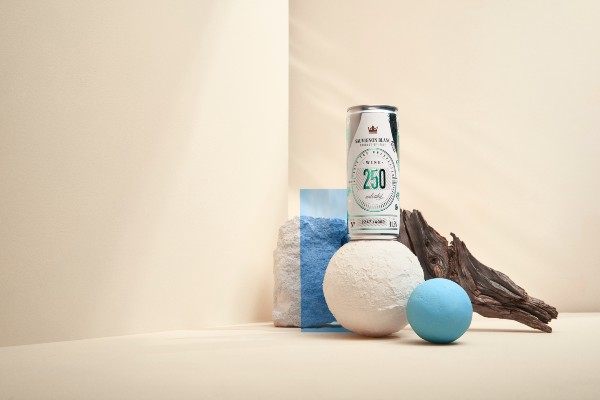
Seismic shifts are rocking wineries’ traditional methods of producing and selling wine. The industry has recognized the vital need to capture the interest of younger consumers to compensate for reduced spending by its older buyer base. Agriculture’s growing acceptance of climate change ― painfully reinforced by increasingly frequent wildfires and droughts ― has led to more sustainable vineyard and winery practices, requiring investments that have sometimes dug deep into budgets. According to Jarod Hernandez, Product Manager for Wine, Spirits, and Beverages at global label materials supplier UPM Raflatac, these shifts also impact wine packaging. “The biggest trends I’m seeing are an increasing commitment to sustainability and the market impact of Millennials and Gen Z,” Hernandez notes, “and these are converging since these consumers may not want to open a 750 ml bottle of wine and leave it open, instead preferring single-use cans or bottles.” A
00