
Filter Post Type
NewsVideoProductEventLink
Sort:
Relevance
1–5 of 5

September 11, 2025
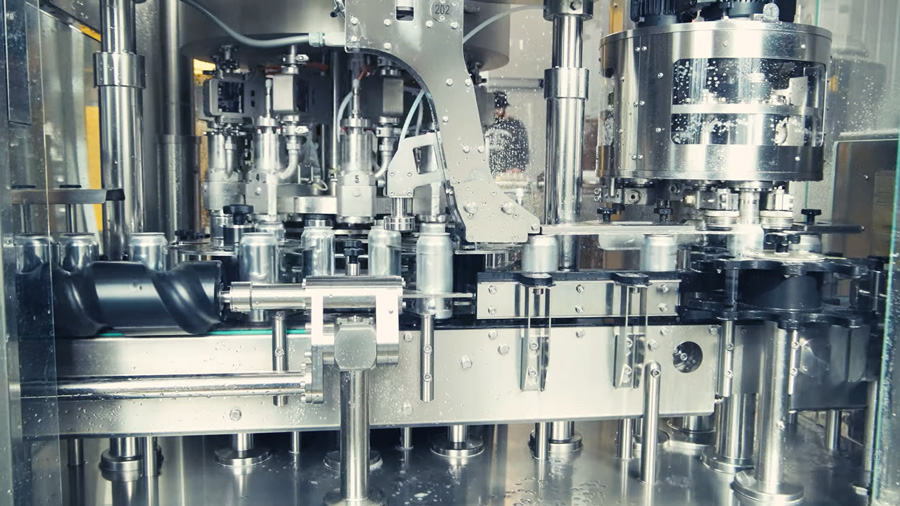
In today’s craft beverage industry, cans have officially claimed the crown. Lightweight, durable, recyclable, and favored by retailers and consumers alike, aluminum cans are now the go-to format for packaging everything from flagship IPAs to water and everything in between. For breweries scaling up from taproom sales or mobile canning services, investing in an in-house canning line can be a game-changing step toward growth, quality control, and brand presence. For energy drinks or water, embracing the aluminum trend can play into sustainability and branding opportunities that connect with audiences across North America. At Prospero Equipment Corp., we’ve spent decades helping beverage manufacturers evolve their production and packaging systems. With premium canning and labeling solutions from our trusted partners like GAI and Makro, we support craft producers in building packaging lines that perform today and evolve for tomorrow. Here’s what to consider as you plan y
00

May 7, 2024
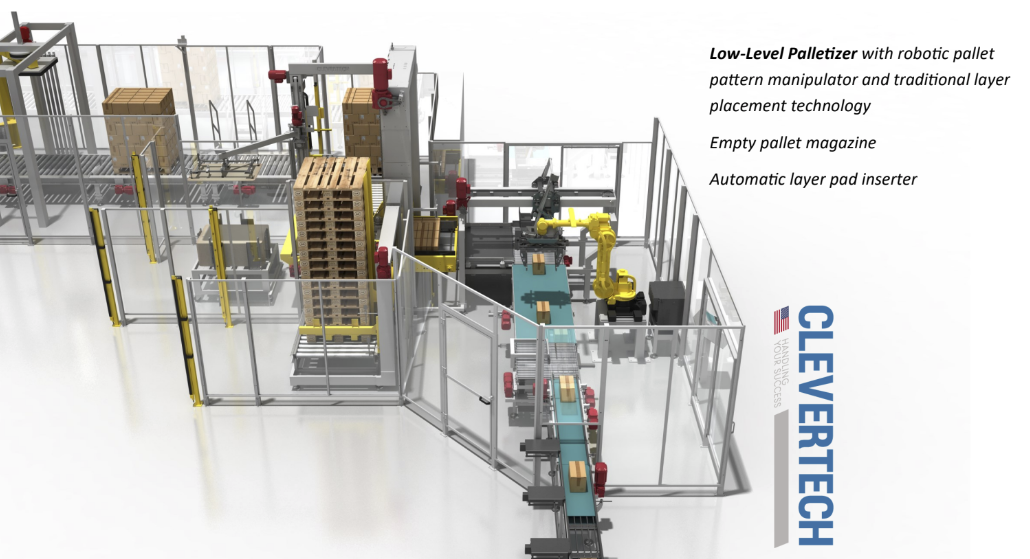
One of the details that must be addressed when selecting a palletizer is whether a low-level (ground-level) or high-level (built on an overhead platform) system is best suited for the application. Machine Specifications Shown below are machine specifications that must be determined when deciding whether a low or high-level palletizer is best for your application : 1). Production Requirements: Specifying the products that will be palletized on the machine today, while also accommodating what will need to be palletized far in the future, is an important first step in the process. Such things as the range of: • Product dimensions • Product weights • Package designs • Materials to be handled • Pallet heights That the palletizer will be handling, manipulating, forming into layers, and placing onto a pallet (or no pallet for unitized loads) will need to be specified. 2). Speed of Operation: The range of speeds that the palletizer will need to achieve to meet pro
00

Purchasing packaging equipment is a decision that will impact a winery’s operations for the next 10 to 20 years — the life expectancy of most packaging machinery. In the 1990s, empty bottles arrived at wineries in cases for manual unloading and placement on the filling line. Converting to bulk bottles and depalletizing machinery increased automation levels and reduced costs throughout the industry. Beth Zarnick‑Duffy Area Sales Manager / Clevertech North America, Inc. “A big reason wineries changed from manual to automated depalletizing of bottles was to increase production efficiency while improving worker safety and reducing labor costs,” explains Beth Zarnick-Duffy, who worked on many of these conversions. “Wineries continued to automate because finding and retaining qualified workers became even more difficult in the past few years. Companies also began factoring COVID-19’s negative impacts on the workplace into their decisions about w
00

April 21, 2020
Posted by Laura Ness of Spirited Magazine | Mar 31, 2020 | Packaging, Equipment, Wine, Production
You have to be just slightly natters to engage in a livelihood that can literally blow up on you—and yet, the sisterhood (and brotherhood) of bubbles runs deep. That’s probably why it’s considered the ne plus ultra of winemaking.
There are many ways to sparkle a beverage, but méthode Champenoise is considered the highest form of sparkling art. It’s a process that’s been painstakingly perfected, by hand, over the centuries. It requires two entirely separate fermentations, the second of which occurs in the bottle, which is where the magic happens. Says Todd Graff, winemaker and general manager at Frank Family Vineyards in Napa Valley, “The secondary fermentation in the bottle is the trickiest part, because however many bottles you’re making, each is an individual fermentation.”
Méthode Champenoise is time consuming, filled with repetitive tedium, complicated (often by many months o
00
May 22, 2023
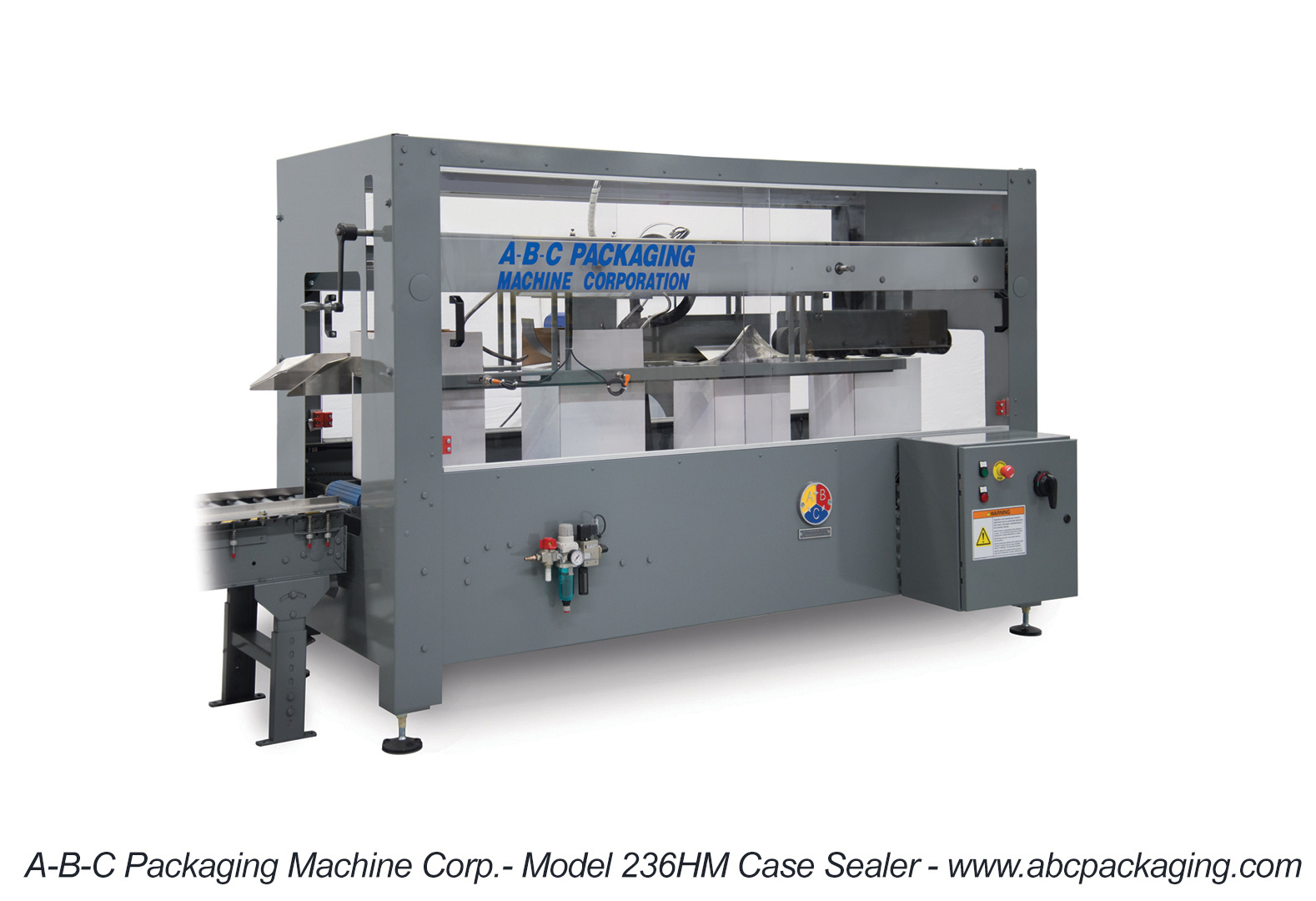
A-B-C's case sealer is designed to deliver value and performance to 15-25 cpm lines. “Responding to customer requests, we designed this case sealer to bring A-B-C’s high end performance to midrange packaging lines at a price point that makes it easy to justify,” said Bryan Sinicrope, VP, sales & marketing at A-B-C. Inside its solid frame (8’ long), this case sealer incorporates A-B-C’s proven features to ensure reliable, long-term production. The metering roller feed accepts cases back-to-back or spaced and automatically aligns with changing line speeds. The powered minor flap tucker ensures positive inner flap closing and the outer flaps are closed by contoured flap folders that fold the flaps squarely even when running cases with poor or undefined scores. Installation is simplified using the adjustable footpads (+/= 2”) to align to conveyor height and changeover can be completed in minutes with only 3 simple adjustments. The sealer&rsq
00