
Filter Post Type
NewsVideoProductEventLink
Sort:
Relevance
1–7 of 7

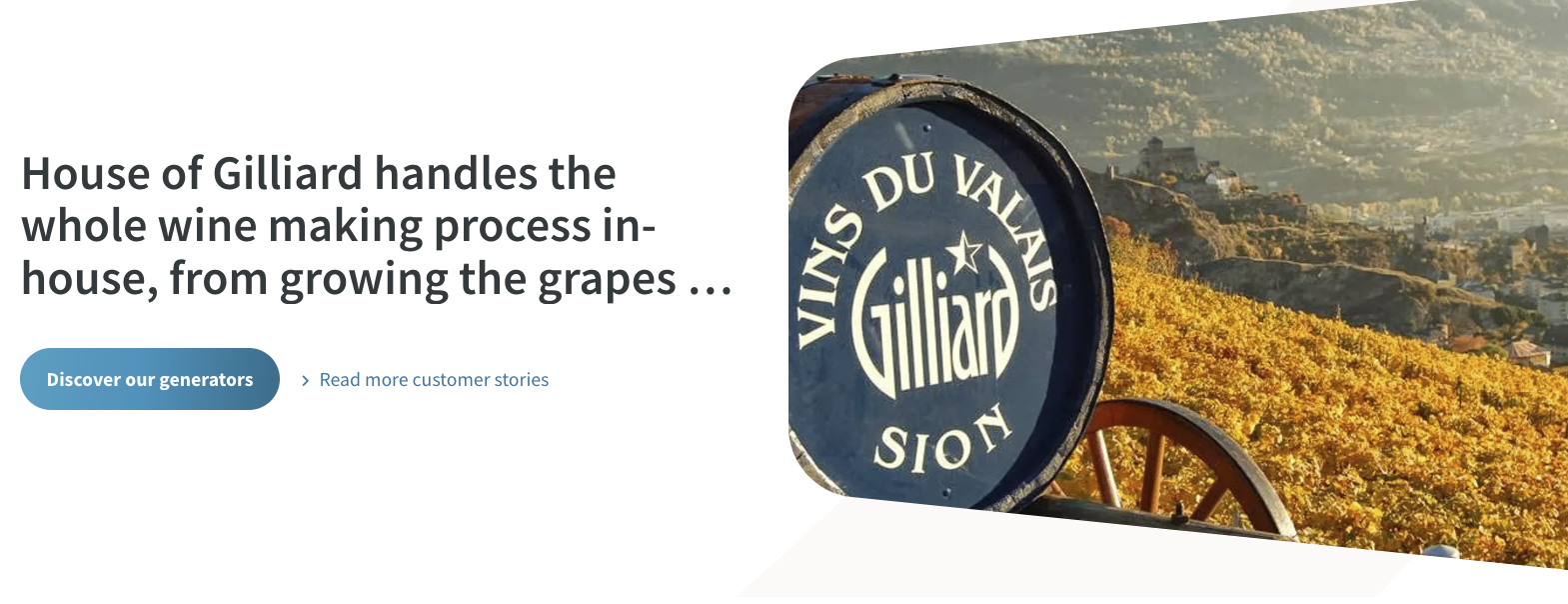
House of Gilliard The tradition of the House of Gilliard in Switzerland goes back to the 19th Century, with the today famous Dôle des Monts wine. The winery handles the whole wine making process in-house, from growing the grapes to bottling. Achieving wine of the highest quality requires a command of the whole production process. Gilliard’s wine masters rely on Atlas Copco to help them with this task. The House of Gilliard has equipped its production site with two Variable Speed Drive (VSD) compressors and a nitrogen generator. Thanks to this installation, the wine house has on-site nitrogen and does no longer need to purchase nitrogen in cylinders. The advantages are obvious: the Gilliard house saves time, money and energy thanks to its on-site nitrogen. Nitrogen, the hidden ingredient Cultivating grapes, harvesting and wine making: the delicate process of producing wine always ends in bottling, which requires compressed air and nitrogen. The compressed air powers vario
00

March 21, 2025
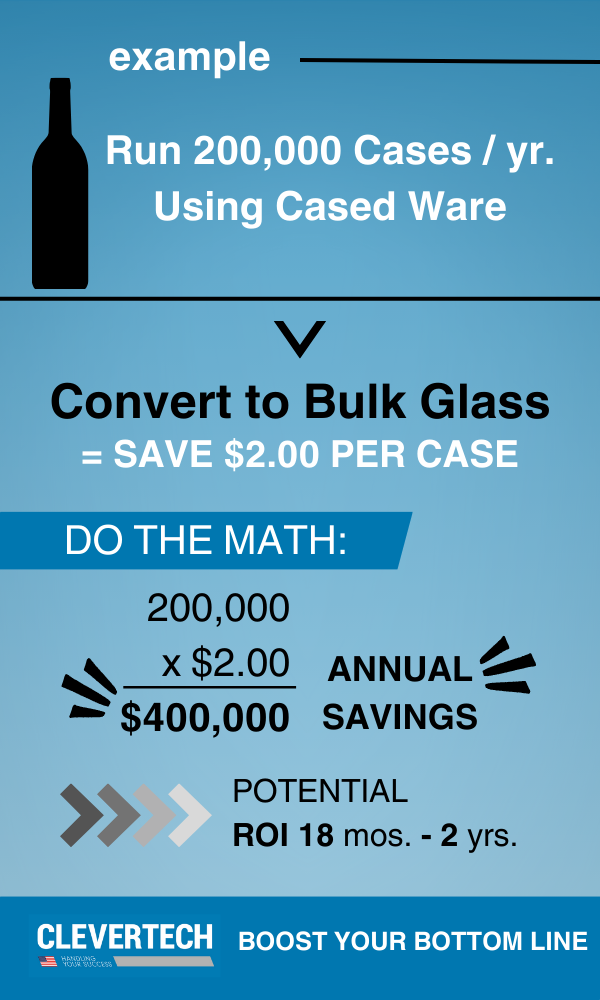
Traditionally, the cost of purchasing a bulk glass depalletizer for bottling has been out of reach for many wineries. However, current market pressures bring bulk glass into reach for many wineries as the industry grapples with rising costs. In addition, fuel, labor and corrugated packaging costs have escalated, making cased glass increasingly expensive. According to data from the U.S. Bureau of Labor Statistics, glass prices have escalated 44% over the past decade and have risen steadily at an average annual rate of 6% since 2020. These expanding costs have transformed what was once a 5 to 6-year ROI for the bulk conversion into an 18-month to 3-year ROI. Given today’s economic challenges, it may be time for producers to reevaluate their math. Market Pressures Amplify the Case for Bulk Glass Transitioning from cased glass to bulk glass is not only cost-effective but also offers long-term benefits in efficiency, sustainability and competitiveness. “The numbers have cha
00

Purchasing packaging equipment is a decision that will impact a winery’s operations for the next 10 to 20 years — the life expectancy of most packaging machinery. In the 1990s, empty bottles arrived at wineries in cases for manual unloading and placement on the filling line. Converting to bulk bottles and depalletizing machinery increased automation levels and reduced costs throughout the industry. Beth Zarnick‑Duffy Area Sales Manager / Clevertech North America, Inc. “A big reason wineries changed from manual to automated depalletizing of bottles was to increase production efficiency while improving worker safety and reducing labor costs,” explains Beth Zarnick-Duffy, who worked on many of these conversions. “Wineries continued to automate because finding and retaining qualified workers became even more difficult in the past few years. Companies also began factoring COVID-19’s negative impacts on the workplace into their decisions about w
00

April 21, 2020
Posted by Laura Ness of Spirited Magazine | Mar 31, 2020 | Packaging, Equipment, Wine, Production
You have to be just slightly natters to engage in a livelihood that can literally blow up on you—and yet, the sisterhood (and brotherhood) of bubbles runs deep. That’s probably why it’s considered the ne plus ultra of winemaking.
There are many ways to sparkle a beverage, but méthode Champenoise is considered the highest form of sparkling art. It’s a process that’s been painstakingly perfected, by hand, over the centuries. It requires two entirely separate fermentations, the second of which occurs in the bottle, which is where the magic happens. Says Todd Graff, winemaker and general manager at Frank Family Vineyards in Napa Valley, “The secondary fermentation in the bottle is the trickiest part, because however many bottles you’re making, each is an individual fermentation.”
Méthode Champenoise is time consuming, filled with repetitive tedium, complicated (often by many months o
00

Sweep style depalletizer runs reverse taper wine bottles, with proprietary features to ensure top bottle stability. With smooth electric operation and soft start, soft stop layer control, this depalletizer will maximize your line productivity. Run a wide range of specialty wine bottles- on the same machine, with no tools changeover.
10
March 28, 2023
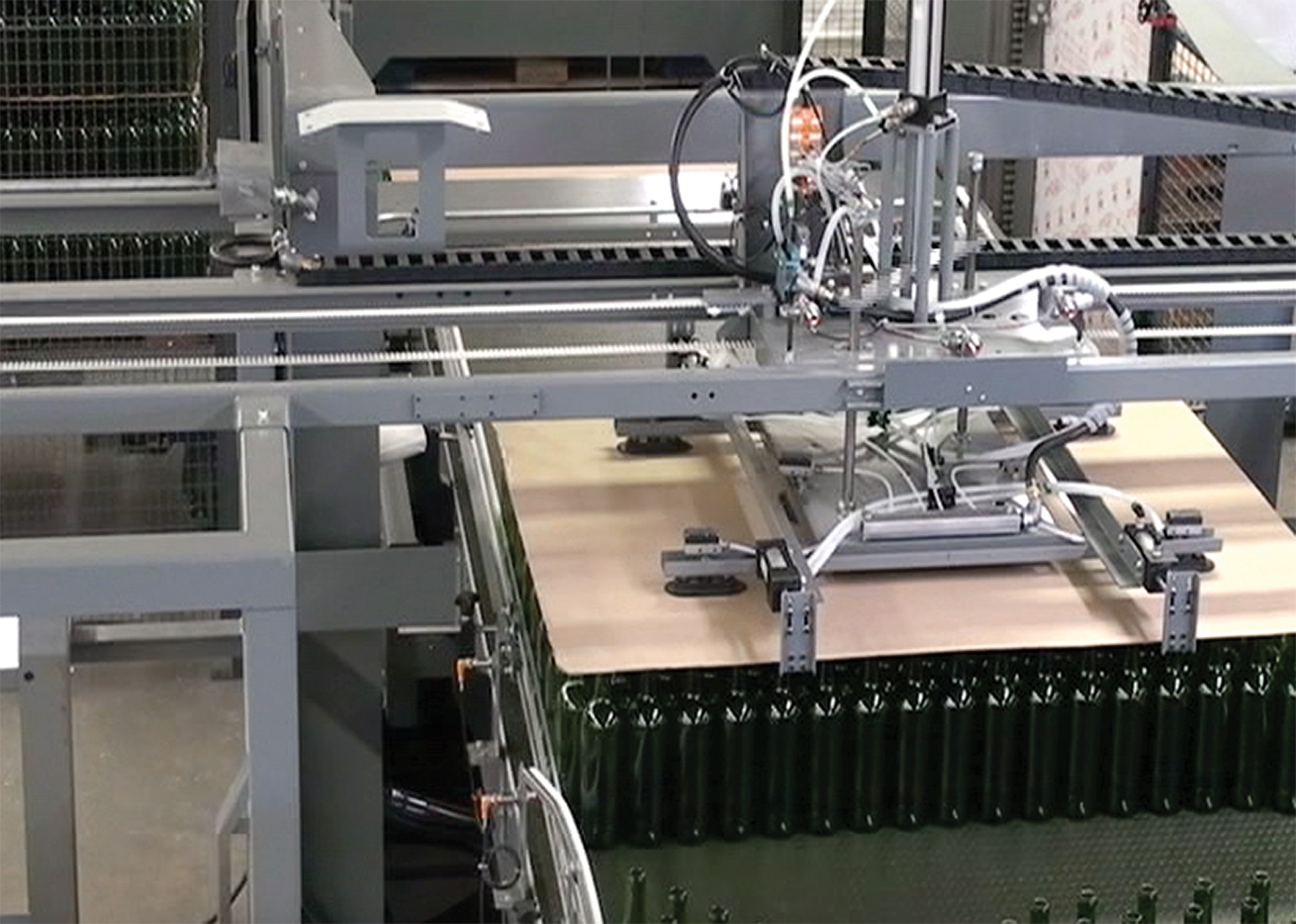
Reverse taper bottles can present a depalletizing challenge because their smaller base configuration causes instability during transfer. A-B-C's Model 108RT, depalletizer with proprietary features maintain bottle stability for reverse taper bottles during high speed transfer from the pallet and throughout single filing. These features include devices that square and secure the top pallet layer and also the secondary layer prior to container transfer, and maintain the slipsheet firmly as the top layer is swept from the pallet to the loading table. In addition, each product load is kept under control on all four sides from the pallet throughout the depalletizing process, to contain the bottles in a tight pack, which enhances stability. Bottles are single filed with a conveyor designed to gently “pull” them from the pack and guide them to the line conveyor. Picture frames and slipsheets are automatically removed, separated and stacked. The depalletizer’s compac
00
November 14, 2022
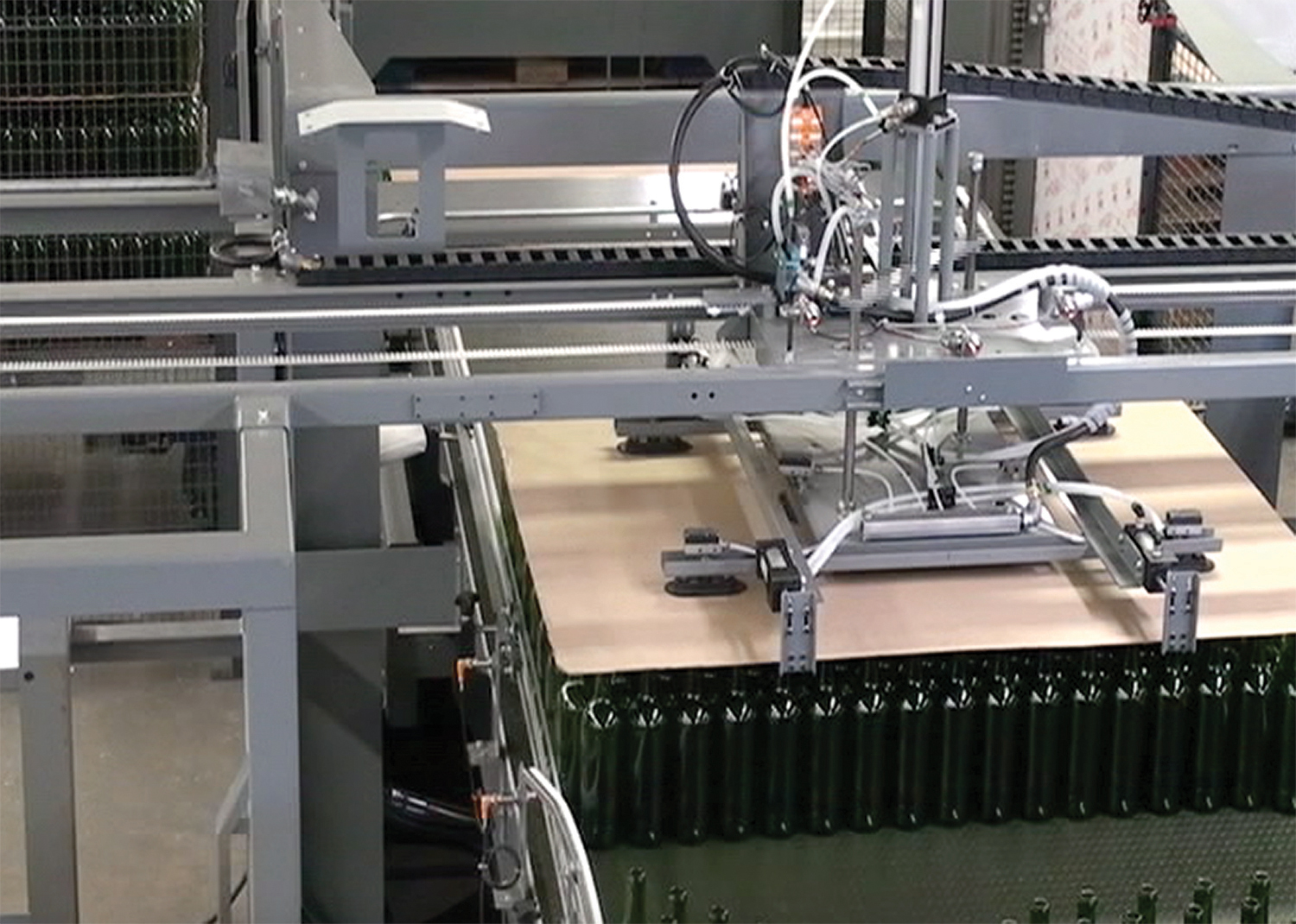
Reverse taper bottles can present a depalletizing challenge because their smaller base configuration causes instability during transfer. A-B-C's Model 108RT, depalletizer with proprietary features maintain bottle stability for reverse taper bottles during high speed transfer from the pallet and throughout single filing. These features include devices that square and secure the top pallet layer and also the secondary layer prior to container transfer, and maintain the slipsheet firmly as the top layer is swept from the pallet to the loading table. In addition, each product load is kept under control on all four sides from the pallet throughout the depalletizing process, to contain the bottles in a tight pack, which enhances stability. Bottles are single filed with a conveyor designed to gently “pull” them from the pack and guide them to the line conveyor. Picture frames and slipsheets are automatically removed, separated and stacked. The depalletizer’s compact desi
00