
Filter Post Type
NewsVideoProductEventLink
Sort:
Relevance
1–10 of 12

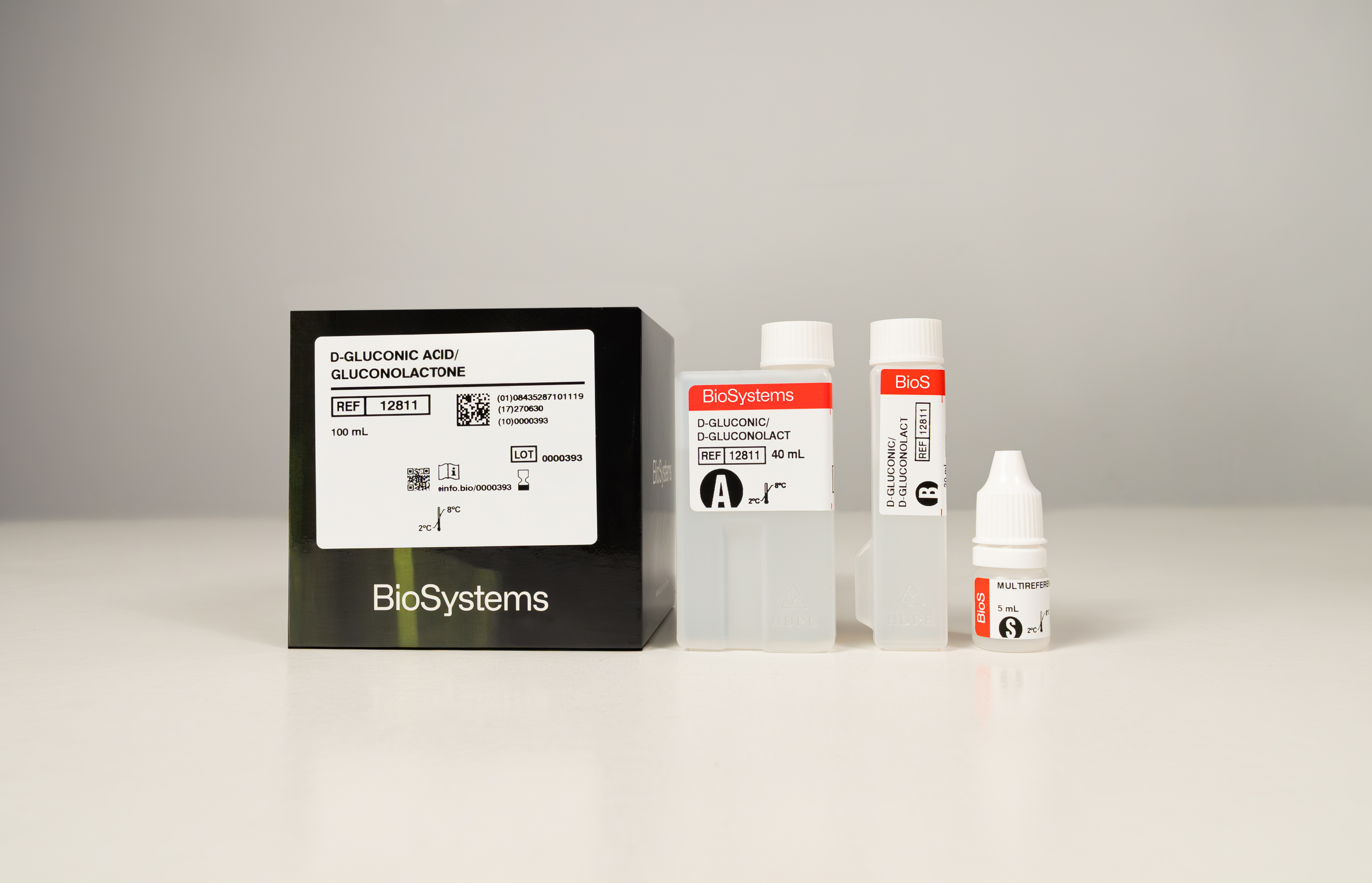
Has it been raining in your vineyards recently? In many wine growing areas, conditions are changing and testing for gluconic acid is crucial during wet harvests. We have the solution for testing! Gluconic acid is a naturally occurring organic acid found in grapes. Its levels can fluctuate due to numerous factors, including grape maturity and disease pressure. When gluconic acid levels become excessively high, it can have negative effects on wine quality and taste. Reasoning: Quality Assessment: Monitoring gluconic acid levels is essential for assessing grape quality. Elevated levels can indicate the presence of undesirable microorganisms or spoilage, potentially affecting the wine's overall acidity and flavor. Excessive gluconic acid can dilute the flavors of the wine, making it taste less concentrated and less flavorful. This can result in a wine that lacks depth and complexity. Elevated levels of gluconic acid can sometimes indicate the presence of certai
00
October 20, 2023

When the grapes are plump and ripe, but the skies are overcast and rain threatens the vineyards, winemakers face a unique set of challenges. Wet harvests can be both a blessing and a curse, and the key to success lies in meticulous testing and analysis in the winery laboratory. In this article, we will explore the process and reasoning behind why testing for gluconic acid becomes crucial during wet harvests. Gluconic acid is a naturally occurring organic acid found in grapes. Its levels can fluctuate due to numerous factors, including grape maturity and disease pressure. When gluconic acid levels become excessively high, it can have negative effects on wine quality and taste. Reasoning: Quality Assessment: Monitoring gluconic acid levels is essential for assessing grape quality. Elevated levels can indicate the presence of undesirable microorganisms or spoilage, potentially affecting the wine's overall acidity and flavor. Excessive glucon
00

March 11, 2026
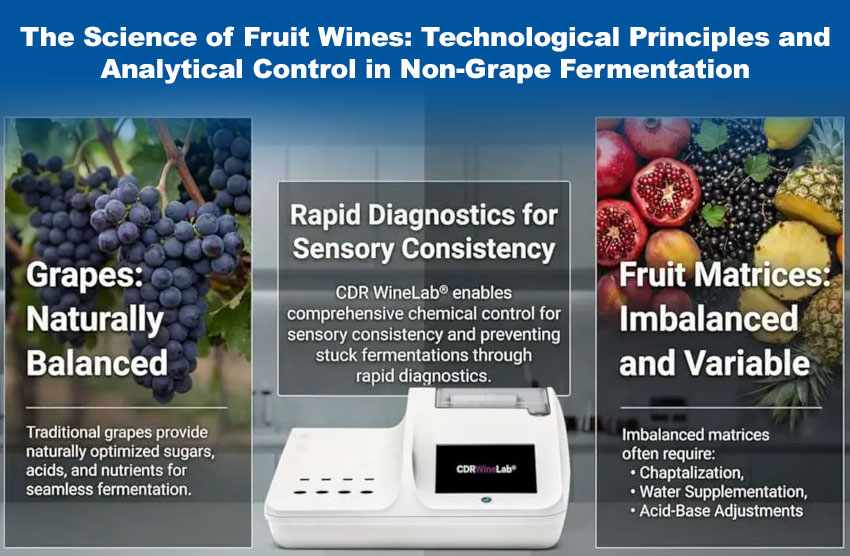
** CDR WineLab In-Stock - Immediate shipping available ** The Science of Fruit Wines: Technological Principles and Analytical Control in Non-Grape Fermentation Defining Fruit Wines: Chemical and Technological Distinctions In modern oenology, fruit wine production has transcended its origins as a rural craft to become a highly specialized sector of food science. The transition from artisanal production to a global industrial category relies on a deep-seated understanding of the unique chemical matrices presented by non-grape fruits. Unlike viticulture, where the raw material is often naturally optimized for fermentation, alternative fruit substrates—such as pomegranate, fig, and various berry species—exhibit diverse polyphenolic profiles and acid concentrations that demand precise technological interventions to ensure product stability and commercial viability. Fruit wines are characterized as non-distilled alcoholic beverages, typically containing 5% to 13% alcohol
00

CDR WineLab Overview Video (3 minutes) ** CDR WineLab In-Stock ** Immediate shipping available CUSTOMER SUCCESS STORY “The CDR WineLab Junior has expanded our winery’s in-house analysis capabilities. It is an excellent option for copper analysis and a tool we use constantly for wine bottling preparation and quality control. The equipment is easy to use, easy to maintain, and easy to replenish consumables due to the constant communication and support that Gusmer provides its customers." Victoria Mayer – J. Lohr Winery Lab Supervisor Paso Robles, CA CDR ANALYSIS ON WINE AND MUST • Alcohol by Volume • Acetic acid (volatile acidity) • Fermentable Sugars • Total Acidity • L-Lactic Acid • L-Malic Acid • Free sulfur dioxide • Total sulfur dioxide • Yeast Assimilable Nitrogen (YAN) • Galacturonic Ac
00
September 17, 2024

Has it been raining in your vineyards recently? Testing for gluconic acid is crucial during wet harvests. Gluconic acid is a naturally occurring organic acid found in grapes. Its levels can fluctuate due to numerous factors, including grape maturity and disease pressure. When gluconic acid levels become excessively high, it can have negative effects on wine quality and taste. Reasoning: Quality Assessment: Monitoring gluconic acid levels is essential for assessing grape quality. Elevated levels can indicate the presence of undesirable microorganisms or spoilage, potentially affecting the wine's overall acidity and flavor. Excessive gluconic acid can dilute the flavors of the wine, making it taste less concentrated and less flavorful. This can result in a wine that lacks depth and complexity. Elevated levels of gluconic acid can sometimes indicate the presence of certain undesirable microorganisms, such as acetobacter. These bact
00

CUSTOMER SUCCESS STORY “The CDR WineLab Junior has expanded our winery’s in-house analysis capabilities. It is an excellent option for copper analysis and a tool we use constantly for wine bottling preparation and quality control. The equipment is easy to use, easy to maintain, and easy to replenish consumables due to the constant communication and support that Gusmer provides its customers." Victoria Mayer – J. Lohr Winery Lab Supervisor Paso Robles, CA CDR ANALYSIS ON WINE AND MUST • Alcohol by Volume • Acetic acid (volatile acidity) • Fermentable Sugars • Total Acidity • L-Lactic Acid • L-Malic Acid • Free sulfur dioxide • Total sulfur dioxide • Yeast Assimilable Nitrogen (YAN) • Galacturonic Acid • Calcium • C
00

Admeo is your one stop shop for supply of enzymatic and chemical reagents, standards and controls that will lead you through harvest and beyond. Time for YAN analysis and don’t forget Phenolic testing is available for you as well. When it’s time, use our Free Sulfite and Acetic Acid tests to monitor your cellar's aging progression. Please see our complete offerings for tests at Admeo.us. Most harvest analytes are now available in Spica presentation! We are adding seven more kits to Spica presentation from mid-June onwards. 23800 Glucose / Fructose, reagent kit 216ml SPICA/Y200/Y400 23803 L-Malic Acid, reagent kit 225ml SPICA/Y200/Y400 23930 Acetic Acid, (LIQUID) 225ml SPICA/Y200/Y400 21802 L-Lactic Acid 150ml SPICA/Y200/Y400 21806 Total Sulfite 225ml SPICA/Y200/Y400 21807 Primary Amino Nitrogen 150ml SPICA/Y200/Y400 21809 Ammonia 150ml SPICA/Y200/Y400 21811 Gluconic 150ml SPICA/Y200/Y400 21813 Free Sulfite 250ml SPIC
00

CONVENIENT | RELIABLE | ECONOMICAL The WineLab is a robust, maintenance free LED photometric analyzer that can provide key analytical lab data in minutes. Reagents and cuvettes are bundled together in validated test kits, which streamlines the chemistry - you only need to use a pipette! Step by step instructions and results are shown on the screen, eliminating the need for conversions and calculations. The data can then be exported to USB in XML format for integration into most databases. CDR ANALYSIS ON WINE AND MUST • Alcohol by Volume • Acetic acid (volatile acidity) • Fermentable Sugars • Total Acidity • L-Lactic Acid • L-Malic Acid • Free sulfur dioxide • Total sulfur dioxide • Yeast Assimilable Nitrogen (YAN) • Galacturonic Acid &
00

CONVENIENT | RELIABLE | ECONOMICAL The WineLab is a robust, maintenance free LED photometric analyzer that can provide key analytical lab data in minutes. Reagents and cuvettes are bundled together in validated test kits, which streamlines the chemistry - you only need to use a pipette! Step by step instructions and results are shown on the screen, eliminating the need for conversions and calculations. The data can then be exported to USB in XML format for integration into most databases. CDR ANALYSIS ON WINE AND MUST • Alcohol by Volume • Acetic acid (volatile acidity) • Fermentable Sugars • Total Acidity • L-Lactic Acid • L-Malic Acid • Free sulfur dioxide • Total sulfur dioxide • Yeast Assimilable Nitrogen (YAN) • Galacturonic Acid • Calcium • Copper • Catechins • Gluconic Acid • A
00
June 13, 2022

Automation in the winemaking lab has become a mainstay in our busy times. Big wineries have teams of enologists and banks of automated measurement tools, while small wineries often send testing out to labs that employ these same devices. Winemakers doing the lab work themselves and those utilizing external lab services often don’t realize how beneficial it can be to have an automated lab testing device in-house. The primary benefit is the consistency of the testing procedure, which lets winemakers make decisions with the confidence that each test was conducted precisely the same way across vintages, technicians and locations. “Quality control is essential in the wine lab,” says Calvin Watkins, a product manager at Gusmer Enterprises, a winery supplier and manufacturer. “Traditionally, chemicals can vary depending on who is doing the test. Human error can create inconsistency from test to test, introducing imprecision into the winemaking process and impacting t
00