
Filter Post Type
NewsVideoProductEventLink
Sort:
Relevance
1–2 of 2

September 6, 2024
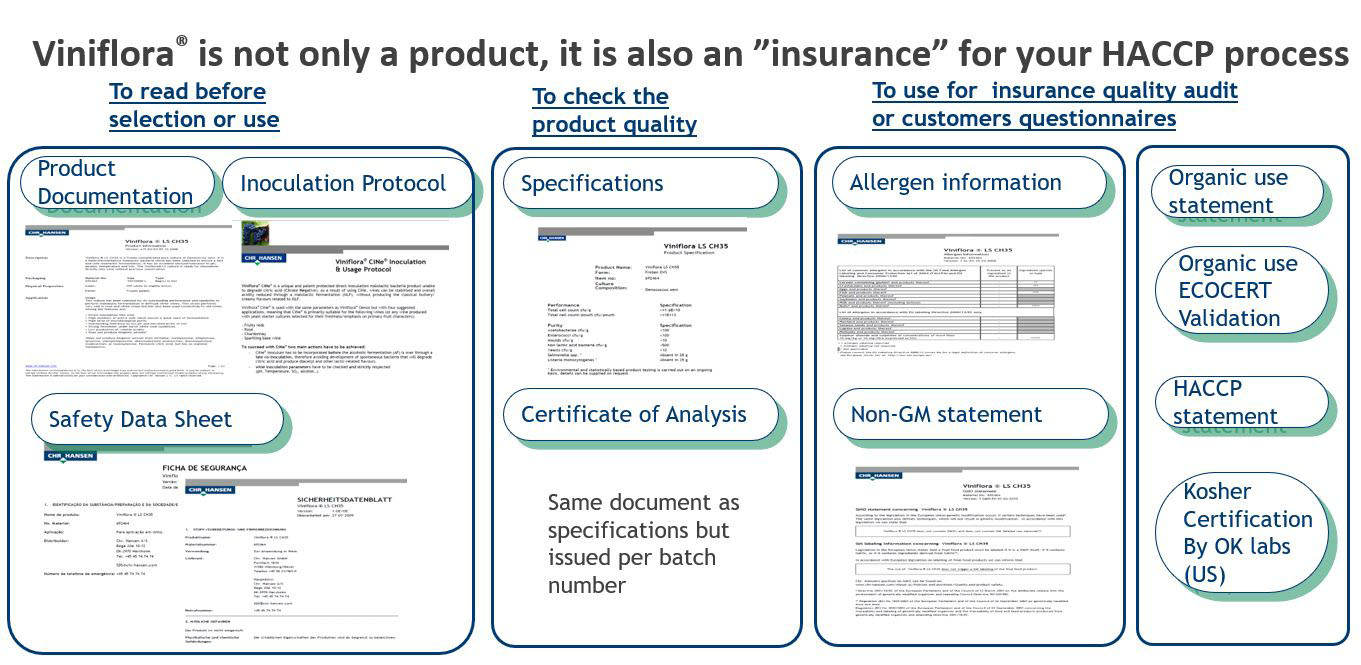
Spontaneous malolactic fermentation can be risky business for winemakers as it offers very little control over the microflora in wine. Some concerns include: Variable speed of MLF VA production Biogenic amines (e.g. histamine) Risk of MLF in the bottle (CO2!!) Opportunity for spoilage microbes like...
Read More00
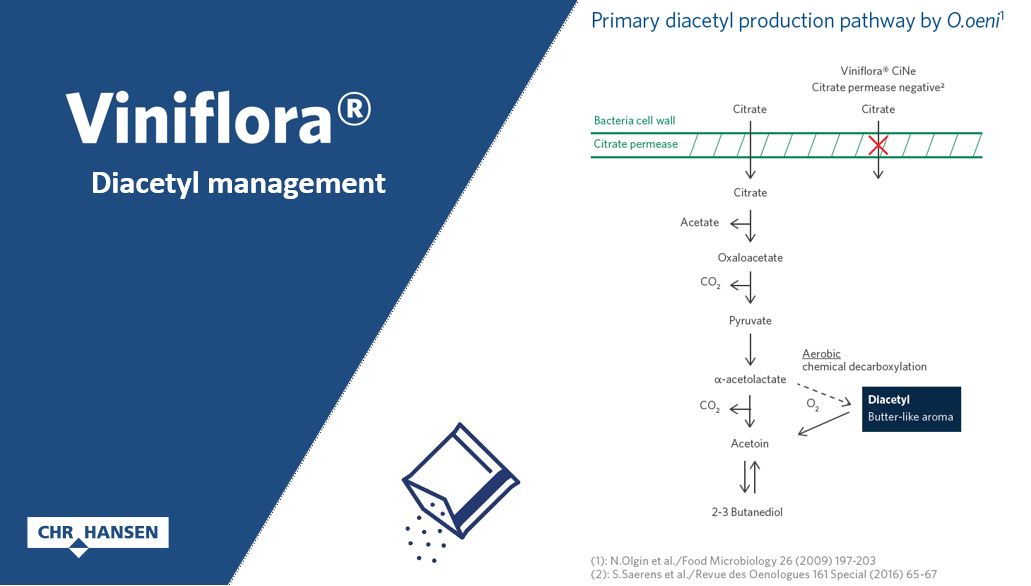
During malolactic fermentation (MLF), Oenococcus oeni, the primary bacteria involved in this process preferentially consumes malic acid. However, as malic acid becomes depleted towards the end of MLF, the cells start consuming citric acid, leading to the production of diacetyl. Interestingly, once...
Read More00