
Filter Post Type
NewsVideoProductEventLink
Sort:
Relevance
1–4 of 4

Today we invite you to visit our website and take a closer look at the offerings from Gravity Analytical Laboratories (GAL). We are happy to have launched a new section of our site devoted to GAL and all that we do in the lab, including individual analysis and analysis panels. Gravity Analytical Laboratories (GAL) At GAL, we are inspired by the innovative technology available to the field of enology and its ability to inform the winemaking process. You may have read informative blog posts authored by our GAL chemists or watched one of our recent videos filmed within the lab. We are so excited to share with you all that is possible on your winemaking journey with Gravity. Be sure to bookmark gravitywinehouse.com/analytical-laboratories as we will be adding more offerings to this page over time!
00
Winemaking is driven by a rich microbial ecosystem. Saccharomyces cerevisiae is responsible for converting the sugars in grape juice into alcohol during primary fermentation. Oenococcus oeni carries out the malolactic fermentation that is responsible for transforming crisp, acidic malic acid into softer lactic acid and improving microbial stability. However, other microbes can produce undesirable, volatile compounds that spoil wine with off-odors and flavors. Luckily, the yeast and bacteria responsible for spoilage can be easily managed if caught early in production. Brettanomyces, Lactobacillus, and Pediococcus are the common culprits of microbial spoilage. Here at Gravity Analytical Laboratories, we use a polymerase chain reaction, or “PCR,” to check for the presence of all three microbes. PCR is a molecular biology tool that allows us to assess the presence of these microbes by screening for their DNA in a juice or wine sample. We can detect these mic
00
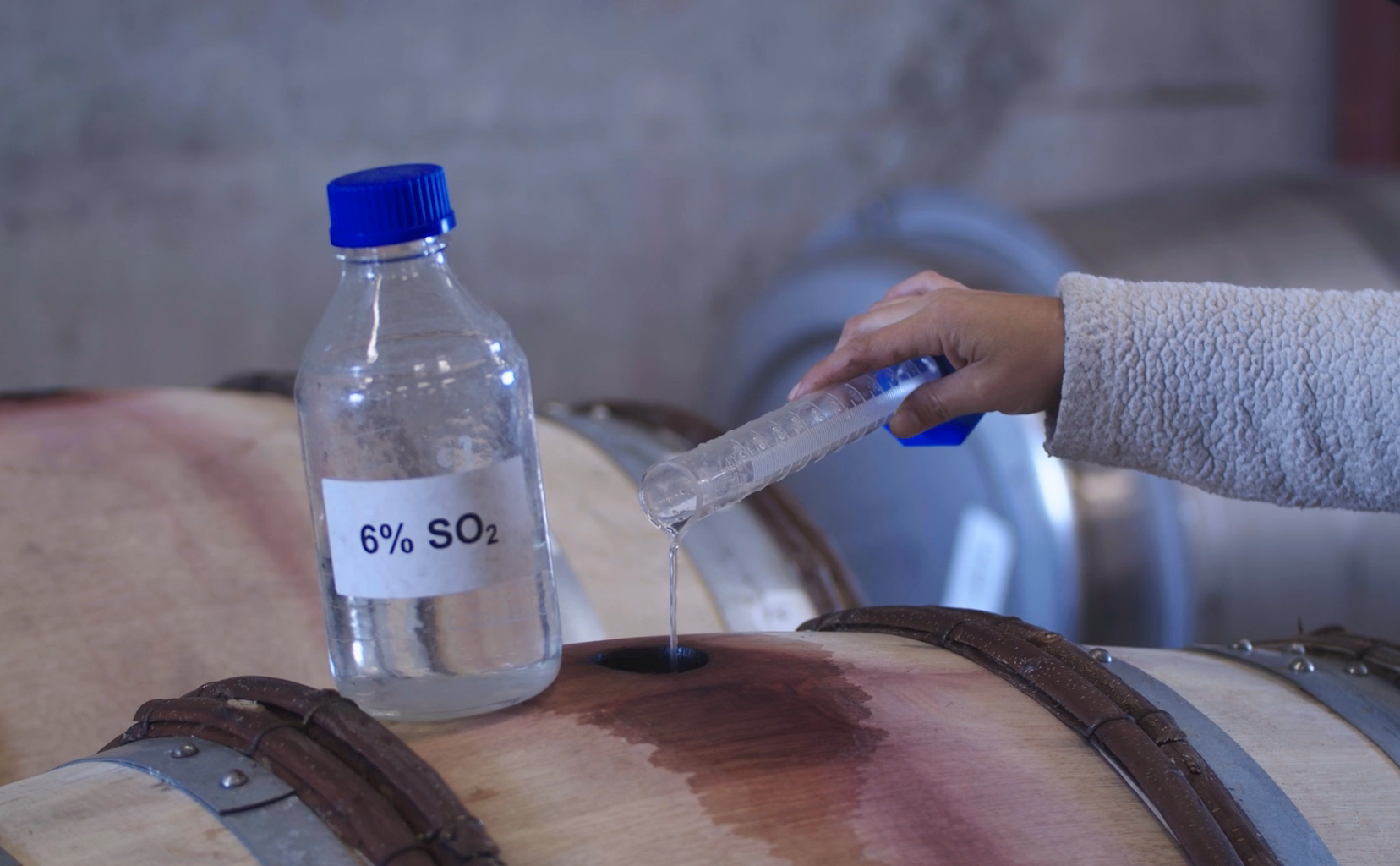
Are Sulfites in Wine Bad for Your Health? With the ominous contains sulfites label that accompanies most wine bottles, consumers have grown wary of sulfur in wine. Despite the recent push for natural and sulfite-free wine, these titles create havoc for winemakers who do not use these descriptors. What most don’t realize is that sulfur is a byproduct of fermentation. Thus, sulfur not only plays a role in maintaining the freshness and flavor of wine, but its presence is a natural part of the winemaking process. The Use of Additives in Wine Throughout the Years While natural wine has become a trendy concept, the product itself isn’t new; wine labels that tout their product as natural merely are referring to the traditional methodology of making wine from unaltered grape juice with no additives, which stands in contrast to other wines found on your local supermarket shelf. Some use many of the 62 government approved additives [CFR 24.246], such as fake
00
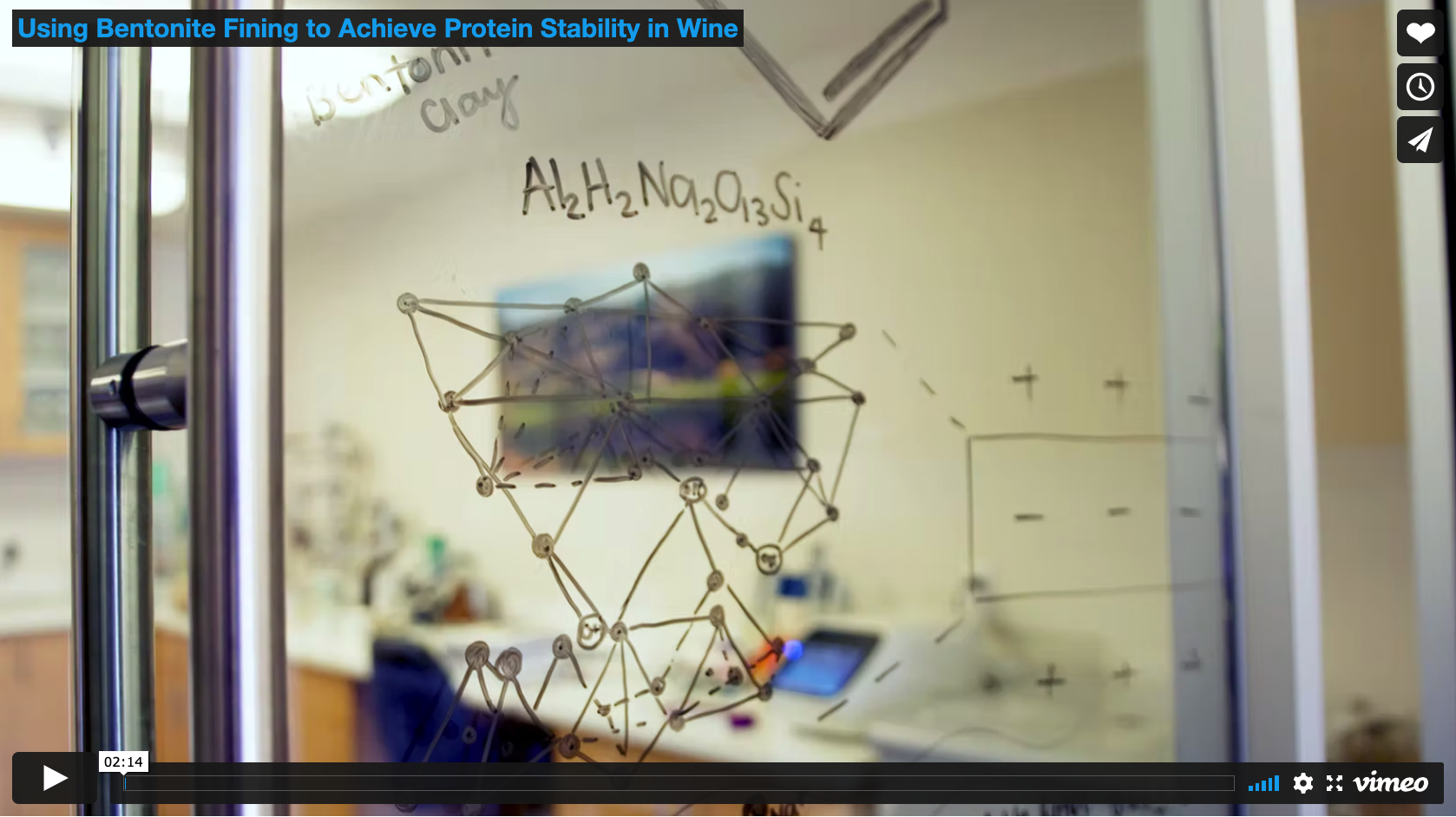
Clarity, or the absence of haze, is a key factor in the appearance of wine, contributing significantly to its commercial value. High temperatures, encountered during transportation or in poor storage conditions, can induce the denaturation of proteins, which then form a suspended haze in a bottle of wine and degrade its value. Bentonite can be used to treat protein instability, acting as a fining agent to pull proteins out of solution before they are bottled. As with many fining agents, bentonite can remove other components that are important to a wine’s sensory properties. Because of this, benchtop trials are encouraged to ensure protein stability in wine without stripping too much of its aromatic compounds through the addition of an appropriate concentration of bentonite. Here at Gravity Analytical Laboratories, turbidity is measured via nephelometer before and after heat exposure to wines treated with varying concentrations of bentonite. If a difference in turbidity greater t
00