
Filter Post Type
NewsVideoProductEventLink
Sort:
Relevance
1–10 of 38

January 13, 2025

Event Type: Webinar
Location: Online
Date: 1/21/2025
This free webinar will cover: The recent developments in wine protein instability, including the most current version of the mechanism describing how protein instability forms in white wines. The methods for wine protein stabilization The methods to predict protein instability in wines Speaker: Matteo Marangon, Associate Professor at University of Padova (Italy) The webinar is free rebroadcast of a past event, available on sale or with Infowine Premium Membership at this link. Register here.
00


Dear Customer, As bottling season approaches, we’re here to support you with specialized testing services and essential products to ensure your wine is at its best. Important Details for Testing Services: These tests are not included in your subscription pricing; individual pricing is listed below. Each test requires a separate sample, with specific volume requirements. Please label your samples clearly with the test name. For Turbidity (NTU) and Brettanomyces testing, ensure you write "NTU" or "Brett" on the sample tube cap and label for streamlined processing. Available Tests and Pricing: Stability Testing (Please complete the Stability Test Request Form) Heat Stability Test: $20/sample (250 mL sample required) Bentonite Fining Trials: $75/sample (750 mL sample required) Note: These trials take 3 days and will start the following Monday if submitted after noon on Thursday. Davis Conductivity Test: $30/sample (375 mL sample required) DIT – Degree o
10

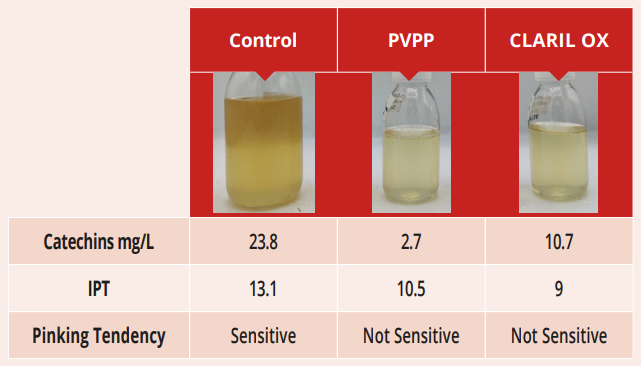
When it comes to fining wine, many traditional fining agents remove a broad spectrum of compounds that can often lead to stripped, less expressive wines. The CLARIL range from Enartis is focused on selective fining, which targets the specific compounds that cause instability and other faults, while preserving the integrity and quality of the wine. The CLARIL range offers precision solutions for an array of issues, including: Preventing and Treating Oxidation – CLARIL OX A natural alternative to PVPP, it acts with exceptional selectivity to target only the compounds responsible for pinking and browning. Its use during fermentation extends shelf-life while preserving color, freshness, and aromatic complexity. Metal Concentration Reduction – CLARIL HM A blend of PVI-PVP and chitosan, CLARIL HM provides antioxidant protection by removing metals that catalyze oxidation reactions such as copper and iron. Smoke Taint and Other Off-Aromas – CLARIL SMK Developed to eliminate
00
WHAT: The California Department of Food and Agriculture’s Preliminary Grape Crush Report for 2025 is a barometer for the wine and grape industry, containing prices and tons of wine grapes crushed. The Crush Report provides growers and wineries insight into the inventory position for the California wine business as a whole, and can influence market dynamics for the current bulk wine and grape markets as well as potential impacts at the consumer level. WHEN: CDFA is scheduled to release the Crush Report at 12:00PM PST on Friday, March 13th, 2026.ANALYSIS: A historically small crop coupled with below break-even spot market grape pricing compounds wine industry headwinds. For the second consecutive year, the California Crush Report will reflect a wine industry navigating a significant supply-and-demand imbalance. While actual tons harvested remained historically light across many regions in 2025, the primary driver of market instability is the sustained decline in consumer demand and
00


Reducing ethanol removes one of wine and beer’s natural protective barriers, increasing susceptibility to spoilage bacteria, refermentation and instability. Key challenges producers face: • Higher microbial pressure • Reduced SO₂ tolerance • Shorter shelf-life expectations Smart microbial control is essential, combining robust fermentation, bioprotection and precision processing to maintain quality without compromising flavour or clean-label goals. As low & no-alcohol demand grows, bacterial management becomes a quality differentiator, not just a safeguard. How are you managing microbial stability in low-alcohol products?
00
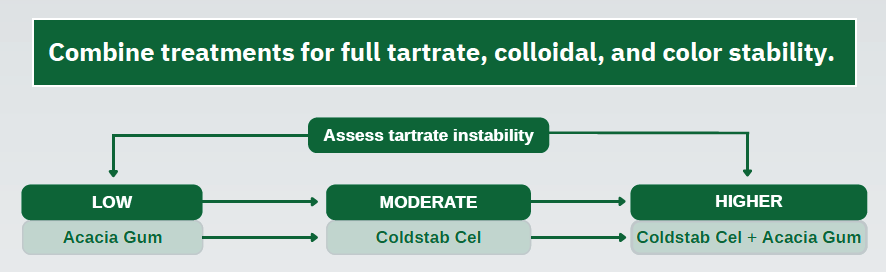
Tartrate stabilization helps keep wines bright, clear, and free of the “wine diamonds” that consumers often perceive as a flaw. While traditional cold stabilization works, it can be time- and energy-consuming, and can affect aromatics and flavor. Today, there are smart, innovative stabilization solutions that eliminate the need for chilling while protecting wine quality and making cellar work easier. Carboxymethylcellulose (CMC) CMC is a cellulose-based solution that acts by interfering with crystal growth. While traditional stabilization induces crystal formation, CMC prevents them from developing in the first place. It provides reliable stability without chilling and helps preserve pH, aroma, and flavor. CMC is a strong choice for white and rosé wines where clarity and freshness are priorities. Acacia Gum Acacia gum, made from the sap of Acacia trees, coats the tiny tartrate particles so they cannot grow into visible crystals. It also helps protect color, making it
00


Maintaining wine balance in a changing climate Climate change is reshaping the wine industry. In many wine regions, each year seems to set new records for the hottest or driest growing season, followed by the earliest harvest dates yet. Such accelerated ripening is disrupting grape physiology; phenolic and aromatic development fall out of sync, sugar levels soar, and acidity drops away (1). So how can we adapt and build a more resilient wine sector? The answer to this question is multifaceted. In the vineyards, grape growers are rethinking their management practices, adjusting canopy architecture, introducing shading or optimising irrigation (1,2). Some are reaching for higher altitudes or moving further from the equator in search of cooler conditions (1). Others are trialling alternative heat- and drought-tolerant varieties, from long-forgotten cultivars to newly bred plant material. In the cellars, winemakers may turn to pragmatic solutions such as dilution or blending strategi
00
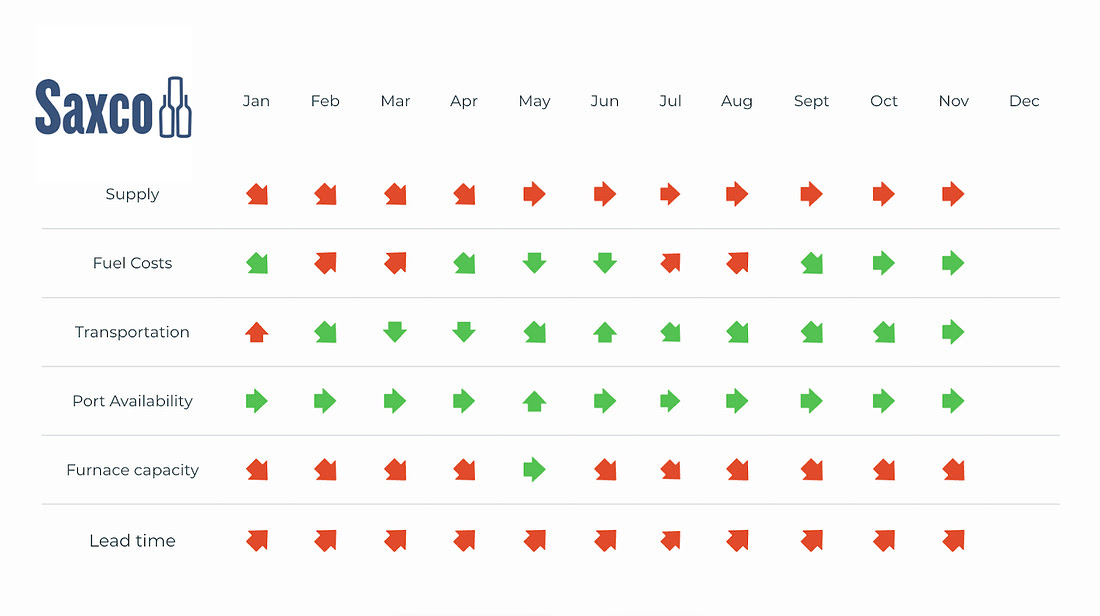
A pause in the fever dream of instability October arrived not with fanfare but with something rarer: Quiet. After a year of collective anticipation for more and more problems, what occurred was a respite. The tariffs are stalled, and the early indications from the Supreme Court suggest they are still in flux and will be a topic for discussion on a future date. Fuel costs have stabilized, as have ocean freight rates. There is a peculiar quality to this pause. It is that in-between moment that makes it hard to understand if wineries should keep their guard up or, finally, tentatively lower their shoulders. The glass half empty, half full The supply chain in October was like a strange dance. Everything remained unchanged – neither improving dramatically nor deteriorating. Just... holding. Diesel slipped from $3.748 to $3.679 per gallon, a decline so modest it barely registers as movement. But after months of upward pressure, even sideways feels like progress. Ocean rates hit bottom
00
August 18, 2025
After a wet winter and a slow start to spring, California is now experiencing an unusually cool summer. While the extended hang time may sound ideal at first glance, many winemakers are concerned, and for good reason. Persistent cool, damp weather during the growing season brings with it an entirely different set of vineyard and cellar challenges, from disease pressure to delays in ripening. If you haven’t already, it’s time to start thinking about how this season’s cooler conditions may affect your fruit, and how to plan ahead to protect your wine’s quality. What’s the Problem with a Cool Summer? Cooler-than-average temperatures, especially when paired with humidity or late rains, can lead to several problematic outcomes in the vineyard: Delayed Ripening: Grapes take longer to reach phenolic maturity, and sugar accumulation may lag behind flavor development. This can result in unbalanced fruit and longer hang time on the vines. Increased Disease Pressure:
00

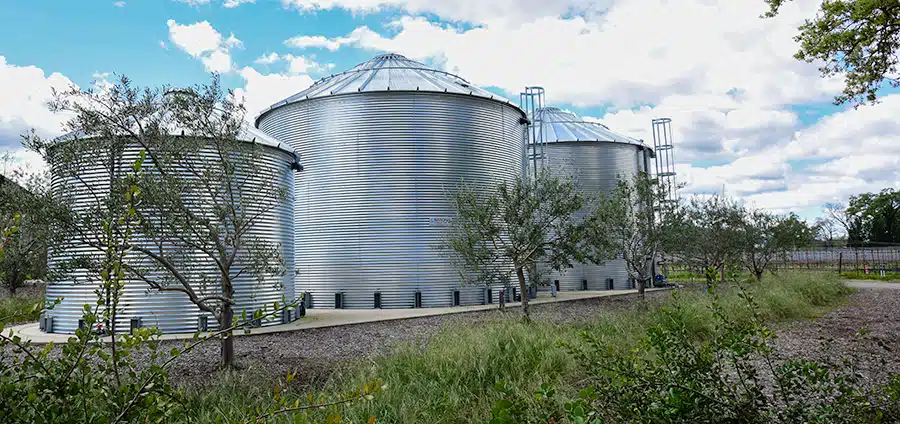
Why Delaying Your Purchase Could Cost You More Than You Think In today’s unpredictable economic climate, industries from agriculture to data centers and hospitals to municipalities face rising costs and shrinking timelines. If you’re considering purchasing a steel water storage tank, the time to act is now. National Storage Tank is here to break down the top 10 reasons why buying your steel tank today is smart and, in some cases, essential. Here are 10 reasons why buying your steel tank today 1. Rising and Unpredictable Tariffs on Steel Imports Tariffs on imported steel fluctuate, often rising without warning due to trade negotiations, global policy shifts, and protectionist economic measures. These tariffs directly increase the cost of steel, affecting all steel-related applications like Water and other liquid storage tanks. Locking in your tank price today protects you from the next price hike and is one of the surest ways to stay even close to budget on some projects.
00