
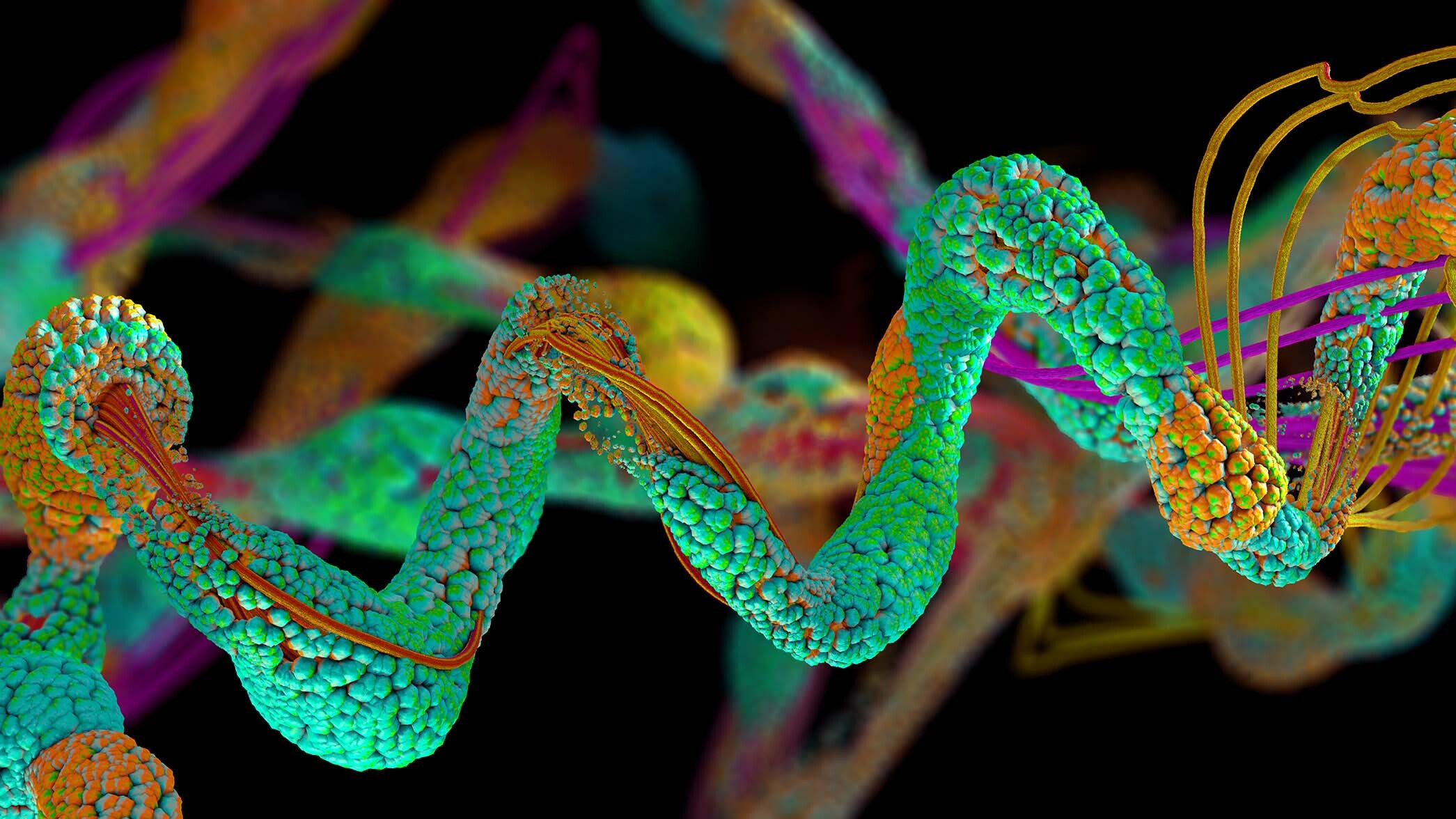
Why Yeast-Based Nutrients are Better than DAP: Organic vs. Inorganic Nitrogen Learn why organic yeast nutrition is an important part of wine quality wine production and helps to ensure reliable fermentation. What's the Difference? Diammonium Phosphate (DAP) Inorganic Nitrogen Inorganic nitrogen is...
Read More
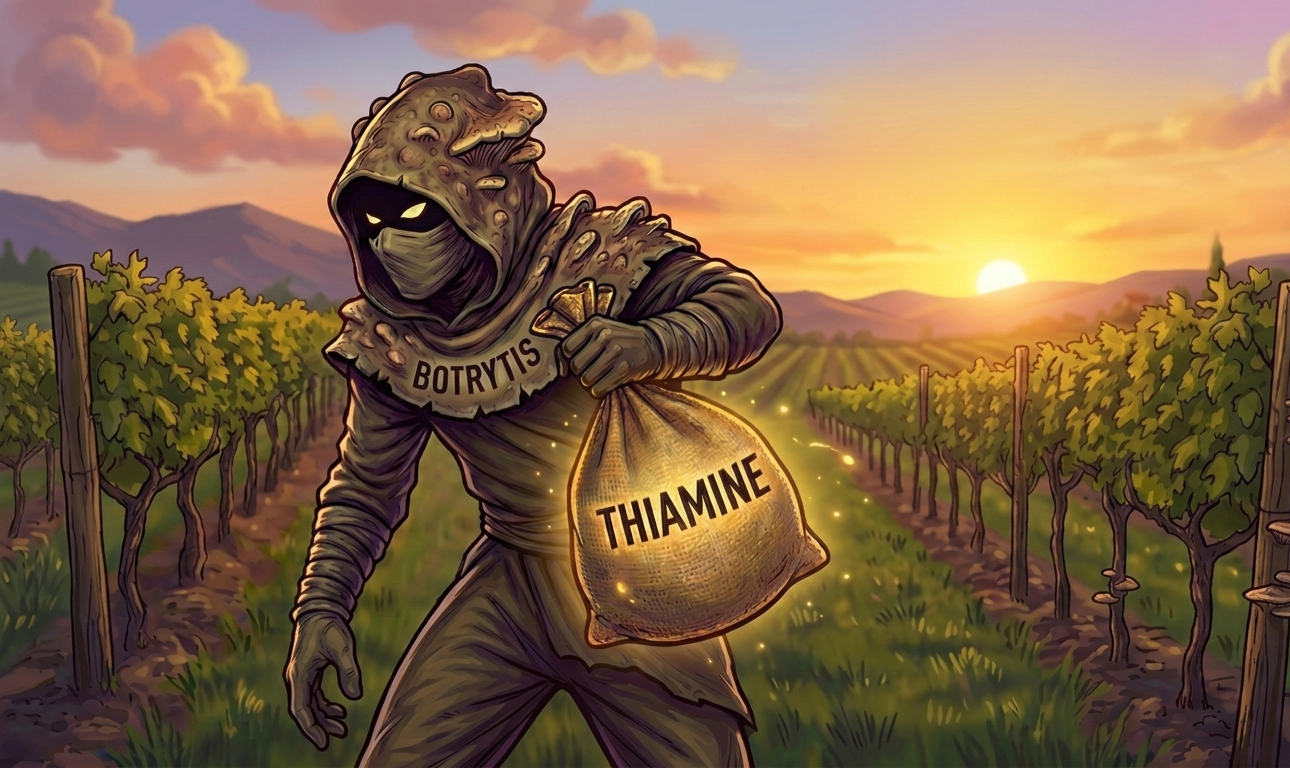
Thiamine, also known as vitamin B1, is an essential micronutrient for yeast metabolism. The thiamine content typically found in grapes ranges from 80 µg/L to 1.2 mg/L. Although most yeasts, including Saccharomyces cerevisiae, can synthesise thiamine, they prefer to absorb it from grape must....
Read More
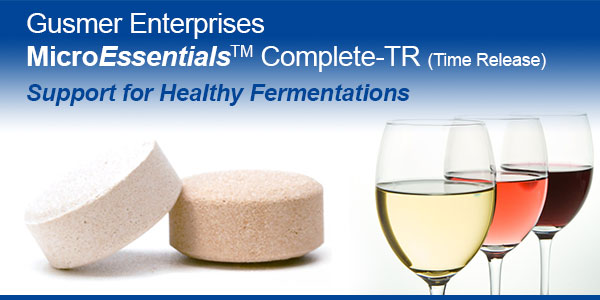
Harvest season doesn’t leave much time for anything extra — long days, fast decisions, and nonstop cellar activity. That’s why Gusmer's MicroEssentials Complete-TR Nutrient was created to take the guesswork out of fermentation nutrition. MicroEssentials Complete-TR is the most advanced yeast...
Read More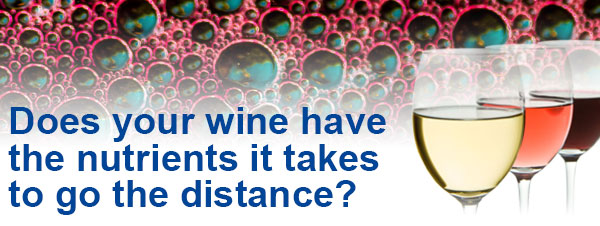
Gusmer’s MicroEssentials™ fermentation nutrients include a complete range of supplements for yeast rehydration, primary fermentation and malolactic fermentation. Based on the latest research, our formulations contain premium ingredients that impart highly refined polypeptides, amino acids,...
Read More
Every vintage brings its own challenges from Mother Nature. Rain or shine, we’ve got the products to keep you covered. Concerned about mold, rot, or mildew? Rooted in experience, our proven solutions guide you through every hurdle for a successful harvest. Potential Issues: Off aromas and flavors,...
Read More
A smooth, complete fermentation doesn’t happen by chance, it starts with balanced yeast nutrition. When yeast has access to the right nutrients at the right time, you avoid sluggish or stuck fermentations, reduce the risk of Hâ‚‚S and VA, and unlock the full aromatic potential of your grapes. Why...
Read More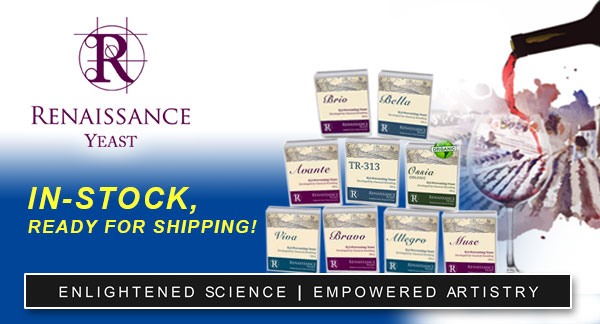
Renaissance Yeast’s strains have excellent fermentation kinetics, desirable sensory characteristics, and are produced to the highest quality standards. Renaissance Yeast is the exclusive developer of a novel, patented H2S-preventing technology that is the result of a natural trait in yeast that...
Read More
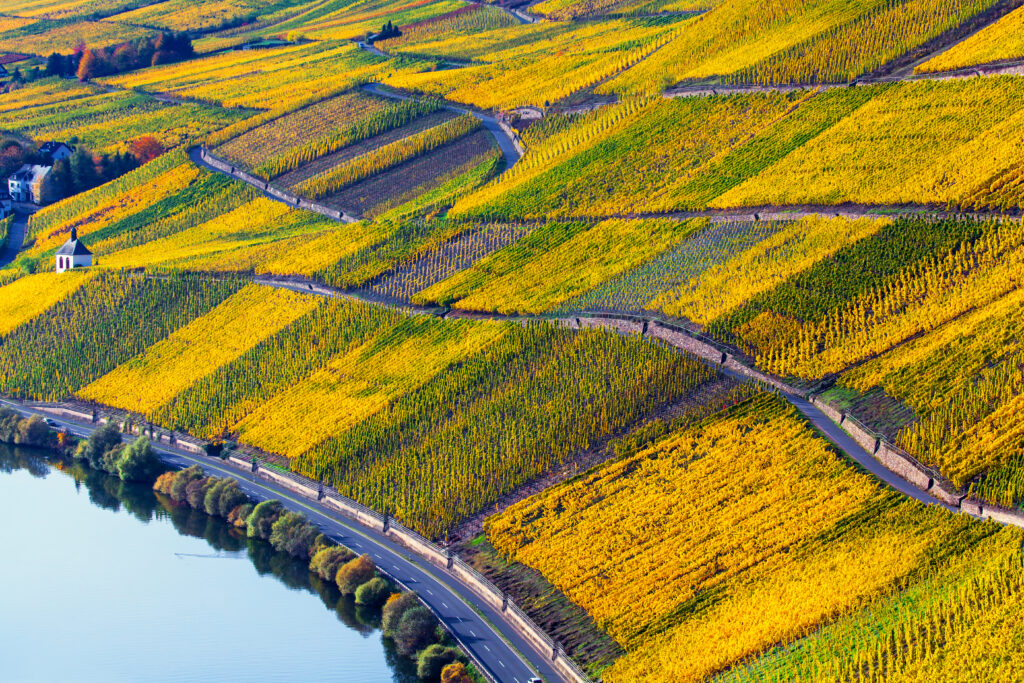
The conversations I have about quality tend to focus on red wine. This is especially true in California, where Napa Cabs have historically garnered high prices, followed up by Coastal Pinot noirs and red Rhones. Honestly, in most places I’ve been where the climate allows for ripening red grapes,...
Read More
The nutritional health of yeast can determine the success – or failure - of the resulting wine. To get the most out of your yeast, a high-quality nutrient product is essential. “High quality micronutrients are essential to the healthy development of the yeast and a robust fermentation,” emphasizes...
Read More
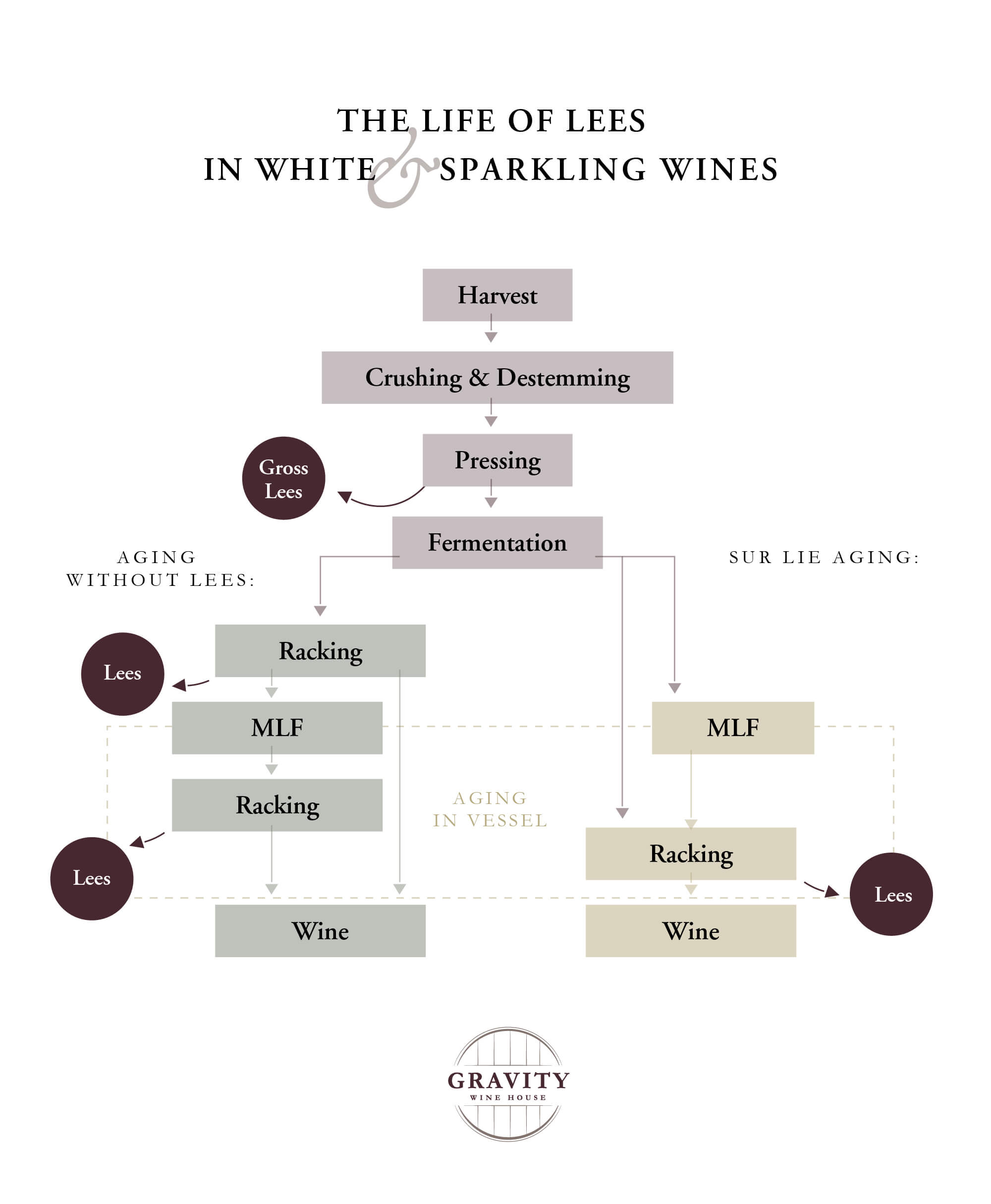
Original Post Sur lie (French for “on the lees”) aging sounds fairly straightforward: it is a stylistic choice to allow wine to age in contact with its lees. The overarching goal is to enhance the mouthfeel, body, and complexity of the wine by foregoing racking or other methods of lees removal for...
Read More