
Filter Post Type
NewsVideoProductEventLink
Sort:
Relevance
1–10 of 10


Market slow; older stocks skew availability picture In this month’s Global Market Report, all countries are united in reporting the symptoms of an industry entering the fourth year of a challenging environment: late loadings, late payments, cashflow shortages, and vineyard removals. Already gathering momentum is a belief that 2026 will be another “transitional” year before market stability finally arrives, hopefully in 2027. But many wine industry operators are running out of time for things to improve. On the supply side, strides have been made over the past two years, assisted by shorter winegrape crops across the world: thanks to a combination of Mother Nature and human hand, global production in 2024 was estimated to have been the lowest since 1961, and 2025 production registered only a slight uptick. A significant challenge is the “polluting echo” of older inventory, which gives buyers a skewed perception of abundance. Current or recent-vintage suppl
00
February 12, 2026

Market rich in strategic buying opportunities With 2026 already six weeks old, this month’s California Report relays the bulk wine and grape activity levels that we have seen since the turn of the year: What has been receiving buyer interest, and at what kind of pricing? As well as updating our monthly bulk inventory charts, we drill down deeper into the inventory we have listed with us, finding the availability picture a little more nuanced than might be assumed. Cashflow is now an almost universal concern throughout the industry, and late payment has become a common issue. Many growers are minimizing farming until their vines are contracted, some uprooting altogether. Buyers – outside of those fulfilling private-label programs – are wary of committing; some even have wine or grapes to sell. Adding to buyer hesitancy is the lack of evidence that case-good sales are stabilizing – this month’s report has the latest from SipSource on US wholesaler depletion
00

February 10, 2026

After 30 years of moving up and to the right, the American wine industry hit a wall. Not a temporary slowdown or a soft patch. A structural shift that requires a fundamentally different marketing playbook. 2025 was the reality check. 2026 is the year wineries either adapt or watch their customer base age out beneath them. The data is now unambiguous: wine sales dropped approximately 6% in 2024, marking the steepest decline in decades according to SipSource industry data. More troubling than the headline number is what's driving it. This isn't a recession blip or a bad vintage. It's a fundamental realignment of who drinks wine, how they buy it, and what they expect from the brands they choose. Here are the five trends reshaping the US wine market and what they mean for your brand's survival. The Demographic Disruption The wine industry built its growth on one generation: Baby Boomers. That generation is now aging out. The Wine Market Council's 2025 U.S. Consumer Ben
00

The 2026 State of the Industry session at Unified was cautiously optimistic but did delivered a clear message: the wine industry is not in a temporary downturn, it is undergoing a structural reset. We are deep into this adjustment but there is still work to be done. Declining consumption, excess supply, margin pressure, and changing consumer behavior are no longer emerging risks; they are now realities. They are now the operating reality. What made this year different was the alignment between market data, producer behavior, and financial results. The conclusions echoed the themes in the most recent SVB State of the Wine Industry Report: slower demand, elevated inventories, capital constraints, and the need for sharper business discipline. A Global Market Under Pressure As Mike Veseth, The Wine Economist, noted, wine is now a global commodity. Approximately 45% of all wine crosses at least one international border. While global trade continues to grow, overall consumption is
00
Navigating a path forward amid the headwinds Welcome to the Ciatti Global Market Report on Substack – a new home, but with the same incisive and actionable market intelligence as before. The latest pricing tables, collectively now called the Global Pricing Grid, will be published separately in a few days. The bulk market was quiet globally through July into early August, as is typical when the Northern Hemisphere is on its summer holidays and/or preparing for harvest. However, the quietness exceeded normal levels in some countries, and speaks to a feeling – borne out by some export statistics – that 2025 has seen an intensification of the sluggishness that has characterised the bulk market since the end of the pandemic’s retail demand spike. The same period last year was also slow, but August 2024’s Global Market Report was able to state: “Shorter crops and the return of China as a buyer in Australia have helped make the landscape app
00


The wine industry is steeped in tradition, but let’s be real—it’s time to shake things up. Younger demographics aren’t buying into the same old wine marketing tricks or outdated experiences. Want to grab their attention (and their dollars)? Then it’s time to think bold, fun, and modern. You Don’t Have to Do It All—Start Small and Stay True to Your Brand Attracting younger wine lovers doesn’t mean you need to overhaul everything or abandon your roots. Instead, consider making a few strategic shifts that align with your brand. Maybe your website keeps the traditional tasting notes, but you have fun with social media. Maybe your weekends are reserved for 21+ reservation-only tastings, but your weekdays are more relaxed and family-friendly. The key is finding what works for you and your audience. Now, let’s dive into some ideas. 1. Flex Your Wine Club Options Your wine club isn’t working for everyone. Sure, your loyal members lov
10

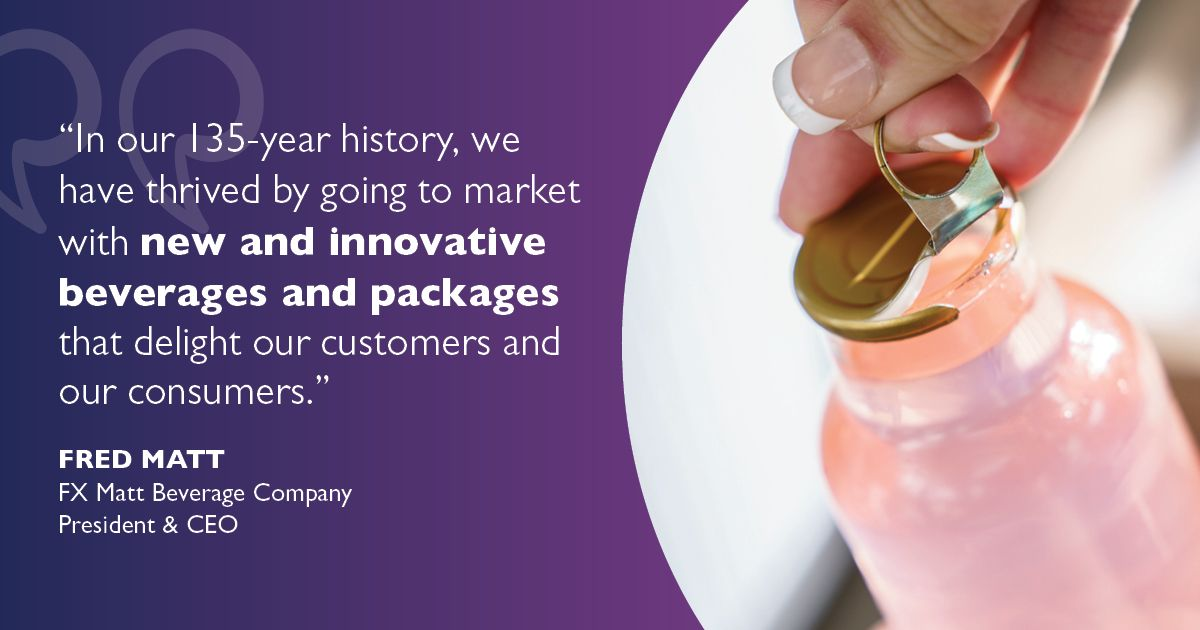
We’re excited to announce our new partnership with the long-time innovators at FX Matt Brewing Co. Together, we’re offering a one-of-a-kind solution to help brands who want premium glass packaging get to market quickly. Drinktainer is a unique glass package perfect for wine-based RTDs, still wine and all other beverage types in between. See details about the partnership here, and learn about how Drinktainer is paving the way for disruption on the shelf. #GlassPackaging #Partnership #Innovation
00

January 26, 2023

Excise tax rates affect the price of every alcoholic beverage. Because of CBMA credits, federal excise taxes are more confusing than ever. And each state has different rates depending on commodity and ABV. Now some states have begun to establish special tax rates for spirits-based RTDs. Virtually everybody in your organization needs quick access to excise tax rates. DTC shippers pay the excise taxes in the states where their customers live. Although wholesalers often pay the state excise taxes on wine sold through the three-tier system, knowing what your wholesaler is paying helps suppliers set the price and determine the margin on your products. The Digest of Wine and Spirits Law’s Excise Tax table makes it easy to see how your products will be taxed, everywhere in the nation. More details are found in the Excise Taxes article for each state. Both are updated regularly. Take the hassle out of looking up the excise tax rates for wine and distilled spirits. Subscribe today and
00

December 7, 2021

COVID Prompted RTD Acceleration; Innovation and Premiumization Will Catapult It Forward
Consumers trade-up to wine and spirits based ultra-premium RTDs December 7, 2021 – The COVID-19 pandemic changed a lot about how we work, learn and socialize. The early days of at-home cocktail experimenting and restaurant alcohol delivery have passed, and as more consumers are venturing back out for on-premise drinking and dining, they are opting for […]
00