
COGS isn’t the sexiest topic, but your winery can’t afford to ignore it
Cost of Goods Sold (COGS) isn’t exactly a dinner-party topic—but your winery can’t afford to ignore it. It’s not just an accounting exercise; it’s the foundation of financial clarity. Whether you produce 500 or 50,000 cases, not knowing your true costs means flying blind when it comes to pricing, planning, and profitability.
In our interactions with winery operations of all sizes, we’ve grown convinced that you can’t afford not to know your COGS. Even boutique operations are running at a disadvantage if they don’t know how much it costs to make each of the wines that they sell.
What is COGS? And why is it difficult?
In its simplest definition, COGS includes all of the cost outlay required to produce each and every SKU coming from your winery. That includes raw materials, labor, packaging, and overhead.
Seems fairly straightforward, right? But the devil is in the details.
Tracking wine COGS is notoriously complex because wine isn’t static. Wines evolve, they’re blended, and materials can sit in inventory for years before ultimately being used across multiple vintages and SKUs. Then there’s overhead: deciding how to spread costs like labor, facility expenses, or depreciation fairly across dozens of ever-changing products is a science in and of itself.
More succinctly put, keeping track of COGS can be a real PITA.
The realities of running a wine business often butt heads with proper accounting. There probably isn’t a wine operation on the planet that doesn’t encounter last-minute modifications, or times when they’ve just been too busy handling unforeseen events to calculate the knock-on impacts of those changes on costs.
These complexities don’t mean you can skip it; they make it even more essential to get it right.
Why you can’t afford not to know your COGS
Spit-balling or even just ignoring your COGS can cost you a lot more in the long run. We’ve seen a myriad of approaches that winemaking operations take for their COGS. Here are the areas where doing it well makes a huge difference.
Spend & Pricing
You might be surprised to learn what it really costs you to make that best-selling wine in your portfolio. We have seen wineries simply average their COGS across all SKUs at year-end, which means that their everyday sipper rosé is documented as costing the same to make as their flagship, ageworthy Cab that sees 100% new French oak. Uhm… sorry, but that’s nuts!
We’ve also seen wineries discover, after seeing more accurate COGS, that they were losing money on their best-selling wine.
Acquisition & Lending
Many wineries at some point consider selling their brand or being acquired. Ask any accountant, and they will tell you that inaccurate financials make selling a business MUCH more expensive in the long run. Accurate COGS has to be unearthed eventually in those situations. You are not saving money by skipping it, you are just delaying (and increasing) the spend—much to the delight of whatever accounting firm you will need to hire to sort it out.
Looking for a loan to expand or invest in the winery’s future? A true understanding of your financial position lets you know exactly how much to borrow. And if you’re seeking a loan with inaccurate accounting (especially at a time when global wine sales are slumping)? Good luck talking to a lender with that.
Overhead Allocations: The Hidden Challenge
Overhead is where most wineries struggle. Costs like labor, utilities, or barrel depreciation don’t attach neatly to one wine—they cover everything. That’s why many teams either guess or give up.
Blended makes this part simple. A single “spread” feature automatically allocates those costs by wine volume and time, instantly giving you accurate, consistent numbers. For more advanced teams, you can customize allocation methods, so even complex expenses like insurance or depreciation are handled cleanly.
Making COGS less of a PITA
This is where the right software can be a lifesaver. Blended tracks anything and everything in your production pipeline from start to finish—including costs. That allows you instant access to accurate COGS at any moment of your winemaking process.
Need to compare COGS by product or vintage-to-vintage to see trends? Blended has you covered, allowing you to make production calls that are data-driven. It can record costs with just three clicks, which is pretty much the opposite of being a PITA. Our clients have called their COGS more accurate under Blended (and told us that using the software provides a level of financial clarity that they’ve never had previously).
Getting COGS right isn’t just about cleaner accounting; it’s about control. When you see your true costs in real time, every decision becomes easier, faster, and more confident. The right software turns what used to be a painful guessing game into a clear view of your winery’s financial health, and that’s worth far more than the effort to set it up.
Founded in 1974 as the first winery in Southern California’s Temecula Valley, Callaway Vineyard & Winery has long stood as a symbol of innovation and heritage in the region. Originally launched by Eli Callaway—who famously went on to start Callaway Golf—the winery has passed through corporate ownership and scaled to a peak of 750,000 cases.
Today, the future is rooted in the past. Now family-owned by the Lin family, Callaway is embracing a premium, estate-only approach under the leadership of acclaimed winemaker Giovanni Verdejo. A native of Mexico City, Gio spent over two decades in Napa Valley crafting 90+ point wines for Foley Family Wines. Now, at Callaway, he leads a 10,000-case DTC-focused production that reflects both craft and character, with wines sold exclusively through their wine club and tasting room (named Newsweek Readers' Choice Best in the Nation, 2024).
To match this elevated vision, Gio and the Callaway team knew they needed technology aligned with their ambitions.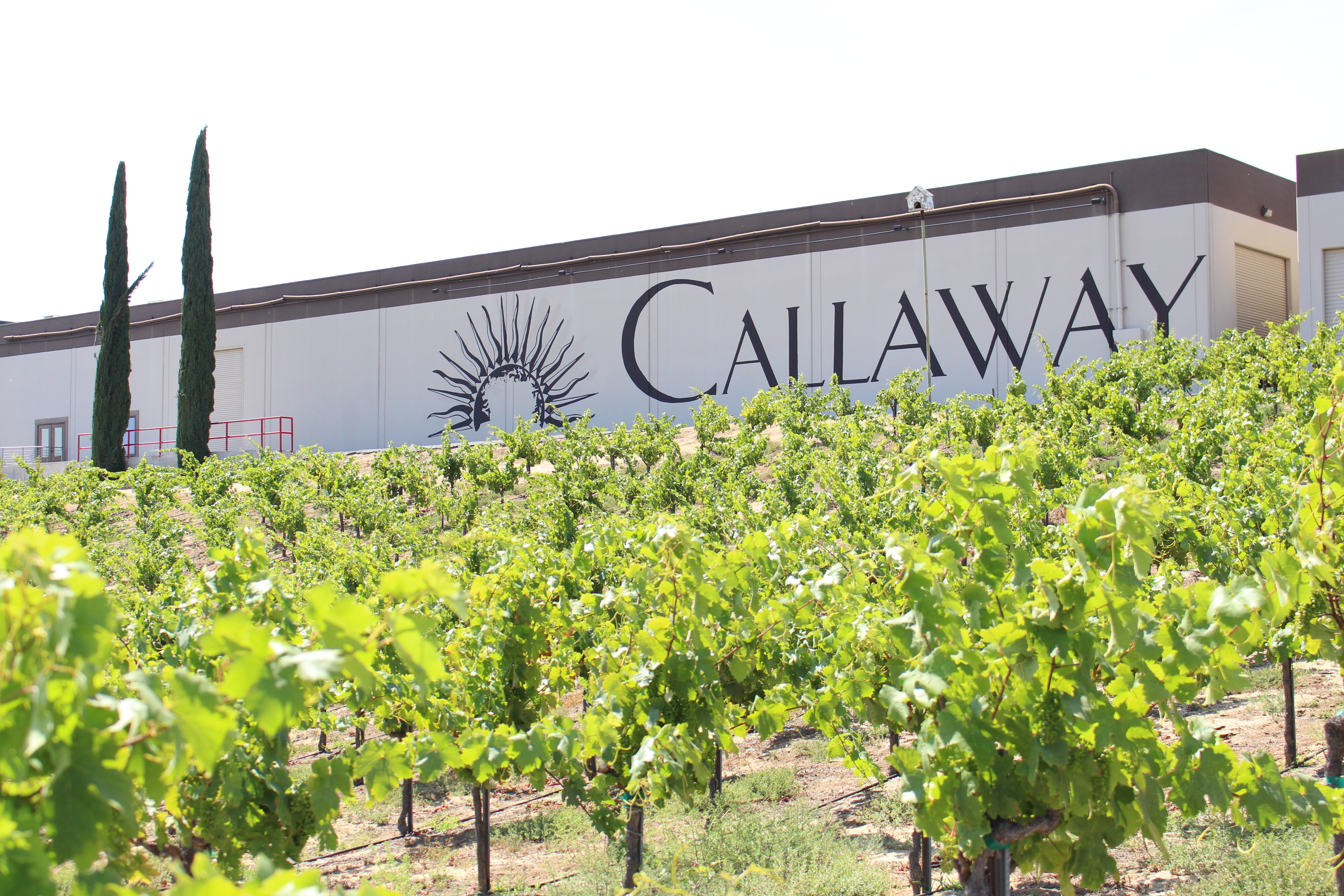
From: Legacy Software, Lagging Operations
When Gio arrived, Callaway was still using Winemaker’s Database (WMDB)—a system he knew well, but one that had become more of a regulatory database than an operational tool.
“It served its purpose. But we were doing most of our work in spreadsheets,” Gio explains. “It was slow, hard to use, and new team members couldn’t learn it quickly.”
The tech simply couldn’t keep up with the winery’s modern direction, nor with a winemaker accustomed to moving fast.
To: Flexible, Fast, and Built for Winemaking
When Gio began evaluating new solutions, he wasn’t just looking for another winemaking database—he needed a system that could move as quickly and flexibly as he does. That meant ditching rigid structures in favor of something flexible, intuitive, visual, and built around how winemaking workflows actually happen on the floor.
He found that in Blended’s protocol based system.
“With Blended, I’m not stuck managing ‘tank thinking.’ I can work by lots and move freely between tanks, barrels, and blends. The system doesn’t force me to work a certain way; it adapts to how I work.”
The ability to build and reuse protocols has completely changed how Callaway Winery manages daily work. Instead of re-entering the same steps across work orders, Gio creates flexible templates that capture everything—from rackings and additions to bottlings and harvest prep. It’s drag, drop, and done.
“I enter today’s updates and write work orders at the end of the day for the next day, and I’m finished in 15 minutes. Everything’s clear, up to date, and easy to see.”
Blended’s “shopping cart”–style interface shows what’s been created, what’s in progress, and what’s done—giving the team a shared, real-time picture of work across the cellar. The experience is so streamlined, Gio is considering dropping paper work orders altogether.
The results have been immediate:
“Bottling in Blended is 10x faster than before”
Work orders are faster to create, easier to review, and painless to modify
Mobile access means Gio and his team can work anywhere—not just from a desktop in the lab
But it’s not just about speed. It’s also about clarity.
“Blended’s visual history is a huge advantage. I can trace every action, every vessel, and every decision. If I ever ask myself, ‘Did we add sulfur?’ I can find the answer in seconds.”
With Blended, the team isn’t just logging data—they’re actually using it. Gio has full visibility into what’s happening across the winery, the freedom to design his own workflows, and the peace of mind that nothing is getting lost in translation.
“It’s faster, it’s more flexible, and honestly—it just works better.”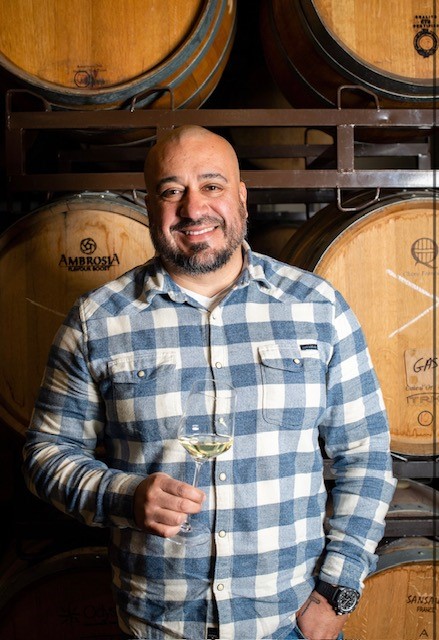
Fast Onboarding, Familiar Foundations
Onboarding new software—especially in a winery with deep history—can be a challenge. But for Gio and Callaway, the transition to Blended was surprisingly smooth.
“If you know WMDB, it’s easy to use Blended,” he says.
After a training session with Blended Founder Matt, Gio had everything he needed to get started. In fact, he canceled his follow-up call after returning from vacation—because he simply didn’t need it.
The setup process was fast, the system felt familiar, and Blended’s team was responsive throughout. No ticket queues, no delays—just direct support when it mattered.
Looking Ahead: Data-Driven Decisions, Done Better
With his first harvest in Blended on the horizon, Gio is already thinking bigger. One key focus: costing.
“More accurate COGs enabled by Blended is at the top of the list for next year.”
He’s also exploring a paperless cellar, leaning into Blended’s mobile tools and visual clarity. And with protocols ready and workflows refined, he’s heading into harvest fully prepared.
“We’re ready. I know it’s going to be so much faster. I’m going with the flow.”
Blended has helped Callaway honor its legacy while embracing a more modern, premium winemaking future—where data drives decisions, and nothing slows the craft.
We're thrilled to announce that Blended has raised a $2.5 million Seed round to transform how wineries manage production, from vineyard to bottle.
The round was led by Bienville Capital Management, whose support affirms our vision: to build the next generation of winery operations software. With Blended, teams spend less time buried in data entry and more time making informed decisions in real time, ultimately running smarter, more efficient businesses.
Since launching in 2022, we’ve been on a mission to reimagine production management for modern wineries. Blended is designed to be the most flexible, intuitive platform on the market—adapting to how you make wine, not the other way around. By combining thoughtful design with the latest technologies like AI, we help teams replace spreadsheets, notebooks, and legacy software once and for all. From work orders and lab analysis to costing and case goods, Blended keeps everyone aligned and moving forward.
With this funding, we’re excited to:
Expand our engineering and product teams
Accelerate the development of Barry, our AI assistant for winemaking operations
Scale customer success as we support a fast-growing network of wineries across North America
To our early customers: thank you. Your belief in our mission and your honest, detailed feedback have been instrumental in shaping what Blended is today. And we’re just getting started.
If you’re a winemaker tired of juggling clipboards and late-night spreadsheets or battling clunky, outdated software, we’d love to show you what Blended can do.
Ever wished work orders could create themselves? You know exactly what needs to be done, but turning that clear plan into a detailed work order takes digging through notes, typing it all out, and far too much of your time.
Meet Barry, Blended’s artificial intelligence designed specifically for wine production, and the newest member of your team. Barry is a digital assistant built to streamline your winery’s operations. In seconds, Barry can answer questions, record data, and write work orders for your team. The goal? To make you more efficient, so you can spend more time focused on crafting exquisite wines.
Barry lives within your instance of the Blended platform and is fully attuned to your winery’s unique processes. Think of it as your go-to expert, always ready to:
Answer Questions
Barry makes information retrieval a breeze. Simply ask, “Show me my chardonnays,” and Barry will display your current chardonnay lots along with relevant details.
Simplify Operations
Recording tasks has never been easier. Just describe what you’re doing, and Barry will handle the rest. For example: “Barry, record punch downs on Lots A, B, C, and D.”
Write Work Orders
Save time by letting Barry draft work orders for you. Say, “Barry, write a work order to add yeast and nutrients to Tank 1. Use our standard templates and assign it to Matt.” Barry generates the work order in seconds, ready for review or approval.
Enhance Collaboration
Barry empowers your entire team to interact with production data, regardless of their familiarity with the software. From cellar staff to winemakers, everyone can harness Barry’s capabilities to keep operations running smoothly.
At Blended, we’re building the next generation of winery operations software. Tools like Barry aren’t just about saving time—they’re about redefining how teams interact with production software to craft their next great vintage.
Want to see Barry in action?
Blended Technologies is excited to announce the appointment of Heather Crawford as its new Vice President of Growth.
Heather, a seasoned leader at the intersection of the wine industry and technology, most recently served as an operations, sales and marketing leader at Vintrace. Her career has been defined by integrating cutting-edge technological solutions within some of the world’s leading wineries, including Treasury Wine Estates, Far Niente and Wente Vineyards.
With her proven commercial track record, Heather will focus on scaling Blended’s market presence and commercial operations. She will work alongside the Blended team and report directly to CEO, Matt Witte.
"Heather’s deep expertise in business development will be pivotal as we accelerate our growth," said Matt Witte, founder of Blended. "She has been a leader in winery operations software for many years, and her insights have helped drive innovation across the industry. We’re excited to harness her experience as we build the next generation of winery solutions."
About Blended
Blended is a modern, cloud-based software platform designed specifically for the winemaking industry. From managing vineyard data to streamlining production and inventory management, Blended provides wineries with the tools they need to stay organized, make data-driven decisions, and grow their businesses efficiently.
Imagine that you’re at the end of an intense harvest. You’ve been working 7 days a week for the last 6 weeks and are desperately trying to catch up on your record-keeping by entering data into your production software; somewhere along the way, you made a mistake. When you pressed, you accidentally flipped the volume for free run with the press cut that went into a red blend. You’re already dozens of entries past, and looking at a rollback that will mean hours more work redoing what you’ve already done. Painful right?

What if it didn’t have to be?
At Blended, we’re reimagining winery operations software. We believe that software can be smarter. It should fit your process better and enable your team to do what they do best without holding you back. One of the ways we are doing this is by making mistakes easy to fix because we’ve all been there, and it doesn’t have to be that difficult.
Edit Anything - No Exceptions, No Rollbacks
The Blended Data Engine is what makes all this possible. Every action recorded in Blended becomes part of a timeline. The Data Engine enables us to move backward or forward on that timeline and recreate the winery's state given those conditions. So, when a mistake in a blend happens, just edit it with the correct volumes, and the Data Engine ripples those changes forward to the present.
This same dynamic also applies to how data is entered into the system in the first place. Users have control over where any event falls on the timeline. That means events don’t need to be entered chronologically, and if you accidentally place events out of order, it’s easy to flip them around. This is the power of the Data Engine. In the future, we’ll even be able to show you forward simulations of your winery so that you can see how your work orders build upon each other, which could be helpful when you are playing tank jenga during harvest.

The art of wine blending is where the skills of the finest winemakers truly shine. However, while taste is often the primary factor in determining blends, there’s also a broader picture to consider that can have significant business implications. Each blending component is often unique and may vary in variety, origin, chemistry, and production costs. Depending on the intended sales channel, some or all of these elements may be crucial to the commercial success of the finished wine.
After speaking with hundreds of winemakers, we’ve found that conducting blend trials is one of the most common workflows still performed with a spreadsheet. This holds true even if the winery uses winemaking software!
Feature: Trial Blend
Trial Blends is just one feature designed to help winemaking teams make more informed decisions with less effort. Since Blended already knows everything about your wines, tell us what you’re blending and we’ll simulate the important characteristics of the proposed blends.
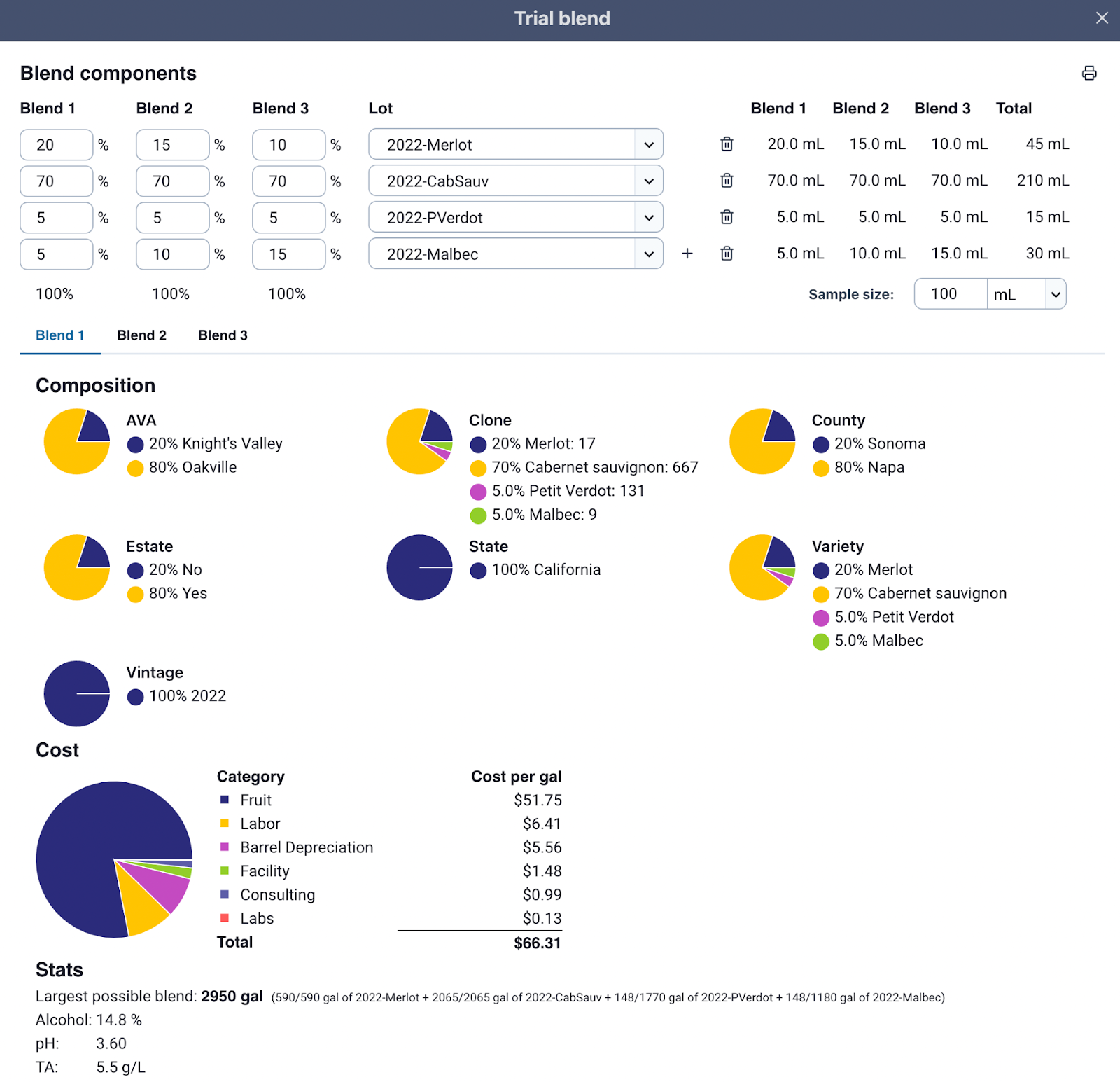
For a given sample size, we calculate how much you need to add of each component, and sum them up so you know how much you have to pull from your lots.
For each trial blend, we show you the important characteristics of the blend. To ensure compliance with label requirements, we show you the overall composition:
- AVA
- County
- State
- Variety
- Clone
- Vintage
If you’ve entered cost information, we show a cost breakdown of each blend – something that can be very helpful, if for example you’re trying to create a price-conscious wine but you’re using large percentages of expensive lots to compose it.
We also make predictions about the important chemistry measurements of the blended wine:
- Alcohol
- free/molecular/total SO2
- pH (which is not just a simple average but calculates free H+ ion concentration)
- RS (residual sugar)
- TA (titratable acidity), and
- VA (volatile acidity)
Interested in learning how else we’re modernizing winemaking software? Contact us today to get a demo of our Trial Blends feature and all the other ways Blended Technologies can help you work smarter, not harder.
Software shouldn’t get in your way. When software doesn’t fit, you spend hours on workarounds, waste mental energy worrying about how you record activity in the system or give up entirely and go back to spreadsheets. At Blended, we’re on a mission to build software that’s smart. If Blended can learn how you operate, it can personalize your unique experience. This personalization empowers you and your team, making the software a seamless part of your workflow. While this is a journey, today, we leverage a feature called Adaptive Defaults to bring that personalization.
Feature: Adaptive Defaults
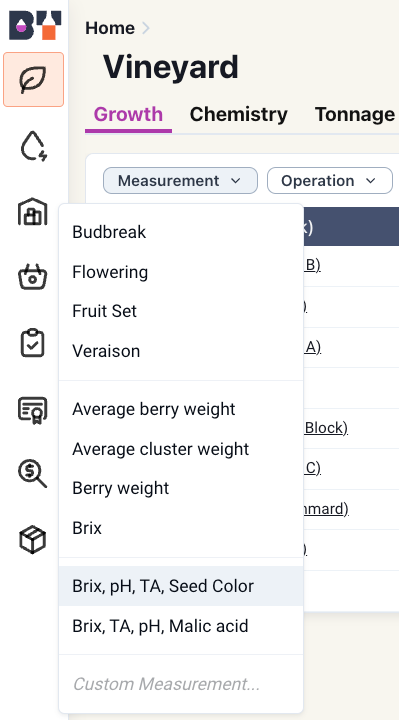
Adaptive Defaults are a memory of sorts. As you use Blended, it tracks how you operate. For example, Blended may notice that you like to sample Brix, pH, TA, and Seed Color in the vineyard. After it sees you take that grouping of measurements, it automatically creates a custom workflow for those measurements within the vineyard. The next time you sample grapes, you can easily select that grouping to record measurements across one or all of your blocks.
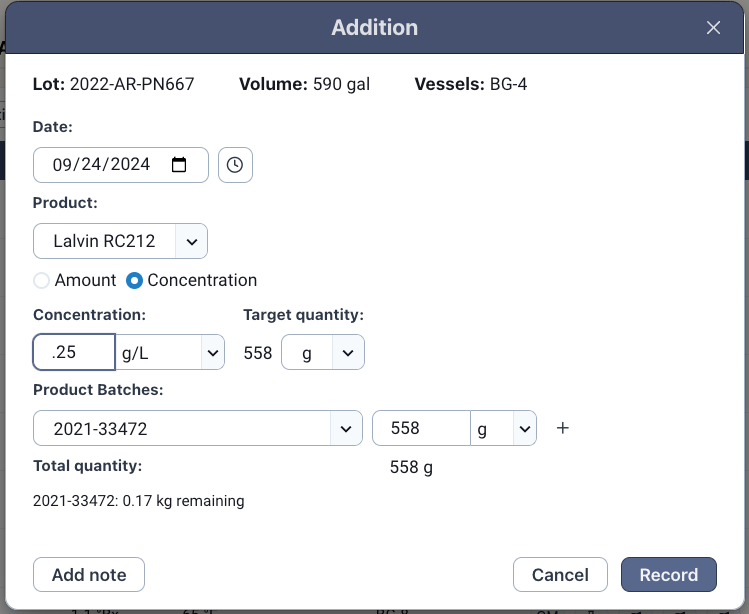
Another example might be when you are performing additions to your bulk wine. As you select the product, Blended will automatically suggest which batches the addition will come from based on your recent use.
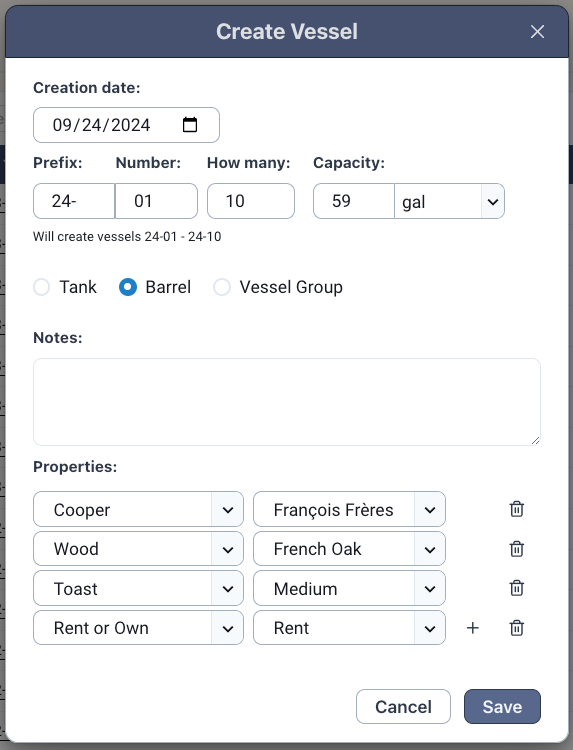
Adaptive Defaults aren’t limited to Additions and Measurements. As you personalize your dashboards by editing columns or rearranging their order, Blended tracks your preferences and automatically configures itself the next time you look at that table or display. Bottling again? Blended remembers the formats you use rather than offering all possibilities. Finally, Blended remembers the data you like to track in the places you want to track it. We once had a client with a mix of rented and owned barrels. After telling Blended that a set of barrels was rented versus owned, Blended created a custom field and enabled that data to be captured by default on every subsequent barrel added to the system.
In isolation, these features are small. They’re not flashy or particularly visual. But you touch them every time you use Blended, and their impact is enormous over time. They are the little things that make life easier so that software can be a seamless addition to your process.
If you’d like to learn more about the Blended Winery Operations Platform, reach out at hello@blendedtech.com.