 Conceptualized in 2016 and fully launched in 2019, the 220L Wineglobe is found in many important sparkling, white and red cellars around the world. Created by Bordeaux based Famille Paetzold, in 2025 Wineglobe released the newest edition to their lineup: The 400L Wine Globe.
Through client feedback and market testing, the goal of the 400L was to:
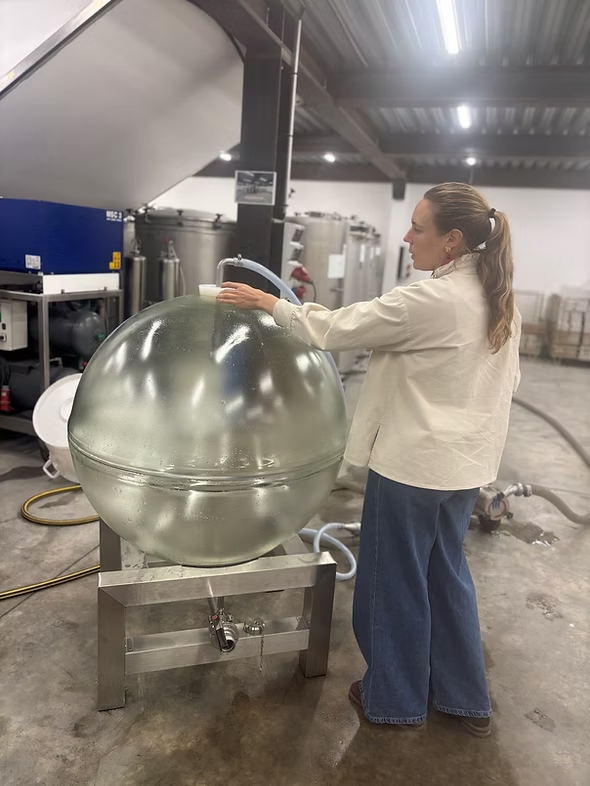
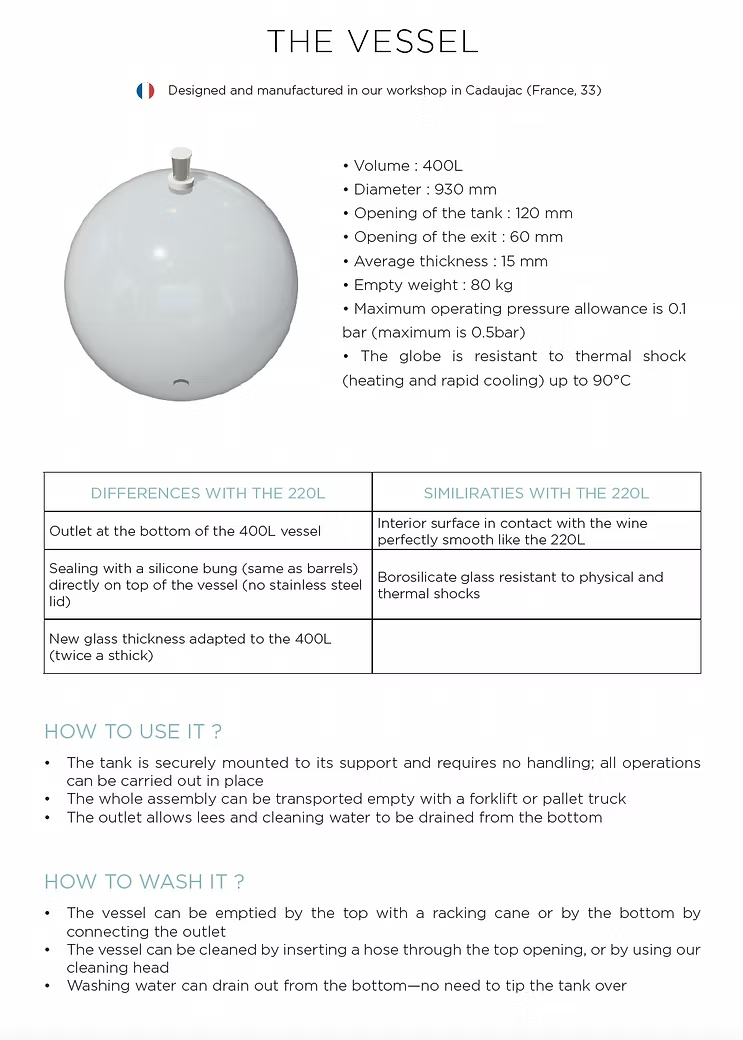
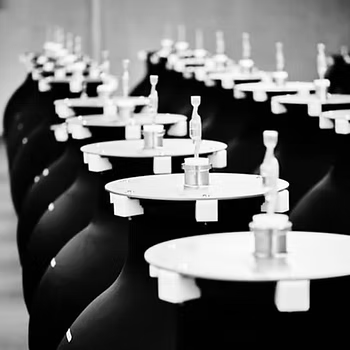
Create an actual sphere that is more natural in shape and entirely made of borosilicate glass
Decrease the price per L: 220L / 4,950 EURO vs. 400L / 5,950 EURO -
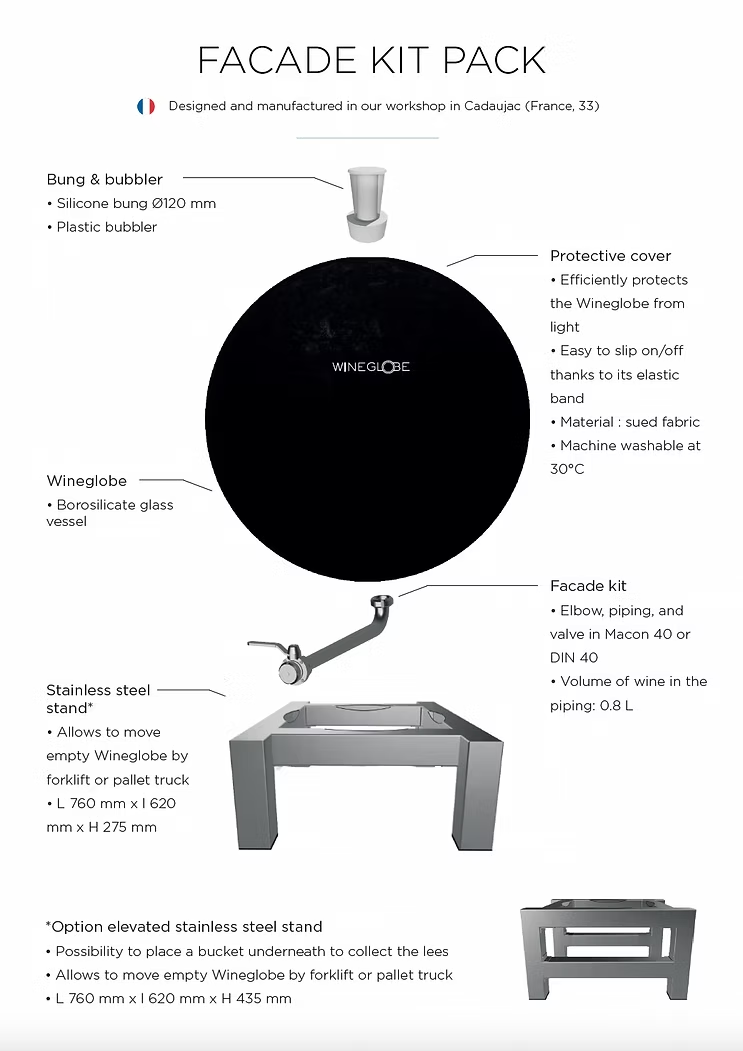
Easier handling via it's forklift friendly stand
Easier cleaning via valve opening or 90 degree elbow
Produced locally on site in Cadaujac Bordeaux, France
Production
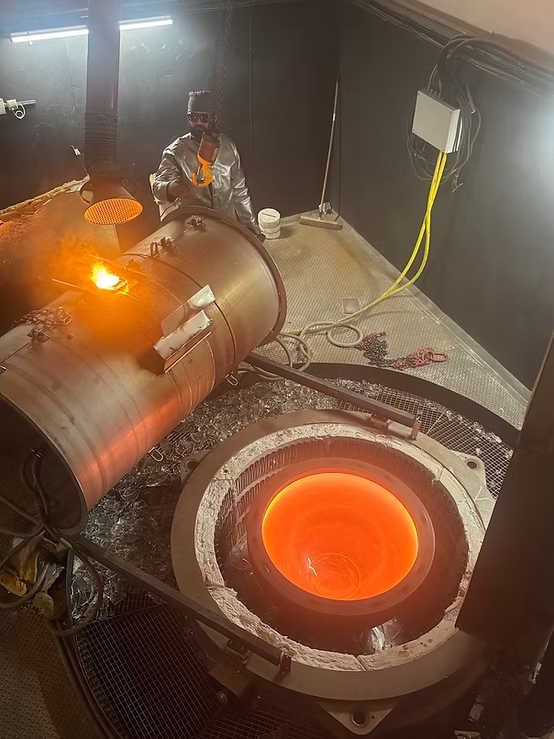
The 400L Wineglobe is produced via a patented process involving two separate half spheres which are then fused together to make a complete sphere. The production is internalized at Famille Paetzold and is overlooked by the youngest of the Paetzold's; Paul. At the origin of the Wineglobe is glass which is melted sand that in the future can be sourced even more locally close to Bordeaux's infamous Dune du Pilat sand dunes.
Practicality
CEO of Famille Paetzold and Wineglobe, Marie's goal was to make the bigger 400L Wineglobe entirely made of glass and more practical to use in the cellar. Hence, a large 120 mm bung opening and 90 degree elbow allow for easy cleaning with water between usages. The 400L Globe lives on its' forklift friendly stand allowing the winemaker to never need to displace or manipulate the globe itself.
Global References using the 400L Wineglobe Since 2025:
BURGUNDY:
DOMAINE HENRI MAGNIEN - SAMUEL BILLAUD - DOMAINE VOCORET ET FILS - DOMAINE SIGAUT - DAVID COUTELAS
CHÂTEAU OLIVIER
CHAMPAGNE:
SAVART - CHAMPAGNE JM SELEQUE - CHAMPAGNE PATRICE GUAY - FLOQUET DOUSSET
MATTHIEU BARRET / DOMAINE DU COULET
DOMAINE LAPORTE - GERARD BOULAY - LOUIS BROCHET - DOMAINE DIDIER DAGUENEAU - DOMAINE DE MONTGILET - DOMAINE HENRI BOURGEOIS
CORSICA:
DOMAINE U STILICCIONU - DOMAINE DE VACCELLI - DOMAINE DE VICO
ITALY:
POGGIO TORSELLI - ANTINORI - OASI DEGLI ANGELI - WEINGUT KORNELL - CANTINA BOSCO ALLE VIGNE - DI PETROGNANO
SPAIN:
RAFAEL PALACIOS - INDUSTRIA CESPEDES E HIJOS - BODEGA GRAMONA - JOSEP MASACHS - RECAREDO - SAN VITORIO - IBIZKUS WINES - PINTIA - CAN REON - BODEGA COSME PALACIO - MAS BLANCH I JOVE - TENIM TOT PER AL VI - TROSSOS DE PRIORAT
OTHER:
KINROSS WINERY - CAVE DES AMANDIERS
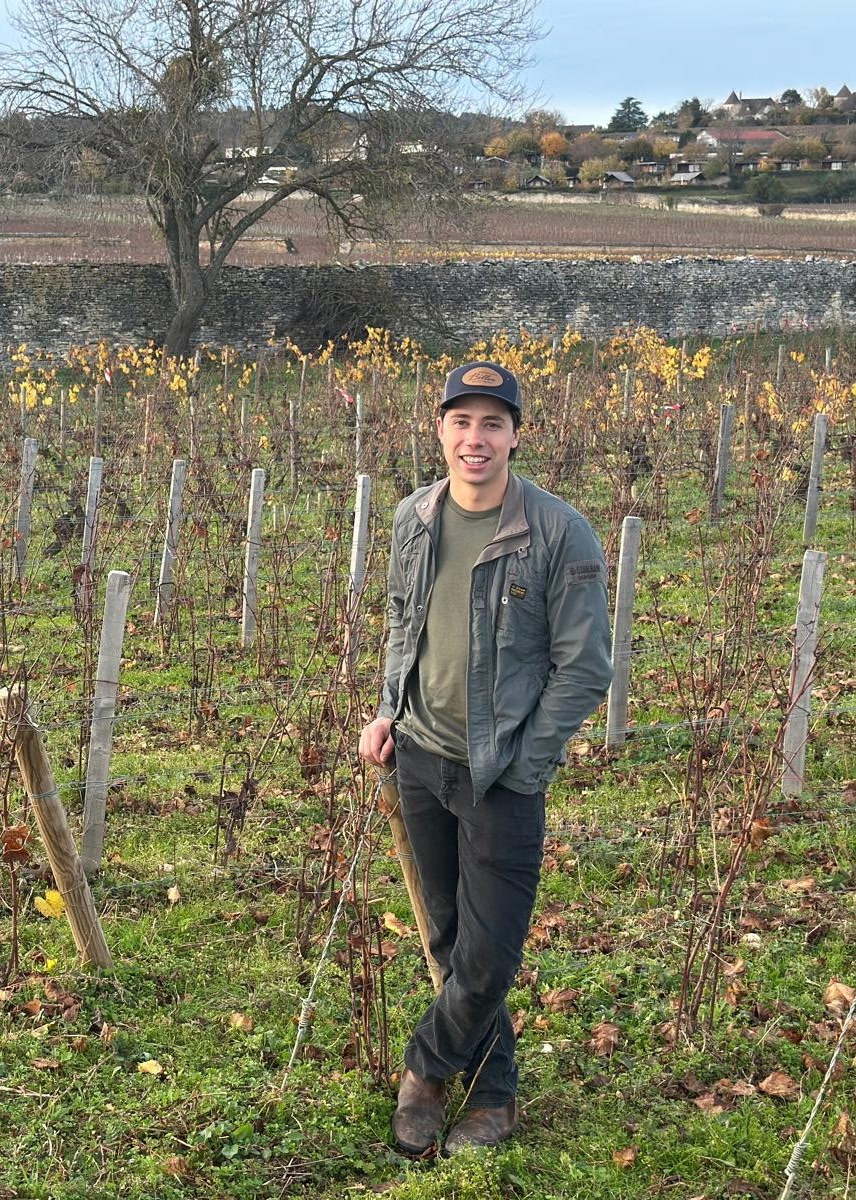 Bouchard Cooperages, a leading representative of premium oak solutions for the wine, spirits, and beer industries, as well as non-oak vessels for aging and fermentation, is pleased to announce the appointment of Austin Culver as International Barrel, Oak and Tank Consultant, working exclusively with winemakers in Washington State, British Columbia, the Columbia Gorge of Oregon and Idaho.
An accomplished winemaker with more than 15 years of hands-on experience across nearly every major West Coast wine region, Culver brings a rare blend of technical production expertise and relationship-driven sales acumen to the role. He will collaborate closely with winemaking clients on barrel and tank selection, fermentation strategy, and long-term cellar planning.
Based in White Salmon, Washington, Culver is the owner and winemaker of CLYZM Wines, sourcing fruit from vineyards throughout the Columbia Gorge and Eastern Washington. His career includes leadership roles in wine production and cellar management at wineries in Washington, Paso Robles, Oregon and New Zealand. In addition to building his own brand and tasting room, Culver has developed a reputation as a highly personable communicator and taster with a deep appreciation for the people behind the wines.
TRADE SHOWS
Throughout the year, Bouchard Cooperages attends annual trade shows and puts on tasting events for winemakers to showcase our products.
- December 4, 2024: WinExpo - Santa Rosa CA
- January 14-14 2025: Texas Hill Country Wine Symposium -- Horseshoe Bay Resort, TX
- January 28-29, 2025: Unified Wine & Grape Symposium - Sacramento CA
- February 3-5, 2025: Oregon Wine Symposium - Portland OR
- February 10-12 2024: Winevit - Kennewick WA
- March 13, 2024: WIVI - Paso Robles CA
- March 25-27, 2024: Eastern Winery Exposition - Lancaster NY
Bouchard Cooperages is very proud to represent Tonnellerie Damy, based in Meursault, one of the most prestigious cooperages in Burgundy.
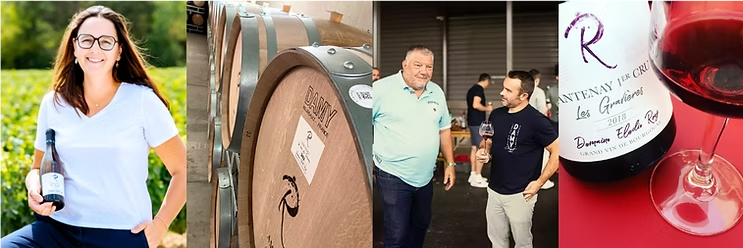
Tonnellerie Damy, and its French Sales Manager Étienne Martin, work exclusively with their neighbor and client Domaine Élodie Roy in Maranges. This important producer uses Damy barrels exclusively for its production of chardonnay, aligoté and pinot noir. For those interested, the same Damy barrels Élodie Roy uses for the production of these wines are currently available from stock inventory in California, Oregon, Washington, Virginia and Ontario.
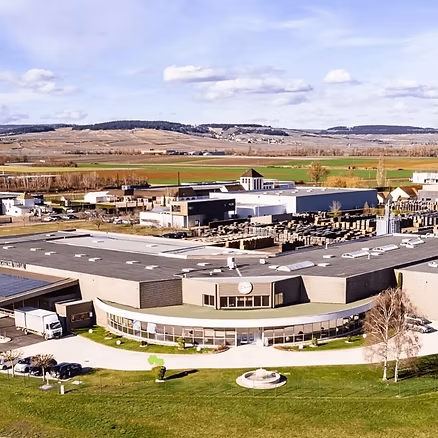
Tonnellerie Damy - Meursault, France
Tonnellerie Damy was founded in 1946 and is managed by third generation Jérôme Damy who overseas the production of 18,000 barrels per year. The cooperage represents a state of the art facility located in Meursault, Burgundy. The majority of Damy's barrels are made from single origin French Oak, sourced from the most desirable forests used for winemaking, and its barrels and puncheons are found in the most prestigious of cellars worldwide,
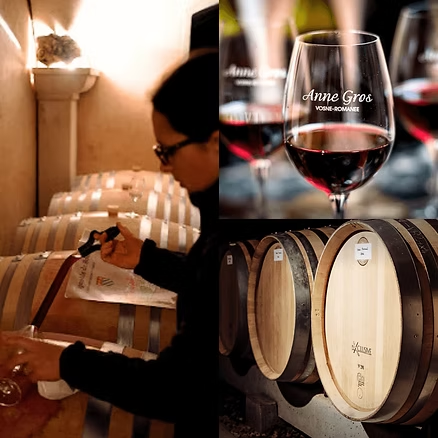
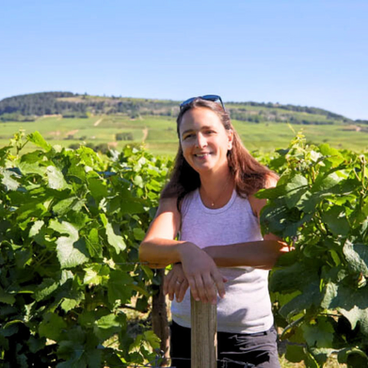
Élodie Roy - From lawyer to working in Anne Gros's cellar
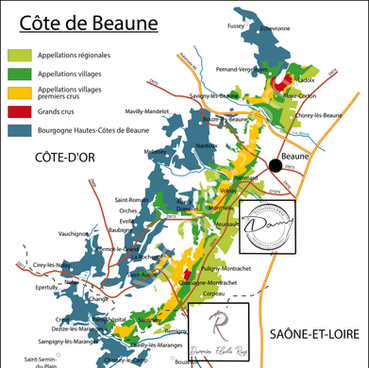
Élodie comes from a family that cultivated vineyards in Cheilly-lés-Maranges in the Southern tip of the Côte de Beaune for decades and would sell the grapes in bulk to négociants. At a young age, Élodie pursued a career in law and banking but realized her true passion lay in wine. After going back to school for viticulture and enology, Élodie worked for 11 years until 2018 at the famous Vosne-Romanée Domaine, Anne Gros where she honed her craft.
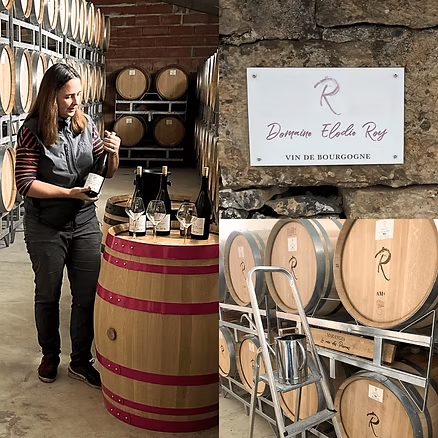
Domaine Élodie Roy .. back to her roots
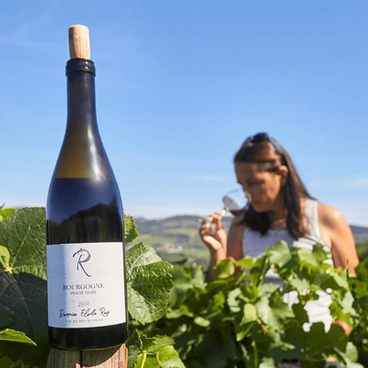
In 2018, Élodie reclaimed her family's heritage and returned to Cheilly-lés-Maranges to launch Domaine Élodie Roy. Élodie took over 24 acres between the appellations of Maranges and Santenay which are planted 85% pinot noir and 15% chardonnay and aligoté. Élodie implements sustainable viticulture with ploughed soils, natural grassing and terroir respecting vineyard work. Élodie's husband Étienne Martin has been the France Sales Manager for Tonnellerie Damy since 2000, with who she works exclusively.
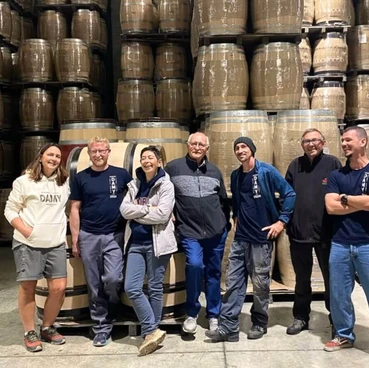
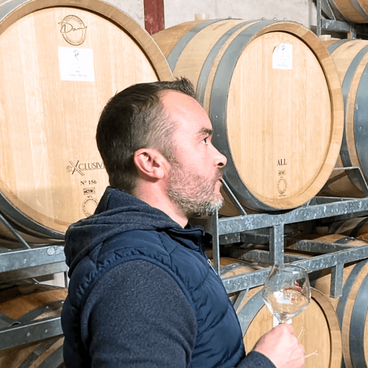
Usage of Tonnellerie Damy at Domaine Élodie Roy
Étienne and Élodie are high school sweethearts and when asked about supplying his wife with Tonnellerie Damy barrels. Etienne comments "she is my favorite, but most difficult customer" with a grin on his face and twinkle in his eye.
Stylistically, Élodie only uses 20% new oak on her top cuvées therefore: "En Builet" Maranges chardonnay, Maranges "La Rue des Pierres" pinot noir and her standout Santenay 1er Cru "Les Gravières" pinot noir. When it comes to pinot noir, Élodie uses between 30% - 40% whole cluster and she favors minimal sulfur use at around 20 ppm of free SO2. Her wines are considered having freshness, brightness, elegance and structure and her barrel regime varies between the vintages.
Through tight collaboration with her husband Étienne at Damy, she favors a combination between high and low impact barrels in order to have balance and build complexity. For this reason, in her cellar you will mainly see a mix of Damy Allier, M+ toasted barrels for power, structure and aromatics and then Damy Exclusive (extra tight grain mix of Allier, Vosges and Jura with the famous LL++ toast) for restraint, focus and tension.
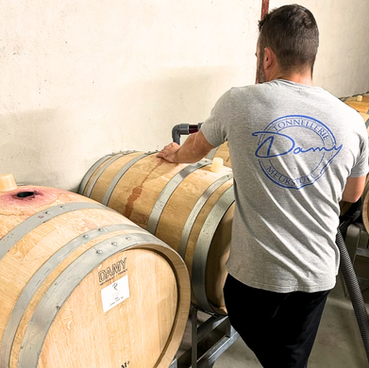
For questions or availability regarding stock Damy barrels, puncheons and pricing as well as other supplier stock availability, please see the stock reports from our California, Oregon, Washington, Virginia and Ontario warehouses below. Do not hesitate to reach out to your Bouchard Cooperages point of contact or sales@bouchardcooperages.com / +1 707 - 257 - 3882 for more information.
With the first days of summer upon us, we would like to share some information about our premium 100% Hungarian Oak barrels, made by European Coopers Hungary; the third largest cooperage in Hungary.
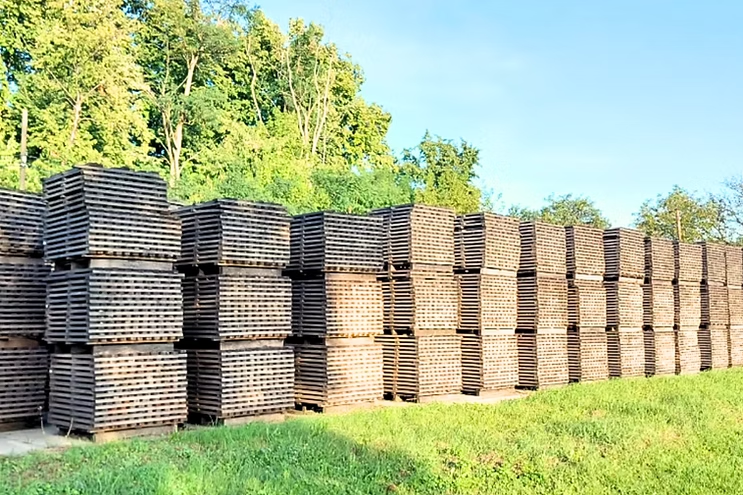
European Coopers Hungary is completely vertically integrated, with direct control of sourcing and production, from the forest to splitting, seasoning, and toasting. Managing every step of the process to ensure quality and consistency.
European Coopers Hungary - History
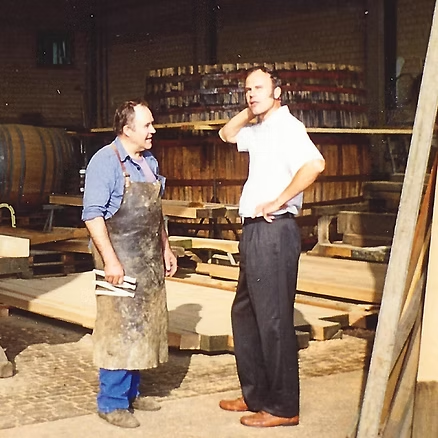
European Coopers Hungary was founded in 1997 by Master Cooper Kristóf Flódung together with renowned representatives of the Italian wine industry including Piero Antinori from Tuscany's Marchesi Antinori, Eugenio Gamba from Piemonte's Botti Gamba and Jacopo Mazzei from Tuscany's Marchesi Mazzei. The goal of European Coopers Hungary was to produce 100% Hungarian oak premium barrels for noble Italian wines.
European Coopers Hungary - Today
European Coopers Hungary produces roughly 2,500 barrels a year at their Southern Hungary facility located in Palotabozsok near the Mecsek oak forest. Since its' inception of coopering barrels meant for noble Italian wines, the cooperage has expanded production for export markets and employs a team of 10 coopers. Kristóf oversees all technical aspects of the cooperage while Dr. Katalin Pintacsi overseas daily activities.
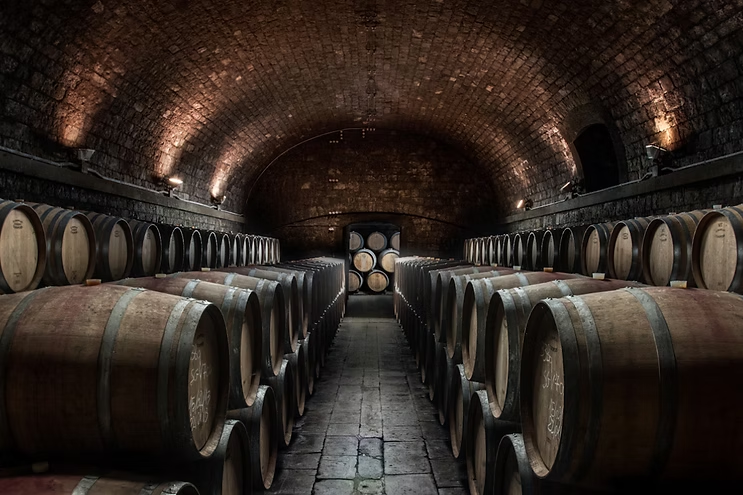
Marchesi Antinori
Represents one of Italy's oldest and most prestigious wine producers, with a winemaking legacy dating back to 1385. The Antinori family has played a pivotal role in the evolution of Italian wine, especially through their innovations in Tuscany. They are well known for iconic wines such as Tignanello and Solaia, which helped pioneer the Super Tuscan movement. Today, the company is led by the 26th generation, continuing to balance tradition with modern viticulture.
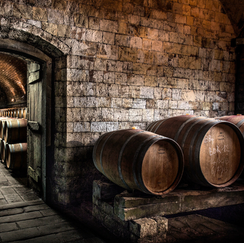
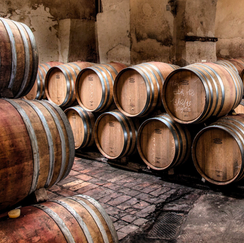
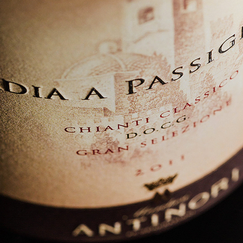
Badia a Passignano & European Coopers Hungary
The Marchesi Antinori Badia a Passignano estate is nestled in the heart of Tuscany's Chianti Classico region and only 3 km south of Tenuta Tignanello. The historic terroir has long been particularly well-suited to the cultivation of Sangiovese. Post primary and malolactic fermentation, the wine is partially aged in new 300L European Coopers Hungarian oak puncheons made from a blend of Hungarian Tokay and Mecsek oak.
Hungarian oak is the same Quercus Petraea oak species as French oak. However, the growing terroir of Hungary is different than that of France and contributes to a slightly darker, richer and more "Christmas" spice character in comparison to French Oak that suites elegant and noble red wines.
With EUROPEAN COOPERS HUNGARY barrel and puncheon stock currently in inventory and more on the water, please enquire below if interested or reach out to your Bouchard Cooperages point of contact.
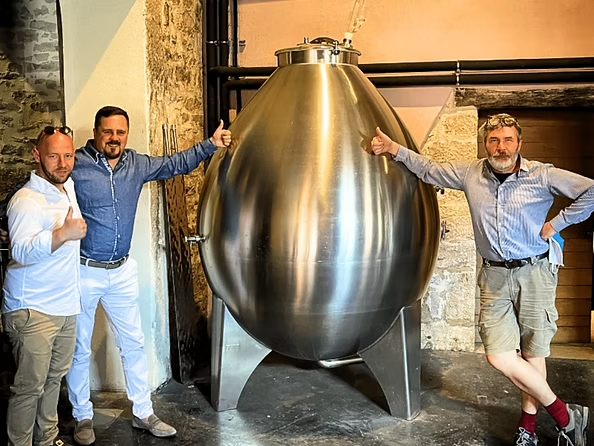
With summer around the corner and containers of all sorts of vessels including Egginox tanks fresh from Slovenia on the water, the Bouchard Cooperages team wanted to take the time to highlight the special relationship between Egginox and one of their larger Burgundy clients: Domaine Trapet. For any producers still interested in Egginox (500L - 2,500L) it is not too late to add any orders in our containers so please enquire.
History
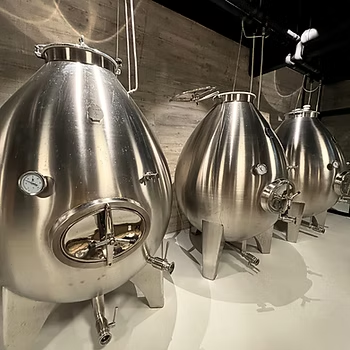
Egginox was founded in early 2019 when three Slovenian friends and business partners working in the stainless steel and wine industry were tasting in a cellar. They were tasting wine from wooden and concrete eggs, and they realized nobody had created a stainless steel egg. The following year was, of course the global pandemic, but during the ensuing lockdown, the three partners started experimenting and finding winery partners.
Today
Egginox is currently manufactured at Slometal in Nova Gorica, Slovenia which borders Italy and the Friuli wine region, one of the aromatic white wine capitols of the world. Slometal is engaged in the wholesale distribution of premium Grade A stainless steel all over Europe. Due to its access to an extremely high-quality primary material, Egginox is able to engineer stainless steel eggs for winemaking. The company is owned by Senad Orcascanin and Ivan and Klemen Princic.
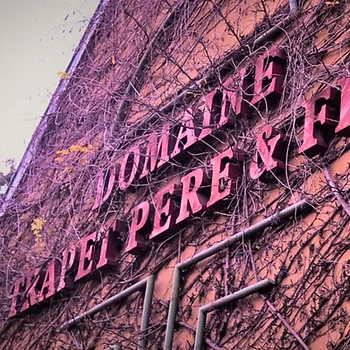
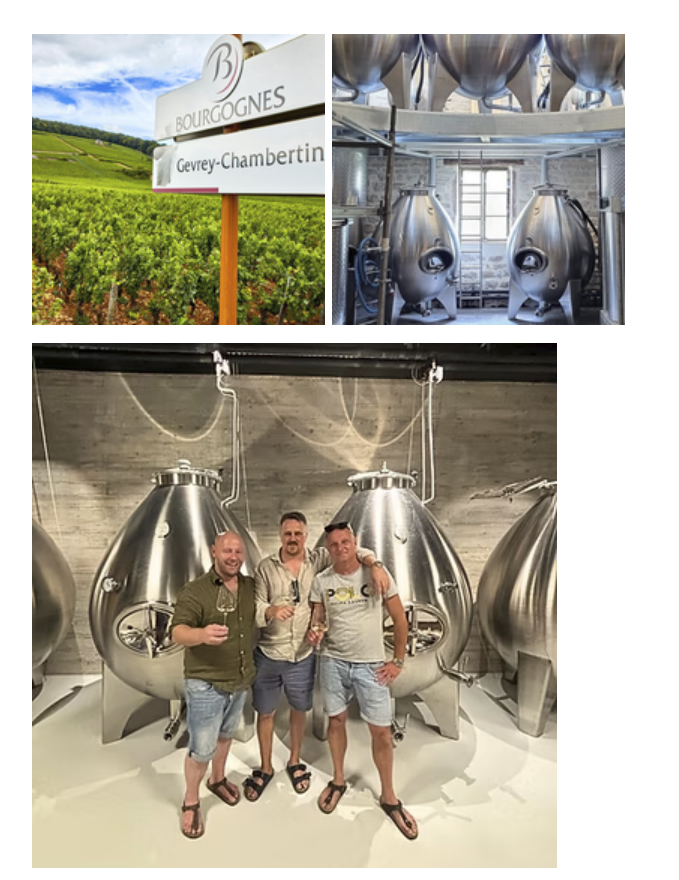
Domaine Trapet - Gevrey Chambertin
Represents an important reference winery located in Burgundy's renowned Côte de Nuits appellation. The domaine was established in 1919 and includes 15 hectares with 13.5 hectares dedicated to pinot noir and 1.5 hectares dedicated to chardonnay. Estate holdings include Chambertin, Latricières, Chapelle-Chambertin Grand Cru sites as well as important Premier Cru Sites. Viticulture emphasizes biodynamic and minimal intervention practices.
Burgundy .. but also Alsace
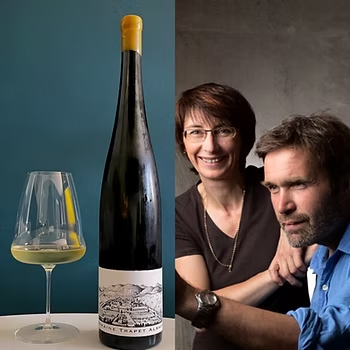
Although a reference pinot noir producer in Côte de Nuits, in 2003 Trapet expanded their winemaking endeavors to Alsace where Jean Louis Trapet's wife, Andrée Trapet inherited her family's vineyards. As a result, the family has important riesling and Gewürtztraminer Grand Cru sites including Schoenenbourg and Schlossberg and a winery structure in Riquerwihr.
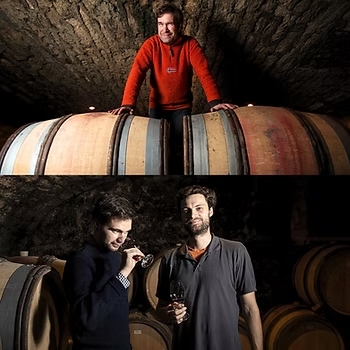
Domaine Pierre & Louis Trapet
Jean-Louis Trapet took over the family domaine in 1995. However, management now includes his wife and their two sons Pierre and Louis. Besides managing winemaking and viticulture both in Gervrey and Alsace, Pierre and Louis have their own label: Domaine Pierre & Louis Trapet that includes their own 2 hectares in the Côte de Beaune which includes Aligoté and Pinot Noir.
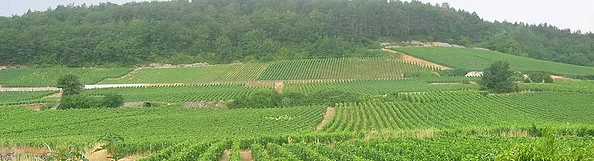
Usage of Egginox at Domaine Trapet
The partnership between both companies started in 2020 during the Covid pandemic. The Egginox are used both at the Domaine Trapet and Pierre & Louis Trapet family estates in Burgundy and Alsace. At the winery in Gevrey-Chambertin, the Egginox are used for fermenting and aging Burgundy whites. But are also used post barrel fermentation and aging prior to bottling. This helps push the wine into a slightly reductive state and concentrates the wines prior to bottling. For pinot noir, the Egginox are used for aging and "soutirage" work.
Numbers at a glance
13x 1,500L & 2,500L Egginox
Used for fermenting, aging and soutirage for aligoté, chardonnay and pinot noir
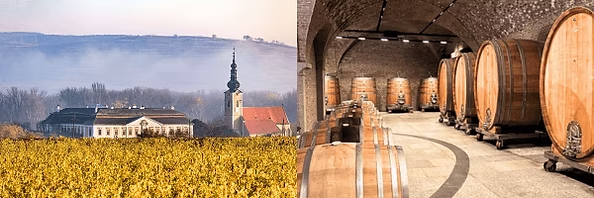
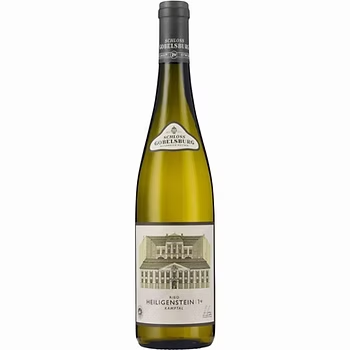
 With Spring in the air and Schneckenleitner cask and puncheon orders being fulfilled and planned in Austria, the Bouchard Cooperages team wanted to take the time to highlight the special relationship between the Schneckenleitner family and their largest of client's: Schloss Gobelsburg from Austria's Kamptal region. For any producers still interested in casks and puncheons (500L - 800L) it is not too late to add any orders in our containers or choose from the current stock options of 500L puncheons that we currently have in our US warehouse.
Fassbinderei Schneckenleitner
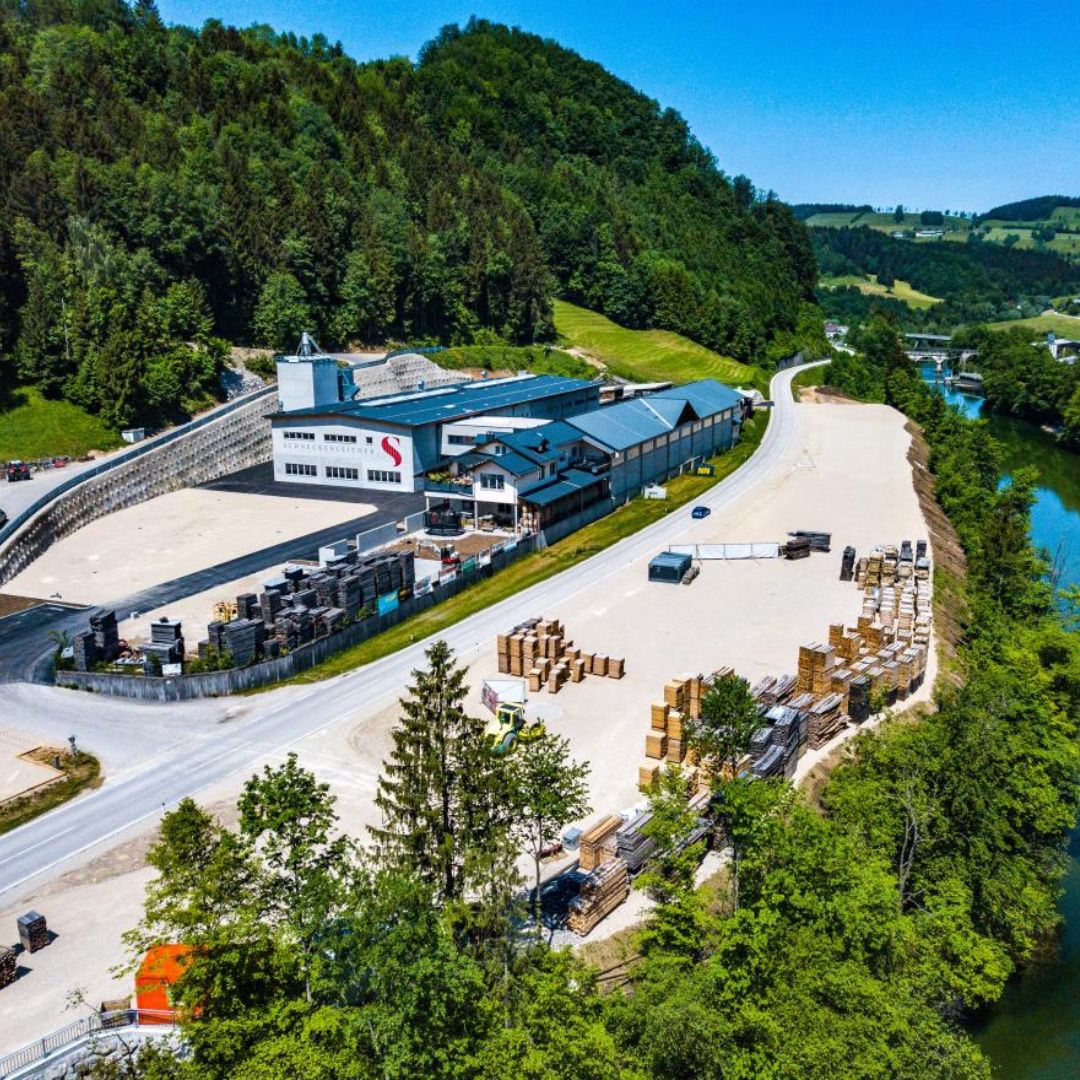
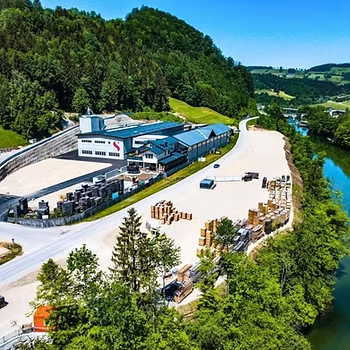
Family owned and operated since 1880, the Schneckenleitner family has been manufacturing Austrian oak and Acacia puncheons, casks and conicals for five generations. Nestled along the Ybbs river in Waidhofen an der Ybbs, the new state of the art cooperage, stave mill and wood maturation park was inaugurated in 2022 allowing for the Schneckenleitner's activity to all live in one spot and be 100% vertically integrated.
Austrian Puncheons, Casks & Conicals
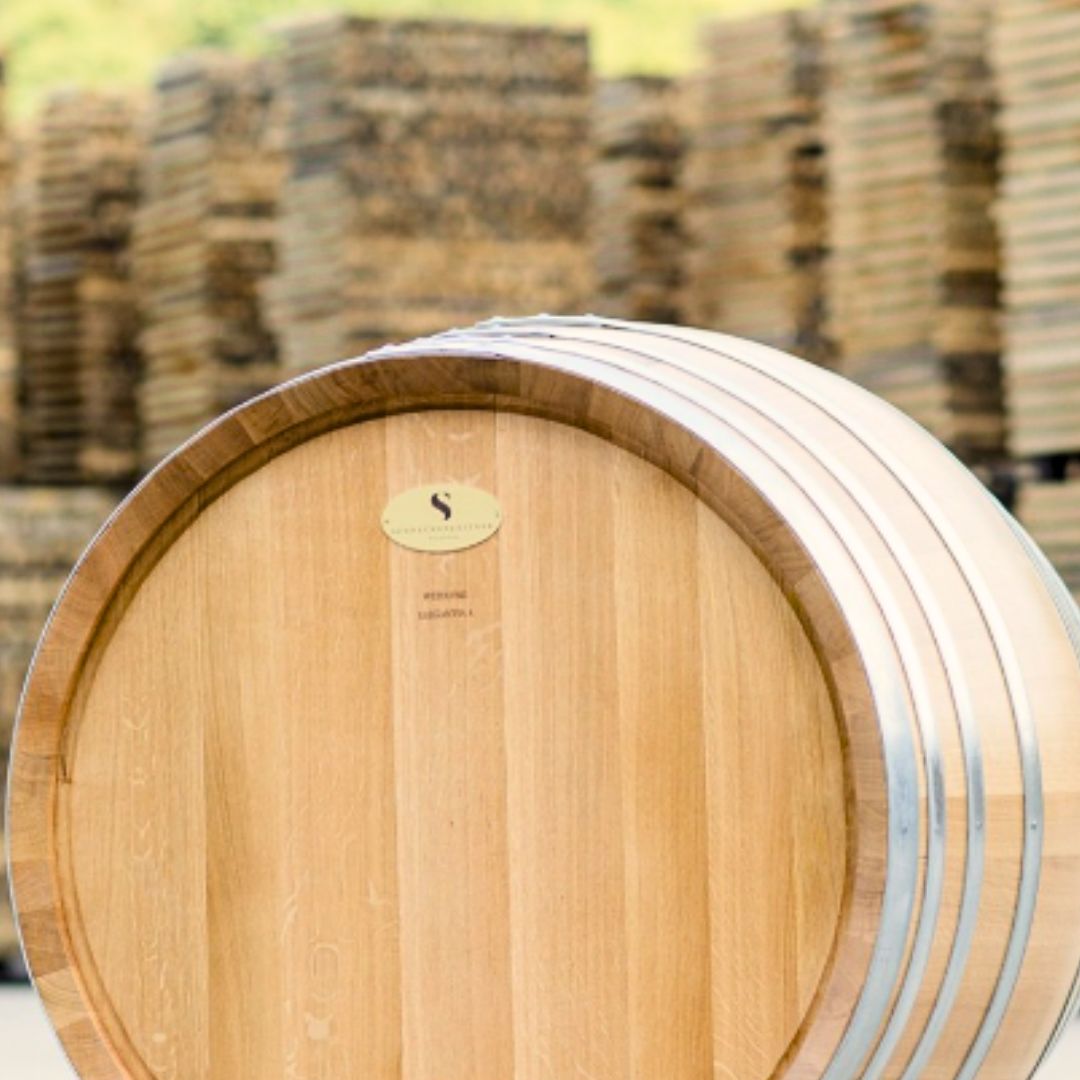
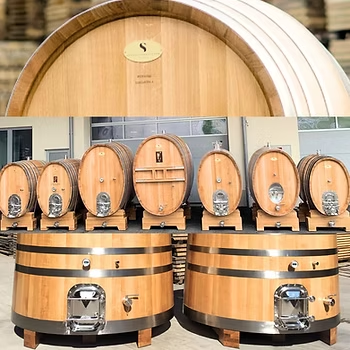
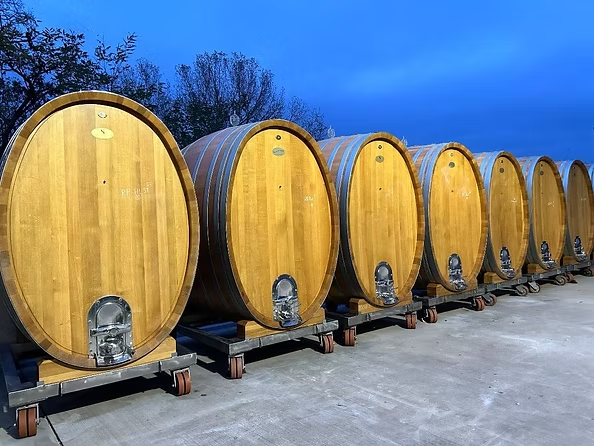
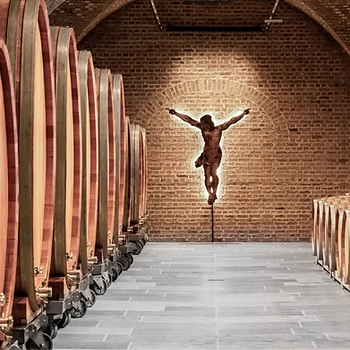
Schneckenleitner's claim to fame are their casks and upright conicals which they produce 180 units per year and can be found in the most prestigious of cellars throughout Europe, North America and the world. However, their 100% Austrian Oak lightly toasted puncheons which range between 500L - 800L have become extremely popular for those wishing to get a taste for tight grain Austrian oak and how it can compliment their wines.
The Schneckenleitner brothers
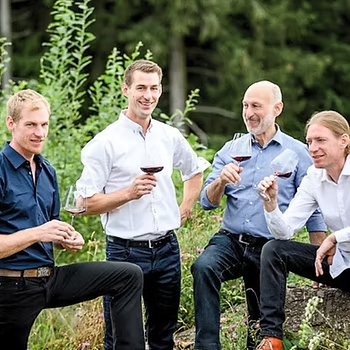
Paul Schneckenleitner, the eldest of the three brothers serves as the company’s CEO and manages daily operations. Prior to taking over the reigns of his family cooperage, Paul gained valuable experience working in premium cooperages in Burgundy and Cognac. His two brothers, Peter and Herbert oversee stave production and toasting to ensure the cooperage maintains its high standards of quality.
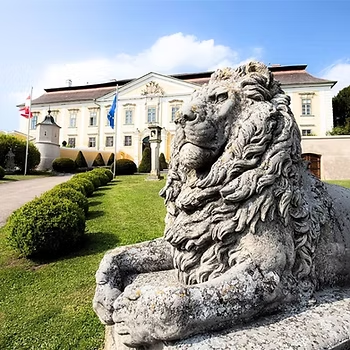
Schloss Gobelsburg
Represents the oldest wine estate in Austria's Kamptal wine region and has been making wine since the 12th century. The estate consists of over 80 hectares of vineyards split between 50% Grüner Veltliner, and 25% Riesling which are used for still and sparkling wines. Reds make up the rest between Zweigelt, Pinot Noir, St. Laurent and Merlot. The estate produces just under 1 million bottles a year and in 2021 finished it's brand new cellar for it's 850 years!
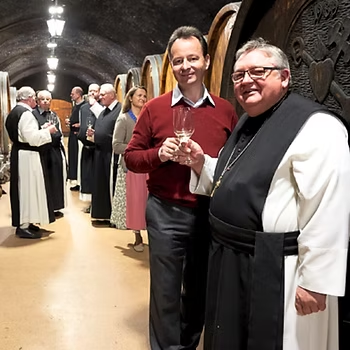
Burgundian Cistercian monk influence
The roots of the estate date back to 1171 where the same Cistercian monks that planted pinot noir and chardonnay in Burgundy arrived and planted the first vineyards. In 1996, Eva and Michael Moosbrugger acquired the estate leading to vineyard and cellar renovations. It's vineyard holdings are split between regional wines, village wines and individual selections that include it's most premium wines from Ried Heiligenstein and Ride Lamm.
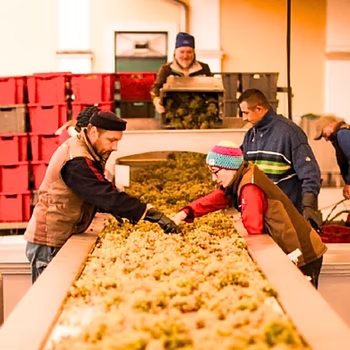
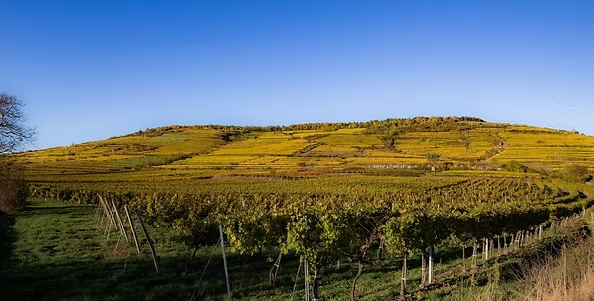
Focus on Riesling and Gruner Veltliner
Austria's Kamptal region is most famous for the quality of it's white wines and the estate's holdings in Heiligenstein (Riesling parcels) and Lamm (Grüner Veltliner parcels) represent Schloss Gobelsburg's claim to fame. All vineyards are harvested by hand, rigorously sorted and then fermented spontaneously with indigenous yeasts in a variety of 73 different Schneckenleitner casks which range between 27 and 55 hL.
Usage of Schneckenleitner at Schloss Gobelsburg
The partnership between both companies started in 1996 between Paul Schneckenleitner's father and Michael Moosbrugger of Schloss Gobelsburg. Unique to the partnership is that local tight grain Austrian oak from the Manhartsberg forest located next to the estate is milled and used for the production of their casks. Casks are toasted with a proprietary toast between Light Long and Medium. Per Schloss Gobelsburg's request, casks are equipped with stands on wheels so that they can be easily transported outside of the winery during the winter for natural cold stabilization. Whites are fermented in oak and the single vineyards see 18 months of aging while regional and village wines see only 12 months.
Numbers at a glance
73x 27 - 55 HL Casks
80% for fermenting and aging Riseling and Gruner Veltliner & 20% for aging reds
4x 35 HL Upright Conicals
Fermentation and aging of reds: Pinot Noir, Merlot, Zweigelt and St. Laurent
160x 600L Demi-Muids
10% for fermenting and aging whites and 90% for aging reds
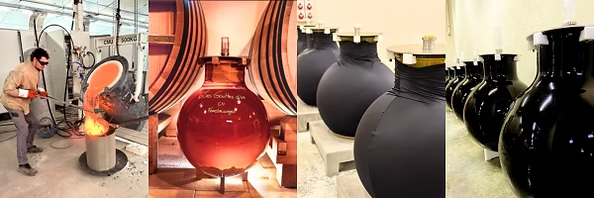
Wineglobe, produced in Bordeaux France by the Paetzold family are single-piece borosilicate glass globes which are currently available in 115L and 220L. They allow for the purest expression regarding terroir drive-wines due to the neutrality of the material: glass. The Wineglobe was created in 2015 and can be found in the most important wine regions in the world. Today it represents the ultimate reference high-end cutting edge vessel, found in the most prestigious of cellars, for the fermentation and aging of white and rosé wines and the aging of reds.
Why do producers use Wineglobes?
Rangeing from French references in Bordeaux, Burgundy, Champagne, Loire, Côte du Rhône and far in between, Wineglobe feedback from wine producers includes:
For pure and unadulterated expression
Blending
No Reduction
No release of elements into the wine
Flawless Hygiene
Decrease in the use of SO2
Easy to clean
To learn more, please find below testimonials from longstanding Wineglobe clients from across France.
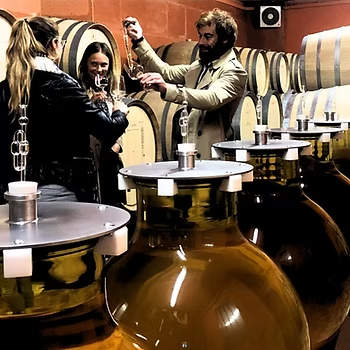
Louis Dagueneau - Domaine Didier Dagueneau - Sauvignon Blanc - Loire Valley:
"The pure style of the Wineglobe suits my philosophy to a tee. Something neutral that preserves the raw material, while guarantying sufficient volume for vinification devoid of any chance of deviation. One of the more important advantages is the absence of porosity in glass. I add SO2 at the end of the alcoholic fermentation to get 20 to 25mg/l of free SO2, then there's nothing left to do. As a result, the total SO2 stays low, which is noteworthy. It is much easier to clean than wood, there is no comparison."
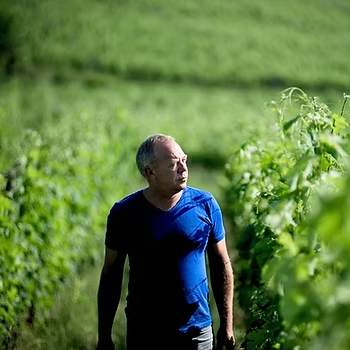
Stéphane Derenoncourt - Consultant and owner of Domaine de l'A - Bordeaux whites and reds - Côtes de Bordeaux:
"For the whites, the idea of using a material that is completely neutral and airtight enabled us to understand a lot of things, whether about fermenting with indigenous yeasts, or even more about aging. The adventure of aging the reds is enthralling with the Wineglobe. It challenges all the definite views acquired through classical aging in wood, as well as in vats or amphorae. The notion of time becomes essential then. Once again, we have found the ideal vessel to seek purity, freshness, and identity.
Domaine Arnaud Ente - Chardonnay - Meursault, Burgundy:
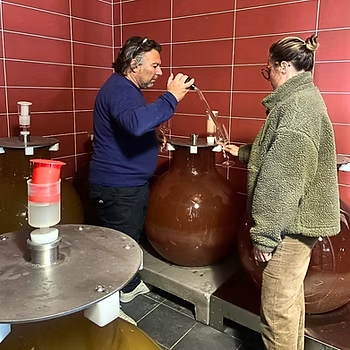
"We have realized that Wineglobes allow more homogenous and controlled winemaking than traditional oak barrels. Furthermore, racking is more efficient and we use less water for cleaning. We have more flexibility in terms of which vessel to fill depending on the vintage. The Wineglobe being clean, inert and sterile means increased security as far as possible microbiological contamination. The fact that there is practically no topping up adds value to the lasting nature of the vessel, which once crafted, wears down very little and thus has a very long life expectancy. Taking all these aspects into account, our winery has decided to use this vessel for a large part of our production."
Champagne Frédéric Savart - Champagne Savart - Champagne:
"I find the result really interesting. Also, it is very practical: The Wineglobe is easy to use, and you can easily reduce the use of SO2 as the wine is well protected ...
David Suire - Director of Château Laroque - Bordeaux Reds - Saint-Emilion:
"Working with Wineglobe glass vessels has taught and helped us a lot during the winemaking stages of the past two vintages. Thanks to its purity and protective nature – regarding oxygen among other things – the glass vessel allowed us to follow and accompany the evolution of a number of our wines from various clay-limestone soils. Without any interaction with wood, and perfect control of oxygen addition to the wine, it was completely novel, highly instructive and even fascinating to see that raw – almost unadulterated – material of the freshly fermented wine evolve."
Xavier Vignon - Xavier Vins - Rhône rosé, whites and reds - Châteauneuf du Pape:
"Returning to the intrinsic purity of wine, such is Xavier Vignon’s philosophy. How to vinify in such a way as to preserve the aromatic diversity of the wines without betraying the purity of the juices. He turns to a new way of ageing :a new material, pure and ensuring a vinification without exchanges between the container and the content: glass. The Wineglobe, an ultra-resistant glass tank, has all these advantages: inert, waterproof and unalterable. It ensures the purest and most precise expression of the terroir and the best development of the wine."
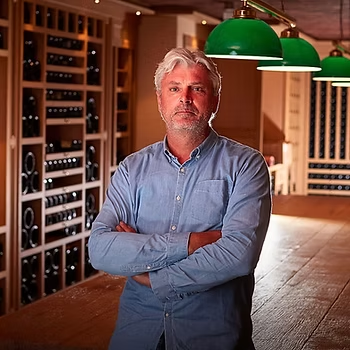
Christophe Perrot - Minot - Domaine Perrot - Minot - Pinot Noir - Morey-Saint-Denis, Burgundy:
"The Wineglobe enables to keep a picture of the wine as we want it to be during making and pressing without any upsetting elements such exogenous tannins from the wood of casks. The wine isn’t worn down by oxygen during the aging phase in the Wineglobe, thanks to which it retains its entire freshness and precision without displaying any sign of fatigue. This winemaking technique paves the way for great new perspectives to keep wine in its original condition over many years."
Tava
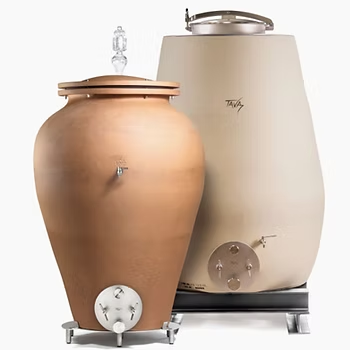
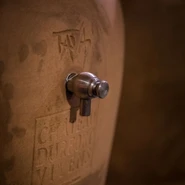
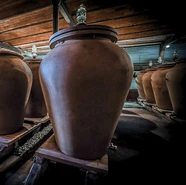
Located in Mori Trentino, Italy, since 2010 Tava has been crafting technical ceramic amphora for winemaking. Produced from a patented mixture of local clay, the ceramic amphorae are fired at a temperature that results in a consistent 5% porosity, the same as on new oak barrels. The firing temperature can also reach a 2.5% porosity for whites or lighter reds that would benefit from a slower micro-oxidation. Tava amphora are found in: 320L, 750L, 1250L, 1600L or 2500L.
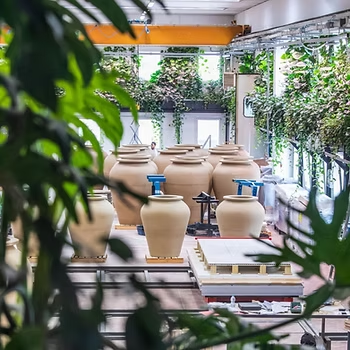
Ceramic for winemaking
Tava crafts ceramic amphora solely for winemaking with the most winemaker friendly of accessories and options. Since its inception in 2010, the classic "amphora" shape available in 320L, 750L, and 1600L. The 1600L can be equipped with a side hatch; it has been used both by white and red producers across the world.
NEW! Monolite Tank
Pressed by customers to offer an even larger ceramic tank that can be used both for fermenting and aging inside of, Tava responded. The 1250L and 2500L. Monolite tank's "tulip" conical shape allows for optimal cap extraction for fermenting reds inside but can also be used for fermenting and aging whites.
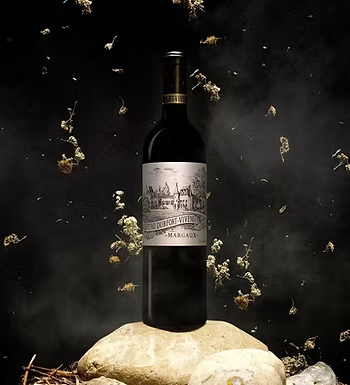
Château Durfort - Vivens
Located in Margaux on the Left Bank and recognized as a Second Classified Growth in 1855, the Château is now part of the Lurton family. The estate is now double certified in bio and biodynamic. The first wine consists of 90% Cabernet Sauvignon, 8% Merlot and 2% Cabernet. Since 2017, the Château's first wine is aged for 18 months in 70% new 225L oak barrels and 30% 750L Tava ceramic amphora, of which the Château collection now numbers over 200 of them.
Why incorporate Tava Ceramic Amphora?
Margaux and Bordeaux producers may be the last place you would expect to find Tava ceramic amphorae, but the Château are finding their contribution essential to expressing the purity of its local and historic terroir, and adding a freshness and vibrancy while maintaining it's old world winemaking style.
Château Durfort Vivens transitioned to using Tava ceramic amphora for three main reasons:
Reduce the amount of SO2 and sulfites added during the aging stage of their wines
Preserve the fruit and freshness in the wine
Aesthetic beauty and harmony inside of the cellar
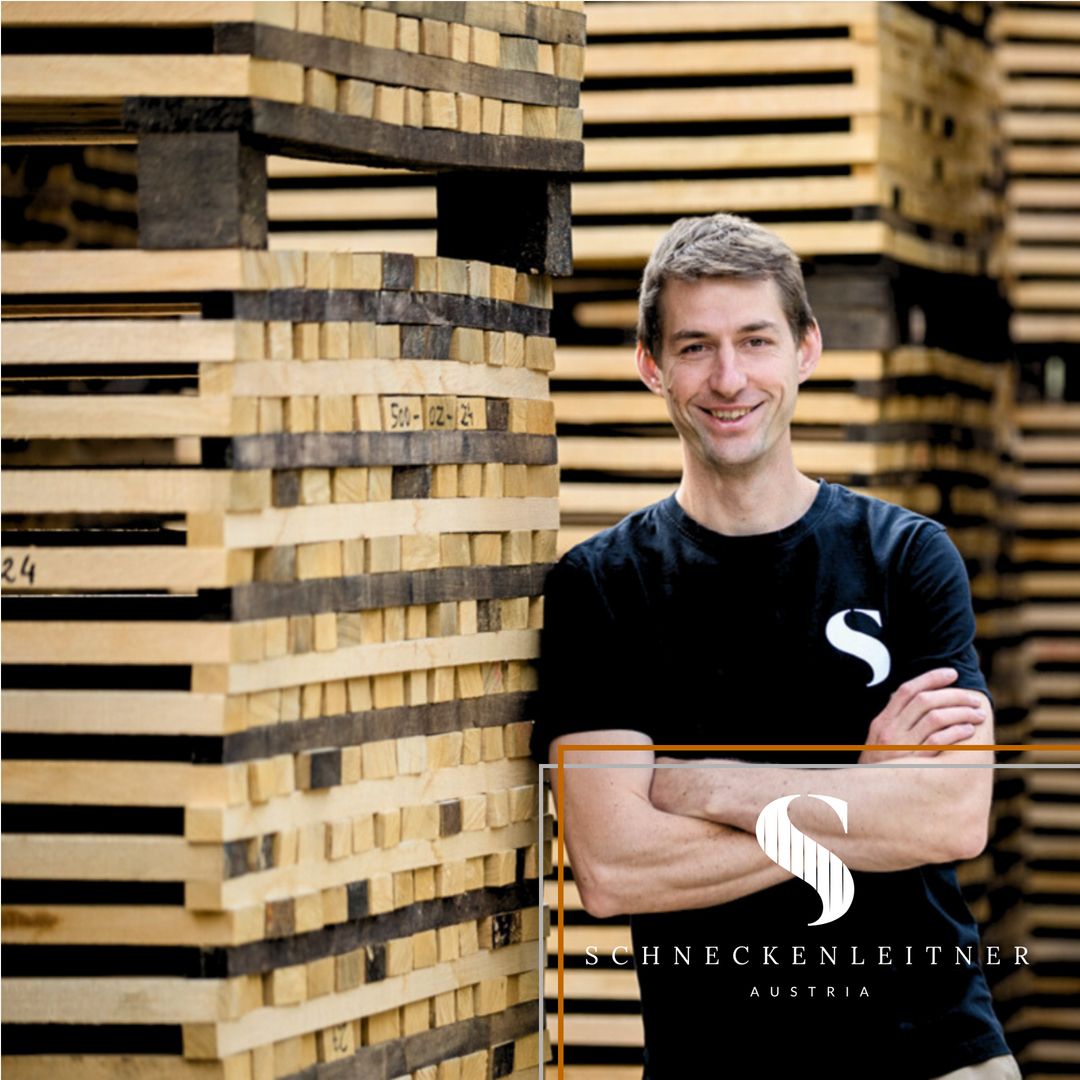
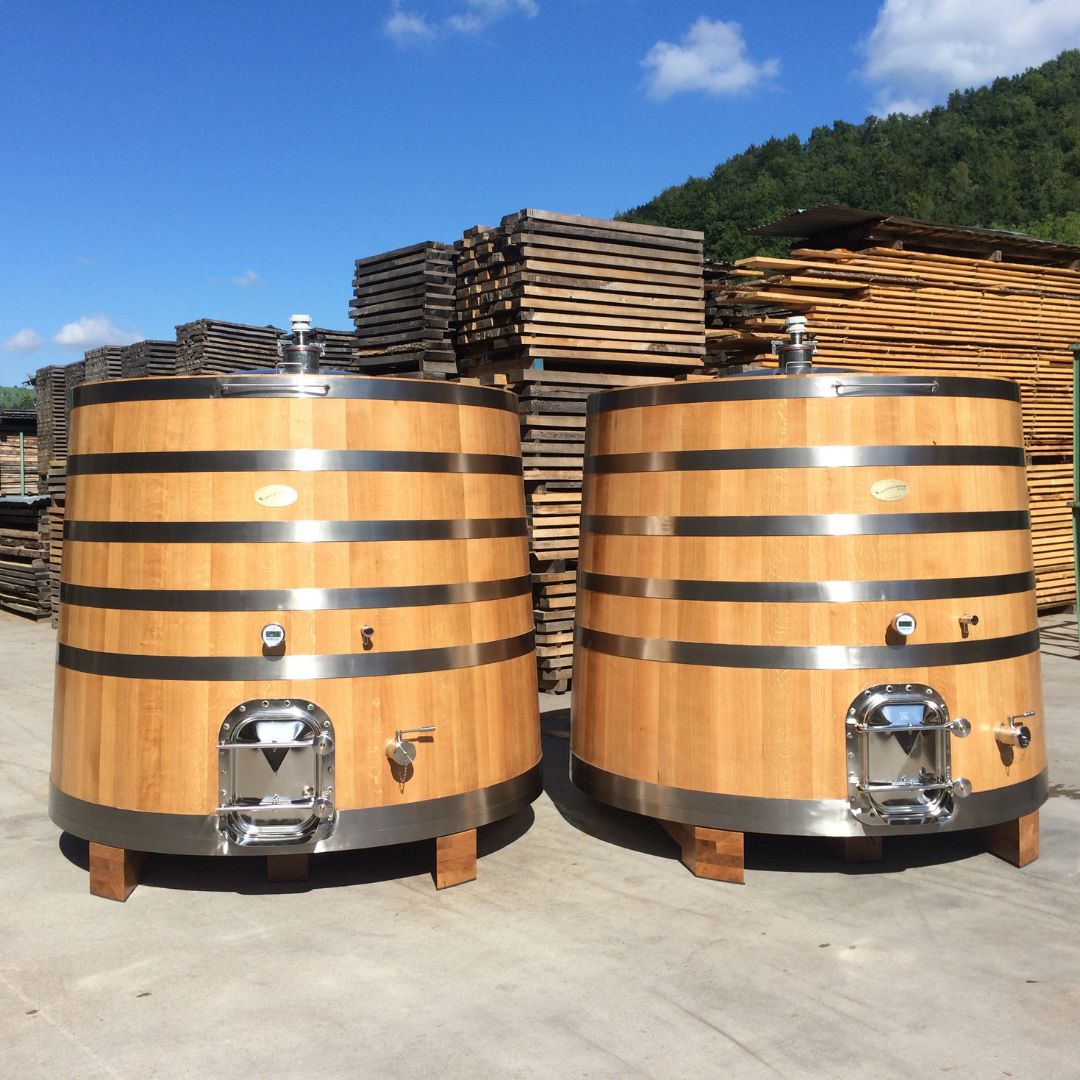
Since 2019, Bouchard Cooperages has proudly represented Schneckenleitner, Austria’s premier producer of large-format oak puncheons, casks, and tanks, in North America. Family-owned and operated since 1880 in Waidhofen an der Ybbs, Schneckenleitner produces over 180 large-format oak tanks annually for the world’s most prestigious cellars. 🍇✨
Vertically Integrated Stave Mill
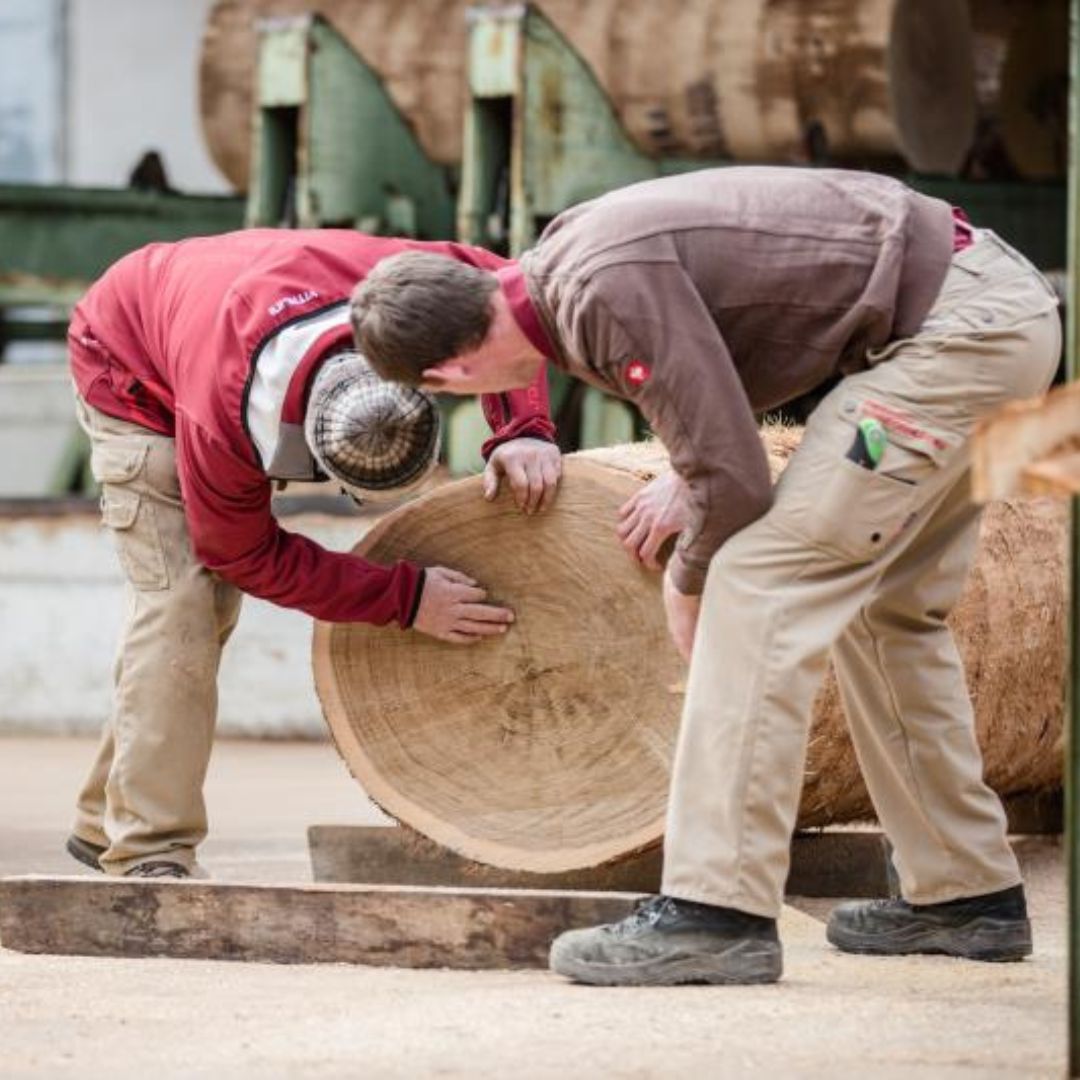
From forest to cooperage, Schneckenleitner controls every step. Logs are hand-selected from Austria’s tight-grain Weidling forest and seasoned on-site along the Ybbs River, benefiting from a unique microclimate for optimal oak seasoning.
New Product Offerings
Puncheons (500L–800L): Available in Austrian Oak Elegance (AOE) for whites and light reds, and Austrian Oak Complex (AOC) for richer whites and darker reds. Expect delicate spice and impeccable craftsmanship.
Ovals (10 HL+): A cellar space-maximizing favorite, perfect for fermenting and aging whites with less lees-to-juice contact.
Rounds (10 HL+): Ideal for reds—popular in France's Rhône Valley, Bordeaux, and Italy—with customizable hatch door placement.
NEW! Conical Tanks (10 HL+): Versatile for both reds and whites, Schneckenleitner’s conical tanks are now available in North America.
Expanded Cooperage
In 2022, Schneckenleitner unveiled their newly renovated cooperage, bringing everything—craftsmanship, wood aging, and production—under one roof in their stunning river and forest setting.
📌 2025 Pricing is now available! Start planning early to ensure delivery before harvest.
https://lnkd.in/gYh72wta