
Did you know that wine bottles are as diverse and carefully designed as the wines they contain? From the knurling at the base to the bead at the top, each feature contain aesthetic, functional and historical aspects to winemaking. 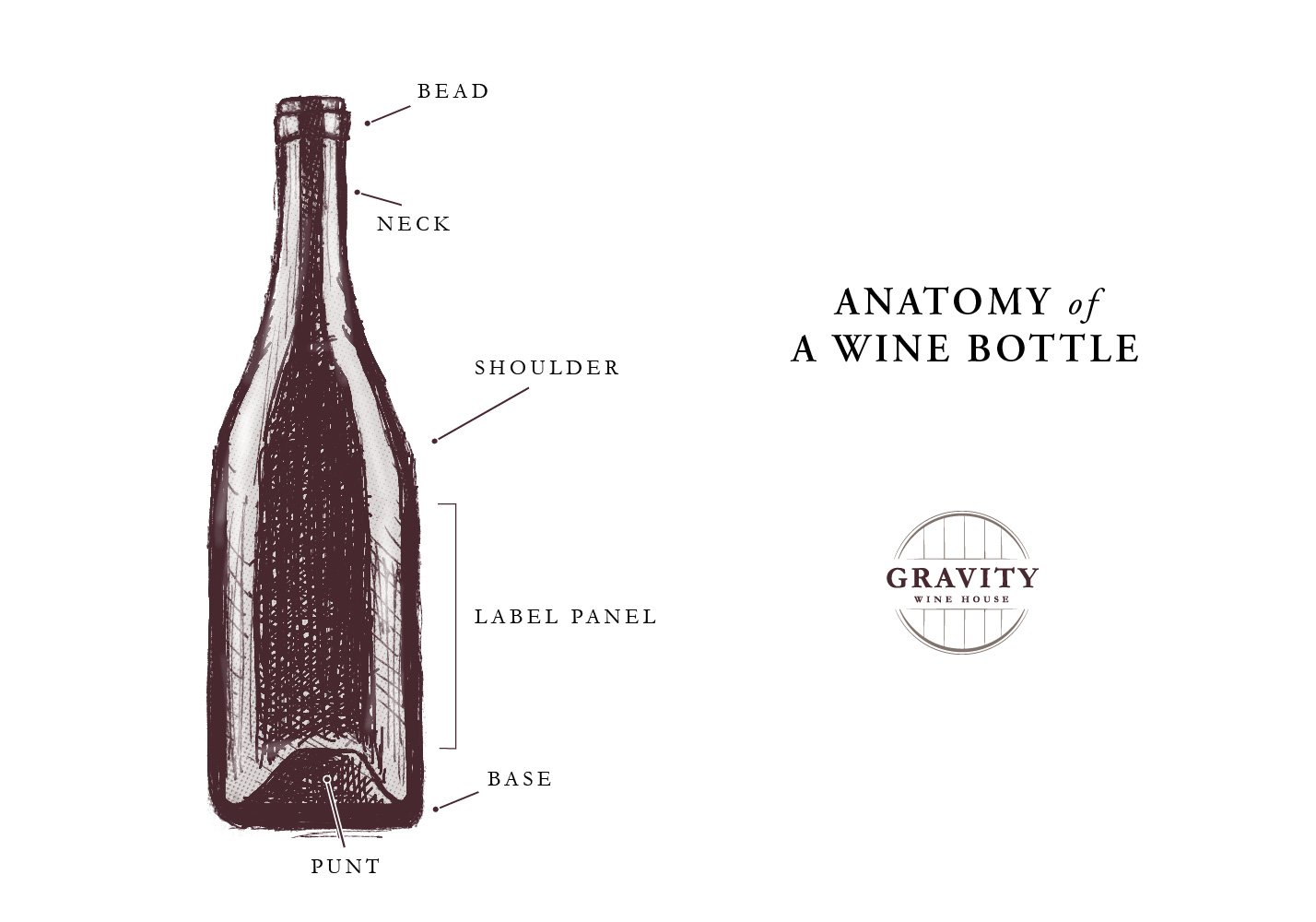
The punt provides structural support and helps sediment settle. Shoulders vary by tradition—pronounced in Bordeaux bottles, soft in Burgundy. The narrow neck provides a seal and minimizes oxygen transfer, while the bead adds rigidity where machinery makes contact and grasps the bottle.
Understanding bottle anatomy helps us appreciate the history and meticulous attention to detail that goes into every pour. Curious to learn more about the fascinating design of wine bottles?
Check out our latest blog: https://gravitywinehouse.com/blog/the-history-and-anatomy-of-a-wine-bottle/ for a more in-depth discussion on wine bottle anatomy.
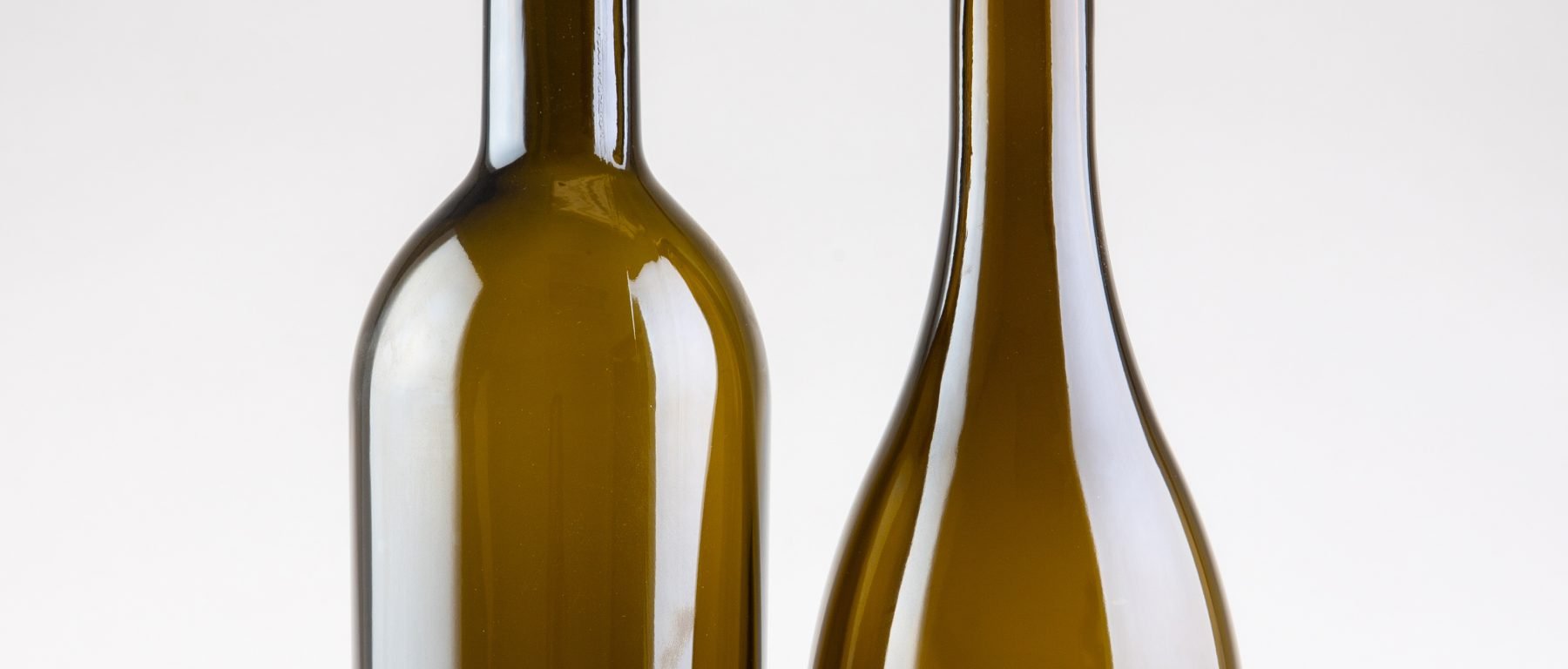 Two classic styles of shoulders used today are the Bordeaux and Burgundy bottle styles, pictured above.
When people talk about winemaking being an art and a science, they often forget to mention the part about how much compliance is involved! (Sometimes they forget to mention how much cleaning is involved as well, but that’s for another article.) That is, until it’s time to bottle your wine. Like most consumer packaged goods, every bottle of wine has a label that is subject to regulation. This has its history in consumer safety and transparency. The governing body for wine production is the federal Tax and Trade Bureau (TTB). There is much compliance and regulation around wine production, but one very visible part is the acquiring of a Certificate of Label Approval (COLA). This is the certificate that verifies the information on your wine label. Submission, and approval of this, are required in order to bottle your wine. Here we’ll go into some of the most noteworthy and regulated aspects of a wine label. As always, for the most current and specific information, consult your local compliance agency, or contact the TTB.
TTB has an excellent Permits Online portal to allow this carried out efficiently online. To use this, you’ll just need to set up an account.
What type of information is needed for a wine label?
Wine is a fermented beverage that it is made from a variety of fruits (we work with grapes, so we’ll default to that for this article). Things relevant to consumers in the world of wine are grape variety (Cabernet Sauvignon or Chardonnay, for example), geographical region the grapes were sourced from, and vintage of harvest (if applicable). Thus, wine labeling includes these items in addition to general branding, ownership, and government warning statements. Please note, this article relates to wines made in the U.S.; additional information may be required for imports.
Wine Label Components
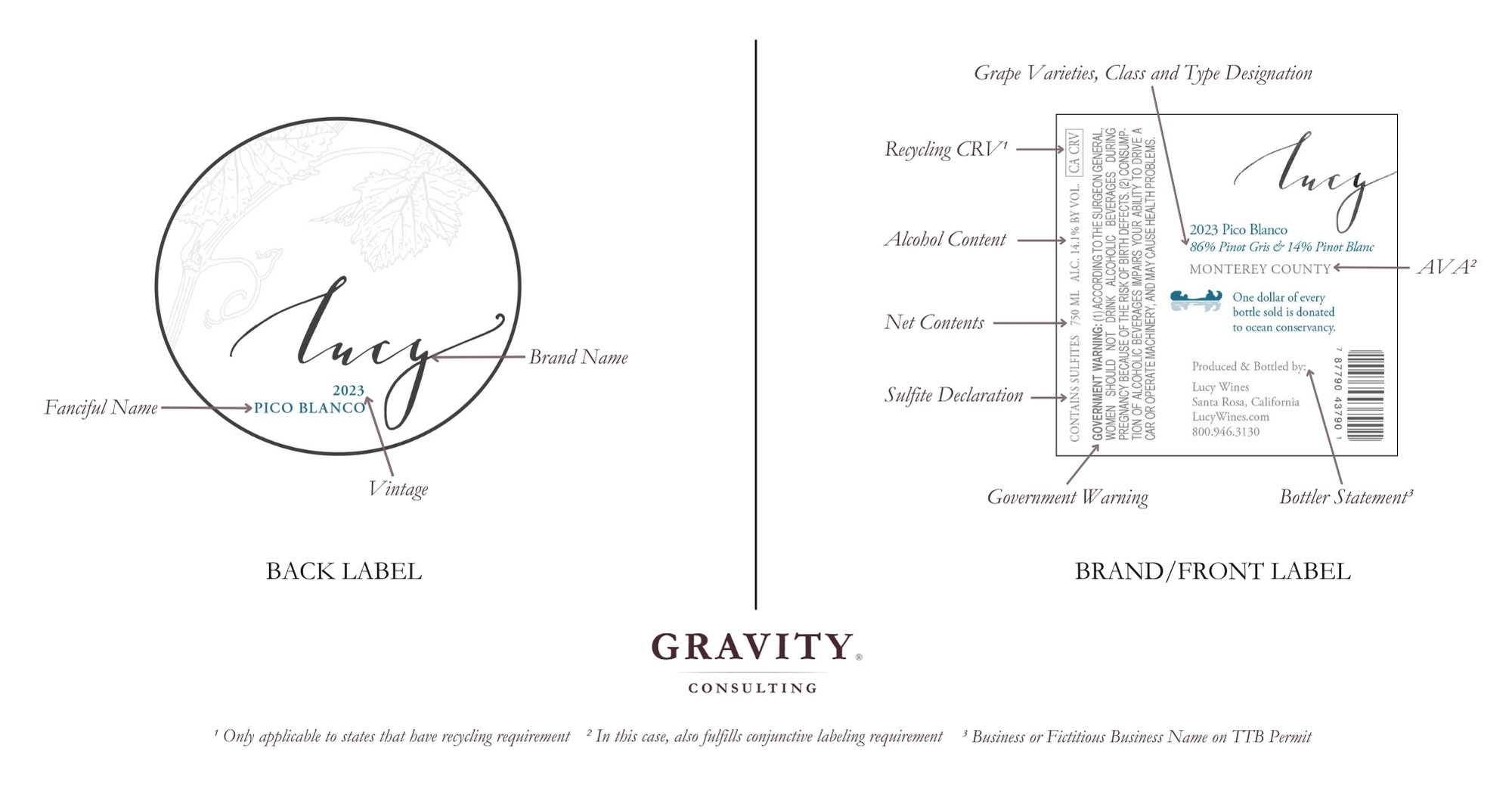
The Checklist
Before we get into specifics of where the information needs to go, let’s look at the basic components required to be present on a label:
- Brand Name: This is the name of your wine. As you would guess, the wine must have a designated brand name and it must be displayed on the label.
- Class and Type Designation: A sample Class is “table wine” or “Red Wine.” Type of wine can suffice for this, for example “Pinot Noir.”
- Alcohol Content: Display the alcohol by volume (ABV) as a percentage. This must be indicated to the tenth decimal place.
- Net Contents: The volume of the wine in metric units (e.g., milliliters) or U.S. units (yes, Fluid Ounces are allowed, but rarely seen).
- Government Warning: Include the government warning statement regarding the risks of alcohol consumption.
- Sulfite Declaration: If the wine contains sulfites in excess of 10 parts per million, a sulfite declaration is required.
First Things First: Trade Names and Bottler Statements
One critical step before filing is to ensure your Brand Name (trade name) is added to your basic permit. This is done by amending your basic permit. This assures that the TTB is aware of your ownership (or permission to use) said names or fictitious business names in your filings. This is the case if you are operating at your own facility or as an alternating proprietor at a custom crush facility. However, if you are operating under someone else’s license, they will do this on your behalf. If so, they will also need to submit an “Authorized Bottler” letter written by you, the owner of the brand, that allows them to bottle with the indicated brand names and also add them onto their permit for the time being. With this, when they TTB sees your COLA come through the office with your brand and business names, it can be verified that those names are in place on your TTB Basic Permits.
Now that you have the Brand and Trade names added, you can decide how the bottler statement will read. This is a declaration that indicates who is carrying out the bottling of the wine. This often indicates the owner of the wine, but it does not necessarily mean that. Below are some samples:
Produced and Bottled By ______
This declares that at least 75% of the grapes used in the production of this wine was fermented and bottled by the stated producer and address. This is often seen as a prestigious designation and some customers appreciate this added level of traceability from the producer.
Cellared and bottled by _______
This term is generally used for wine that is aged in the cellar by the listed producer and address, but does not require fermentation by said producer.
Vinted and bottled by _______
This term also coveys that there may have been some winemaking activity that takes place in the cellar and the term does not inform a level of time that the wine would have spent at a given producer.
Is there such thing as a front or back label?
Next, let’s define a common term. As consumers, when we look at a wine bottle we have an intuitive sense as to which label is the front and which is the back. This may be true, but like most things, there must be a set of information that makes this definable. The TTB makes the distinction by giving the “Front” label the official classification as the Brand Label. Thus, we have the Brand/Front and the Back label. It is worth noting that years ago the TTB used to only classify labels as the Front and Back label, and certain information was required to be on the front vs the back. This led to wineries submitting the front label as the back label to have more creative flexibility. While the former designation was perfectly legal, the current regulations allow for more clear communication and understanding.

Front or back label? Though seemingly obvious, the answer may not be as simple as you think. The definition relates to the information contained on the label rather than the design.
While the TTB is flexible in regards to where some of this information is placed on the various labels, there are three things that must appear on the same label. These are the Alcohol Content, the Brand Name and the Class/Type. Our friends at Holtzclaw Compliance share the memorable acronym “ABC” as the acronym for these three! The other information can be placed on either label(s) as they benefit your design.
Time to File!
Now that you are ready to file your COLA, you may submit it to the TTB. You can file your COLA by accessing the current forms on the TTB site. TTB also has an excellent portal for submitting all actions listed in this article online. To access this you will just need to set up an online account.
If you are making your wine at a Custom Crush facility, you have different options. If you are an Alternating Proprietor customer, you may file your own COLA. If you are making your wine under the license of the facility, you will need to coordinate with them first. The facility can file for you (this is often the easiest option), or you can file on your own—but in order to do so, you will need to fill out a Power of Attorney form so that you can file for approval under their license.
The TTB is remarkably fast and if filed online there is a good chance you will have a response within a few days. If there are changes or corrections to be made, that will be communicated as well. The TTB is very helpful in communicating and facilitating this process.

A sample view of the form utilized to submit for your certificate of label approval.
Additional Terms and Considerations
- Estate Bottled: Vineyards that supplied the grapes for the bottled wine is owned or controlled by the winery and located in the same viticultural area as the wine is bottled.
- Vintage: Must be 95% from said vintage.
- Single Vineyard designation: Must be from stated vineyard.
- American Viticultural Area (AVA): Must contain 85% of fruit from the indicated AVA. (Note some states may have more specific labeling laws)
- Font sizes: 2mm or larger for containers larger than 187ML. The smallest typed letter in the sentence is subject to this rule.
- Embossing of the volume into the bottle can suffice for the net contents statement.
Many things are able to be changed without applying for a new COLA. That list can be found here. This increases efficiency for both you and the TTB.
https://gravitywinehouse.com/blog/wine-labels-and-colas-explained-certificate-of-label-approval/
A private label can be a powerful tool for your business. Private labels have been utilized in the food and beverage industry for many decades. Whether you are a distributor, retailer, restaurant, or other business in the beverage or hospitality industry, this can be an important part of your sales program. This can allow you to increase control relating to quality, supply, costs and branding.

Identify the Goals for Your Label
The objective of your label is one of the first items to define. There may be several reasons that you are looking to create a private label. These could include the following:
- Deliver exactly the type of wine your customers are looking for.
- Create a selection of wine that provides a unique set of offerings that differentiates you in the marketplace.
- Increase your profit margin by controlling supply costs.
- Gain control of your wine quality by evaluating wines and blends prior to bottling.
- Grow your existing brand exposure.
- Build your company’s valuation by developing dedicated wine brands alongside existing business operations.
- Maintain control of your product supply. Gain consistency, reduce exposure to shortages or cost hikes.
Define Your Wine and Style
Do you operate a steakhouse and need a bold Cabernet Sauvignon to pour consistently by the glass? Or are you a distributor that wants a go-to offering of rich Chardonnay that can be a staple in your portfolio? Whatever you needs are, defining your style will be a critical part of your brand’s success. It is likely that you already know based on your customers. If not, you have several options to find out the best production path. A study of existing sales data can provide you with information that can guide your decision to popular wines in your portfolio. If you are looking to build a new market share, you may gain info by talking to you customers or wine director for insights into the potential.
Start broad with the variety that you want to work with and then narrow down the wine style. Depending on your customers, goals, or budget, you will need to explore many production options.
Wine is unique and is the expression of a company vision or winemaker.

Blending is a critical step for defining and maintaining a consistent style of wine for your label.
Custom Crush Facilities and Winemakers: Find your production partner
Who is making, blending and bottling your wine? Identifying your ideal partner is a critical step. A custom crush facility, like Gravity Wine House, is such a place and can be an invaluable partner. A custom crush winery is one that provides equipment, management, and winemaking to craft wines for a variety of customers. These facilities can be thought of as the equivalent of a co-packer in the food industry. Your facility partner should have expertise with this field and a great network for sourcing grapes, wine and your bottling supplies (glass, cork, etc). They will be able to tell you exactly where to obtain and create wines of certain styles. Not only is your partner instrumental in achieving the quality wine you want, but also ensuring your likelihood for recreating your wines for subsequent production runs.
Your contact should also be well-versed enough to not only answer all your questions, but also share things you may not know to ask. What type of liner do you need in your screw cap closures? What are the impacts of different colors of glass bottles on wine quality and its ability to age? What quality grade of corks are adequate or consummate with the retail price of your wine? There are many details that need to be considered for your wine. Further, if the style of wine you want is very common, it may be easy to source and produce. If your wine requires more time to source, or if you are starting with grapes and vineyard sourcing, you may need a winemaker to dedicate time to source, craft or blend your wine.

Compliance
Those already in the wine industry know that compliance is something that needs to be considered in advance of all wine production topics. Most private label production concludes with purchasing finished cases of wine. In this case, you avoid needing to have your own bonded winery license. If your business is not currently in the business of selling wine, you will need to explore a permit that is most appropriate for your usage.
Your location can also have an impact on the ease of acquiring your wine. If you are in a different state you will need to comply with the three-tier system, meaning you will need a distributor to acquire and move the wine between state lines. If you are a distributor, well, then this process just got a lot easier! Some states are even easier to work with, and if you are in the same state as your production facility, this may not even be a factor.
A more straightforward part of your compliance checklist is the label approval, or COLA. This is the TTB verification that a bottle of wine is labeled with all the appropriate wording and font sizes to meet federal alcohol labeling standards. There will be other compliance matters to cover before submitting your COLA. It can all sound intimidating, but your facility will walk you through the process.
Costs and Forecasts
Like most things, private labels come with cost considerations. But with this is another positive that it can allow you to gain some control over your costs. By defining the price of your wine, grapes and by sourcing direct from a supplier, you can work to reduce or stabilize your costs. You also can have the input into deciding how your fees get structured. Most of the time you can define a target price and your custom crush facility can share methods to achieve that price. Does your wine need to be under a certain price per case to attain a set by-the-glass target? Having options to source from different regions can greatly impact that. Your winemaker may be able to work with the flexibility allowed in blending to deliver you a higher quality wine for less cost.
One of the largest considerations in your wine production will be the payment terms that you confirm in your production agreement. Depending on your timeline and desired process, developing your wine can take place over the course of two months or two years. Private label contracts usually require some percentage of the total project paid in advance as a deposit, followed by periodic payments until final payments at bottling or shipping of the wine.
Know your sales rate or create sales goals so you know how long you will be carrying your inventory.
What is Your Story and How is it Marketed?
Customers want to know the story behind a wine. From a $15 bottle of California Sauvignon Blanc to a $100 bottle of Napa Valley Cabernet Sauvignon, every wine has a story. This will need to be considered when crafting your wine. Who will be communicating the messaging of your wine? If you are training your staff to sell the wine, they need some brand story, copy or flyers to educate them and help promote this wine or you may not meet sales goals. Bottle images or photography from vineyards and the winemaking process can do this. This can all also serve as guides to help someone tell the story of your wine—and also show it’s authenticity. help to get customers excited about your wine. If Gravity is your partner in your label, we can help provide some of these marketing tools from your team. We can offer items from tech sheets with production details, to label design, photography and more. Contact us if you would like to learn more about what Gravity Wine House can offer regarding your wine label.
As we prepare for the rapidly approaching bottling season, we want to share an interesting study on gas use in the winery. Not only is oxygen management of particular interest to us, but it included an honorable mention for Gravity Wine House. This new scholarly article, by students at Universidad de Valladolid (UVa), cited one of our articles published in 2020 regarding inert gas use in winemaking. Visit and read the article, here: "Dissolved Oxygen Removal in Wines by Gas Sparging, Its Optimization and Chemical Impact".
The ongoing study of gas use in the winery:
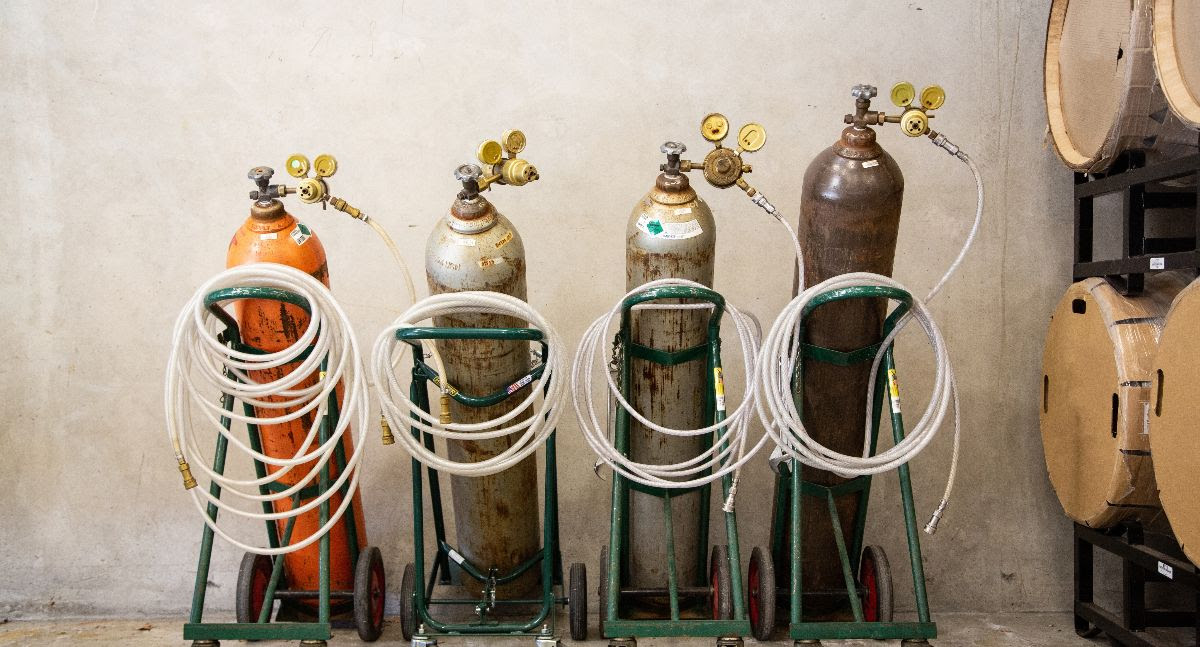
Historically, there have been very little data on the topic of gas sparging in winemaking, but we are always staying on the forefront of wine research—or conducting our own. Inert gas is critical to retaining wine integrity and reducing oxygen uptake through the winemaking process. It is particularly used a great deal as we lead up to bottling. Read more from our 2020 blog post.

Magnified image of a sparging stone, similar to those used in the sparging of wines.
As consultants and custom crush winemakers, we work with seasoned and novice winemakers alike. When people think about making wine, they are sometimes ready to source grapes and start a wine label. However, making wine is only part of the process. The first thing we often tell aspiring vintners is that one must start with a business plan—because after all, making wine is a business. A common question relating to the business plan relates to winery finances. How do you build a budget? What numbers are important to consider? What data can give a readout of business performance? Mark Pisoni is a co-owner of Gravity Wine House and conducted investment analysis for his Master’s Degree while at Cornell University. We used that as a basis for assembling this blog post to give you some ideas for how to get started. The information was developed for wineries in the Finger Lakes region of Upstate New York, but can apply to anywhere. If you’re ready to jump in with budgeting, skip to the Financial Data section of drafting your Business Plan below. Otherwise, follow along as we outline important concepts to keep in mind in starting your own winery.
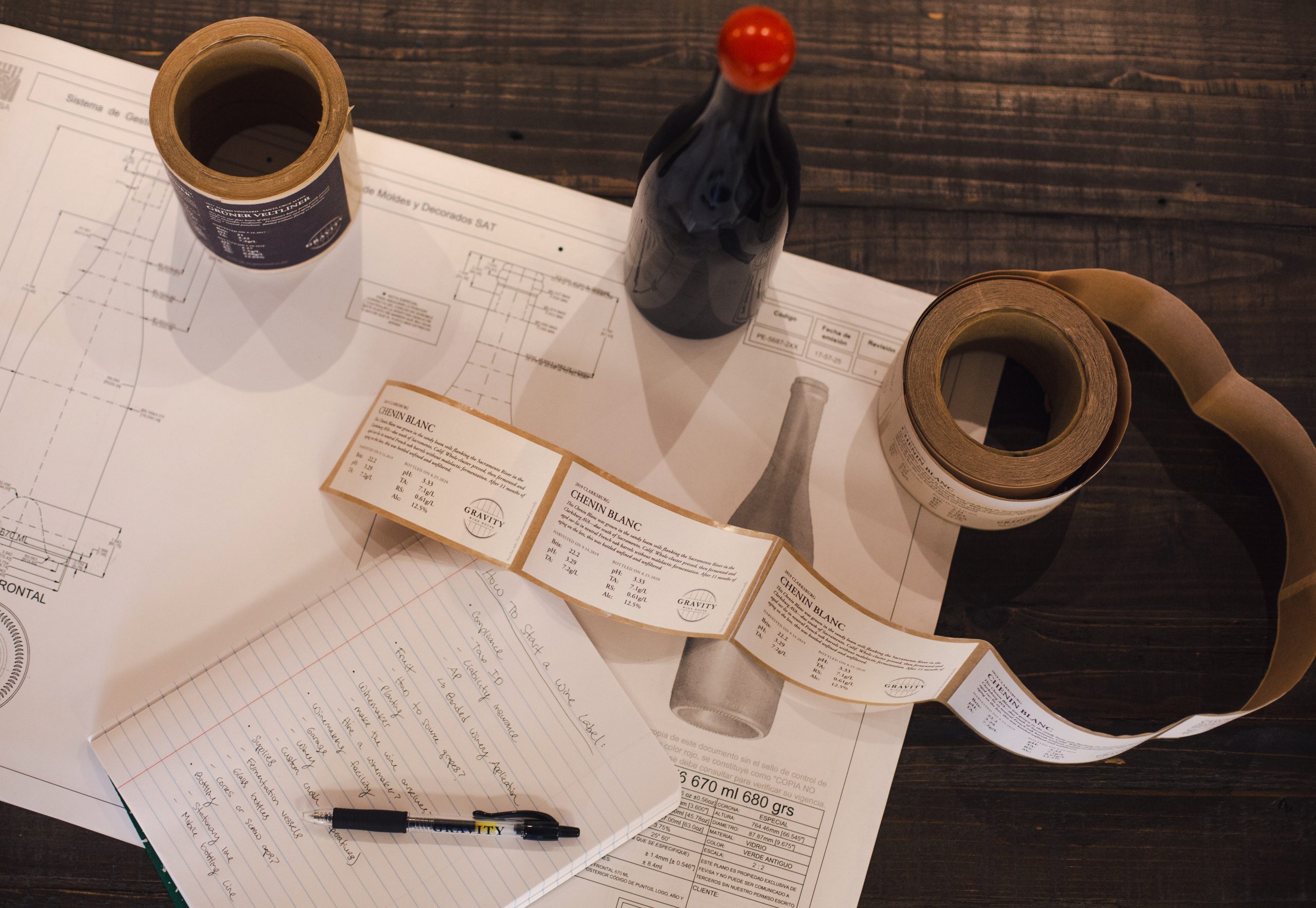
Starting a wine business is complex, with many moving parts.
Understand who you are
Understand who you are and, more importantly, who you want to be within the wine world. While this may sound trivial, a solid understanding of your own vision will make your position and purpose as a new winery clear to future collaborators and clients.
- What region are you in? Will your wine labels carry a particular AVA or sub-AVA classification?
- How does your sense of place influence your brand?
- What type of wine do you produce? Do you have aspirations of expanding your repertoire? These insights may influence your budgeting and marketing strategies as you set yourself up for success for years to come.
- Do you aspire to be a large or small winery based on your target production volume?
- Do you have a winemaker? If not, contact us for winemaking services.
- Is it important to have your own facility, or would a custom crush facility better meet your goals?
- What price point/tier are you targeting for your wine?
Define your goals
This is another idea that may sound simple but is vital before investing money, energy, and effort into a business model that may not align with your broader aspirations. In defining your goals, first, consider where you are now and what things you bring to the table. Are there things you already do and/or have that you want to integrate into your new business plan? These may include a wine label already in production, an ongoing contract with a particular grape grower, or a connection to a particular cooper who is integral in the production of your barrel-aged wines.

Be ambitious but realistic. This is the time for honesty with yourself and your business partners about what you hope to achieve in the coming months and years. It may be useful to set a timeline and think about your goals as dreams with deadlines. In defining your goals, it is helpful to revisit the questions posed above. What metrics are crucial to reach to become the winery you strive to be? Try setting many smaller goals with tangible measures of success to build the foundation for your larger plans.

Write your business plan
Here comes the step you’ve been waiting for! Now that you know who you want to be in the wine world and the actionable steps for getting there, it’s time to create a scaffold to bring your business to life. Your business plan should begin with a broad summary of your business and drill down to details such as how you will price your consumer goods. You may realize you have missing information; for example, have you conducted a market analysis to determine how many competitors in your area produce the same varietals or considered competitor strategies for pricing wine?
The U.S. Small Business Administration has compiled business planning resources that can be accessed here, including further detail about market research and competitive analysis, writing your business plan, calculating your startup costs, and establishing business credit. For those who are serious, we recommend this resource as a platform for further research. For now, we recommend you consider the following sections as you create your plan:
- Executive Summary: Who are you? Include your vision and mission statement here, along with a brief statement of your product or service and basic information about company leadership and location.
- Company Description: Go into detail about your company. What consumers do you plan to serve? What product or service will you provide? What competitive advantages will make you a success?
- Product and Service Description: What products and services do you plan to provide, and how are they different than what already exists in the market? This section may be combined with the one above depending on how much detail you need to provide.
- Market & Consumer Analysis: An understanding of your competitors is crucial to your success. Conduct market research, assess trends, and consider what others do well and what you can do better. See Table 3 below for an example of market analysis from the Finger Lakes region in 2001 (see Table 3):
- Operations: How will your company be structured? Describe the legal structure of your business.
- Personnel & Management: Who will run your company? Consider an organizational flowchart to demonstrate the role of all team members.
- Marketing, Sales, & Brand: Describe your plan to attract and retain a customer base. What are your sales strategies? Consider how marketing may play into sales.
- Financial Data: Budgeting and financial projections are a must. To create an effective budget that will communicate that your business can be a financial success, you must be comfortable with financial jargon and concepts that will help you trace your expenditures and be clear on how your money will be used. Here are some helpful definitions to get you started. See Table 4 for an example of annual operating costs for a model winery.
Below is a market analysis of the Finger Lakes Region from 2001. (Disclaimer: Retail bottle pricing is does not reflect current market conditions but can be used as a guide for datapoints to collect in relevant analysis of your consumer market space.)

Overhead Costs
The fixed expenses inherent to running your business that cannot be linked to your product or service.
What are your overhead costs?
Variable costs
The expenses that change as a function of the quantity of service or product production.
What are your variable costs?
Break-Even Analysis
A financial calculation that weighs the cost of a new product or service against a proposed sale price to determine where you will break even; total cost and total revenue are equal.
Can you use break-even analysis to make informed decisions about services and products you plan to sell?
Internal Rate of Return (IRR)
A metric used to estimate the potential return of an investment. Think about this as a measure of profitability, reported as a percentage. Learn more here.
Can you calculate the IRR of your projects?
Net Present Value (NPV)
The difference between cash inflow and outflow over a defined period of time. The NPV tells us how much money a project will gain or lose in today’s funds. Learn more here.
What is the NPV of your project?
Keep in mind that the exact sections of your business plan may look different from this list. Perhaps you prefer a more succinct Organization section rather than separate Operations and Personnel & Management sections, or you want to add detail in additional subsections. Your business plan should work for you and clearly distill the comprehensive plan for your business and your needs.
Below is a breakdown of the average annual operating costs for Mark’s model winery referenced in Tables 1 and 2. The average operating costs were calculated under the annual equivalent cost method, with production at 1,850 cases in year one with an 850-bottle annual production increase to reach 9,250 cases in year five.

Perception is everything
Although “Marketing, Sales, & Brand” may already be included in your business plan, the perception of your business from the consumer perspective deserves additional attention. Take an extra moment to consider your brand. What brings your wine business to life for your clientele beyond the physical infrastructure you buy and the personnel you employ? What does your wine stand for? Out of countless bottles on the shelf, why should consumers choose you? Your winery will only be as successful as your customers are content with the product you provide. Pay particular attention to the front-facing aspects of your business; their ethos cannot be fully captured by your budgets or estimated expenditures, take time to maintain, and will be integral in your winery’s success.

The decision to invest time, energy, and capital into a new business is a big one. For those really interested in starting a winery, it takes many hours, careful planning, a strong sense of leadership, and wine industry-specific insight. Here, we provided models and posed questions to consider as you decide how and when to bring your business aspirations to fruition. If working with our custom crush facility can assist you in your business development, contact us for opportunities. Either way, seek out resources in addition to those mentioned above – new perspectives will shed further light on how to strengthen your business plan and ensure your success.
SOURCES
Mark Pisoni’s sample thesis: https://gravitywinehouse.com/wp-content/uploads/Thesis-template.rtf
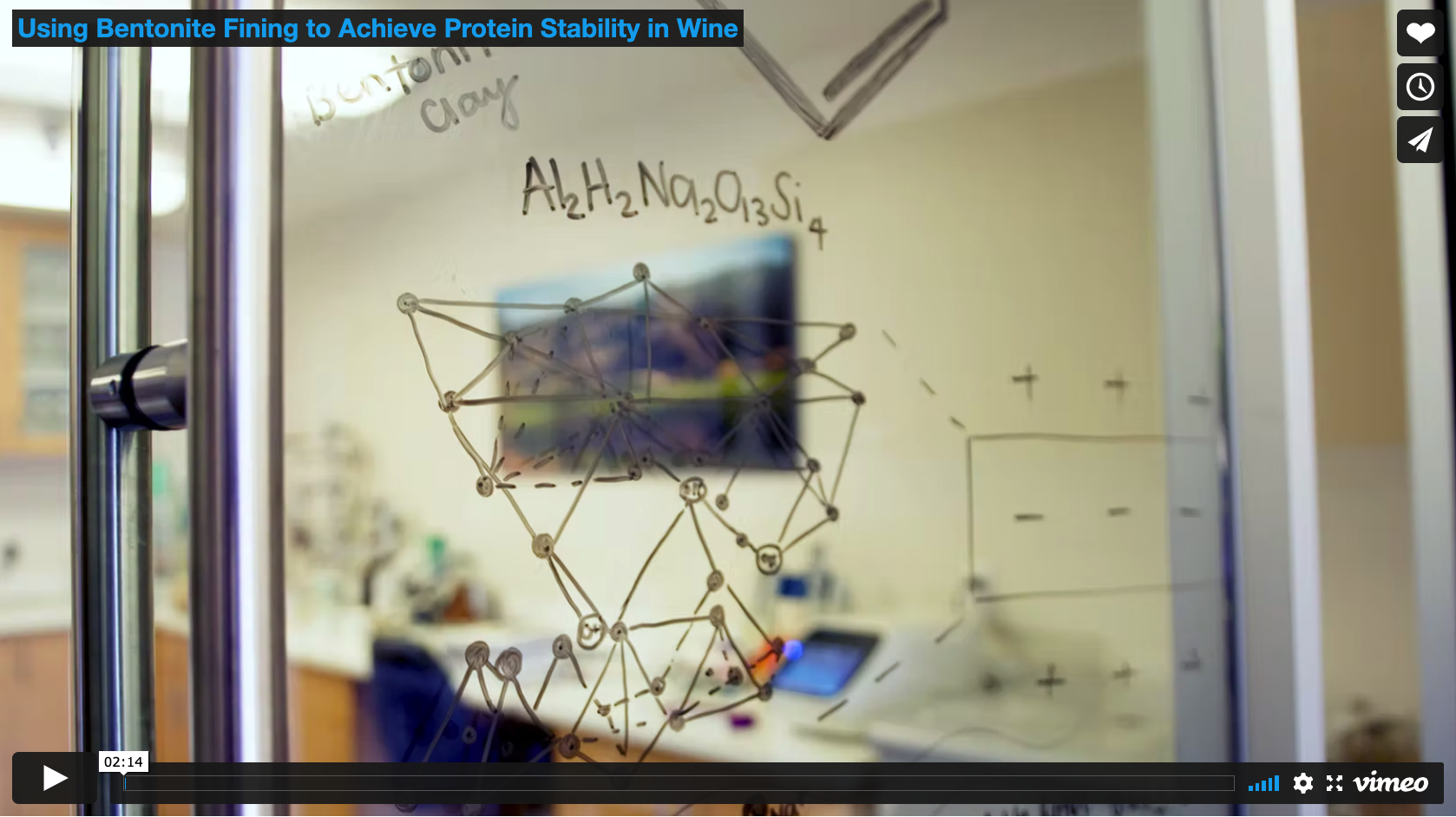
Clarity, or the absence of haze, is a key factor in the appearance of wine, contributing significantly to its commercial value. High temperatures, encountered during transportation or in poor storage conditions, can induce the denaturation of proteins, which then form a suspended haze in a bottle of wine and degrade its value. Bentonite can be used to treat protein instability, acting as a fining agent to pull proteins out of solution before they are bottled.
As with many fining agents, bentonite can remove other components that are important to a wine’s sensory properties. Because of this, benchtop trials are encouraged to ensure protein stability in wine without stripping too much of its aromatic compounds through the addition of an appropriate concentration of bentonite. Here at Gravity Analytical Laboratories, turbidity is measured via nephelometer before and after heat exposure to wines treated with varying concentrations of bentonite. If a difference in turbidity greater than 2 NTU is seen before and after heat, proteins are unstable, and a higher bentonite treatment will be required for proper stabilization.
For more information about bentonite and its use for haze prevention, join us at Gravity Analytical Laboratories as we walk through bentonite fining, our latest benchtop trial offering. If you would like to receive updates and emails with new educational posts, join our mailing list at the bottom of this page.
https://gravitywinehouse.com/blog/using-bentonite-fining-to-achieve-protein-stability-in-wine/
The only thing we love more than drinking a great white wine is making one✨ Here we see Chardonnay aging on its lees, known as ð˜´ð˜¶ð˜³ ð˜ð˜ªð˜¦ aging.â
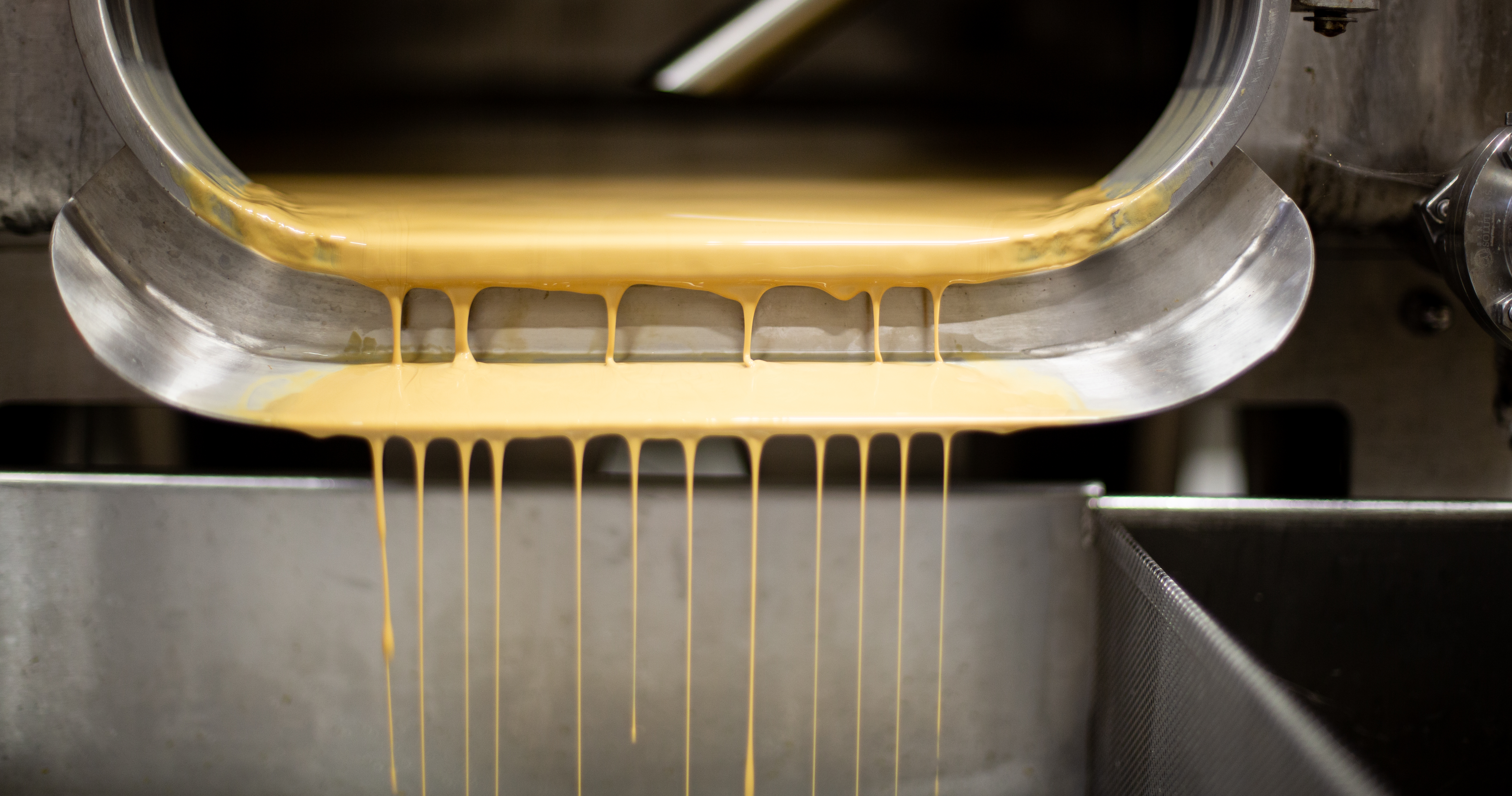
â ð˜šð˜¶ð˜³ ð˜ð˜ªð˜¦ (French for “on the lees”) aging sounds fairly straightforward: it is a stylistic choice to allow wine to age in contact with its lees. Though ð˜´ð˜¶ð˜³ ð˜ð˜ªð˜¦ aging has been practiced since Ancient Rome, we are still uncovering the science that enhances the complexities of the finished wines aged on their lees.â
â
This type of aging is typically associated with white wines, such as Chardonnay from Burgundy and Muscadet from the Loire Valley, as well as sparkling wines like Champagne.â
â
Head to our blog to learn about ð˜´ð˜¶ð˜³ ð˜ð˜ªð˜¦ aging of white and sparkling wines: https://gravitywinehouse.com/blog/sur-lie-aging-chardonnay-sparkling-wine
Today we invite you to visit our website and take a closer look at the offerings from Gravity Analytical Laboratories (GAL). We are happy to have launched a new section of our site devoted to GAL and all that we do in the lab, including individual analysis and analysis panels.
Gravity Analytical Laboratories (GAL)

At GAL, we are inspired by the innovative technology available to the field of enology and its ability to inform the winemaking process. You may have read informative blog posts authored by our GAL chemists or watched one of our recent videos filmed within the lab. We are so excited to share with you all that is possible on your winemaking journey with Gravity.
Be sure to bookmark gravitywinehouse.com/analytical-laboratories as we will be adding more offerings to this page over time!
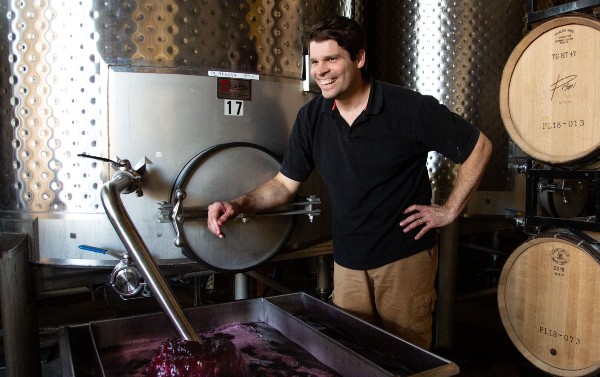
Have you met Gravity Wine House founder, Jeff Pisoni? Jeff loves making wine—and considers himself a lifelong student of enology. It’s the craft that his father inspired him to explore, study and pursue since he was just a toddler. Through his role as a winemaker, Jeff developed a passion for exchanging information and insights with the winemaking community, all with the goal of driving for higher quality wine and methods.
This passion is seen through our work with clients on both our mobile bottling line and in the cellar. Jeff recently spoke with Wine Industry Advisor on the reasons behind using the Armbruster Rotovib for unprecedented grape processing quality for Pisoni Family Vineyards, as well as our clients at Gravity Wine House.
Read the full article on Wine Industry Advisor
Winemaking is driven by a rich microbial ecosystem. Saccharomyces cerevisiae is responsible for converting the sugars in grape juice into alcohol during primary fermentation. Oenococcus oeni carries out the malolactic fermentation that is responsible for transforming crisp, acidic malic acid into softer lactic acid and improving microbial stability. However, other microbes can produce undesirable, volatile compounds that spoil wine with off-odors and flavors. Luckily, the yeast and bacteria responsible for spoilage can be easily managed if caught early in production.
Brettanomyces, Lactobacillus, and Pediococcus are the common culprits of microbial spoilage. Here at Gravity Analytical Laboratories, we use a polymerase chain reaction, or “PCR,” to check for the presence of all three microbes. PCR is a molecular biology tool that allows us to assess the presence of these microbes by screening for their DNA in a juice or wine sample. We can detect these microbes at very low levels before they convert important flavor precursors into undesired products and leave irreversible damage on aging wine.
Curious to learn about the details of PCR? Follow along with our biochemists in the video below as they debut our newest laboratory offering for GWH clients and analyze a sample for microbial spoilage bacteria.
Feel free to join our mailing list to receive updates and emails with new educational posts. The signup form can be found at the bottom of this page.