As vineyard owners adapt to record heat waves, canopy management and climate-mitigating techniques are front and center, but the real unsung hero might be the trellis system itself.
Temporary fixes can only go so far when the foundation isn’t strong. That’s why growers are rethinking traditional wood and steel posts in favor of long-lasting alternatives like concrete vineyard posts, which offer the durability and strength needed to support climate-adaptive tools such as shade canopies.
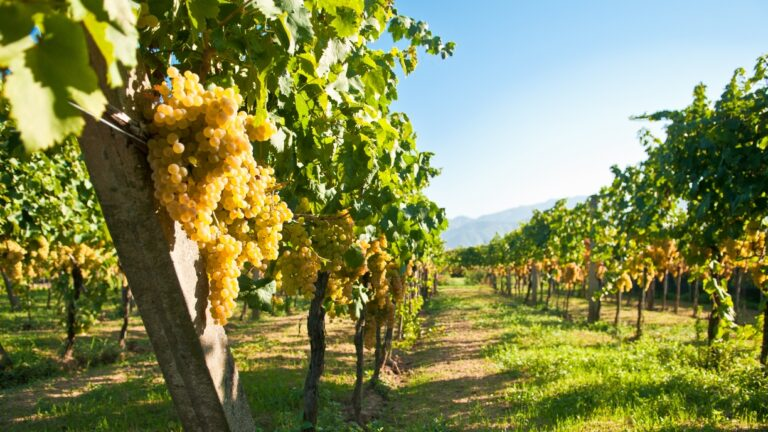
In extreme weather, - heat, wind, or even wildfire-prone regions - concrete posts outperform conventional materials. They’re fire-resistant, pest-proof, and strong enough to withstand the tension of netting systems without bending or warping. With the right anchor configuration, they can also be adapted to various terrain and row widths, giving growers more flexibility as their needs evolve.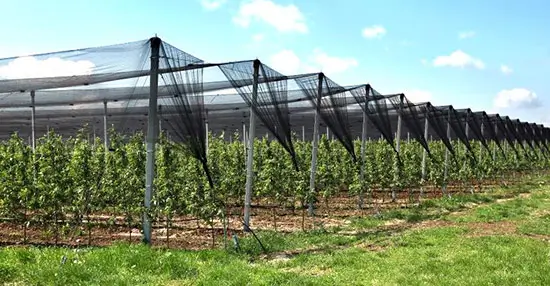
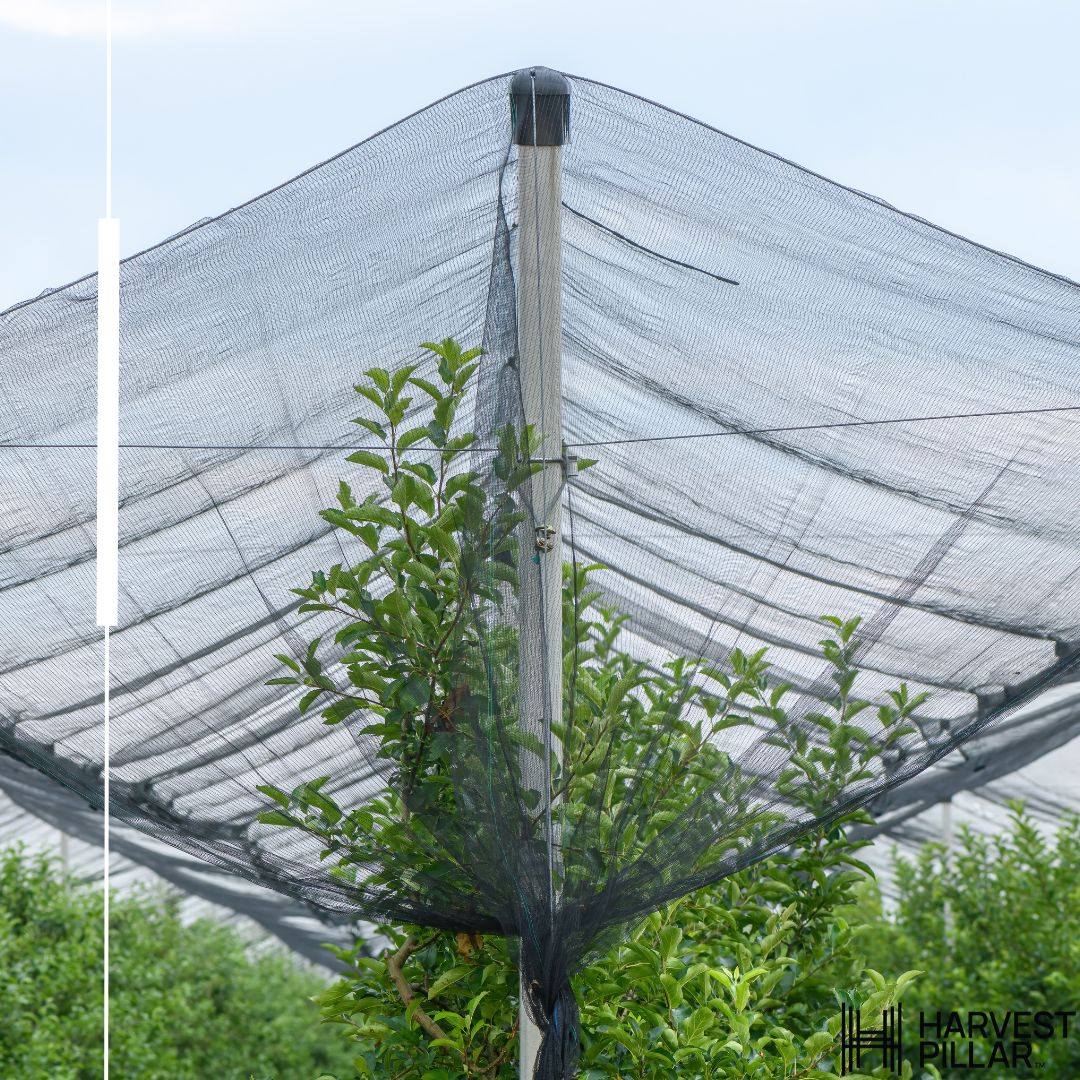
When combined with shade netting, concrete posts offer a stable infrastructure that lowers fruit zone temperatures and improves berry development, all while reducing the labor and replacement costs that come with traditional post materials.
In a time when the wine industry is being forced to adapt fast, investments in infrastructure are no longer just about convenience; they’re about resilience. The right trellis system doesn’t just hold up vines; it holds up your business.
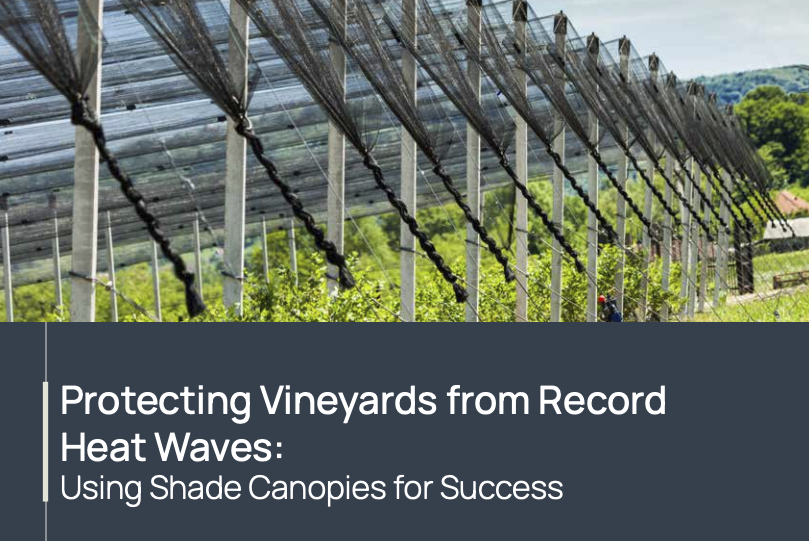
When a heat wave hits mid-season, vineyard managers face a tough choice: risk sunburned grapes or pick too early and sacrifice flavor development. But there’s a third option gaining momentum - shade canopy systems.
Shade canopies are proving to be a powerful tool in protecting fruit integrity during heat spikes. Research out of UC Davis shows that these overhead mesh structures can reduce sun exposure by 30-40% and lower the fruit zone temperature by up to 12°F. This seemingly simple strategy has profound benefits:
• Less shriveling means higher yields
• Improved anthocyanin and color development
• Better pH stability and titratable acidity
• Reduced irrigation demand
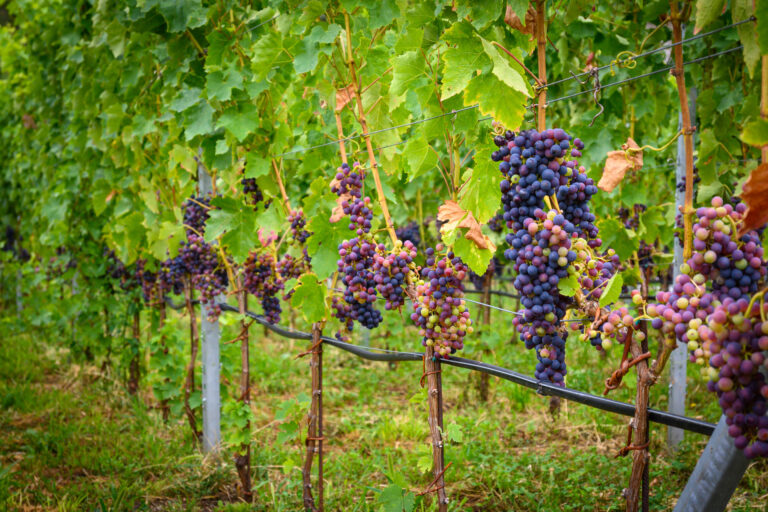
For growers, this translates to grapes that reach maturity without the stress-induced imbalances that compromise flavor, aroma, and longevity in wine.
Even better, these systems don’t require a complete vineyard overhaul. Many can be retrofitted onto existing infrastructure with minimal investment, and some innovative options, like the Harvest Pillar system, pair shade netting with durable concrete posts that stand up to wind, labor, and repeated installation cycles.
With climate pressure mounting each year, shade canopies are quickly shifting from an experimental strategy to a standard of smart vineyard management.
As climate extremes become more frequent, record-breaking heat waves are no longer rare events—they’re part of the new normal. For vineyard owners, the impact is immediate and severe: grapes shrivel, acid levels plummet, and fruit quality suffers. But while we can’t control the weather, we can adapt. Recent studies from institutions like UC Davis confirm what growers are seeing firsthand—heat spikes during the growing season have a direct and measurable impact on grape physiology. That translates to early harvesting, unpredictable flavor profiles, and rising losses due to sunburn and dehydration.
So, how do you protect your vineyard from the next heat wave?
Shade canopies are emerging as one of the most promising solutions. Acting like a sunscreen for your vineyard, these lightweight mesh structures reduce ambient temperatures around the fruit zone by up to 12°F. The result? Grapes with better color retention, reduced shriveling, and higher yields—without compromising Brix levels or pH balance.
We’re entering a new era in vineyard management, where resilience isn’t just a buzzword—it’s essential to survival. As we explore innovative strategies like shade canopies, there’s a growing need to rethink vineyard infrastructure from the ground up.
If you're a farmer or rancher who's had their eye on Harvest Pillar but wasn't ready to pull the trigger. Well, we got great news.
If you place an order online using promo code LK20, you will receive 20% off your entire purchase, no matter the amount.
Concrete posts, suitable for fencing and trellising, are a great option for folks tired of replacing their wood and steel posts every few years.
Harvest Pillar is the last post you'll ever need.
Check out our shop to get your first order started today: https://lnkd.in/gz2nGnPm
California State University, Fresno has a 1,000-acre farm near its campus that doubles as a classroom and laboratory. Which makes sense, located smack dab in the heart of California's fertile Central Valley, Fresno State is situated where 40% of America's fruits and nuts are grown.
At the Fresno State Jordan College of Agricultural Sciences and Technology, they grow grapes, nuts, seasonal vegetables, stone fruit, olives, and more on that 1,000-acre plot. Providing students with hands-on experience while testing and researching the latest technologies and innovations.
So, when it came time to replace aging chemically treated wood posts at their olive orchard, they figured why not give Harvest Pillar a try.
Concrete is a great alternative to chemically treated wood posts and steel. Harvest Pillar is more durable, weather-resistant, and doesn't need to be coated with harmful chemicals to increase longevity.
Click here to learn more about a better way to trellis: https://lnkd.in/gNSa7ZyS.
Winegrowers are nothing if not adaptable, given that the grape is a harbinger crop, or in more prosaic terms, the canary in the coal mine for agriculture. As a result, when climate shifts generate more frequent heat waves of higher temperatures and longer duration, viticulturists swing into action with a toolbox of methods to mitigate the effects.
Growers use misters to cool the air around the grapes, irrigate in advance of heat waves to prevent dehydration, and even apply anti-transpirants that work like sunscreen to protect from sun damage. Medium-term options include changing canopy management to delay ripening and using regenerative farming techniques to boost water retention in the soil.
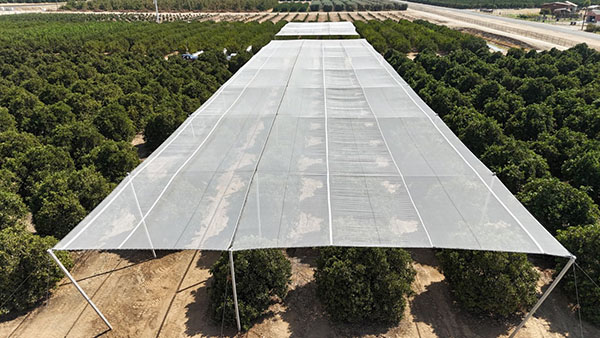
The most aggressive strategies involve relocating vineyards to cooler microclimates or pulling up and replacing less heat-tolerant varietals. However, vineyard owners are unlikely to invest in these approaches while consumption and demand are declining.
A better alternative would be to focus on erecting permanent shade canopies to protect their more heat and sun-sensitive grapes.
Studying the impact of shade canopies
In preparation for a study on mitigating heat and solar radiation in vineyards, Lauren Marigliano, PhD, now Assistant Viticulturist at Napa’s Silverado Farming Company, constructed overhead shade structures using solid polyethylene plastics. Her goal was to determine the impact of using these shades “as a dimmer switch so that growers can select the parts of the sun they want to block.” She examined whether the shade impacted photosynthesis, ripening capacity, and or the resulting wines’ flavor profile and color.
During a pre-veraison heatwave in 2020, the area under the shade structure remained warmer overnight and was cooler at the end of the day than in the control environment. In contrast, the control reached 122°F, much higher than the 95°F that Marigliano describes as ‘the danger zone,’ after which the risk of sunburn, dehydration, anthocyanin degradation, and halting ripening sets in. Evapotranspiration tracking also revealed that the shade canopies reduced water loss by 30%.
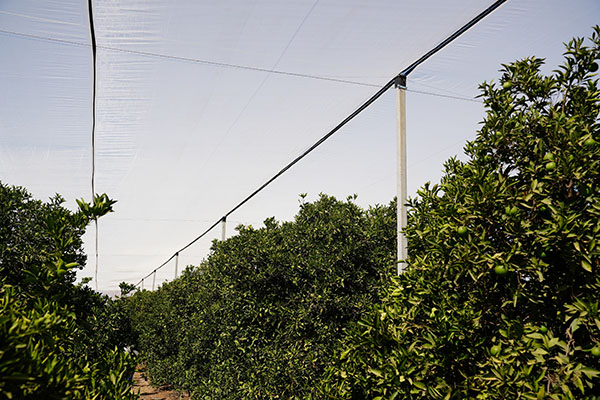
Perhaps Marigliano's study's most striking result was the wine tasting by a hundred wine professionals. Their finding: the taste and smell of wines made from shaded grapes were distinctly different from the control and consistently preferred.
Overhead shade structures are clearly effective in reducing the impact of extreme heat on vineyards. The findings should give growers the confidence to install them in an existing vineyard to provide much-needed cooling on hot days rather than pulling out the vines.
Marigliano recommends “Overhead rather than side netting as a long-term solution, especially something you want to maintain throughout the growing season or all year. It is easier to use because you can get underneath it and do all your canopy management and spraying without having to put up and take downside netting every time you want access.”
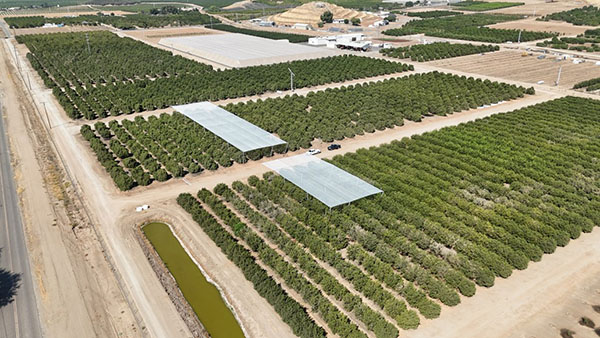
Flexible concrete support for overhead shade structures
“Harvest Pillar can come in a few different sizes with lengths up to 24 ft,” says Robert Alamo, an outside sales representative for Harvest Pillar by Jensen Precast. “The stronger, longer-lasting concrete can be used for trellising, overhead shade projects fencing, or anything else you would use a wood or steel post for.”
“These posts can really hold up to the high-load capacities needed in shade canopy systems,” adds George Kehagias, Director of Product Management for Harvest Pillar. “Even if they're running machinery, which is probably 12 to 15 feet in height, under the canopy, they can get posts 15 to 17 feet out of the ground, with about one-third of the height underground to provide stability.”
Although steel and wood can deliver these heights, they don’t provide the same solid structure that concrete does. In extreme wind, wood can snap, and steel can bend while concrete stays put. Concrete also lasts much longer than wood or steel since it doesn’t rust or attract pests and diseases. Harvest Pillar is exceptionally durable because they are made of prestressed, high-quality concrete that can withstand all types of weather conditions and even fire. The flexibility comes from encasing steel tendons into the concrete mixture.
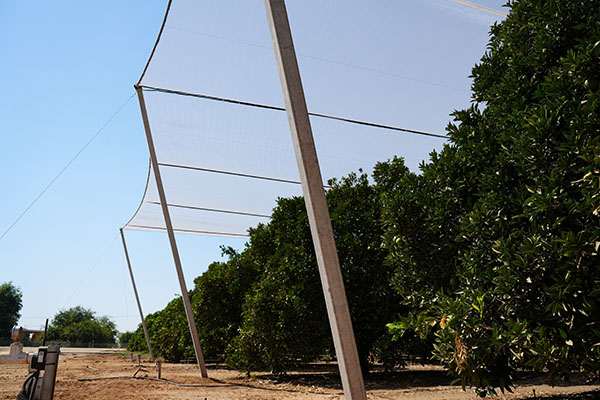
Kehagias explains, “We take stranded cable and tension it and then pour concrete over it, allow the concrete to harden, and then you cut that cable. The tension compresses the concrete and creates that flexibility.”
“Prestressed concrete has been around since the late ‘50s,” notes Alamo. “It's been used in vineyards in Europe since the early 1970s, and more importantly, it's still their post of choice today. Harvest Pillar has been shipping from coast to coast since the spring of 2024. And because our European friends have been using concrete posts for so long, they have all the accessories figured out. Gripple, one of the industry's leading vineyard suppliers, has a whole line made specifically for our concrete posts, so there's a solution to every challenge.”
For more information on how Harvest Pillar can help you combat high summer temperatures, contact the Harvest Pillar team by visiting our website, HarvestPillar.com, or calling (559) 315-4522.


Event Type: Webinar
Location: Webinar
Date: 10/17/2024
Join us on October 17th at 11:00am for an insightful webinar where we delve into the critical role of vineyard trellis systems in grape cultivation. As essential supports for vines, these systems directly influence growth and fruit production. However, challenges arise with wood trellises that can be easily sun-damaged and steel trellises that may conduct excessive heat.
In this session, Lauren Marigliano, PhD, Assistant Viticulturist at Silverado Farming Company, will discuss her UC Davis study on mitigating effects of climate change using overhead shade films for extreme heat protection. You'll learn effective strategies to protect your vineyard from harsh weather conditions using trellis canopy systems. Discover how to enhance the quality of your grapes while ensuring the financial stability of your operations. Our expert speakers will share practical tips and innovative solutions tailored for today’s changing climate.
Don’t miss this opportunity to safeguard your crops and elevate your vineyard's performance.
Speakers


Presented by

Wood is easily sun damaged and steel conducts heat.
When the temperatures get this extreme, growers rightfully start to worry about their crops.
Want to end this summer bummer? Use Harvest Pillar.
Concrete doesn't conduct heat, and the sun doesn't break it down over time. Just ask the Romans.
Plus, with Harvest Pillar, erecting a shade canopy is super simple. You can use and reuse all the accessories you need to protect your crop from the almighty sun.
Also, our shade canopies are simple to adjust. So, when the sun starts to let up, roll your net up and get your photosynthesis on.
Want to learn more about how Harvest Pillar can help you combat the sun? Click here to download our latest whitepaper on effective strategies to protect your vineyard from sunburn: https://lnkd.in/ggTk2Kqp
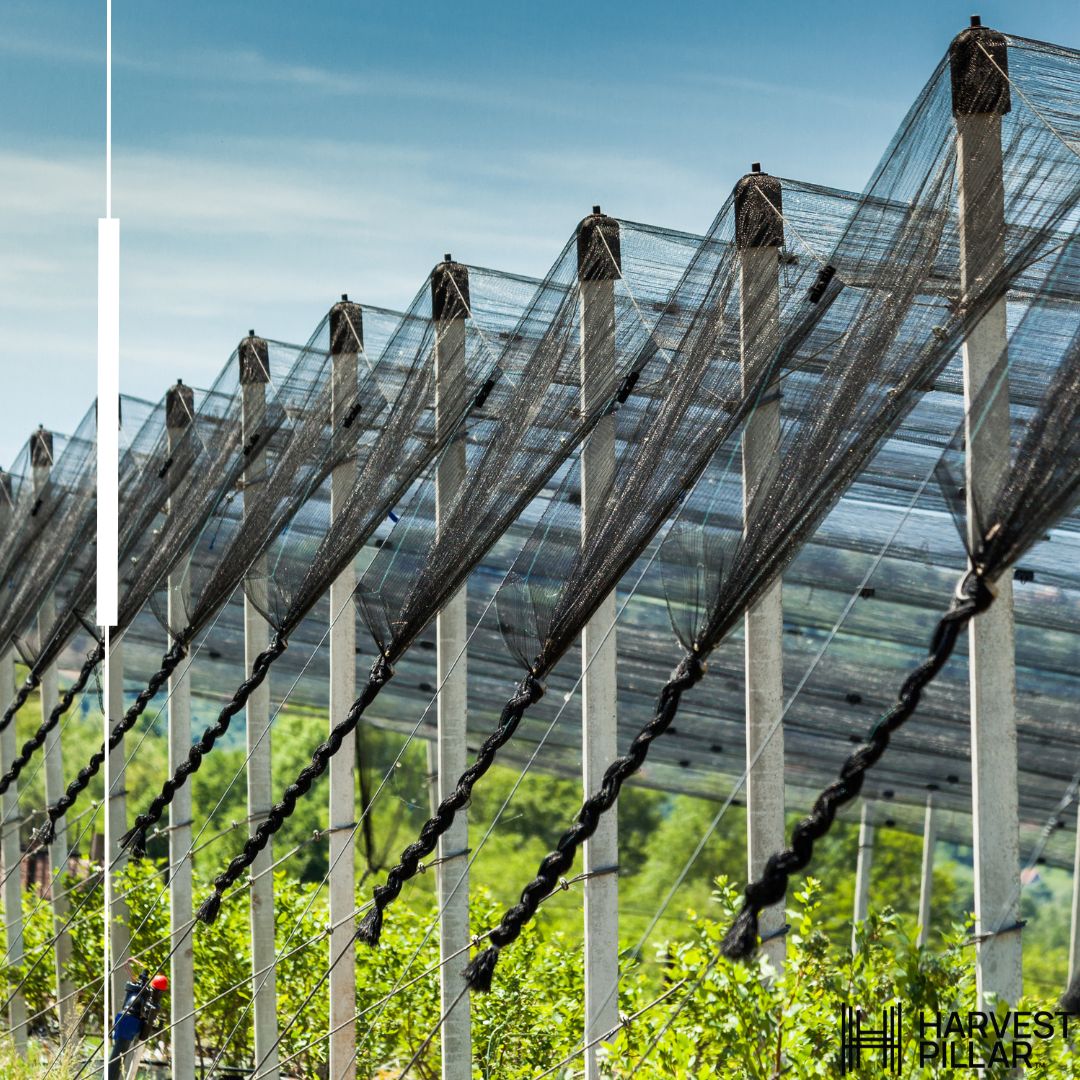
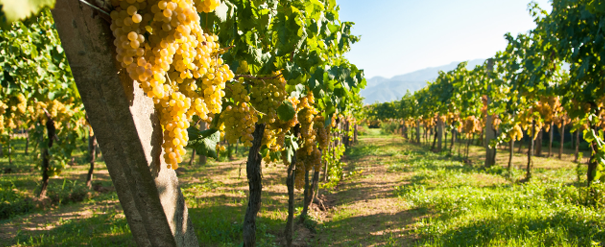
Vineyard trellis systems are essential components of grape cultivation, providing support for vines while facilitating optimal growth and fruit production. Traditionally, treated wood, including CCA-treated wood, has been a common choice for trellis posts due to its affordability and durability. However, the use of CCA-treated wood in vineyard settings has raised concerns regarding potential negative impacts on vineyard ecosystems, worker safety, and long-term sustainability.
Winemakers know growing a delicious and healthy grape is the first step in making the perfect wine. Don't let other trellis posts terrorize your terroir, trust Harvest Pillar to hold up your precious grape vines for up to 50 years.
To learn more about a better way to trellis, visit our website: https://lnkd.in/gFjNSAZj