Walk into almost any winery this week and you’ll see the same thing: equipment everywhere, barrels tucked into every open spot, and crews doing their best to move fruit through a cellar that already feels packed. Harvest always brings some level of chaos, but this year the space squeeze seems to be hitting harder than usual.
And when the cellar is this tight, it quietly changes how winemakers make decisions. Not in big, obvious ways — but in the small, practical choices that add up over the course of a vintage. That’s where the hidden costs start to show themselves.
1. Lots Are Being Shifted Earlier Than Planned
A full cellar forces movement.
Not thoughtful, deliberately timed movement — just movement.
When every open vessel is already promised to incoming fruit, winemakers end up:
racking earlier
transferring before a lot is truly settled
finishing fermentations in whatever vessel is available
consolidating lots sooner than planned
None of these decisions are catastrophic, but each one nudges a wine away from its ideal trajectory. A day or two early isn’t a big deal. Weeks early can be.
And in a tight cellar, timing becomes less about “what’s right for the wine” and more about “what space do we have right now?”
2. New Oak Decisions Get Delayed or Abandoned
When the crush pad is screaming for space, few winemakers want to fuss with brand-new oak that needs hydrating, swelling, and monitoring.
So what happens?
New-barrel fills get postponed
Neutral barrels fill the gap
Some lots destined for oak stay in tank longer
Small-lot oak trials get pushed to “next year”
Quality isn’t necessarily lost — but the stylistic plan for the wine changes.
In a normal year, oak plans drive the workflow.
This year, workflow is driving oak plans.
3. Fruit Timing Gets Bent Around the Cellar, Not the Vineyard
This is one of the most overlooked impacts of space pressure.
When tanks and barrels are full:
picks get spaced out to accommodate tank turnover
small vineyard blocks are left hanging until a vessel frees up
some lots are brought in earlier or later than ideal
Even a 24–48 hour shift in picking can alter acidity, tannin profile, and aromatic freshness.
It’s a reminder that “logistics winemaking” is real — and during a cramped harvest, logistics sometimes win the argument.
4. Neutral Barrels Become the Safety Net of the Vintage
When the cellar is bursting, neutral barrels suddenly become the quiet heroes of harvest. They’re used for:
overflow
emergency storage
finishing ferments
protecting small lots
stabilizing juice that needs a quick home
But here’s the hidden cost:
neutral oak isn’t always the stylistic choice — it’s the space choice.
Wineries relying on them more heavily this year may end up with wines that are cleaner and well protected, but not quite the oak profile originally planned.
5. Consolidation Happens Earlier — and Sometimes Permanently
Blending before a wine is ready creates long-tail effects.
This year, early consolidations are happening because:
the cellar needs fewer vessels
a fermenter is coming free
a reserve lot needs to be moved
the forklift path needs clearing
Once lots are combined, you can’t un-combine them.
It’s one of the most irreversible “hidden costs” of a tight cellar.
The decision feels small in the moment. It shapes the wine for years.
6. Labor Moves to Firefighting Instead of Fine-Tuning
A full cellar means crews spend more time:
searching for space
moving barrels
reorganizing aisles
shifting lots
clearing pathways
making room for the next press load
What gets deprioritized?
slower, careful sensory evaluation
structured tasting of small lots
intentional oak assignments
micro-adjustments that matter later
When the cellar feels tight, the craft gets compressed too.
7. Stress Changes Decision-Making
Maybe the least talked about cost — but one every winemaker understands.
A packed cellar changes how decisions feel, and rushed decisions rarely age as well as the wine does. Space pressure has a way of narrowing options. Even experienced winemakers sometimes make the “good enough for today” call instead of the “best for the wine” call — because harvest is relentless.
Why Naming These Costs Matters
This isn’t about blame or perfection.
It’s about recognition.
Winemakers are juggling impossible choices right now. Naming the hidden costs of space pressure isn’t a complaint — it’s a way of saying:
These decisions matter. And they’re happening everywhere this season.
By acknowledging the real-world tradeoffs, wineries can build better strategies for next year — whether that means adjusting barrel allocation, creating a mid-harvest neutral reserve, planning more flexible oak timelines, or rethinking cellar layout before the next crush.
Tight cellars don’t just test space.
They test creativity, clarity, and calm.
And in a harvest like this one, acknowledging the hidden costs is the first step in reducing them.
If you’re sorting through barrel decisions and want another set of eyes or a second opinion, feel free to reach out. Happy to help however I can.
Give me a call or email anytime.
805-481-4737
sales@qualitybarrels.com
— Lucas Brewer
Sustainability in winemaking goes far beyond vineyards, irrigation, and lightweight glass. Increasingly, wineries are looking deeper into their production cycle—and discovering that one of the most impactful places to make change is in the cellar itself: the oak barrel.
Each new wine barrel represents decades of forest growth. Most oaks used for cooperage take between 80 and 120 years to mature before they’re harvested, and each barrel requires multiple trees’ worth of wood. When those barrels are used only once or twice before being retired, the environmental cost is steep.
Reusing or recoopering existing barrels extends the life of that oak, maximizing its carbon value and minimizing waste. This practice reduces demand for new trees, cuts down on shipping emissions associated with importing new oak, and prevents thousands of barrels from being discarded prematurely each year. In short, extending barrel life is one of the most practical forms of sustainability available to modern wineries.
The Reuse and Recooper Difference
Not all barrels age out at the same pace. While some are ready for retirement after two or three vintages, many still have years of structural integrity left. These barrels can be thoroughly inspected, rehydrated, and returned to service for additional fills without compromising quality. Others can be recoopered—disassembled, reworked, and given fresh toasts and heads—bringing new life and character back to seasoned oak.
Recoopered barrels are especially valuable for winemakers seeking to fine-tune oak influence without the expense or carbon footprint of new imports. They offer a renewed flavor contribution, a tighter seal, and a dramatically smaller environmental impact.
Measuring What Matters
Forward-thinking wineries are starting to include barrel reuse rates in their sustainability reports, right alongside energy, water, and packaging data. It’s an easy metric to track, yet one that directly reflects a winery’s environmental stewardship. Every reused or recoopered barrel saves an estimated 60–80% of the carbon impact compared to producing a new one.
At Quality Wine Barrels, this mindset has guided operations for more than two decades. Every barrel is carefully inspected for structure, aroma, and leakage before it’s approved for resale or recoopering. By keeping thousands of barrels in circulation each year, QWB helps wineries maintain quality while reducing both costs and their ecological footprint.
Smart, Sustainable Sourcing
As sustainability reporting and certification standards evolve, more wineries are realizing that their barrel choices matter as much as their vineyard practices. Choosing reused or recoopered barrels from trusted domestic suppliers supports responsible forestry, lowers emissions, and provides the same reliable performance winemakers expect from new oak.
Extending the life of oak through reuse and recoopering isn’t just an environmental choice—it’s an operational advantage. It’s a simple, measurable way to advance sustainability while keeping quality and craftsmanship front and center.
If you’d like to talk through a new barrel strategy of reuse and recooperage, the QWB team is always happy to help you set up a practical evaluation plan.
Give me a call or email anytime.
805-481-4737
sales@qualitybarrels.com
— Lucas Brewer
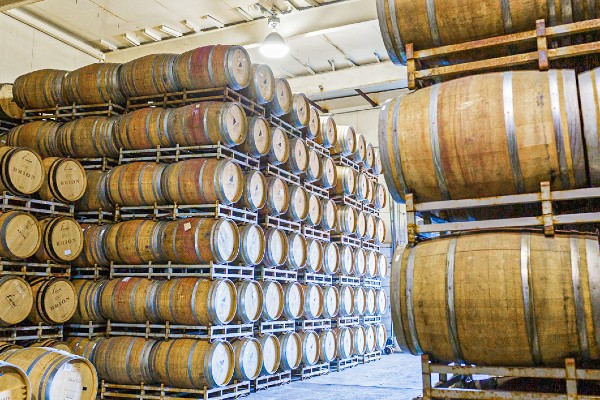
Walk into any cellar this season and you’ll see barrels in every stage of life — new, neutral, recoopered, or quietly leaking in the corner. The challenge isn’t just keeping up with what you have; it’s knowing which barrels are still earning their place.
In a softer market, where margins are thin and cellar space is tight, every barrel decision carries more financial weight than it used to. Replacing by habit no longer makes sense. Instead, wineries are learning to treat barrels like what they really are — long-term assets that deserve the same attention and strategy as any other part of production.
The Barrel ROI Framework: Knowing When It’s Time
Every barrel has a life cycle — and like any asset, there’s a point where the cost of keeping it outweighs its return.
Instead of guessing, wineries can look at the decision through a simple ROI equation:
Barrel ROI = (Years in Use × Oak Value) – Maintenance Cost – Risk of Loss
Here’s what those variables really look like in practice:
| Category | What It Covers | Typical Cost (per barrel) |
|---|---|---|
| Cleaning & Sanitation | Hot water or steam, energy, and staff time | $10–$20 per year |
| Repairs & Hoop Adjustments | Leak fixes, stave or head work, wax or hoop replacement | $25–$75 over life |
| Inspection & Preventive Maintenance | Annual checks, stave evaluation, topping, and upkeep | $10–$15 per year |
| Microbial Loss or Contamination Risk | Spoilage or downtime if a barrel turns | Variable (can be significant) |
Across two to three vintages, those expenses typically total $125–$200 per barrel — about 10–20% of the cost of new French oak.
Add even one stave repair or deep sanitation cycle, and that number can easily reach $250 (roughly 25%).
That’s the practical tipping point.
When a barrel’s cumulative maintenance approaches 20–30% of its original value, it’s often smarter to retire it rather than keep patching.
Three Paths: Keep, Recoop, or Retire
A structured barrel review — even once a year — helps wineries stay ahead of problems before they become losses.
Here’s a simple way to frame those choices:
1. Keep:
If the barrel seals well, smells clean, and provides value (even as neutral oak), it’s still earning its place. Maintain humidity and inspect regularly.
2. Recoop:
When leaks or neutralization set in but the structure is still sound, recooperage offers a middle path. Instead of shipping used barrels across the country for repair or recoop — which rarely makes financial sense — wineries can source recoopered barrels already on hand at QWB.
Our team selects structurally strong oak from our own inventory, shaves and re-toasts the interior, and reassembles each barrel to bring back its flavor potential and integrity. The result is a barrel that performs like new at a fraction of the cost — without the freight expense or turnaround delay of sending barrels out for service.
Recoopered barrels give winemakers flexibility: they can add a touch of fresh oak character where it’s needed, keep cellar costs in check, and stay on schedule for bottling or blending.
3. Retire:
If repairs keep stacking up, or microbial odors persist even after steaming, it’s time to retire. The oak can still live on — as décor, planters, or repurposed materials — but it’s no longer a sound vessel for wine.
And There’s Another Path — Reuse
Sometimes a barrel that’s reached the end of its life at one winery still has plenty to give somewhere else. That’s where reused barrels come in.
At QWB, we inspect, sanitize, and leak-test each barrel before sending it out — making sure it’s clean, sound, and ready to fill. These barrels are ideal for programs that don’t need strong oak flavor but still need reliable cooperage.
They’re also a smart bridge between replacement and recooperage — giving winemakers access to dependable oak at a fraction of the cost of new, without waiting on imports or risking quality. It’s a practical option that saves money, reduces waste, and keeps good barrels in use instead of in the scrap pile.
Beyond Savings: The Sustainability ROI
Recooperage and reuse don’t just save money — they save oak, water, and energy.
Each reused or recoopered barrel conserves part of a tree, reduces water use, and cuts the carbon footprint tied to shipping new cooperage across oceans.
It’s a sustainability story that resonates with both distributors and consumers:
“This wine was aged in oak that’s already lived another vintage — conserving forests, reducing waste, and keeping quality high.”
The Takeaway
Knowing when to retire a barrel isn’t about age — it’s about awareness.
By tracking maintenance costs, monitoring condition, and using recooperage and reuse strategically, wineries can extend the useful life of their oak and keep their programs financially and environmentally sound.
If you’d like to talk through a new barrel strategy of reuse and recooperage, the QWB team is always happy to help you set up a practical evaluation plan.
Give me a call or email anytime.
805-481-4737
sales@qualitybarrels.com
— Lucas Brewer
If you’ve been in the wine business long enough, you know the rhythm of harvest tends to repeat itself — until it doesn’t.
A Changing Vineyard and Cellar Landscape
This year, growers and winemakers across California are still navigating tough choices. With less demand and smaller contracts, some fruit is being left on the vine or sold off early, and many wineries are cutting back crush volumes simply because cellar space and cash flow are tight. Others are consolidating vineyard blocks, farming for vine health instead of yield, or pausing replanting until the market finds its balance.
Inside the cellar, the picture isn’t much different. Tanks are full, case sales are slower, and every square foot of storage matters. As a result, more wineries are stretching existing barrel inventory another season, delaying new oak purchases, and relying on recoopered and used barrels to stay flexible without adding unnecessary costs.
And the pattern reaches well beyond California. Washington, Oregon, and parts of the East Coast are facing similar pressures — lighter crops, cautious production, and careful spending.
Across the country, winemakers are adjusting barrel strategy to match a new reality: extending the life of good oak, sourcing closer to home, and investing only where the return is clear.
A Softer Market, A Smarter Cellar
With retail and wholesale channels still slow to rebound, most wineries are focused on efficiency — making smart choices that protect quality while easing cash flow pressure. Barrel programs are front and center in that shift.
Many winemakers are leaning harder on quality used and recoopered barrels, scaling back on new oak orders, and finding creative ways to extend their inventory. The math is straightforward: a new French oak barrel runs about $1,300 or more, while a recoopered barrel costs close to $250, and a ready to fill used barrel is less than $300.
That difference quickly adds up — easily $100,000 or more in savings per 100-barrel program. For many, that’s the difference between staying on track or tightening the belt another notch.
It’s not about cutting corners. It’s about cutting waste.
Risk Management
Supply chain headaches haven’t disappeared — freight is still unpredictable, and international oak prices keep climbing — so more wineries are finding stability closer to home. Having barrels already in the U.S. isn’t just convenient; it’s a form of risk management. Recoopered and reused barrels that are inspected, sanitized, and leak-tested on-site remove delays, freight surcharges, and uncertainty.
And the best part? What makes this approach practical also makes it sustainable. Every reused or recoopered barrel saves part of an oak tree, conserves water, and cuts the carbon footprint tied to shipping. It’s a solution that keeps programs on schedule and tells a story worth sharing: “This wine was aged in oak that’s already lived another vintage — conserving forests, reducing waste, and keeping quality high.”
In a market where both budgets and values matter, that kind of authenticity goes a long way.
Looking Ahead
For most wineries, 2025 isn’t about expansion — it’s about stabilization. Barrel programs are being built for flexibility, not flash:
- Mixing new, recoopered, and used oak to balance cost and flavor goals.
- Sourcing closer to home to reduce risk.
- Stretching existing barrels another vintage wherever possible.
The U.S. wine industry is still recalibrating, but one thing is clear: the cellar is where the real adjustments are happening.
Barrels — whether new, reused, or recoopered — have become more than vessels for aging wine. They’re now tools for financial stability, sustainability, and operational resilience.
And for an industry built on patience, that kind of steady, adaptable thinking may be exactly what gets it through the next cycle.
If your team’s rethinking its barrel plan, I’d be glad to share what’s working for other wineries right now.
Give me a call or email anytime.
805-481-4737
sales@qualitybarrels.com
— Lucas Brewer
When people talk about barrels, it’s usually the glamorous ones that get the attention—new French oak, custom toasts, those first vintages where the oak impact is bold and unmistakable.
But if you walk into most working cellars, you’ll notice something: the barrels stacked three high in the back aren’t all brand-new French oak.
A lot of them are neutral.
And they’re doing some of the most important work in the room.
We’ve seen plenty of cellars where neutral barrels outnumber new oak five to one. Nobody makes a big deal about it—it’s just how the work gets done.
More Than “Just Neutral”
Once a barrel has given up most of its extractable oak character, it often gets labeled as “neutral.” The implication is that it’s somehow less useful. But neutral oak plays a role that’s just as important as the flashier new barrels.
In short: neutral doesn’t mean useless—it means versatile:
- Blending tools that let winemakers balance lots without over-oaking the final wine.
- Fermentation: Gentle oxygen exchange helps wines evolve without heavy-handed oak flavors.
- Storage: Stable, trustworthy, and always ready when tank space is tight.
The Budget Safety Net
Let’s face it—this market is tight. Wineries everywhere are stretching dollars, looking for savings without cutting corners. Neutral oak makes that possible.
It lets winemakers put resources where oak impact really matters, while still keeping the rest of the program on track. It’s a quiet kind of flexibility—one that doesn’t get talked about much, but without it, the numbers wouldn’t add up.
Steady and Reliable- Risk reduction
“We all know what it feels like when tank space runs short… neutral barrels are what save the day”
There’s also comfort in knowing what you’re working with. Neutral barrels have already been through a few vintages, and when they’ve been properly cleaned and checked, they’re predictable.
If you’ve ever been short on tank space mid-harvest, you know the relief of rolling in a row of neutral barrels and knowing they’ll get you through. No drama, no surprises—just dependable oak doing its job.
Neutral as Part of the Story
And for the winemaker, that story isn’t just marketing—it reflects the reality of running a cellar efficiently and responsibly.
Consumers may not ask specifically about neutral oak, but they do care about sustainability, value, and resourcefulness.
A winery that uses neutral barrels as part of its strategy can tell a story that resonates: conserving oak forests, cutting waste, and making smart, thoughtful choices vintage after vintage.
For winemakers, it’s not about spinning a narrative. It’s about the reality of running a cellar responsibly. But the fact that the story resonates outside the cellar is a nice bonus.
The Takeaway
Neutral oak may not carry the same mystique as a freshly toasted French barrel, but it’s every bit as vital. It’s the quiet backbone that supports fermentation, storage, and blending decisions vintage after vintage.
In an industry facing tighter margins and rising costs, neutral barrels are more than a convenience— They make the math work.
A new French oak barrel often runs $1,100 or more, while a neutral barrel might cost a fraction of that—sometimes under $100.
Multiply that across dozens or hundreds of barrels, and the savings can easily climb into the tens of thousands.
Sometimes the most valuable barrels in the cellar aren’t the ones making headlines. And maybe that’s the point.
Neutral oak doesn’t need the spotlight. It just needs to keep doing what it’s always done: the work.
We love to talk barrels, and create long-lasting relationships with our customers.
Please call or email us!
Luke Brewer and the team
(805) 481-4737
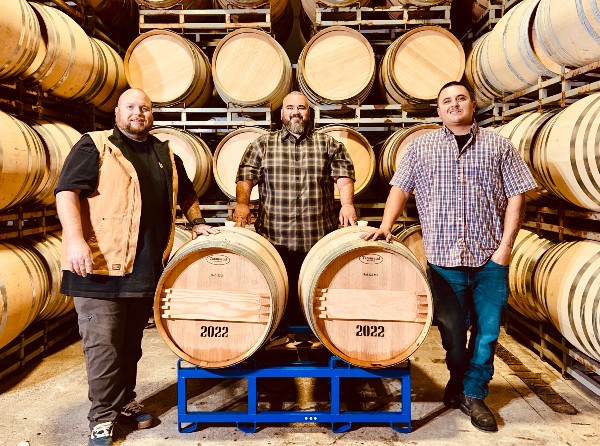
If you’ve been in the wine industry for a while, you’ve probably noticed how much harder it’s become to rely on international shipping. What used to be a straightforward order for new French oak has turned into a waiting game—freight costs changing by the week, containers delayed, and barrels showing up long after you needed them.
But the reality for winemakers is simple: harvest doesn’t pause while barrels are stuck on the water.
The New Normal in Barrel Supply
There was a time when you could plan around a predictable delivery schedule. Now, that predictability is gone. Port congestion, customs delays, and logistics bottlenecks mean that a barrel ordered today might not arrive until weeks—or even months—later.
For wineries, that lag can ripple through the cellar. Tanks fill up faster than barrels arrive. Fermentations need to be moved or held longer than you’d prefer. The whole rhythm of harvest can feel like it’s working against you.
Looking Closer to Home
That’s why more winemakers are beginning to treat barrel sourcing differently: not just as a purchase, but as a piece of risk management. And one of the simplest ways to cut down on risk is to look closer to home.
Barrels already here in the U.S.—whether once-filled, neutral, or recoopered—remove the international shipping variable entirely. They can be delivered in days, not months. They don’t come with surprise freight surcharges. And they give winemakers something that’s been in short supply lately: peace of mind.
What Recoopering Brings to the Table
Recoopered barrels, in particular, are reshaping how many winemakers think about oak. By shaving, re-toasting, and tightening the hoops, coopers can extend the life of a barrel and bring back fresh oak character without starting from scratch.
For some, it’s a budget decision. For others, it’s about sustainability—fewer trees cut, less water consumed, lower carbon footprint. But increasingly, it’s about flexibility: having reliable, refill-ready barrels on hand when harvest demands them.
A Smarter Hedge
Every winery has its own approach to planning for uncertainty—whether that’s diversifying vineyard sources, staggering bottling runs, or keeping extra tank space ready. Adding domestic barrels into the mix is simply another hedge, one that’s becoming more common as global supply chains continue to wobble.
It doesn’t mean abandoning new French oak altogether. It just means building resilience into the program—so that a late ship in Marseille doesn’t throw off a carefully timed harvest in Mendocino or Paso Robles.
The Takeaway
If the last few years have taught us anything, it’s that the “old normal” of barrel sourcing isn’t guaranteed anymore. The wineries finding their stride now are the ones willing to rethink how barrels fit into the bigger picture.
Domestic sourcing isn’t just about saving money or cutting carbon. At its core, it’s about keeping harvest moving and the cellar on track—no matter what’s happening at the ports.
Because at the end of the day, barrels should work on your schedule, not the other way around.
We love to talk barrels, and create long-lasting relationships with our customers.
Please call or email us!
Luke Brewer and the team
(805) 481-4737
Harvest season is here, and with the market softer than usual, we know every dollar in your program has to pull its weight. The good news? You don’t have to choose between quality and cost. With the right mix of barrels, you can hit your flavor goals and protect your budget—leaving more resources for fruit, labor, and marketing.
At Quality Wine Barrels, we see more wineries turning to used and recoopered barrels as the smartest way to stretch their budget without giving up the integrity of the vintage. It’s a strategy that delivers in the glass and on the bottom line —and we’re here to help you build the mix that makes the most sense for your program.
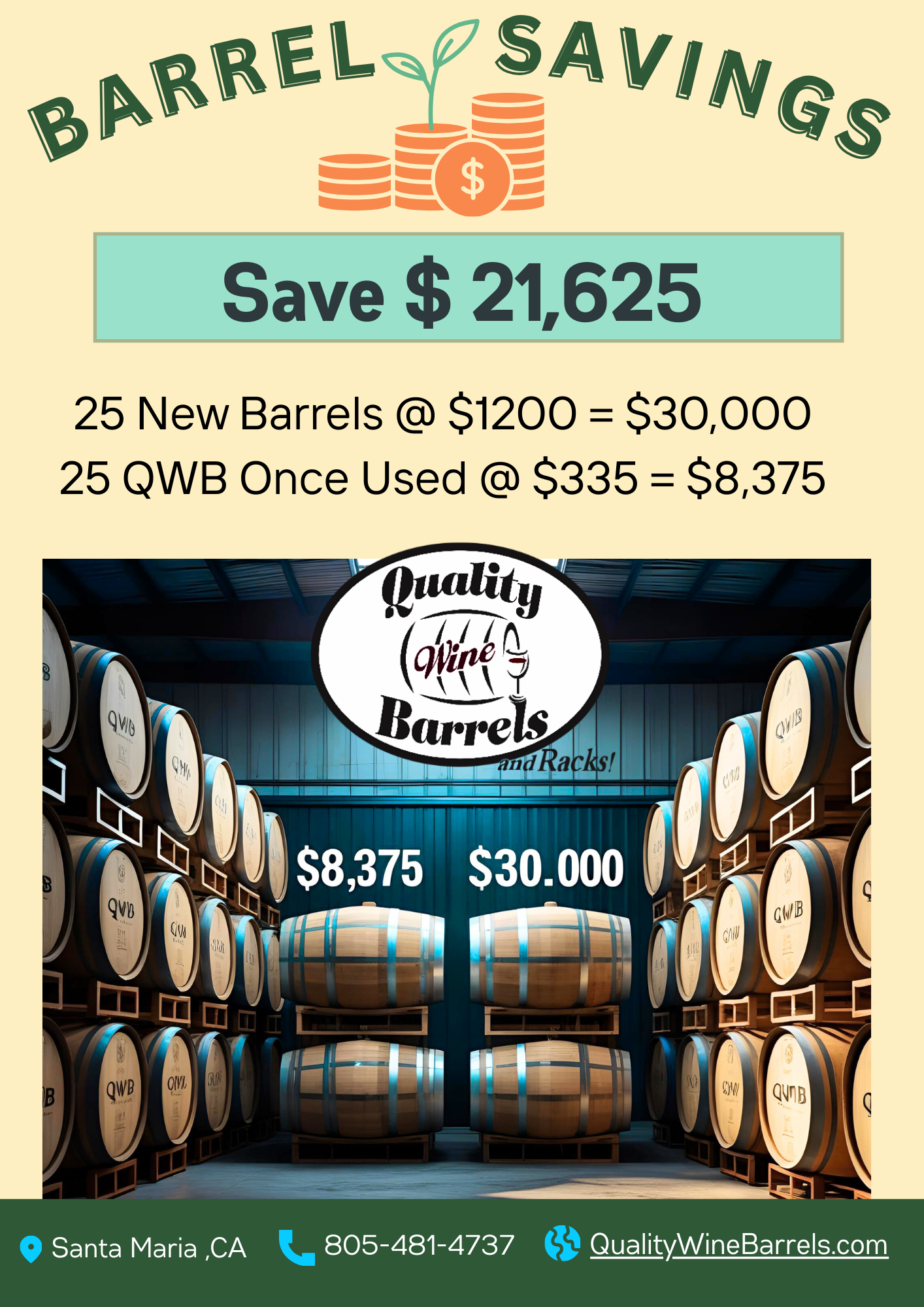
The Simple Math (That Adds Up Fast)
At-a-glance price snapshot
- New French oak: typically $1,200+ each
- Once-filled French oak: $335 each
A 25-barrel example
- New French oak: 25 × $1,200 = $30,000
- Once-filled French oak: 25 × $335 = $8,375
- Savings: $21,625
And that’s just one cycle. Scale that across multiple vintages or expand to 100 barrels, and the savings can reach well into six figures.
Flavor Management: Tools for Balance
Choosing used or recoopered barrels isn’t about compromise—it’s about control.
- Once-filled French oak: Delivers subtle oak influence at a fraction of the cost.
- Neutral French oak: Reliable aging capacity without altering varietal expression.
- Recoopered barrels: Revitalized and re-toasted for fresh oak character at a mid-range price point.
Winemakers who blend these options create flexibility: flavor where they want it, neutrality where they need it.
Beyond Sticker Price: The Hidden Savings
The true savings of used and recoopered barrels run deeper than purchase price:
- Spoilage protection – Every barrel goes through our Five-Point Inspection and independent microbial testing. That means clean, leak-free barrels on arrival—and fewer costly surprises.
- Freight expertise – Shipping is often where “good deals” unravel. With decades of experience moving barrels worldwide, we leverage volume, relationships, and logistics know-how to keep freight in check. For orders over 20 barrels, ask us for a custom freight quote.
Recoopered Barrels: Fresh Oak Without the Premium Price
When your program calls for renewed oak influence, our recoopered barrels provide a middle lane between new and once-filled. By shaving down to fresh oak and re-toasting, you get desirable oak character without committing to the cost of brand-new barrels. Many winemakers find this option to be the best balance of expression, flexibility, and value.
Sustainability That Pays You Back
Every reused or recoopered barrel extends the life of quality oak and saves trees. It’s a story your customers care about—and one that aligns with modern expectations for sustainability. In practice, it means your winery can save money while also protecting forests and honoring the resources that make great wine possible.
The Bottom Line
Used and recoopered barrels aren’t a step down—they’re a strategy. On just 25 barrels, switching from all new French oak to once-filled can save more than $21,000. Scale that with neutrals and recoopered options where it makes sense, and you’ll build a program that makes financial sense while still producing wines you’re proud of.
Want to see the savings for your program?
Call us today- we want to help and create a long-lasting relationship with you. We’ll run the numbers, design a mix of barrels around your flavor goals, and provide a freight quote that reflects the real cost—and the real savings—up front.
Luke Brewer and the team
(805) 481-4737
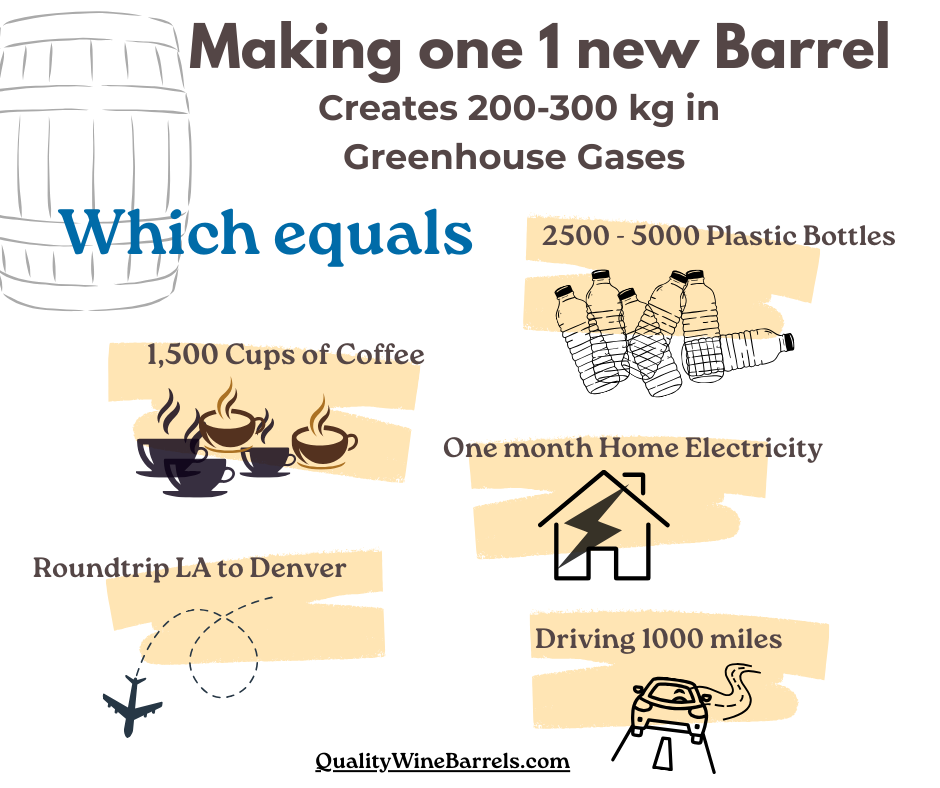
Re-coopering isn’t just about saving money. It’s about restoring oak to its full potential.
At Quality Wine Barrels, we’ve spent years refining a proprietary re-coopering process that solves historic challenges. — and turns tired oak into a reliable, like-new performer.
Here’s how it works:
Step 1: Inspect for suitability
Every barrel gets a full check—staves, hoops, and heads. If it isn’t solid, it doesn’t move forward. We only re-cooper once, giving quality oak one strong second life.
Step 2: Shave
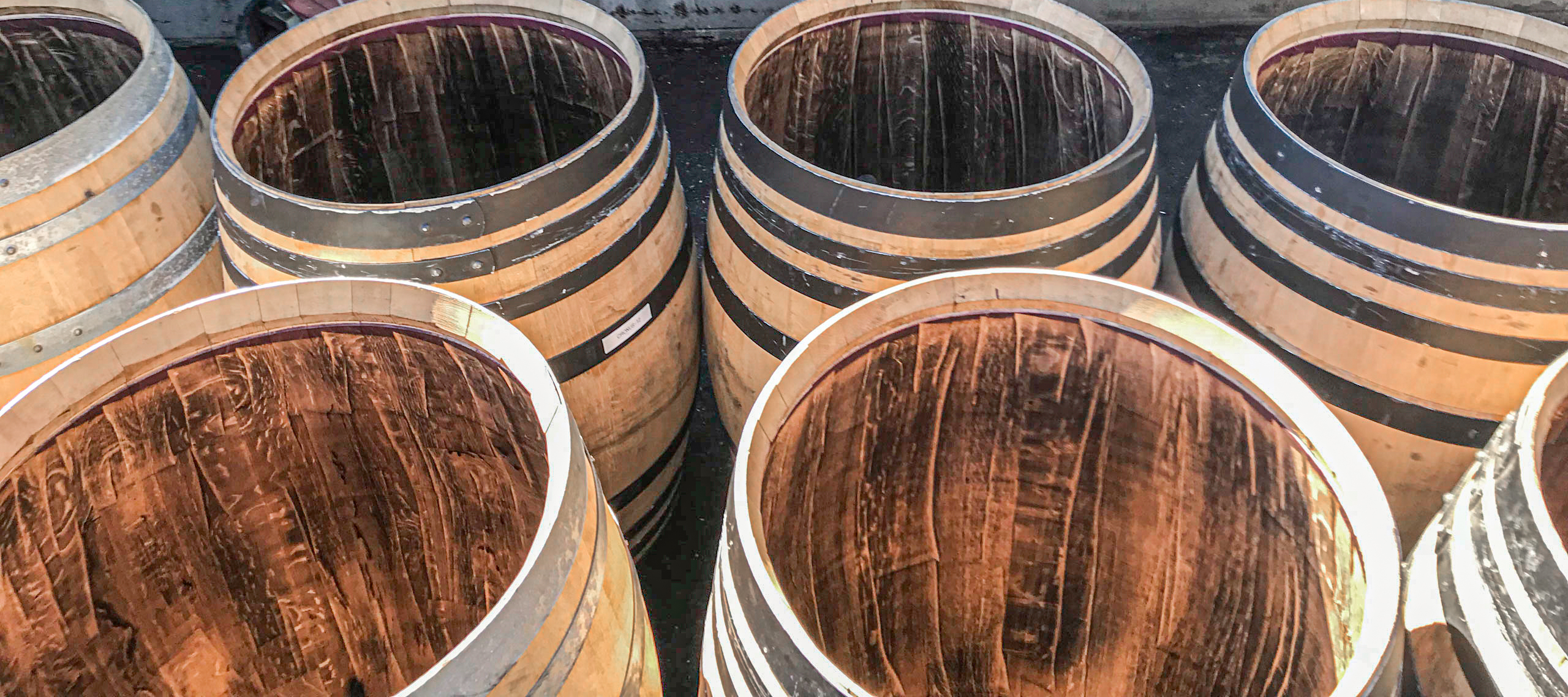
Shave for strength + freshness: We remove just 3/16–5/16 of an inch, exposing clean oak while maintaining strength. This eliminates all traces of old wine or contaminants, leaving no risk of residual off-flavors.
Step 3: Re-toast to your style
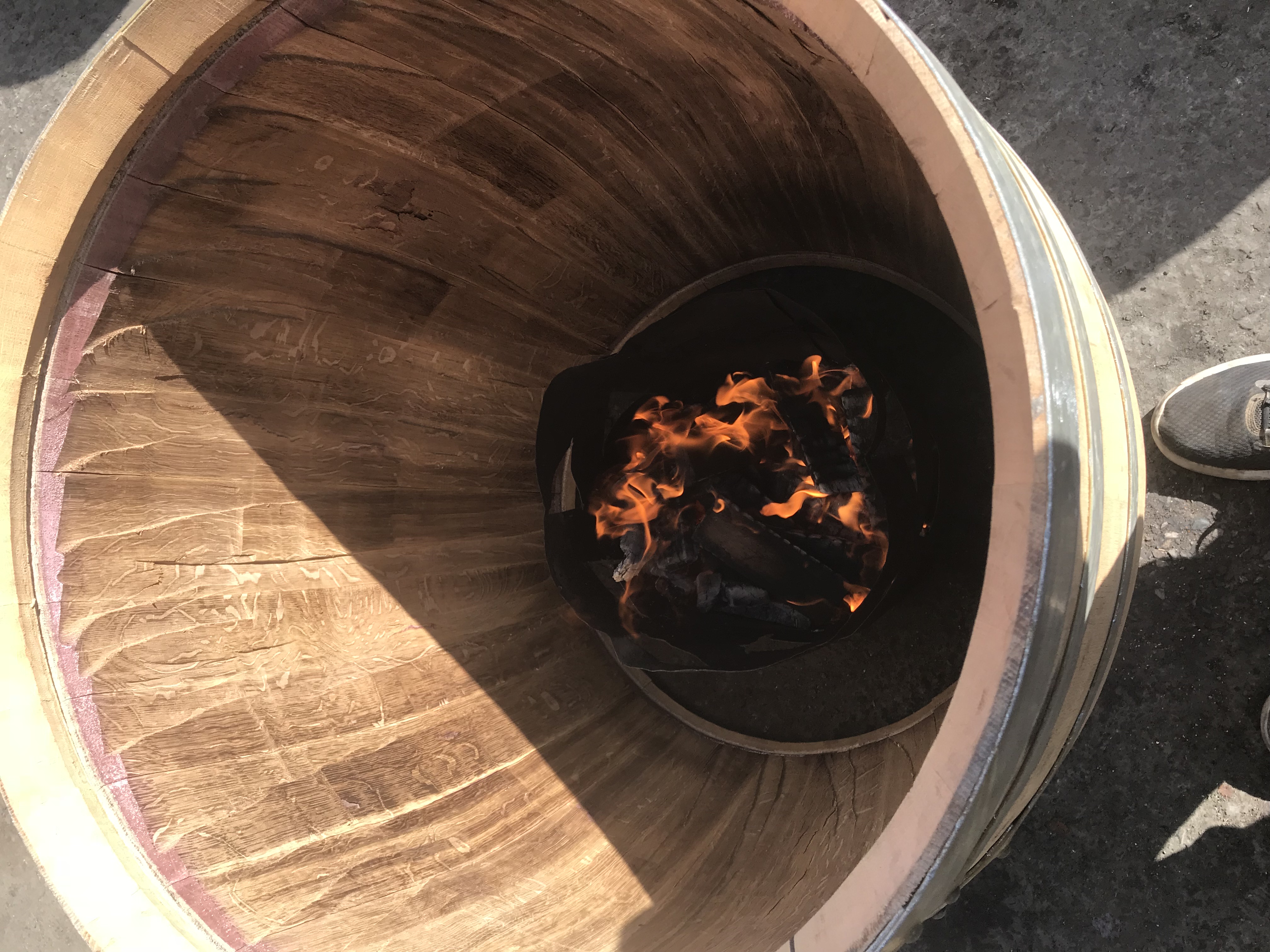
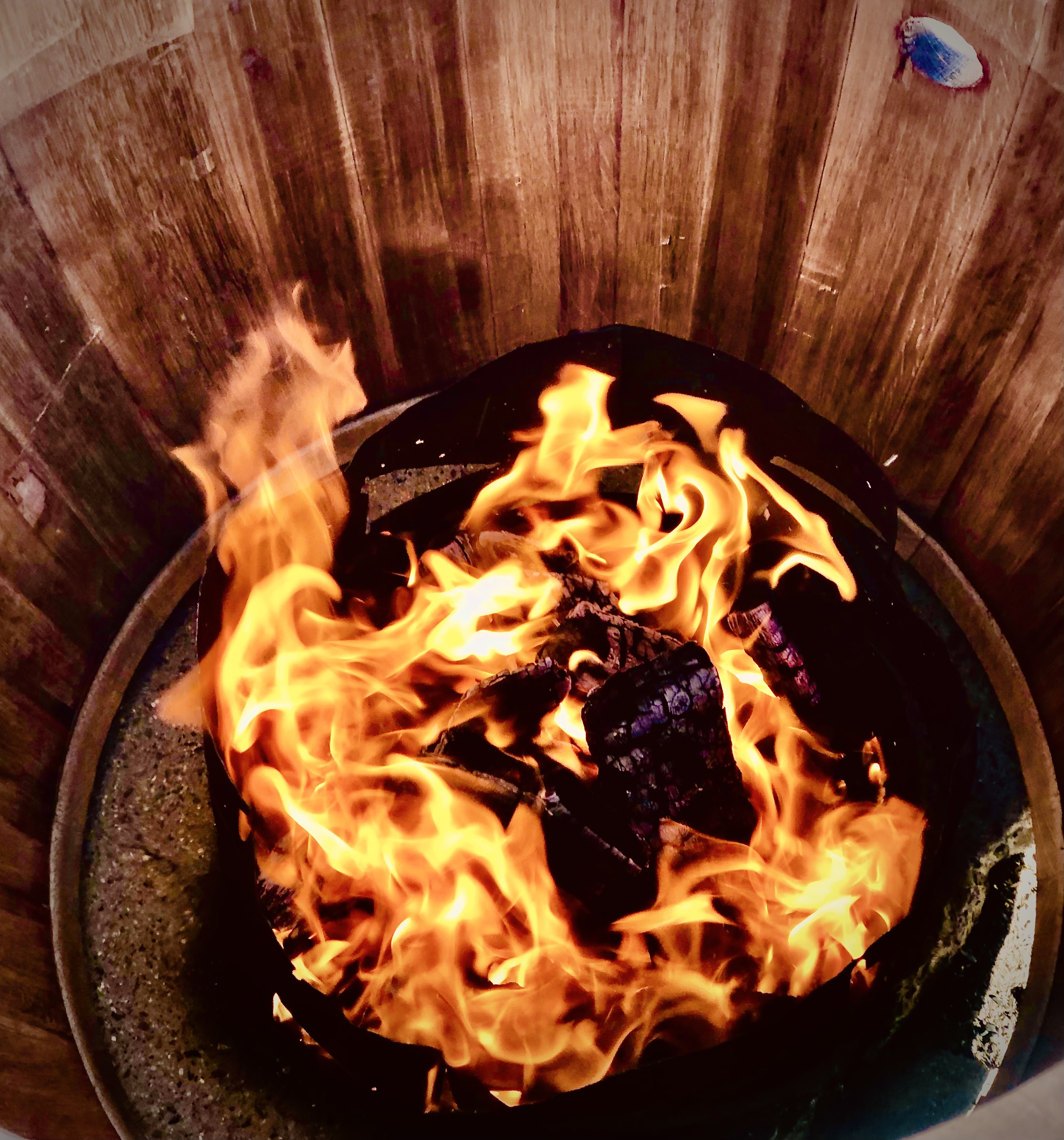
Over open flame, the barrel is re-fired to your specs—light, medium, medium plus, or heavy. Spice, vanilla, and caramelized oak return to the profile. — most winemakers prefer medium plus, but the choice is yours.
Step 4: Seal
Hoops are tightened, staves hydrated- this bring the barrel back into form.
Step 5: Sanitize & Leak-Test
Our high-heat pressure wash creates a steam vacuum that kills microbes and ensures the barrel is water-tight. Nothing leaves our shop without passing.
The result: a re-coopered barrel that extracts oak compounds — furfurals, trans-oak lactones, vanillins, tannins — at a slower, softer pace but with the same character as the original cooper’s signature style.
Savings With a Green Edge
Re-coopering doubles the working life of an oak barrel. That means:
- One re-coopered barrel saves nearly half the demand for new forest oak.
- Fewer new barrels shipped around the globe means lower emissions.
- And in your cellar, you’re saving hundreds of dollars per barrel — reds at $245, whites at $265, or just $120 if you send us your own.
- It’s cost-effective. It’s sustainable. And it keeps your program running strong.
How to Order
We keep re-coopered barrels in stock, but you can also send us your own neutral barrels (subject to inspection). Orders typically take 2–4 weeks, depending on quantity and specifications. Custom toasts and head re-toasting are available.
Call or email us today at sales@qualitybarrels.com.
When it comes to used barrels, three things matter most: aroma, integrity, and reliability.
What Is TCA—and Why Should You Care?
TCA (2,4,6-Trichloroanisole) is the chemical compound behind cork taint. But it doesn’t just affect corks—it can also form inside barrels, leaving behind a musty, moldy smell that ruins wine or spirits. Common descriptions of TCA include wet cardboard, damp basement, or moldy newspaper.
The worst part? Even trace amounts can dull aromas and kill a beautiful vintage.
Our Microbial Test Results
In June 2025, we submitted five of our oak barrels for microbial plating and culturing through BevTrac Mobile, a trusted independent wine lab. The results?
- No spoilage yeasts detected: Brettanomyces, Saccharomyces, Zygosaccharomyces
- No spoilage bacteria detected: Acetobacter, Lactobacillus, Oenococcus, Pediococcus
- Only minor environmental microbes (like Bacillus), which are common and harmless
The Smell Test
Our team at Quality Wine Barrels conducts a smell test on every single barrel——we literally put our noses to work.
We sniff each barrel for any sign of TCA, volatile acidity, Brettanomyces, or other off odors. If it doesn’t smell like clean wine and oak, it’s rejected for refill and recycled into planters and yard art.
Leak Testing
Even a small leak can lead to major product loss, contamination, and even spoilage. Tight seals are critical—especially at the heads, stave joints, and bung.
That’s why we use high-heat steam under pressure. This process not only sanitizes, but creates a steam vacuum that naturally swells the wood and ensures the barrel is water-tight—no soaking needed.
The goal is simple: every barrel arrives to each winery ready to fill.
Our Guarantee
We stand behind every barrel we sell. If your barrel is inspected within two weeks of delivery and shows signs of spoilage or failure, we’ll make it right.
That’s our Refill-Ready Guarantee.
Let us know what you need—we’re happy to help.
We love to talk barrels, and create long-lasting relationships with our customers.
Please call or email us!
Luke Brewer and the team
(805) 481-4737
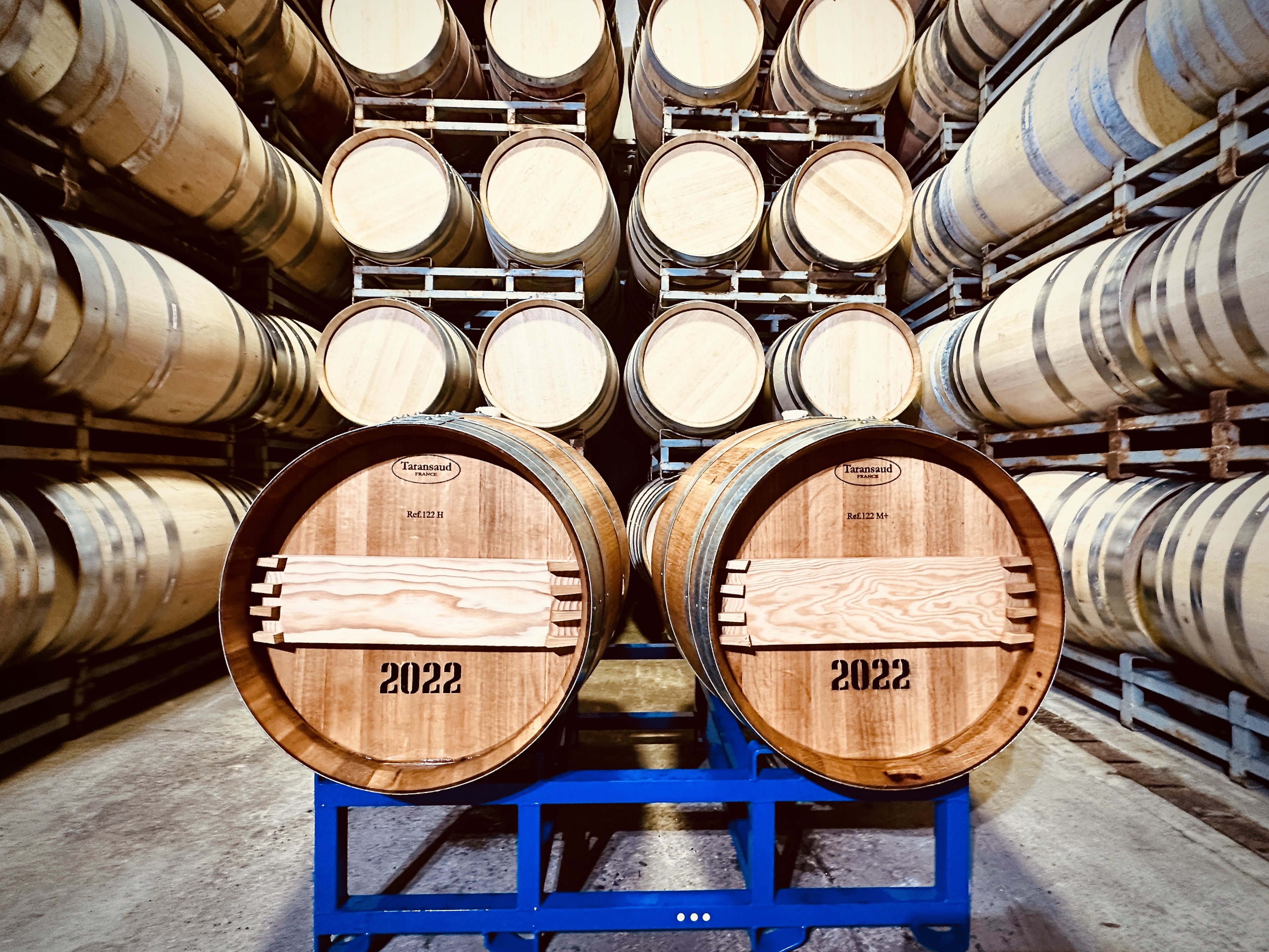
Re-coopering is a time-tested craft we’ve refined over decades. While re-toasting and precision shaving is common in top wine regions, many winemakers either haven’t used re--coopered barrels—or have lots of questions about how it works.
Here’s a quick breakdown of why re-coopering barrels make sense:
- Save money — cost 40–70% less than brand-new barrels
- Re-toasted — freshly charred for expressive oak character; custom toast options
- Extend barrel life — maintain craftsmanship from quality cooperages
- Good for the planet — keeps great oak in circulation longer—saving forests
- Ready to fill — Pre-seasoned, hydrated and leak-tested
Common Questions We Hear
Q: What is the cost of a Re-coopered barrel?
A: Current prices are: Reds 245$, Whites 265$; if you provide your own barrels $120.
Q: How many times can a barrel be re-coopered?
A: We only re-cooper barrels one time.
Q: Can I send in my own barrel for re-coopering?
A: Yes, we can re-cooper your barrels as long as it meets our rigorous inspection process that certify barrels for refill.
Q: How does re-toasting affect the barrels profile?
A: Re-toasting and re-coopering can bring a fresh oak flavor to a used wine barrel.
Q: What are the most popular toast levels?
A: Medium plus.
Q: Are they safe, clean and leak free?
A: Yes! Barrels are sanitized, leak tested, and certified —ready for immediate use in your program.
Q: How long does the re-coopering process take?
A: We typically have re-coopered barrels in stock, but if not, 1-2 weeks depending on quantities ordered.
We love to talk barrels, and create long-lasting relationships with our customers.
Please call or email us!
Luke Brewer and the team
(805) 481-4737