
When growers talk about adopting new techniques, the conversation usually stays inside the rows — canopy decisions, new tools, new timing, new workflows. But the early adopters who come out of a season feeling confident tend to share one quiet habit:
They stabilize the perimeter first.
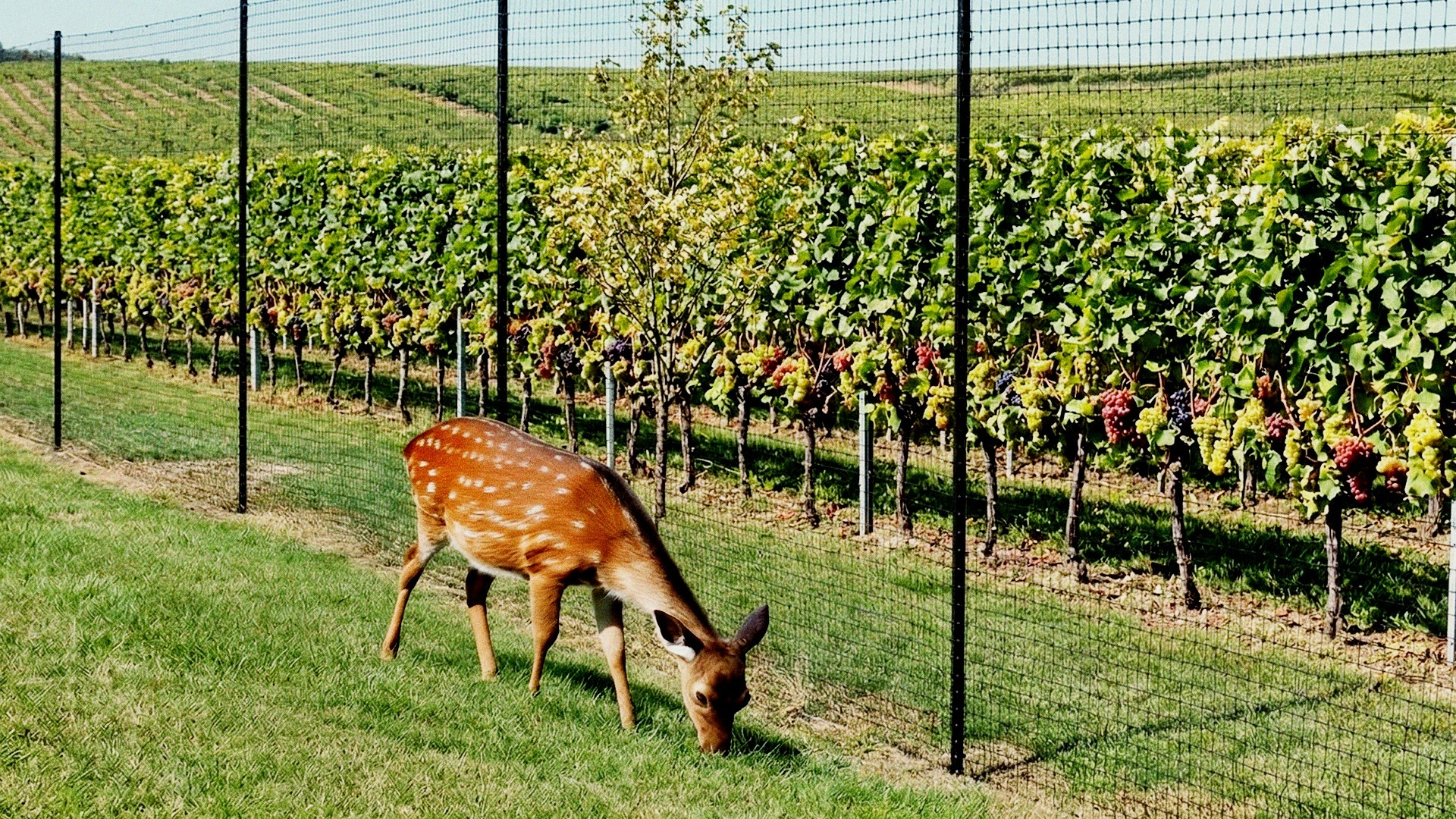
Not because fencing is flashy. Because it reduces variables. If you’re trialing changes in the vineyard and wildlife pressure spikes at the same time, it’s hard to tell what’s actually working. A dependable perimeter helps protect your results, your labor plan, and your fruit — while you focus on what you’re testing.
Why the perimeter is the smartest “first move”
A fence is a risk-control upgrade. It doesn’t require retraining crews, rewriting SOPs, or perfect timing. It just needs to be designed correctly for your pressure and installed correctly for your terrain.
That’s why it pairs so well with seasons where you’re trying anything new: it removes the “surprise factor” that can wipe out gains (or muddy your data).
Step 1: Get clear on the pressure you’re actually dealing with
Before you pick a fence style, identify the main intruders and how they’re entering:
- Deer/elk: jumping pressure and “weak spot” pressure (low areas, corners, slopes). For consistent deer exclusion, 8 feet is the most common target height.
- Smaller pests (varies by region): you may need tighter spacing near the bottom to prevent squeezing through or pushing under — especially where animals probe for gaps.
- Terrain & access: slopes and drainage dips create “easy jump” or “easy crawl” zones unless the fence follows grade correctly.
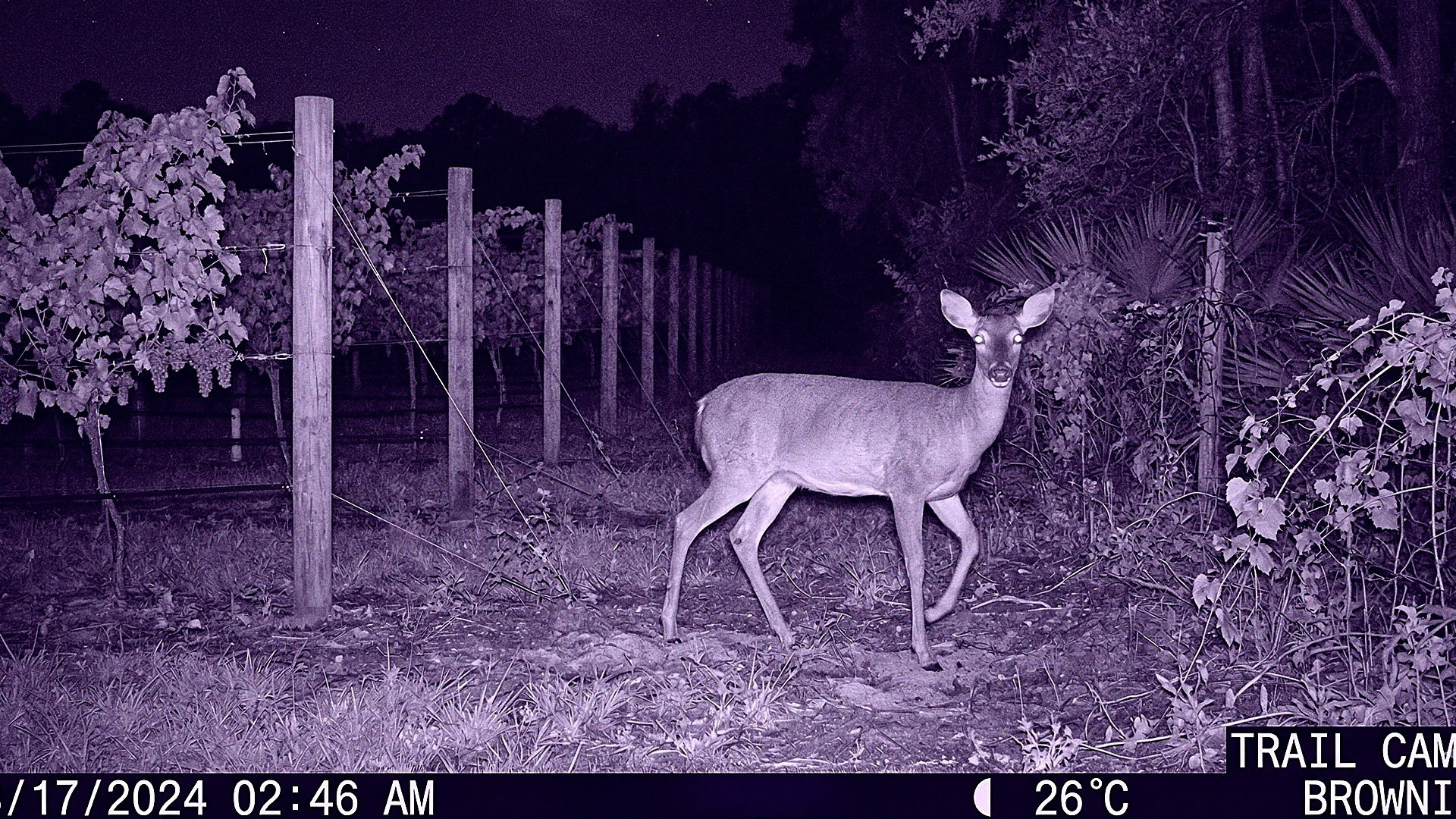
If you’re not sure what’s hitting you, a quick trail cam check for a week can save you from overbuilding in the wrong direction — and it can reveal exactly where animals are testing the line.
Step 2: Don’t let “almost tall enough” become the expensive mistake
With deer in particular, height is one of those decisions that’s hard to fix later without essentially rebuilding. If the goal is exclusion, you don’t want to guess low.
A simple way to frame it:
- If you hope your fence discourages deer, you may be stuck in ongoing patch-and-pray mode.
- If you design your fence to exclude deer, you build a perimeter you can stop thinking about every day.
Step 3: Choose a fence style that stays tight under pressure
“Strong” isn’t just about wire thickness. It’s about what happens after months of wind, heat/cold cycles, and impact.
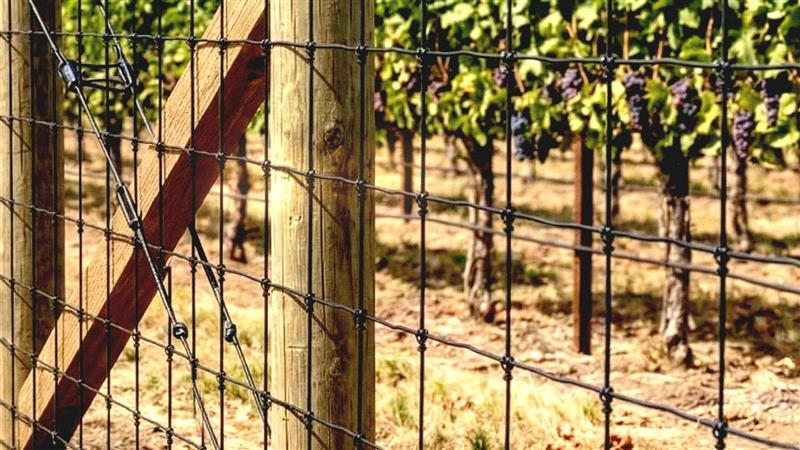
Fixed knot woven wire is built to hold tension and maintain structure under load. That matters because:
- A fence that stays tight keeps the bottom edge where it belongs and helps prevent gaps from forming.
- A fence that holds its shape is less likely to turn into a recurring maintenance project after the first hard season.
If you want the added benefit of a more refined look along the road or tasting areas, black-finish fixed knot can deliver the same job-site performance with a clean, low-visual appearance.
Step 4: Design for the real failure points: corners, gates, dips
Most fence “failures” aren’t the fence. They’re the details.
- Corners and end braces: corners take tension. Strong corners keep the whole system tight.
- Gates and access points: if the gate area isn’t built to the same standard (height, tightness, no gaps), it becomes the preferred entry.
- Dips, washes, and slopes: animals don’t test the whole fence evenly — they test the easiest section. Low spots and transitions are where they win.
Step 5: Build tight and intentional — for performance and fewer problems
Even if your goal is to keep wildlife out, how a fence is built matters. Tight construction, good layout, and visible, well-supported wire reduce the chances of problem spots developing over time.
If you want a solid reference on wildlife-friendly fence considerations, USDA NRCS has a helpful guide.
The early-adopter takeaway
When you’re trialing new practices, the best upgrades are the ones that quietly reduce chaos. A strong perimeter is one of the cleanest examples of that.
It protects fruit.
It protects labor.
It protects the integrity of your “what worked this season” conclusions.
If you’re upgrading your perimeter this season, take a look at our Black Finish Fixed Knot option.
Wildlife Challenges Don’t End at the Vineyard Edge
When vineyard managers think about wildlife threats, the focus is almost always on protecting grapes from browsing deer, hungry birds, or burrowing rabbits. But the reality is, animals can—and often do—cause problems well beyond the vines themselves.
From chewing cables to nesting in outbuildings, wildlife can interfere with harvest operations, damage valuable equipment, and even create food safety concerns in processing areas. As harvest season approaches and activity around the winery ramps up, the potential for these issues often increases.
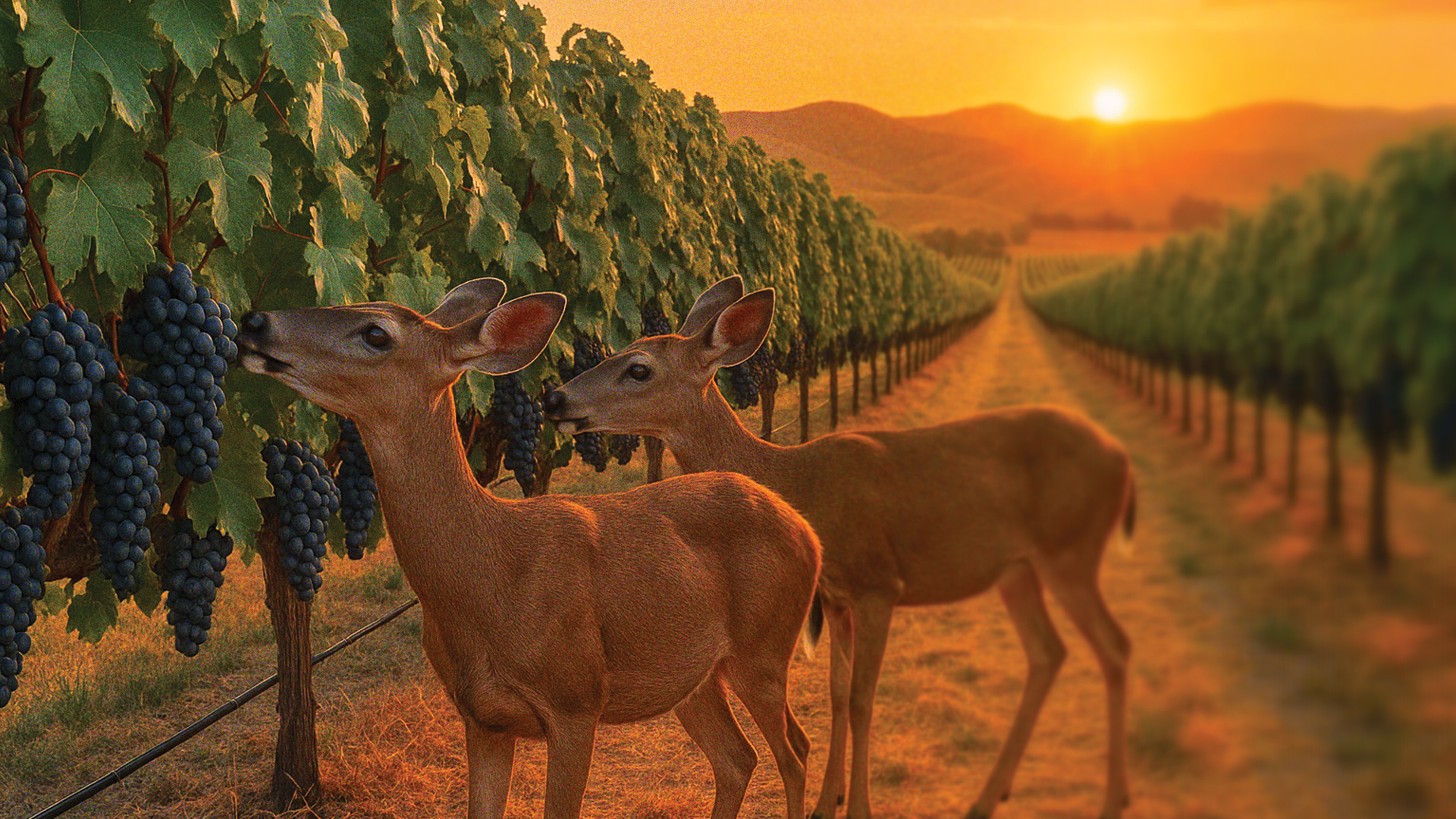
“A lot of managers focus on exclusion fencing for the vineyard blocks, which is critical—but the work doesn’t stop there,” says George Horetsky, senior sales representative for Trident Fence. “If wildlife can access your equipment yard, storage areas, or crush pad, you’ve still got vulnerabilities that can cost time and money.”
The Hidden Risks Wildlife Pose to Winery Operations
1. Cable and Hose Damage—Rodents and small mammals are notorious for chewing through wiring, hoses, and insulation. This can disable harvesters, forklifts, or processing equipment right when they’re needed most.
2. Nesting in Structures—Birds and small animals will take advantage of open sheds, unused equipment, or gaps in storage facilities. Nesting can lead to contamination concerns and costly cleanup.
3. Crush Pad Contamination—Bird droppings or animal waste near processing areas pose both sanitation and regulatory risks. During the busiest weeks of harvest, these hazards can quickly escalate.
4. Stored Product Loss—Wildlife intrusion into storage buildings can damage packaging, supplies, and spare parts.
Why Harvest Season Heightens the Problem
- More open doors and access points during active harvest operations
- Increased food odors from grape processing attract pests from greater distances
- Higher activity at night as animals take advantage of quieter conditions after crews leave
- Seasonal wildlife behavior — deer and other mammals feed heavily in late summer and early fall to prepare for winter
Practical Solutions for Protecting Non-Vineyard Assets
1. Extend Exclusion Zones—Strategically extend fencing around critical equipment yards, storage areas, or processing facilities, not just vineyard rows.
2. Use Targeted Netting—Bird netting over open-sided storage areas or equipment can prevent roosting and nesting.
3. Seal and Secure—Inspect outbuildings, sheds, and storage areas for gaps, holes, or open vents, and install rodent guards or mesh covers.
4. Manage Attractants—Keep processing areas clean and store waste in closed containers to reduce wildlife interest.
5. Seasonal Reinforcements—During harvest, increase inspection frequency for fenced and netted areas.
Thinking Beyond the Grapes
Protecting fruit from wildlife is essential, but so is safeguarding the tools, spaces, and systems that make harvest possible. “Vineyards invest heavily in equipment and facilities,” Horetsky notes. “It’s worth protecting those assets with the same level of care as the crop itself.”
About Trident Fence
Trident Fence is a leading distributor of high-quality agricultural and exclusion fencing solutions, serving customers across North America for 40+ years. We work with vineyard managers to assess site-specific challenges and provide materials designed to protect crops, equipment, and facilities from wildlife pressure without compromising operational efficiency.
For more information:
Trident Fence
Attn: George Horetsky, Senior Sales Representative
866-290-0244
wholesale@tridentfence.com
For vineyard owners, harvest season brings both excitement and anxiety. As grapes ripen and sugar levels climb, they become an irresistible target for birds, deer, raccoons, and other hungry visitors. A single flock of starlings or a few persistent deer can cause significant crop loss — not just in volume, but in quality. For growers working tirelessly all season long, these setbacks can be devastating.
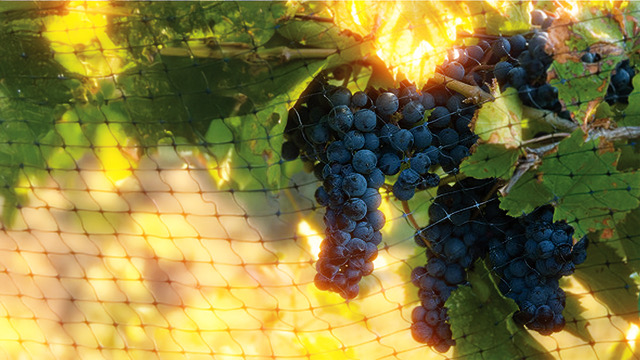
That’s why more and more vineyards are turning to physical deterrents like netting — a simple yet powerful solution that protects the fruit without compromising the vineyard’s aesthetic or farming practices.
At Trident Fence, we’ve worked with growers across the country to provide vineyard netting that’s durable, easy to install, and incredibly effective. Whether you operate a boutique winery or manage acres of vines across varied terrain, netting may be the smartest step you take toward a more secure and profitable harvest.
Why Netting Works for Vineyards
Netting offers a physical barrier between your fruit and the wildlife that would love to enjoy it. Unlike chemical sprays, sound cannons, or visual deterrents — which animals can grow accustomed to or avoid — netting creates a direct obstacle. It stops birds from pecking at ripening grapes and keeps deer and other animals from making their way into the rows.
“Bird pressure can ruin a harvest quickly — especially for varietals that ripen early or unevenly,” said George Horetsky, senior sales representative for Trident Fence, who regularly supports vineyard customers. “Netting gives growers the ability to protect the crop at the most critical point in the season, with minimal labor and long-term use.”
Built for the Vineyard Environment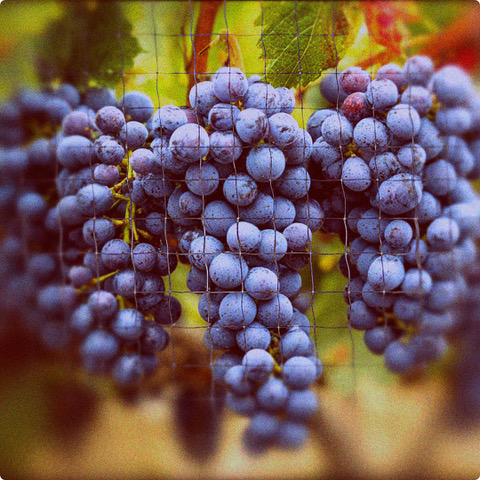
The vineyard netting solutions offered by Trident Fence are specifically selected to withstand outdoor exposure while remaining lightweight and easy to use. Features include:
UV-resistant material that stands up to sun and weather
Lightweight construction that won’t damage vines or fruit
Customizable lengths and widths for different row configurations
Ease of installation over trellises, hoops, or directly over rows
Reusable design that can last multiple seasons with proper storage
While some vineyards choose full-row coverage for maximum protection, others opt for side netting or targeted bird barriers depending on their threat level and terrain. George and the Trident Fence team help growers determine what setup makes the most sense.
A Smart Fit for Organic and Biodynamic Growers
Many vineyards today are certified organic or follow biodynamic practices — making traditional repellents or chemical sprays off-limits. Physical barriers like netting align perfectly with those standards, providing a reliable solution that doesn’t interfere with farming methods or certifications.
“One of the biggest advantages is that netting doesn’t disrupt your organic program,” George explains. “It’s a clean solution that fits into any sustainable operation, and it doesn’t require heavy machinery or harmful substances. That’s a big win for a lot of our vineyard clients.”
Cost-Effective Protection for Long-Term Returns
It’s easy to underestimate the cost of wildlife damage — until you add it up. Even a small reduction in yield can translate into thousands of dollars lost, especially for premium wines or small-lot production.
Netting provides a relatively low up-front investment with long-term payoff. When stored properly, many of Trident Fence’s netting solutions can be reused for several seasons, making it a smart financial decision as well as a practical one.
“You’re protecting the product you’ve invested all year in,” George adds. “From bud break to veraison to harvest, every step is about quality and consistency. Netting helps make sure that effort doesn’t go to waste.”
Support for Every Vineyard Size
Trident Fence understands that no two vineyards are the same. Whether you’re dealing with rolling hills, irregular plots, or shared land with neighboring properties, our team works with you to identify the best solution. We also understand that not every grower has a full team of installers — which is why our products are designed for easy handling and application.
With nationwide shipping and support, Trident Fence makes it simple for winegrowers across the country to access proven protective solutions — and expert guidance to go with them.
The Bottom Line: Don’t Leave Your Harvest to Chance
Birds and wildlife aren’t going away — and they aren’t going to wait until you’re done harvesting. Netting is a simple, effective way to safeguard your crop, protect your investment, and support your sustainability goals.
If you're looking for dependable vineyard netting backed by a team that understands your industry, reach out to Trident Fence at 866-290-0244 today. We’re ready to help you protect your vines — and your bottom line.
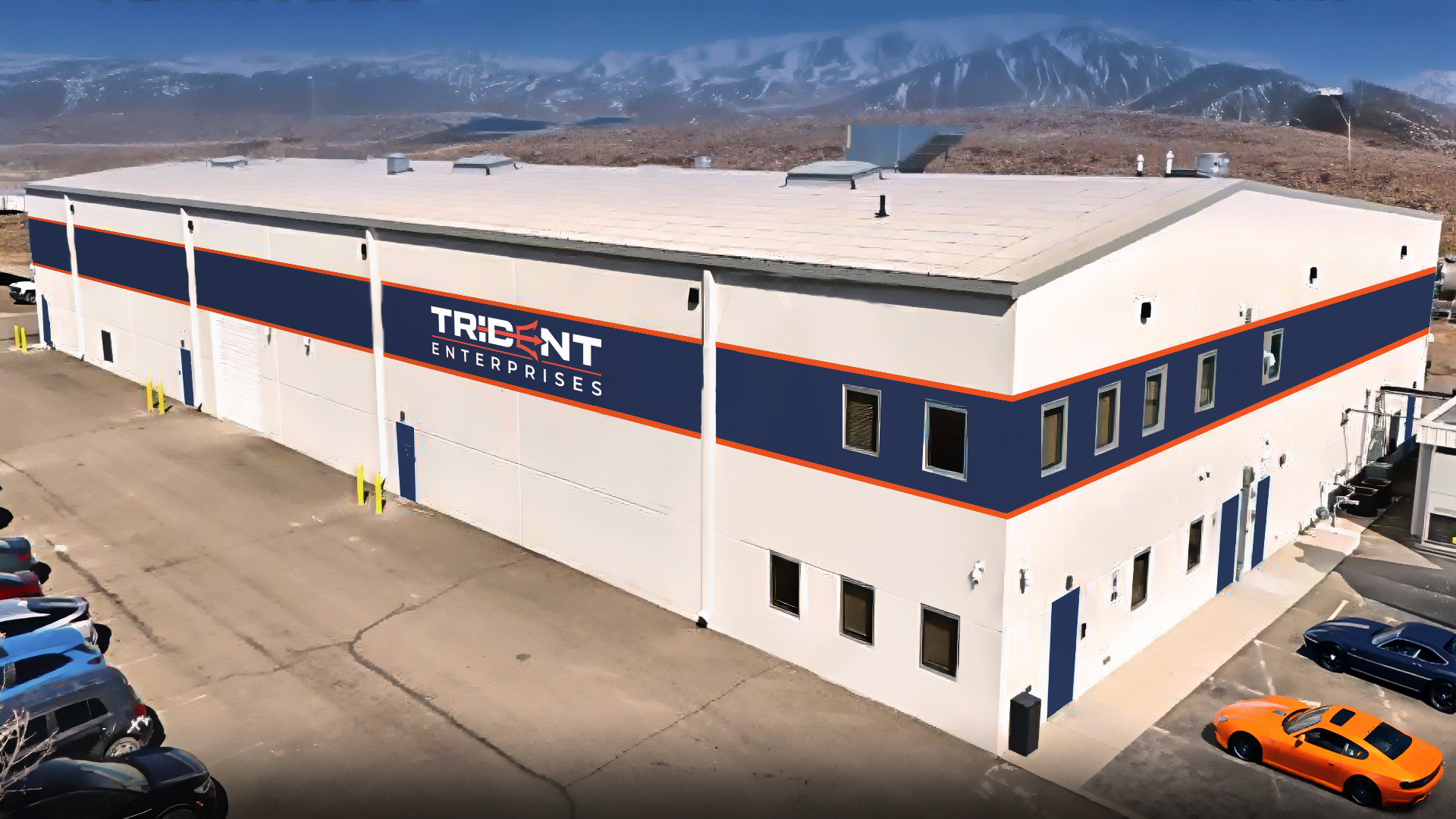 August 11, 2025 - Trident Enterprises is proud to announce the successful acquisition of its 21,000+ square foot industrial building on over 5.25 acres in the Tahoe-Reno Industrial Center. The new facility strengthens Trident’s national footprint and supports its growing customer base in the Western U.S.
“Our customers count on us for speed and reliability,” said Linda Sheehan, CEO of Trident Enterprises. “This new facility helps us deliver on that promise and positions us for long-term success.”
Headquartered in Waynesboro for more than four decades, Trident has deep roots in the community — operating its original warehouses there, providing local jobs, and partnering with area businesses. The company is a proud supporter of local events, causes, and organizations that make Waynesboro a great place to live and work, carrying the same values of trust and commitment to customers across the country through its retail brands DeerBusters, Easy Pet Fence, and Trident Fence, as well as Trident Logistics.
When it comes to vineyard fencing, Trident delivers. Learn how Trident supports industries from coast to coast at TridentFence.com
No minimums. Fast shipping. 24/7 expert support. That’s the Trident Fence difference. Your go-to partner for quality fencing at wholesale prices.
Visit us today at www.TridentFence.com or email us at wholesale@tridentcorp.com.

Cost-Effective Fencing for Small and Medium Vineyards
For small and medium vineyards, balancing crop protection with budget constraints can be a challenging task. Wildlife damage, particularly from deer, can significantly impact yields and threaten a vineyard’s bottom line. While large-scale vineyards often have the resources to invest in high-tech solutions, smaller wineries need affordable yet reliable options to safeguard their vines.
The Challenges of Wildlife Management for Small and Medium Vineyards
Smaller vineyards often face unique challenges when it comes to wildlife management. Limited budgets can make it difficult to invest in extensive control systems, while the smaller scale of operations means even minimal wildlife damage can result in significant revenue loss. Additionally, managing labor and maintenance costs further stretches already limited resources, leaving vineyards vulnerable to the impact of deer and other wildlife.
“We’ve seen time and time again that even small amounts of deer damage can be devastating for a vineyard,” says George Horetsky, senior sales representative at Trident Fence. “Vines take years to mature, and one bad season of browsing can set growers back significantly. That’s why finding an affordable, effective fencing solution is so important.”
Despite these hurdles, small and medium vineyards don’t have to compromise on crop protection. Affordable fencing options provide an effective and long-lasting solution to wildlife threats.
Affordability Without Sacrificing Quality
Cost-effective fencing doesn’t mean cutting corners. Modern materials and designs offer durable, budget-friendly solutions that stand up to wildlife pressure. Key features to consider include:
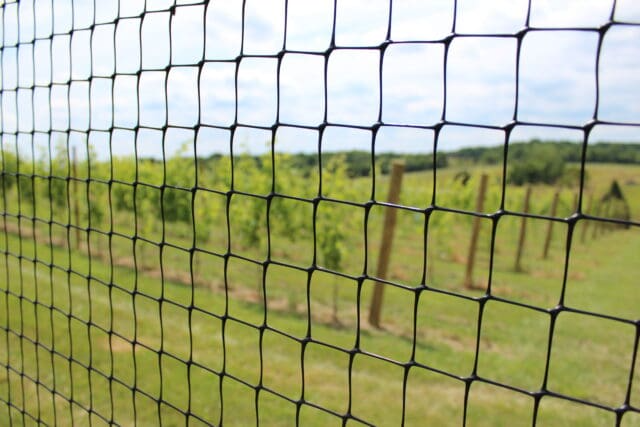
- Polypropylene mesh fencing is a lightweight yet sturdy option and an economical choice for vineyards needing reliable protection against deer. It’s UV-resistant, easy to install, and provides a cost-effective barrier.
- Metal mesh fencing offers long-term protection with minimal maintenance for vineyards requiring greater durability. Galvanized options resist rust and are ideal for areas with high wildlife activity.
- Customization options ensure vineyards only pay for what they need, optimizing costs while maintaining high levels of effectiveness.
“Every vineyard has unique needs based on terrain, wildlife pressure, and budget,” Horetsky explains. “That’s why we work closely with growers to customize fencing solutions that fit their situation. The right fence can provide peace of mind without breaking the bank.”
Maximizing Value: Tips for Small and Medium Vineyards
To get the most out of a fencing investment, vineyards can take several cost-saving steps. Protecting the most vulnerable sections first, such as areas near forests or water sources, allows for gradual expansion as budget allows. Many fencing solutions are designed for easy installation, reducing labor costs. Trident Fence provides detailed guides and support to make the process more manageable for smaller operations.
Durability should also be a key factor when selecting materials, as fences requiring minimal upkeep reduce long-term maintenance expenses. Pairing fencing with additional deterrents, such as repellents or noise devices, can enhance protection without significantly increasing costs.
“We always recommend starting with a strong perimeter fence and then reinforcing it with secondary deterrents if needed,” Horetsky adds. “That approach keeps costs manageable while still delivering reliable protection.”
Why Cost-Effective Fencing Is a Smart Investment
Protecting a vineyard isn’t just about avoiding immediate crop loss—it’s about ensuring long-term sustainability and profitability. A single season of deer damage can lead to years of recovery for young vines. By investing in affordable, high-quality fencing, vineyards can preserve yields and revenue, protect vine health for future harvests, and enhance the quality of grapes by reducing wildlife-related stress on plants.
“At the end of the day, fencing is an investment in the future of the vineyard,” Horetsky says. “It’s about keeping crops safe and ensuring the hard work that goes into winemaking isn’t undone by wildlife damage. The right solution balances protection, budget, and ease of maintenance.”
Small and medium vineyards play a vital role in the wine industry, and protecting their crops shouldn’t come at an unsustainable cost. With the right fencing, growers can safeguard their investment without compromising quality or profitability.
Not sure where to start? Our team at Trident Fence can help you choose the best cost-effective fencing for your vineyard. Get in touch today at 866-290-0644 or visit TridentFence.com.
___________________________________________________________

Trident Fence
Located in Waynesboro, Pennsylvania, Trident Fence is a leading distributor of fence supplies that services a variety of clients across North America that are looking to keep wildlife at bay from their landscapes.
After serving in the U.S. Navy until the late 1970s, the founder of Trident Enterprises became an electric fence installer in Frederick, Maryland. For years, the founder would receive inquiries about deer fencing; which gave him a solid idea: “Why not install these types of fence systems without help from installers?” Today, Trident Fence does not install fence; but distributes simple plastic and metal fence materials to anyone who needs landscape protection for wildlife control. Deer fence from Trident Enterprises is more affordable than traditional fence for landscapes and are easy to install with helping hands.
Trident Fence is proud to work with national parks, forestry professionals, public and private gardens, federal agencies, deer farms, wildlife conservation groups, cannabis (marijuana and hemp) farms, schools, animal rescues and much more. Retail brands under Trident Enterprises include: Deerbusters; DeerbustersCanada; EasyPetFence; Deerfence; and ElectricFenceCo.

WAYNESBORO, PA – February 7, 2025 –Trident Enterprises has been honored as the #1 Top Revenue Growth Account in the Northeast Region by Estes Express Lines, a family-owned and operated company generating $5.1 billion in annual revenue. This recognition highlights Trident’s outstanding annual revenue growth of over 100% in 2024, a testament to the strength of its partnership with Estes.
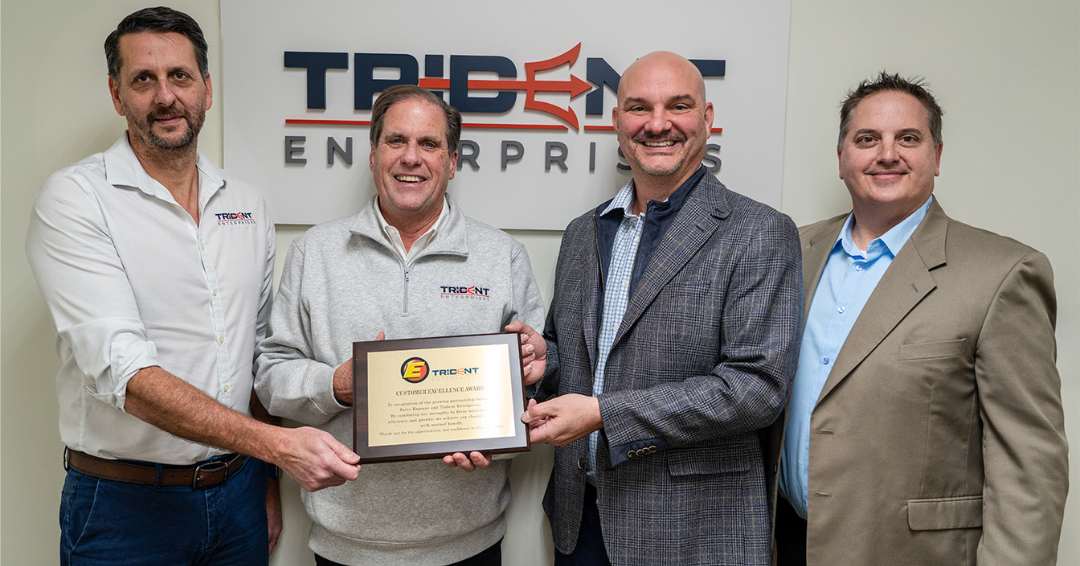
To celebrate this achievement, Estes hosted a catered luncheon and award ceremony on Thursday, January 23. During this event, Trident was presented with a commemorative plaque acknowledging its exceptional contributions to the Northeast Region.
“We are incredibly proud of this recognition, which underscores the commitment and collaboration between Trident and Estes Express Lines,” said Eric Haberkorn, president of Trident Logistics. “Our partnership reflects a shared dedication to innovation, operational excellence, and delivering unmatched service to our clients.
“This milestone is not just a celebration of growth but also of trust and teamwork,” he added. “Estes Express Lines has been an outstanding partner, and together, we’ve created opportunities to deliver exceptional value to our customers. We look forward to continuing this success in the years ahead.”
Estes Express Lines, based in Richmond, VA, has been a leader in transportation solutions for decades, and this milestone reflects the dynamic synergy between the two organizations. Trident Enterprises remains committed to driving growth and strengthening this partnership in the years ahead.
About Trident Enterprises
Located in Waynesboro, Pennsylvania, Trident Enterprises International, Inc. is a leading distributor of fence supplies that services a variety of clients across North America that are looking to deter wildlife, protect everything that grows and keep the family pets safe and secure at home. You can learn more about Trident enterprises by visiting tridentcorp.com.
As much as we love our local wildlife, they can cause serious damage to your vineyard.
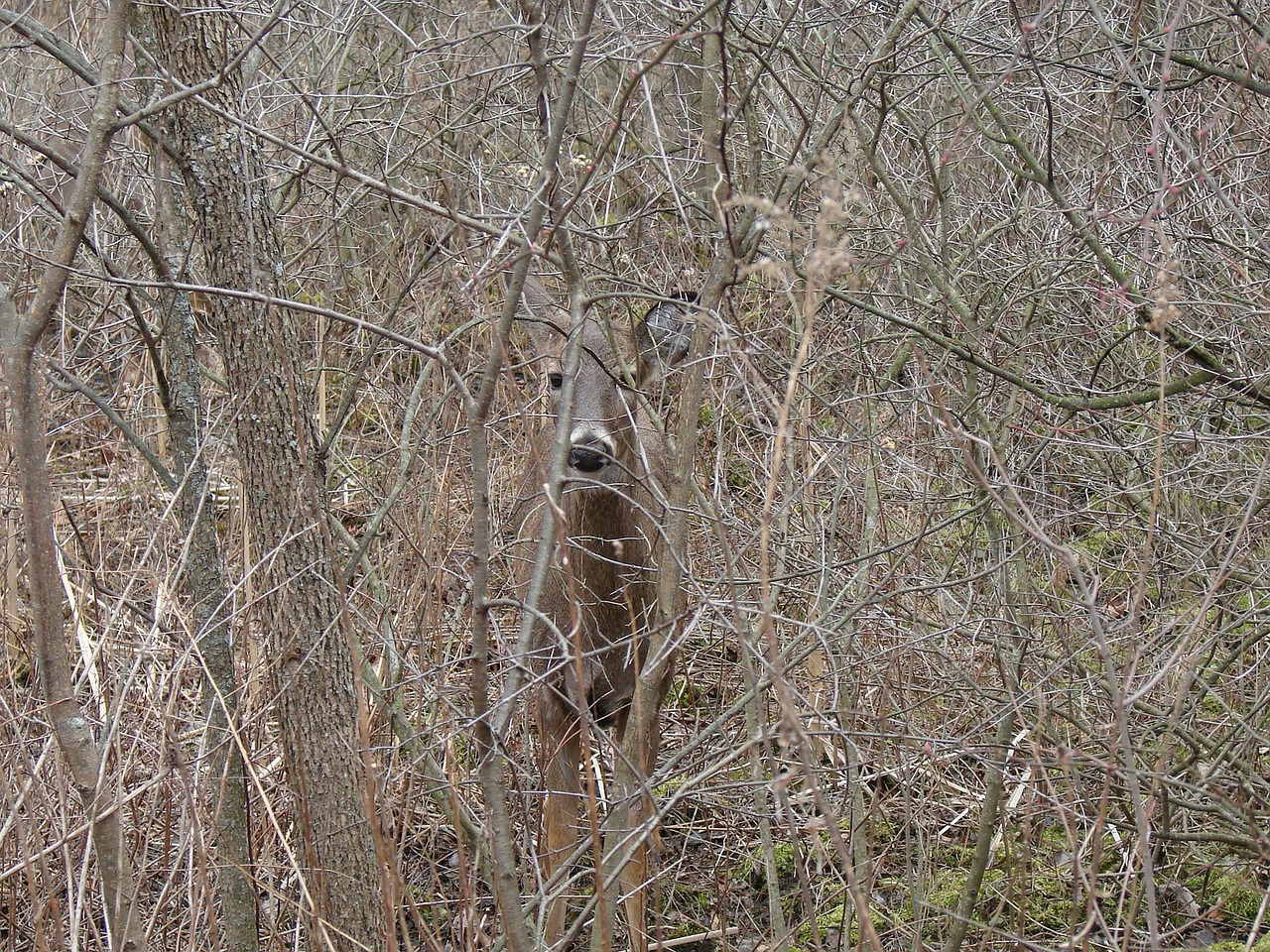 Trident Fence offers high-quality wildlife control fencing that helps protect your crops without compromising the beauty of your landscape. Whether you're growing grapes or other sensitive plants, our deer fencing and wildlife barriers are designed to blend in seamlessly with your surroundings and offer long-lasting protection.
Our fencing solutions are built to withstand harsh weather conditions, ensuring your vineyard remains secure year-round. With Trident Fence, you don’t have to worry about costly damage from hungry animals during peak growing seasons.
Learn more about our vineyard-specific fencing solutions and start safeguarding your investment today!
TRIDENT Extra Strength Extruded Deer Fence is manufactured with a reinforced bottom, making it a top tier solution to deer pressure for your vineyard. The reinforced bottom increases the likelihood of deterring deer and other small critters from gaining access underneath the fence line. Combining this fencing with a monofilament tension line makes a stable, strong barrier against garden pests.
The Trident Reinforced Extra Strength Fence features:
Reinforced bottom strands
750 lb. break strength
15 - 20 yr. life span
Nearly invisible after 20’
Extra Strength Extruded is simple enough for anyone to install without the help of a professional. This fence is 110 grams per square meter, making it an incredibly lightweight alternative to more costly and complicated fence systems. Installation with our no-dig ground sleeve post system and UV treated heavy duty ties is simple enough for anyone. Once installed, this deer fence will require little to no maintenance.
The UV-resistant polypropylene material is durable and will remain tough even after years of harsh weather. Wind may easily pass through the fence around the strands, preventing long-term damage from weather exposure. The tensile strands of the extruded fencing give the appearance of virtual invisibility from as close as 20 feet.
Contact us today to learn more about our fence, receive a sample packet of fence or inquire about price costs on fence supplies.
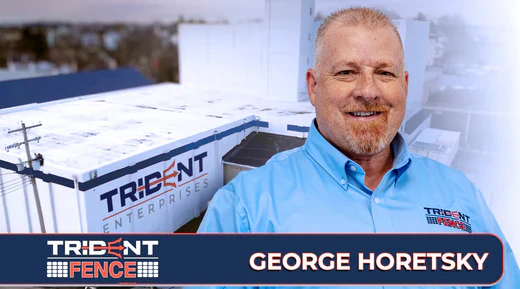 At the top of this year, Trident Fence was pleased to welcome George Horetsky to its team as the new senior sales representative. His extensive background in logistics and sales, coupled with his strategic approach to client relationships, are the reasons he was brought onto the team as a valued asset to the Trident Enterprises portfolio.
“It has been really great to have George on board,” said Mark Dayhoff, COO at Trident Enterprises, the parent company of Trident Fence, DeerBusters and Easy Pet Fence brands. “His experience and dedication have already made a positive impact for our clients and the organization, and we look forward to his continued contributions.”
George brings nearly 14 years of experience from XPO Logistics, where he held positions as both a National Account Executive and Service Center Manager before joining Trident. A graduate of Slippery Rock University of Pennsylvania, George also served as a Navy petty officer, demonstrating his dedication and leadership both in his military service and professional career.
Since joining Trident Fence, George has been focused on strengthening client relationships and expanding the customer base. He has also been instrumental in streamlining sales processes, improving outreach strategies, and driving overall growth and success for the company. “I am excited to be a part of the Trident Enterprises team,” he said.
“My focus has been learning about and getting to know our clients and expanding our reach. I am proud of the strides we've made in improving our sales processes and driving growth, and I look forward to contributing to the continued success of Trident Fence and our sister brands.”
Trident Enterprises is excited about the value George brings to both our organization and our clients. Want to talk to George about our wholesale program or learn more about our offering of fences, reach out to him at wholesale@tridentcorp.com or at 866-290-0244.