
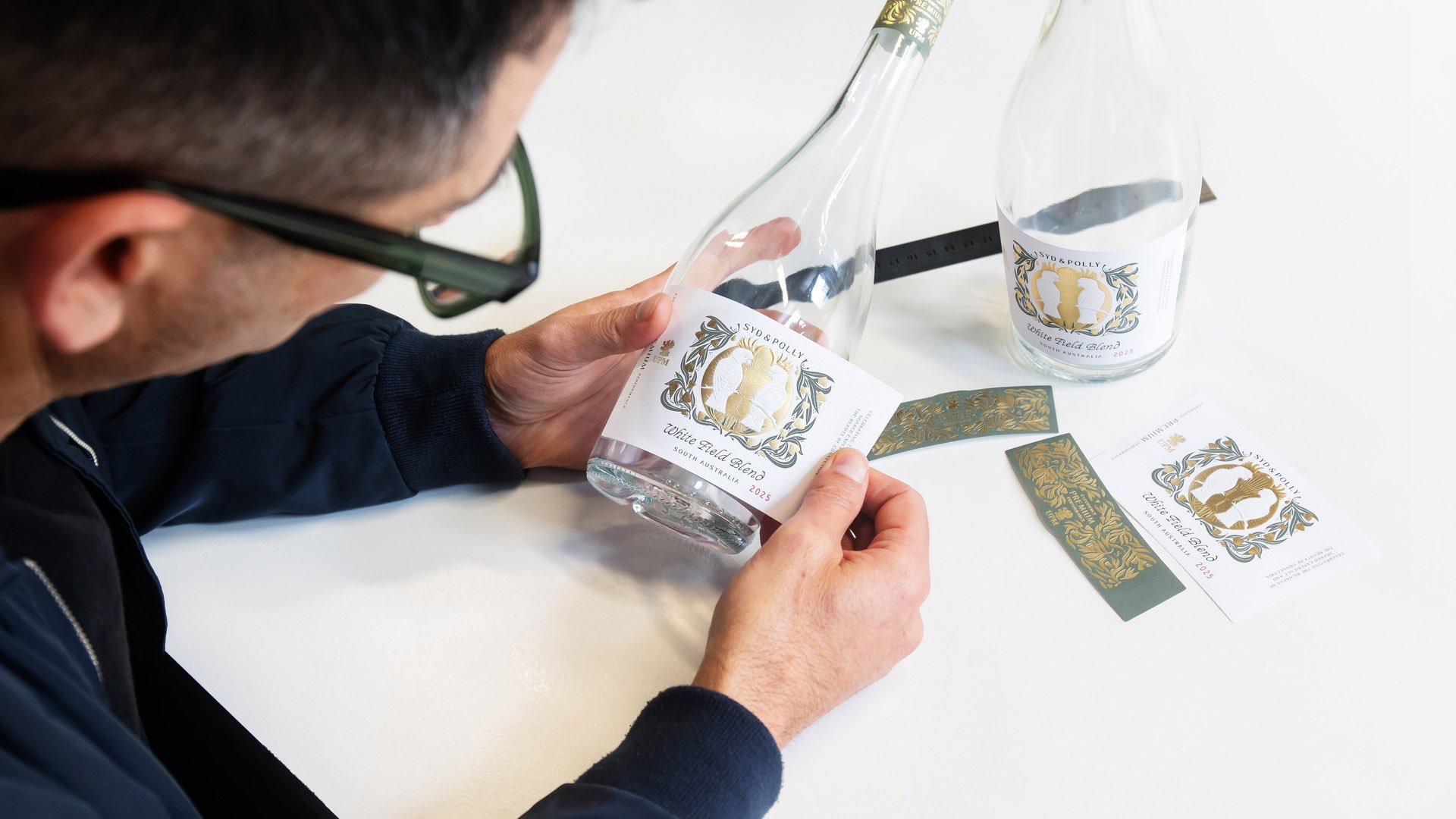
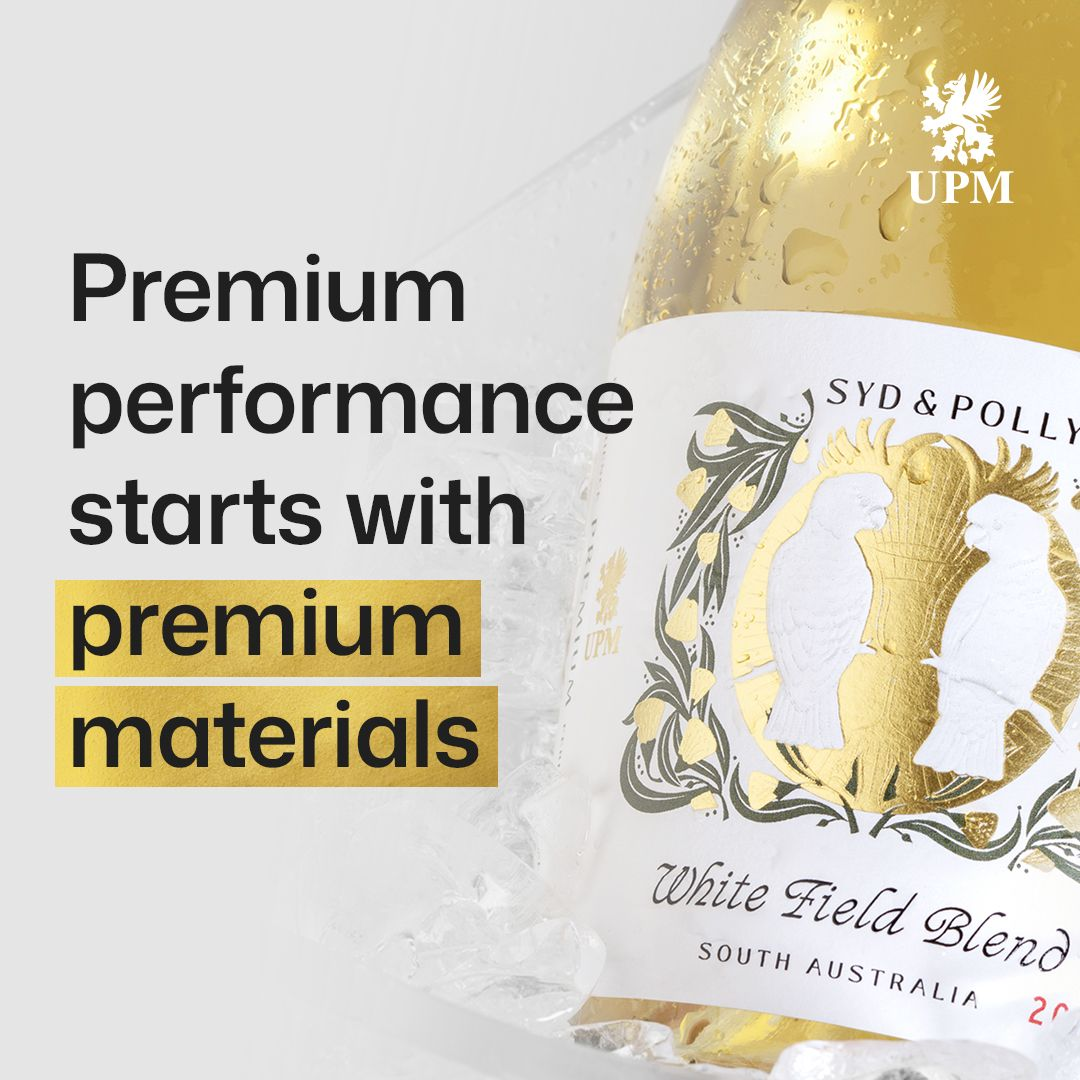
Whether it's chilled rosé, sparkling wine or a ready-to-drink cocktail, your label material needs to stand out on the shelf and stay flawless in the fridge or on ice.
Explore the Premium Performance portfolio for wine and spirits. Download your product guide here.
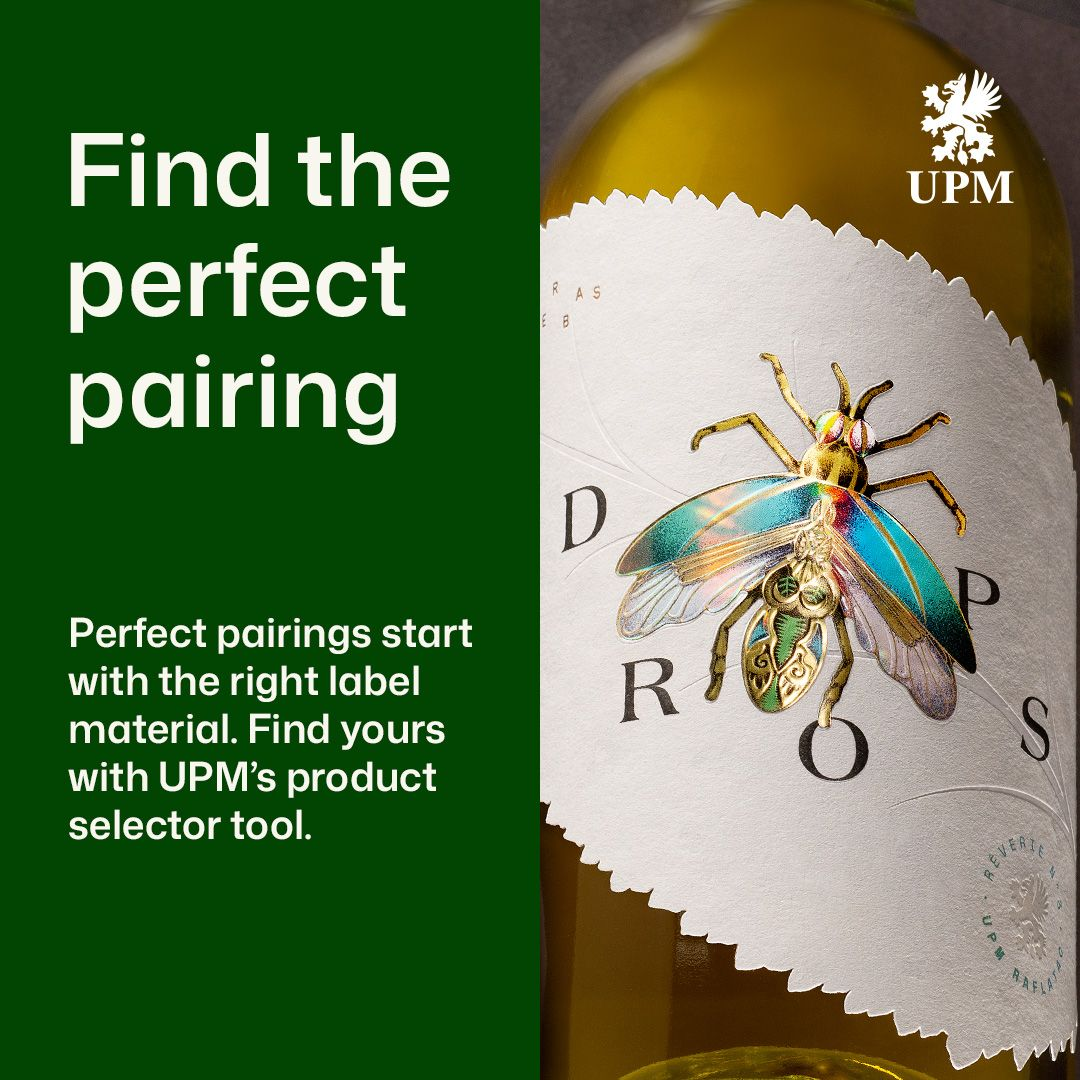
Looking for sustainable solutions for wine and spirits labeling?
Try our product selector tool. With advanced filters and technical specs at your fingertips, you’ll find sustainable products that deliver adhesive material performance and brand impact.
Rutini Wines is an emblematic winery in Argentina and a benchmark in the international wine market. Based in Argentina, Rutini has a rich history in the region dating back to the early 20th century, when they planted vineyards in the Uco Valley, south of Mendoza. Today, the Uco Valley is recognized worldwide as an outstanding wine region, with numerous wineries growing their vines in this wonderful terroir.
As long-time inhabitants of the area, Rutini understands the importance of maintaining excellent quality standards while being good stewards of the environment. They strive for excellence in their wines by preserving the natural environment and caring for the people who contribute to their production.
As they move towards more sustainable management, they are particularly focused on reducing their carbon footprint and water consumption by prioritizing waste management, responsible sourcing and social responsibility development projects.
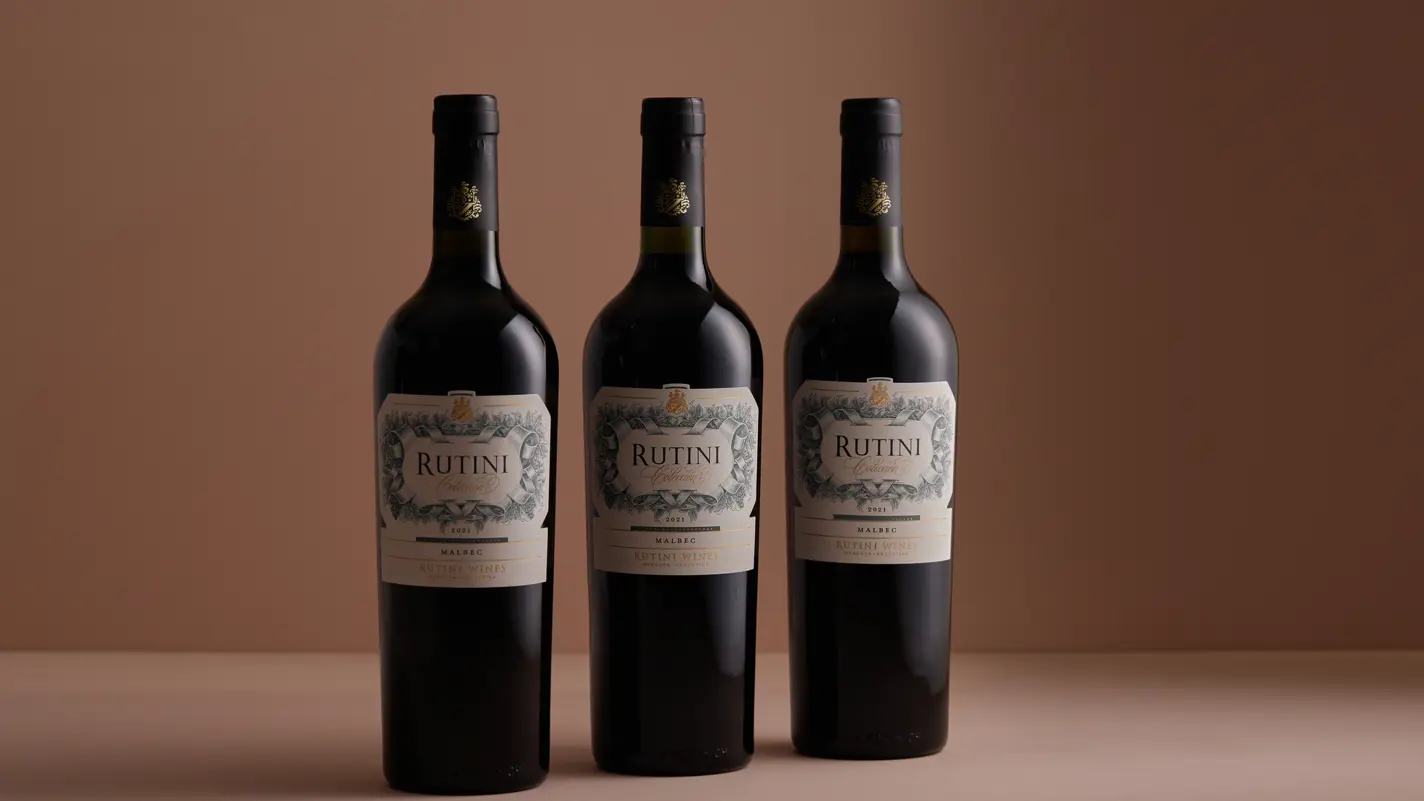
The winery, in the midst of ambitious expansion plans, took the opportunity to redesign and standardize its visual brand identity. The goal was to remain true to the winery's history and vision while giving it a refreshed look and feel.
Mediato redesigns an icon
Since its inception in 2006, the Colección line has positioned Rutini as a pioneer in the "high-end wines" segment, both in the local and international markets. The label, with its distinctive floral ornamentation, has become a crucial visual symbol for both the line and the winery. The update of this visual identity was approached with great attention to detail, ensuring that the redesign was not perceived as a radical change, but rather as a natural evolution. The goal was to maintain the brand’s essence, ensuring that it continues to represent what Rutini means to its consumers.
Panco Sassano, designer at Mediato Studio, developed a strategic project focused on identifying the most representative symbolic attributes of the brand. Based on this analysis, these elements were reworked and refined to give them a contemporary feel. Thus Rutini’s visual identity without compromising the status or reputation that the brand has built over its history. In this way, Rutini Wines evolves without losing its connection to tradition, ensuring the brand remains relevant to new generations while honoring the value cherished by its long-time consumers.
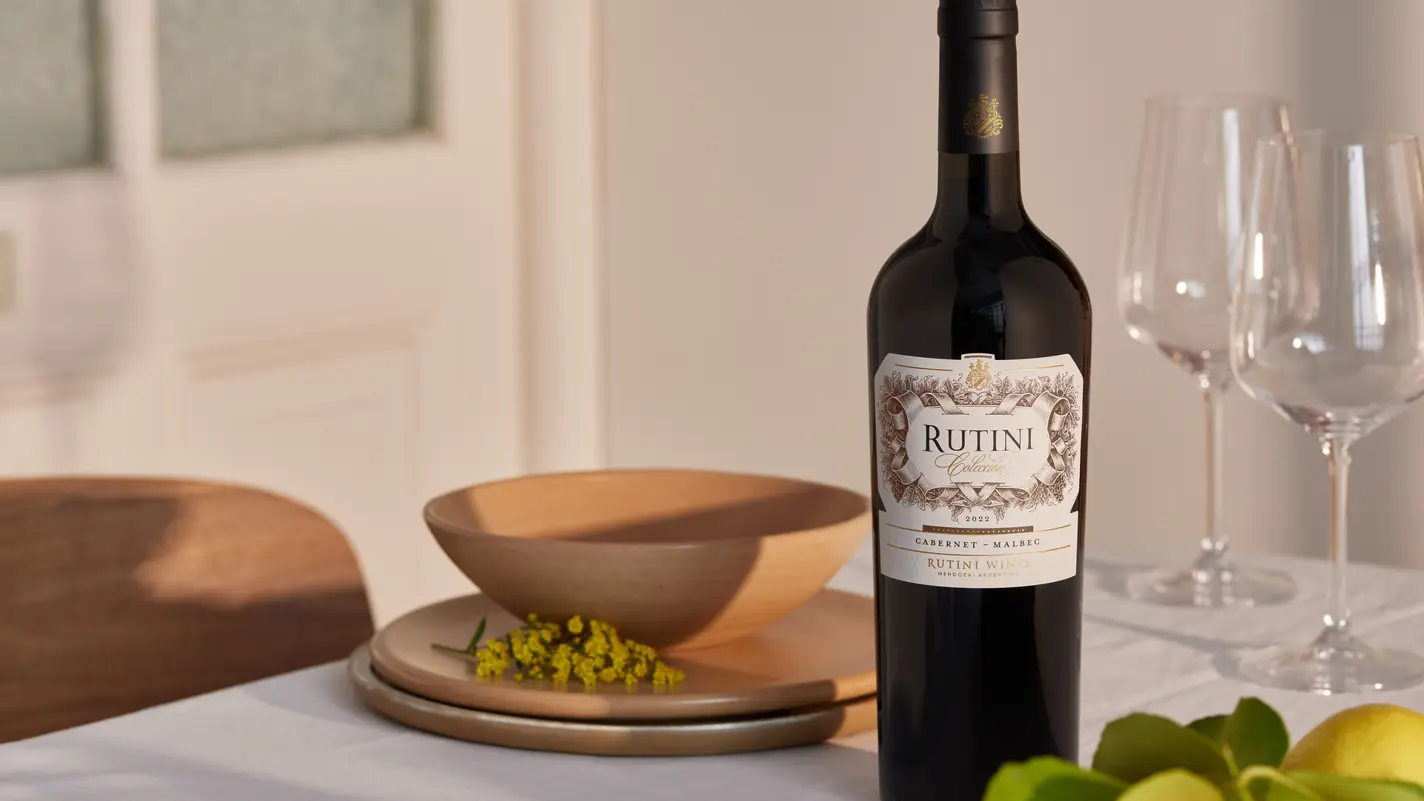
UPM Raflatac Material - Fleur de Coton White Ice Premium-FSC
To realize Mediato and Rutini's vision, the labeling material chosen had to be able to communicate the renewed identity, maintain Rutini's reputation for excellent performance and support its sustainability efforts. Using these criteria as a north star for the material selection, Fleur de Coton White Ice Premium-FSC was identified as the perfect fit.
Fleur de Coton White Ice Premium-FSC is a glossy white, textured paper made of material from well-managed FSC™ (FSC C012530) certified forests and other controlled sources. It is designed for applications where the label may be exposed to ice buckets and refrigeration. In addition, features such as alkali resistance and anti-mildew treatments ensured that the material would meet performance and sustainability expectations. Fleur de Coton White Ice Premium-FSC also guarantees quality with UV-flexo and offset printers, including hot stamping foil application techniques, which elevate the brand while maintaining the characteristic elements that make Rutini well-recognized.
Conclusion
Thanks to this collaboration, Rutini Wines has successfully evolved its brand identity while staying true to its tradition. With a refreshed visual design and trusted labeling materials, Rutini can trust that their wine bottles will resonate with new consumers while still honoring the loyal following that built their reputation. As a result, the renewed identity empowers them to confidently pursue their expansion goals.
 UPM Raflatac business area and reporting segment will be renamed UPM Adhesive Materials as of June 12, 2025. The new reporting segment name will be in use from the Interim Report Q2 2025 onwards.
The name change supports the business area's strategic direction to accelerate its growth beyond label materials into graphics solutions and specialty tapes. UPM Raflatac will remain a leading, global product brand in the Label materials offering area.
UPM Adhesive Materials leverages its adhesive expertise, material performance, and industry-leading services to deliver value to customers. The business area holds a leading market position in label materials and has expanded significantly in graphics solutions through the acquisitions of AMC AG, Grafityp, and Metamark.
“The new business area name reflects our expanded portfolio and growth aspirations and highlights the value we deliver to our customers through the adhesive material performance,” says Tim Kirchen, Executive Vice President, UPM Adhesive Materials.
For further information please contact:
Tim Kirchen, Executive Vice President, UPM Adhesive Materials, tel. +12153137639
UPM, Media relations
Mon-Fri 9:00–16:00 EEST
tel. +358 40 588 3284
media@upm.com
UPM Adhesive Materials provides high-performance, innovative self-adhesive products, including label materials, graphics solutions, and specialty tapes, as well as reliable services close to customers. We are one of UPM’s fastest-growing global businesses employing around 3,200 professionals. In 2024, our sales reached nearly €1.6 billion ($1.7 billion).
UPM
UPM is a material solutions company, renewing products and entire value chains with an extensive portfolio of renewable fibres, advanced materials, decarbonization solutions, and communication papers. Our performance in sustainability has been recognized by third parties, including EcoVadis and the Dow Jones Sustainability Indices. We operate globally and employ approximately 15,800 people worldwide, with annual sales of approximately €10.3 billion. Our shares are listed on Nasdaq Helsinki Ltd.
UPM – we renew the everyday
Read more: upm.com
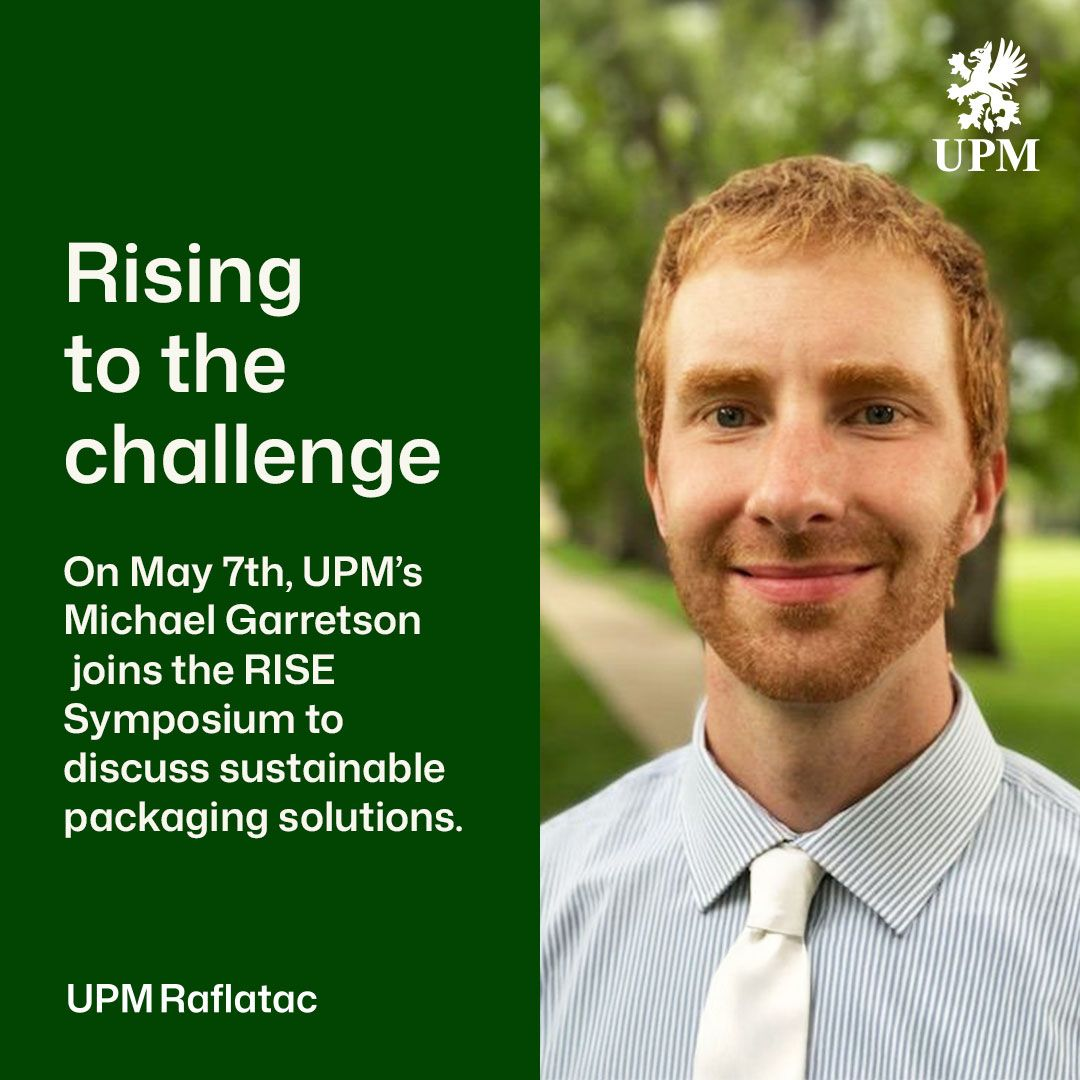
On May 7, 2025, Michael Garretson, Manager of Recycling & Circular Solutions at UPM Raflatac, will speak at this year's RISE Climate & Wine Symposium.
Participating in Workshop 2: Engaging the Supply Chain, Michael will share how responsible labeling and innovative recycling can drive measurable progress in waste prevention and emissions reduction.
We’re excited to collaborate with industry leaders to create scalable solutions for a circular economy. Together, we can shape a more sustainable future!
The wine industry is evolving toward a circular economy. Pioneers in this movement include viticulturists who began the transition to regenerative agriculture and wineries leading the move to renewable energy like solar fields or more sustainable materials, such as lightweight bottles and post-consumer recycled labels. Efforts are spreading from these innovators to the broader industry as the impacts of climate change increase the urgency and neighbors see the effectiveness of these solutions.
“While every industry is subject to trends, it is especially true for wine,” says Michael Garretson, who manages the RafCycle program at UPM Raflatac. “That could be because these companies are close neighbors. Driving along Highway 29 through Napa Valley, you see one winery after another. The same is true in Sonoma or Santa Barbara. They know each other; they’re members of the same organizations, attend the same conferences and events, and talk to each other. Even for a global business, there’s pride in the locale, which feeds into respect for the land and a willingness to participate in sustainability programs.”
Closing a Recycling Gap
A commitment to building a circular economy goes beyond wineries to the industry suppliers who provide the materials needed to grow grapes and make and bottle wine. Many of these companies contribute by increasing the use of cullet (crushed glass) and other recycled and recyclable materials, using non-toxic inks for labels and fostering recycling systems.
One of those efforts is RafCycle™by UPM Raflatac, a recycling solution that closes a gap in packaging circularity by recycling label-release liners that had previously gone to landfills. Release liner is the silicone-coated label backing that is peeled away from paper or film labels during the dispensing process. RafCycle’s mission is to collect and recycle this label backing after the labels or stickers are adhered to the bottles.
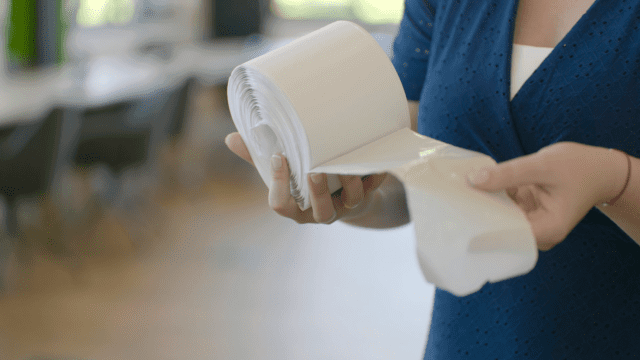
UPM Raflatac began implementing the program over a decade ago in Europe and has given increased focus to include North America in the last year and a half. Today, it has over 400 partners globally and is still growing.
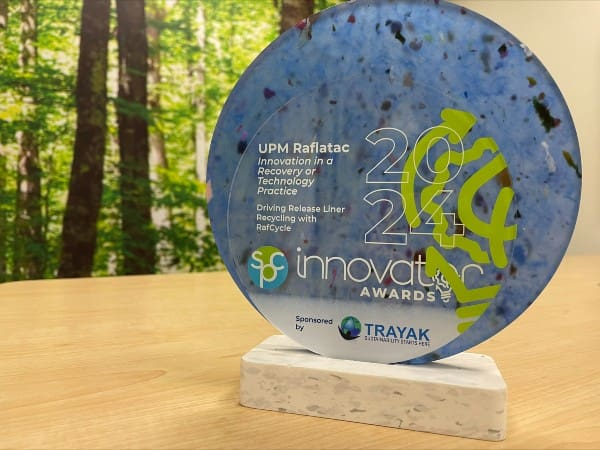
The pioneering program received two awards this year: the Worldstar 2024 Award for “Packaging Materials and Components,” recognizing its cost efficiency, transparency and hands-on support as it helps companies meet their sustainability goals, and the 2024 Innovator Award for “Innovation in a Recovery Technology or Practice” at the Sustainable Packaging Coalition (SPC) Impact event.
The RafCycle Process
“The way it works is quite simple,” explains Garretson. “I have a conversation with an interested winery and let them know what RafCycle is, how it works and that there is no charge for the service. When they’re ready to have their liner waste picked up, we put together a milk run where the truck goes to a series of wineries until it’s full and then drops the collected liners at a recycler.”
In addition to picking up liner waste directly from the wineries, RafCycle also relies on the converters who supply wineries with UPM Raflatac labels. Through our RafCycle Partner Program, not only do converters let the wineries know about the program and connect them with Garretson, but they often become points of centralization for small volumes of liner scattered across a region. RafCycle works with converters to centralize the liners from many smaller customers at one location.
“This value chain collaboration is opening access to wineries that would otherwise be too small to participate,” says Garretson, “allowing RafCycle to serve many wineries with a single stop and increasing the volume of material that we’re able to collect.”
All liner waste collected by RafCycle goes to a network of recycling facilities internationally and domestically. The PET (Polyethylene terephthalate) liner used by most wineries is turned into rougher fiber applications like pallet strapping and industrial carpet or upholstery by manufacturers. Manufacturers buy it from the recycler after it is melted down and turned into pellets.
A company that recycles 100 tons of PET release liner avoids 31 tons of fossil CO2 emissions compared with incineration or 113 tons when disposed in a landfill. With over half of California’s 76 million tons of waste ending up in landfills and a recycling rate of 41%, according to CalRecycle’s latest report, there is still plenty of room to improve.
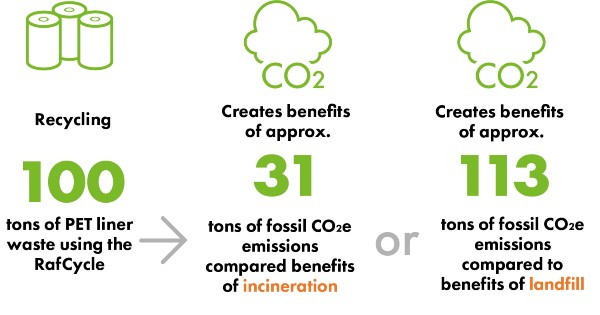
Becoming a RafCycle partner enables wineries to collaborate across the value chain to create a more sustainable labeling industry
Post-Consumer Recycled Liners
UPM Raflatac’s commitment to the circular economy extends to packaging materials using post-consumer recycled (PCR). Wineries can choose labels with either 50% or 90% PCR PET liners, with most choosing 90% option to aid in meeting their sustainability goals, according to Jarod Hernandez, UPM Raflatac’s Product Manager for Wine, Spirits and Craft Beverages.
“Our original goal was to have all our papers FSC certified by 2025, and we’ve already met that mark,” he adds. “To further our sustainability mission, we have also transitioned a range of products inside our Wine, Spirits, and Craft Beverages portfolio away from consuming virgin PET liner to now being produced on PCR liner made from recycled bottles. Offering our standard portfolio in a sustainable light fills a gap that takes our winery customers closer to fully encompassing sustainability from the vineyard to the shelf.”
Here is an example of a calculation made with Label Life by UPM Raflatac. The life cycle assessment tool demonstrates the environmental impact of switching from a standard label product to one made with PCR content. Label Life is third party validated by DEKRA, lending additional credibility to the validity of its results.
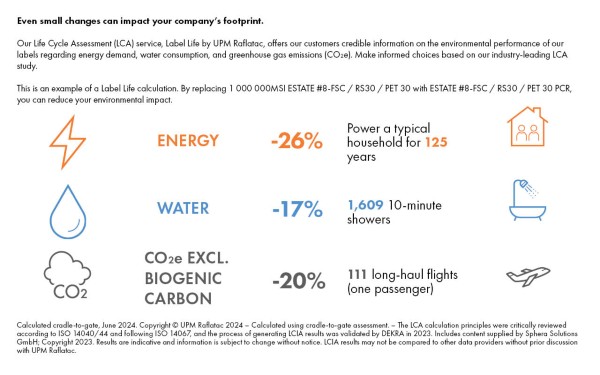
For more information about RafCycle contact americas.rafcycle@upmraflatac.com. For more information about UPM Raflatac’s line of labels with PCR-backing, contact americas.support@upmraflatac.com.
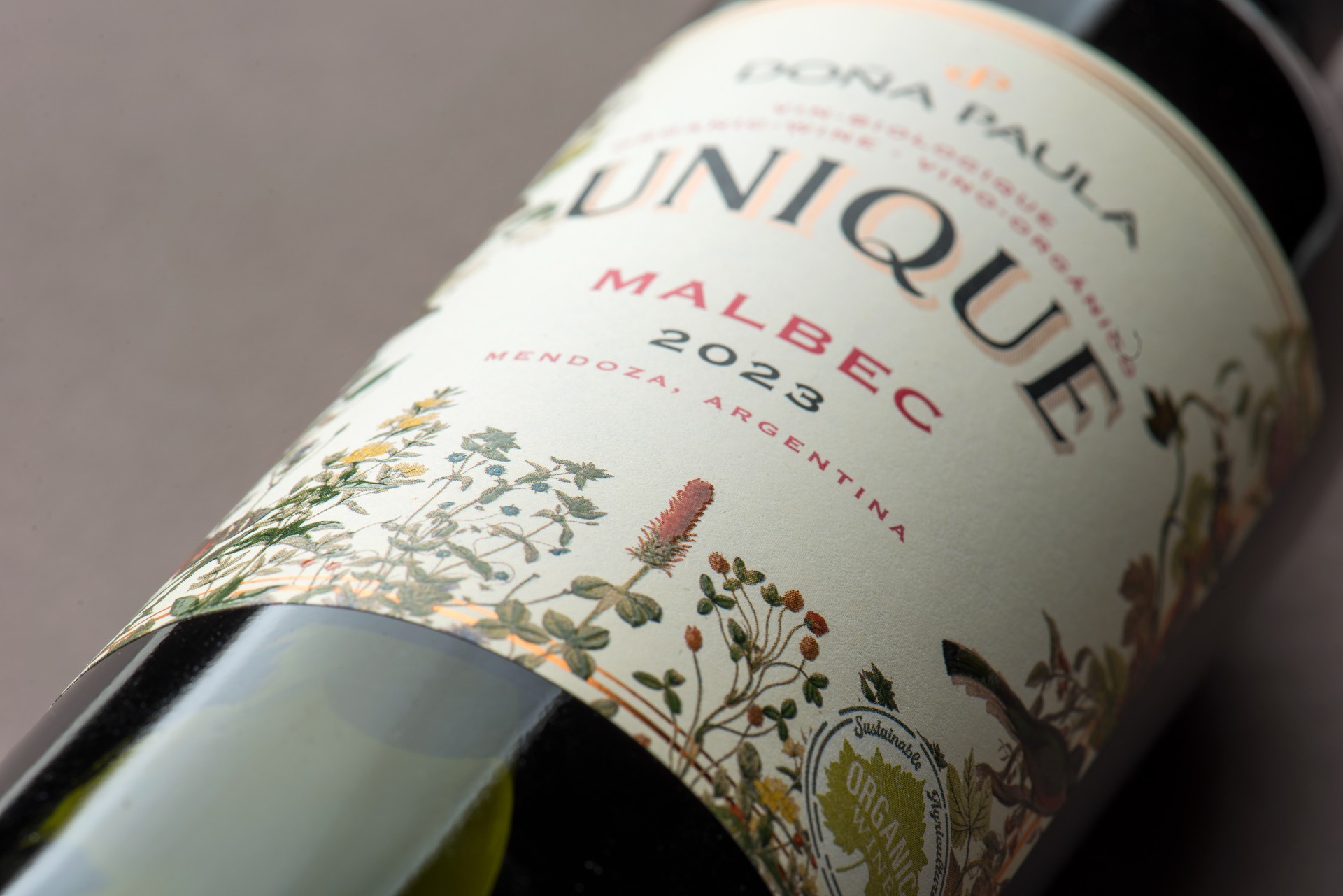
Doña Paula wanted to redefine sustainability in winemaking with its "Unique" line of organic wines. Against a backdrop of staggering statistics highlighting the exponential growth of the organic wine sector, Doña Paula’s commitment to environmental responsibility stood out as a guiding light.
TAKEAWAYS
- Amidst a global surge in demand for organic wines, Doña Paula wanted to redefine sustainability in winemaking with its "Unique" line of organic wines. Against a backdrop of staggering statistics highlighting the exponential growth of the organic wine sector, Doña Paula’s commitment to environmental responsibility stood out as a guiding light.
- Doña Paula turned to UPM Raflatac. Their commitment to crafting label materials beyond fossils, and in this case, sourced entirely from recycled components aligned seamlessly with the winery's ethos. ENVI® is made from 100% Post Consumer Waste (PCW) materials and has an ultra-white appearance. The material has outstanding print fidelity and excellent embossing.
- With their printing expertise, MCC Argentina chose a flexographic method, to produce vivid, life like images that brought Doña Paula's vision to life.
Doña Paula’s Vision and the Wine Market in Argentina
When Doña Paula embarked on their journey to introduce the "Unique" line of organic wines, their commitment to sustainability extended beyond the vineyards. The challenge was clear: to create a packaging solution that mirrored the essence of their sustainable-focus brand. Central to this narrative were the partnerships formed with two key collaborators: UPM Raflatac and MCC Argentina.
"The significant increase in consumption of organic wines in recent years, both globally and in Argentina, underscores consumers' escalating interest in sustainability," notes Martín Kaiser, Director Enológico de Bodega Doña Paula. "With Unique, we are striving to not just meet but exceed these demands, leveraging new technologies to enhance efficiency, biodiversity, and carbon footprint reduction in our processes."
In Argentina alone, the internal consumption of organic wines soared to 167,125 liters in 2020, marking an astounding 5000% growth compared to 2018. This meteoric rise continued unabated, estimated to sustain an annual growth rate of around 20% in the following two years. Millennials and centennials emerged as key drivers behind this surge, fueling a shift toward sustainable consumption.
The country witnessed a notable rise in the number of organic wine producers, with the count escalating from 79 registered wineries in 2020 to 142 establishments in 2022. This surge not only mirrored Argentina's commitment to organic viticulture but also echoed a global trend toward environmentally conscious practices.
Amidst a global surge in demand for organic wines, Doña Paula embarked on a mission to redefine sustainability in winemaking with its "Unique" line of organic wines. Against a backdrop of staggering statistics highlighting the exponential growth of the organic wine sector, their commitment to environmental responsibility stood out as a guiding light.
Creating the Perfect Package
While UPM Raflatac stood as a beacon for sustainable label materials, MCC Argentina served as the artistic hand behind the label's tangible manifestation.
In the pursuit of a more sustainable packaging solution, Doña Paula turned to UPM Raflatac. Their commitment to crafting label materials beyond fossils, and in this case, sourced entirely from recycled components aligned seamlessly with the winery's ethos. Here was a collaborator who shared their dedication to sustainability, making them the perfect choice for supplying label materials that mirrored nature's purity. Ultimately, Doña Paula chose ENVI® as the label material. Made from 100% Post-Consumer Waste, ENVI® has an ultra-white appearance, outstanding print fidelity, and excellent embossing.
Concurrently, the quest for a label that would visually encapsulate the essence of the "Unique" line found its muse in MCC Argentina's printing expertise. Employing flexographic printing, MCC not only embraced the challenge but elevated it to an art form. The flexographic method, renowned for its versatility and ability to reproduce vivid, lifelike images, provided the canvas for Doña Paula's vision to come to life. MCC Argentina feels proud to have participated in the development of Doña Paula's Unique wine label. Despite challenges in printing due to the variety of realistic images and finishes, the team achieved what the client sought, developing a delicate, colorful, and fresh label.
In a harmonious synergy between UPM Raflatac's sustainable label materials and MCC Argentina's flexographic prowess, the label design metamorphosed into a visual masterpiece. Realistic depictions of the vineyards' bounty, vibrant colors reflecting the essence of the wines, and intricate finishes danced elegantly across the label—each stroke an ode to nature's canvas.
Through a convergence of sustainable innovation and artistic finesse, the collaboration between UPM Raflatac, MCC Argentina, and Doña Paula realized a packaging solution that transcended mere functionality. It became a canvas that narrated a story—a story of sustainable viticulture, artistic innovation, and a shared commitment to environmental stewardship.
As the curtains rose on the "Unique" line of organic wines, each bottle not only held the essence of superior craftsmanship but also whispered tales of a collaborative journey—a journey where sustainability met artistry in the most exquisite blend.
About Doña Paula
Doña Paula Winery, established in 1997 in Mendoza, produces high-end wines with grapes from 100% of its own vineyards located in the best wine-growing areas of the country. It currently has 800 hectares divided into 4 farms.
Doña Paula Winery has the Sustainable Vineyard certificate in all its production and winemaking processes based on the implementation of the Winery Sustainability Protocol of Bodegas de Argentina.
FB: @donapaulawines
IG: @donapaulawines
Twitter: @DonaPaulaWines
For more information and photographic material:
Sebastian R. Villar
svillar@bluecom.com.ar
11 3462-1001
About MCC Label
Multi-Color Corporation is an innovative, customer-centric industry leader for premium label solutions across the globe. We currently serve the following markets, and are dedicated to continued growth and success: - Automotive & Chemicals - Beverage - Durables & Technical - Food & Dairy - Health Care - Home Care - Personal Care & Beauty - Wine & Spirits Our 14,000+ employees spanning 29+ countries and 110+ production facilities are dedicated to delivering the custom solutions that your brand needs to thrive in today's marketplace.
ENVI®
Made from 100% Post-Consumer Waste, ENVI® has an ultra-white appearance, outstanding print fidelity, and excellent embossing. Learn more.
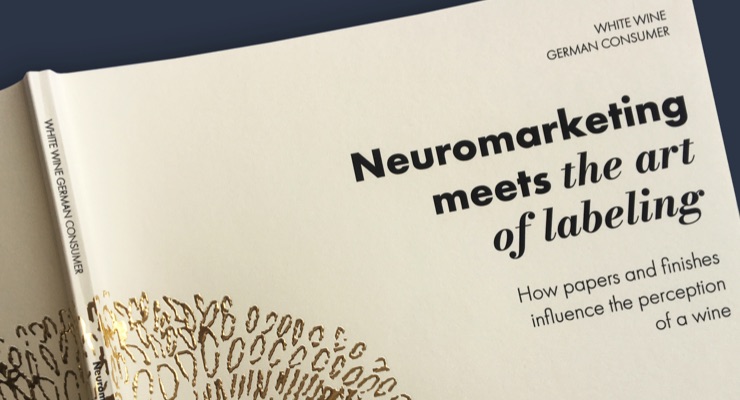
Seismic shifts are rocking wineries’ traditional methods of producing and selling wine. The industry has recognized the vital need to capture the interest of younger consumers to compensate for reduced spending by its older buyer base. Agriculture’s growing acceptance of climate change ― painfully reinforced by increasingly frequent wildfires and droughts ― has led to more sustainable vineyard and winery practices, requiring investments that have sometimes dug deep into budgets.
According to Jarod Hernandez, Product Manager for Wine, Spirits, and Beverages at global label materials supplier UPM Raflatac, these shifts also impact wine packaging.
“The biggest trends I’m seeing are an increasing commitment to sustainability and the market impact of Millennials and Gen Z,” Hernandez notes, “and these are converging since these consumers may not want to open a 750 ml bottle of wine and leave it open, instead preferring single-use cans or bottles.”
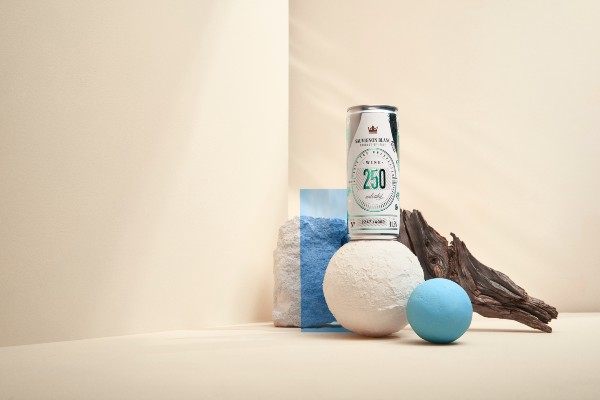 As the popularity of hard seltzers and other flavored alcoholic beverages packaged in aluminum cans skyrockets among younger consumers, wineries are also jumping on the trend. Many wineries are now opting for aluminum cans due to the convenience and “grab-and-go” appeal they offer. This shift is particularly noticeable among newer wineries like Maker Wines and West + Wilder, which have started their journey by exclusively packaging and selling wine in cans.
Even established wineries are adding canned wines, including Union Wine Company’s Underwood brand, Ste. Michelle Wine Estates’ 14 Hands, E & J Gallo’s Barefoot, Dark Horse and recently acquired Bev.
“The largest aluminum producers in the world have been building plants in the Americas,” says Adam Moffitt, UPM Raflatac’s Business Development Manager for the Americas. “For example Ball Corporation has made significant investments in optimizing its current facilities and opening several new aluminum production facilities in the Americas region. They’ve also brought in non-domestic aluminum to make cans. Aluminum has a compound annual growth rate of 5.6% over the next five years, but in the last two years alone, demand grew 12.9%.”
Moffitt also points out that many wineries are looking to package their wine in aluminum cans because they offer value beyond single-use convenience for consumers. “Cans are the most easily recyclable option, don’t break in transit, and are a good way to test markets to see what kind of shelf space you can get.”
But there are also some drawbacks, including:
- Although many consumers have happily adopted canned wine, many still associate cans with lower-quality wines.
- Not all wines are good candidates for canning, particularly those designed to age for years in the cellar.
- Wineries must usually order large minimum order quantities (MOQ) of preprinted cans.
“High MOQs of preprinted cans are easy for big wineries,” says Hernandez, “but may not be affordable for smaller wineries or practical for small batch runs. That’s where we can provide the benefits of using pressure-sensitive labels [PSL] from our portfolio. We can easily transition a label designed for glass bottles to cans, and PSLs give a winery the flexibility to order fewer cans and frequently change the vintage, varietal, vineyard, or anything on the label.”
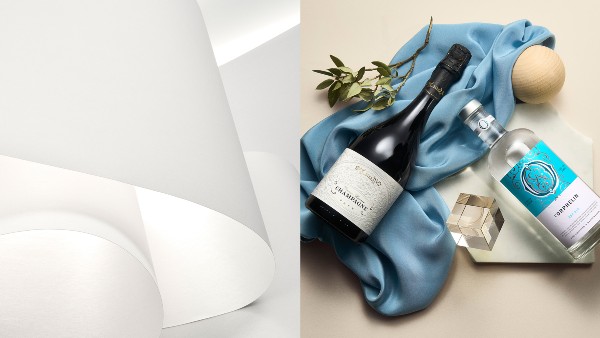 As the leader in sustainable labeling, UPM Raflatac’s portfolio also includes PSLs with lower carbon footprints. Its Forest Film™ material uses 100% renewable wood pulp resin harvested from sustainably managed forests instead of the virgin plastic pellets typically used to create polypropylene. In addition to Forest Film, UPM Raflatac also offers its Ocean Action material, which takes another approach by capturing ocean-bound plastic and, through recycling, breaking it down into the standard polymer chips used to create the label film.
“Most wineries start at the front end when discussing sustainability, especially mitigating water usage in California and adopting lightweight bottles,” Moffitt adds. “But it’s essential to think of sustainability from a broader view that includes end of life. When that bottle leaves your shop, what happens to it? It’s often best to start at the end and work backward.”
California’s new “Bottle Bill,” which takes effect in January 2024, will push many wineries to do just that when they begin redesigning their labels to include the CRV (California Redemption Value) language. The legislation aims to increase the recycling of wine bottles and other containers sold to consumers, creating a circular economy supported by an infrastructure that will collect the glass bottles, clean them and return them to the packaging cycle for reuse.
UPM Raflatac developed a wash-off label portfolio designed to maximize the recyclability and circularity of glass and plastic bottles. Unlike traditional label materials, wash-off labels separate cleanly from containers during recycling without leaving any adhesive residue, improving PET recyclate yield and allowing for glass packaging reuse.
The Bottle Bill is a turning point that allows wineries to rethink their packaging approach. Moffitt and Hernandez are hopeful that wineries will move toward more sustainable packaging, thereby aligning with climate change imperatives and the ethos of younger consumers, who are more likely to consider the product and the company’s sustainability when deciding what products to buy.