

We are certainly living in different times—times that are difficult to predict and even harder to plan for. Challenges originating far outside our professional world are quickly impacting our day-to-day operations and, ultimately, your business. Throughout 2026, suppliers across the industry have...
Read More
That creamy, buttery aroma you sometimes find in a bottle of Chardonnay or other wines is thanks largely to a compound called diacetyl. It's the star player released during malolactic fermentation (MLF), and whether a winemaker wants to emphasize or eliminate it is one of the biggest stylistic...
Read More

Malolactic Fermentation Feasibility: Factors Affecting Ease of MLF There are several factors that influence malolactic fermentation (MLF). This includes obvious factors like alcohol, pH, and SO2 but also includes less obvious factors like alcoholic fermentation difficulty, yeast nutritional...
Read More
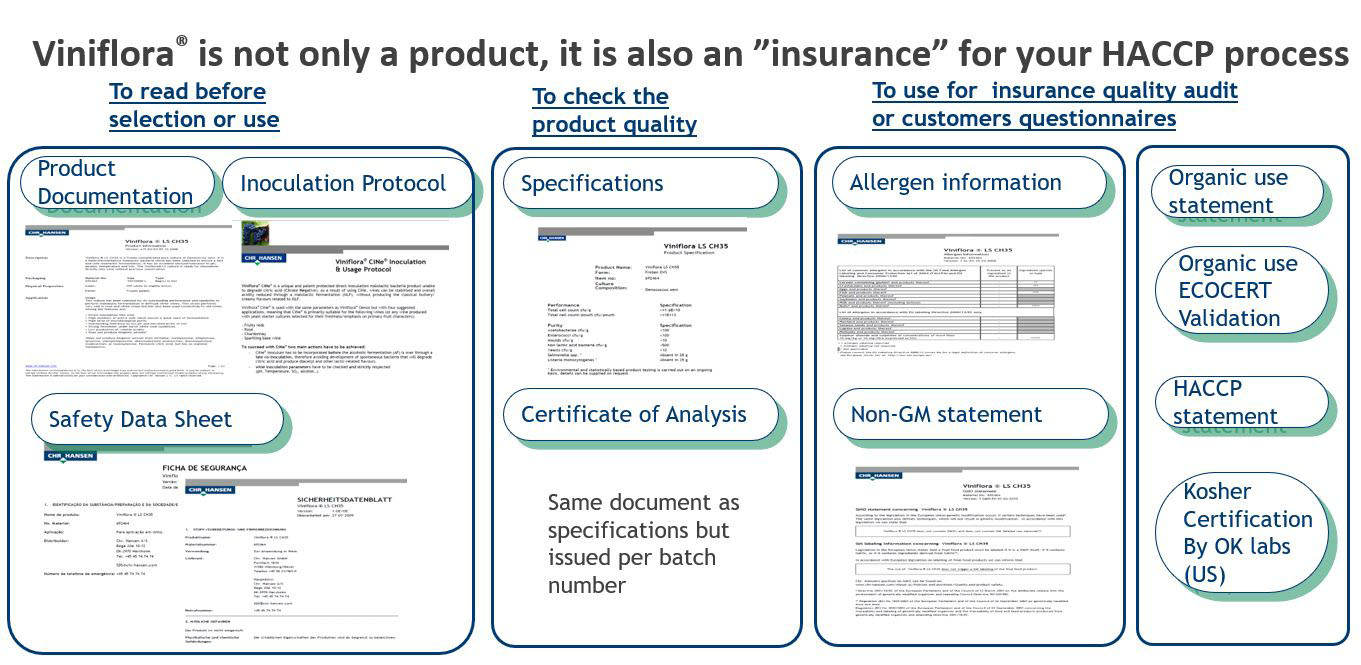
Spontaneous malolactic fermentation can be risky business for winemakers as it offers very little control over the microflora in wine. Some concerns include: Variable speed of MLF VA production Biogenic amines (e.g. histamine) Risk of MLF in the bottle (CO2!!) Opportunity for spoilage microbes like...
Read More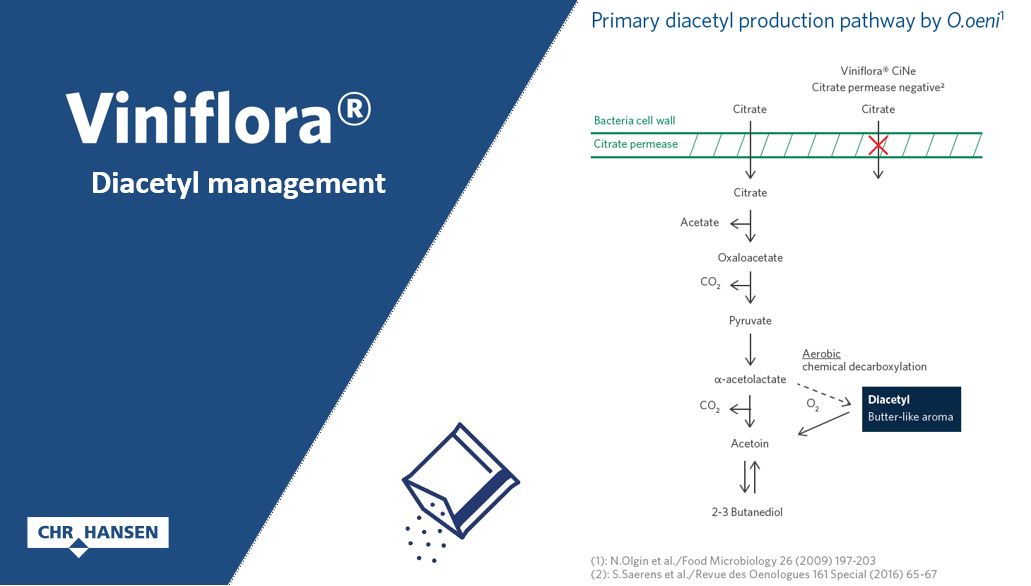
During malolactic fermentation (MLF), Oenococcus oeni, the primary bacteria involved in this process preferentially consumes malic acid. However, as malic acid becomes depleted towards the end of MLF, the cells start consuming citric acid, leading to the production of diacetyl. Interestingly, once...
Read More


Need help selecting malolactic bacteria that is right for your wine? The right bacteria for your wine depends heavily on your wine conditions. The most important parameters are: pH Total SO2 Alcohol Temperature of wine undergoing MLF Extremes in one or more of these properties can have a...
Read More
Nutriferm Osmobacti, an activator and osmotic regulator for malolactic fermentation, helps selected malolactic bacteria survive in difficult wine conditions. When used at the end of the rehydration phase and prior to inoculation, Osmobacti increases the rate of surviving cells thus allowing a more...
Read More

Worried about Smoke Taint and your MLF? Rest assured your malolactic fermentation is safe with Chr. Hansen Viniflora® bacteria! Chr. Hansen enologists in Australia set out to determine which cultures are best suited for running MLF in tainted wine and found no significant increase of free...
Read MoreEnartis has released a new "Quick Tips" video on completing a successful Malolactic Fermentation. In this video we discuss: Malolactic bacteria: Oenococcus Oeni Malolactic fermentation strategies: spontaneous or inoculated Successful MLF strategies with EnartisML range For more information, please...
Read More