

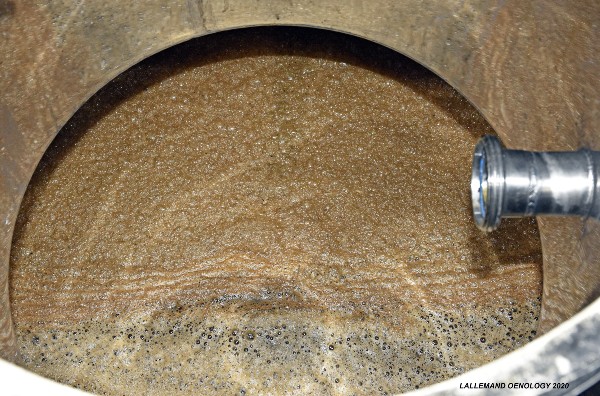
Wineries are busy, and no time is busier than harvest. A typical year is always a scramble, but labor shortages, pandemic restrictions, wildfires, and climate change forcing an early crush can accelerate that into a mad dash. As a result, any way to save time is appreciated. One shortcut some...
Read More
That creamy, buttery aroma you sometimes find in a bottle of Chardonnay or other wines is thanks largely to a compound called diacetyl. It's the star player released during malolactic fermentation (MLF), and whether a winemaker wants to emphasize or eliminate it is one of the biggest stylistic...
Read More
Every vintage brings its own challenges from Mother Nature. Rain or shine, we’ve got the products to keep you covered. Concerned about mold, rot, or mildew? Rooted in experience, our proven solutions guide you through every hurdle for a successful harvest. Potential Issues: Off aromas and flavors,...
Read More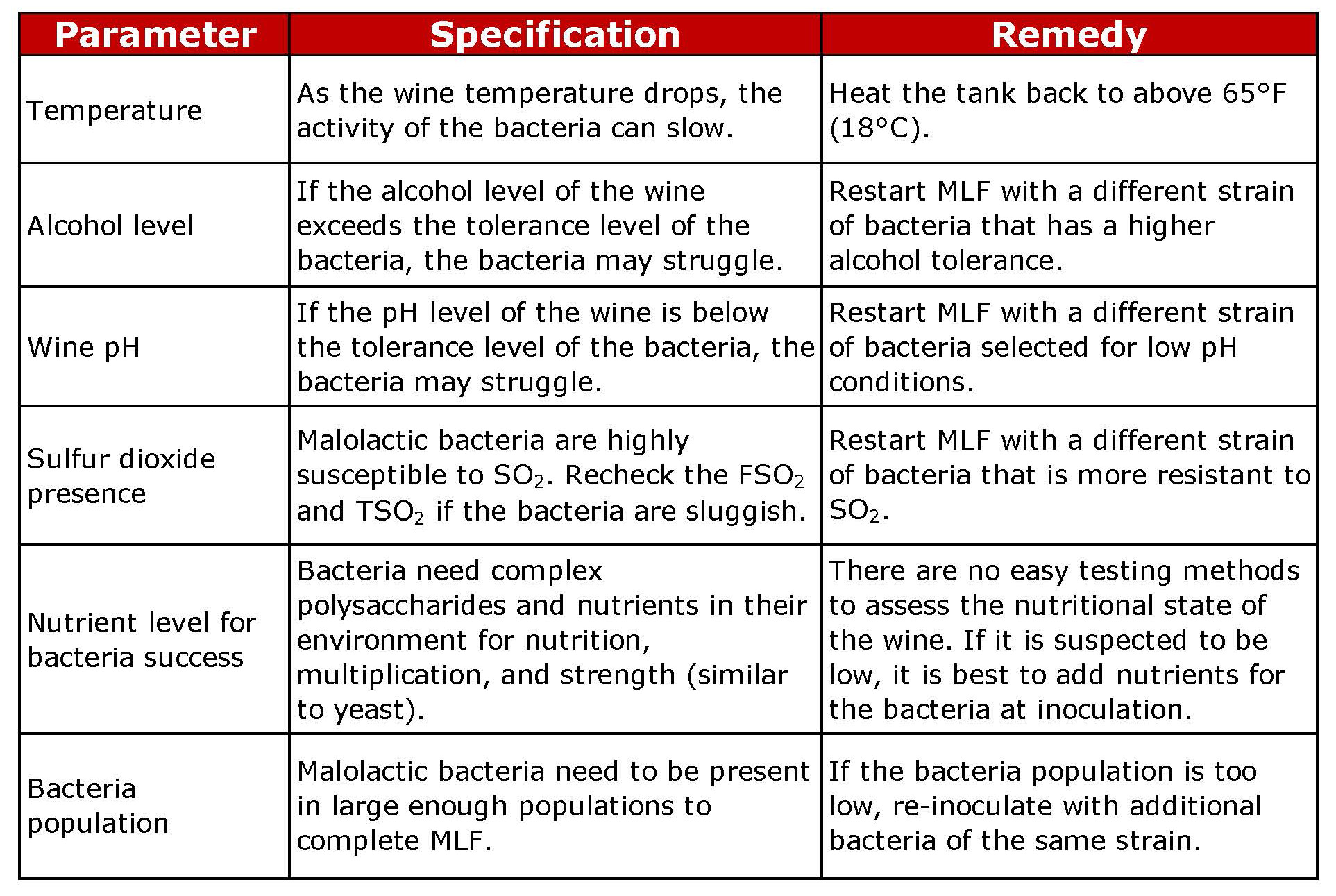
Malolactic fermentation (MLF) is crucial in winemaking for reducing acidity, enhancing flavor, and improving stability. By converting sharp malic acid into softer lactic acid, MLF softens the wine, creating a smoother, more palatable profile while also adding complexity, such as buttery or creamy...
Read More
There's nothing worse than having a customer open a bottle of wine expecting pleasant aromas and instead smelling off-putting barnyard or dead mouse aromas. Because Brettanomyces bruxellensis (Brett) can ferment sugars and create unappealing flavor and aroma changes, winemakers design quality...
Read More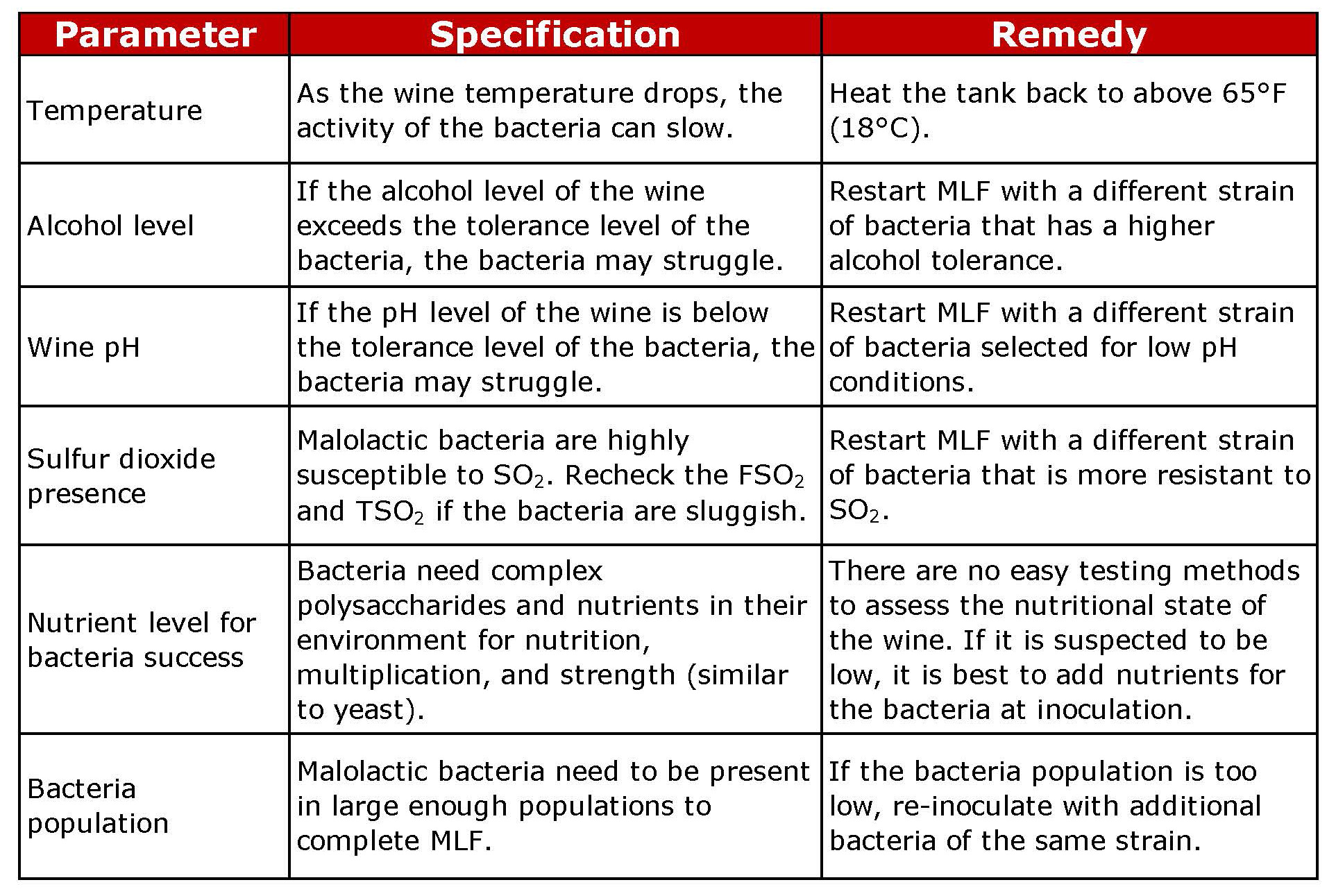
Malolactic fermentation (MLF) is a secondary bacterial fermentation that converts malic acid into lactic acid in wine. It is a common step in winemaking and is necessary for some wine styles. This process creates aroma and flavor compounds and reduces the acidity of the wine, which increases the...
Read More

Introduction In the intricate world of winemaking, stuck malolactic fermentations (MLFs) can pose significant hurdles for winemakers. However, fear not! In this comprehensive guide, we address the common challenges encountered during stuck MLFs and provide practical solutions to overcome them. From...
Read More
As we are getting close to the end of harvest, we start to see slower end of fermentation. Toward the end of fermentation, the conditions for yeasts are not at their best: Low viable yeast population, Slow yeast metabolism, High alcohol, Low nutrients, Low temperature and Residual sugars… Waiting...
Read More