


Event Type: Webinar
Location: Online
Date: 1/21/2025
This free webinar will cover: The recent developments in wine protein instability, including the most current version of the mechanism describing how protein instability forms in white wines. The methods for wine protein stabilization The methods to predict protein instability in wines Speaker:...
Read More
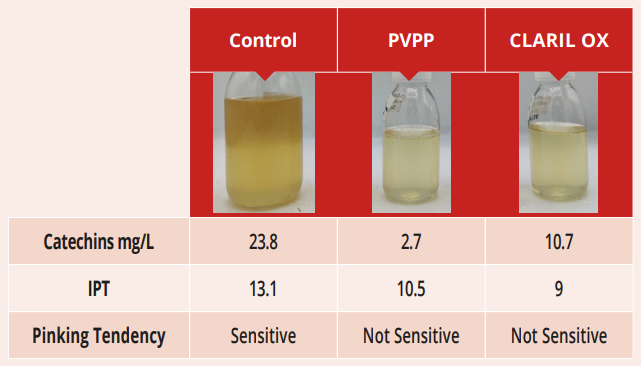
When it comes to fining wine, many traditional fining agents remove a broad spectrum of compounds that can often lead to stripped, less expressive wines. The CLARIL range from Enartis is focused on selective fining, which targets the specific compounds that cause instability and other faults, while...
Read More
After a wet winter and a slow start to spring, California is now experiencing an unusually cool summer. While the extended hang time may sound ideal at first glance, many winemakers are concerned, and for good reason. Persistent cool, damp weather during the growing season brings with it an...
Read MoreAchieving tartrate stability is critical for delivering wines that hold up in bottle and on the shelf. One tool that has become increasingly popular for this purpose is carboxymethyl cellulose (CMC), but not all CMCs perform the same. Understanding how CMC works, and how to properly use it, can...
Read More

During a recent fining trial of a problematic wine that was fermented with a problematic yeast, the conversation briefly touched on protein stability and I started reminiscing about the very first blog that I wrote for Laffort South Africa. Said blog post (click here to read it) was about bentonite...
Read MoreWhen making white wines, an ounce of prevention really is worth a pound of cure. With any fining process, winemakers must balance the removal of negative characteristics with the inevitable removal of positive ones. Unlike the fining of finished wines, where the flavors and aromatics are set, with...
Read More
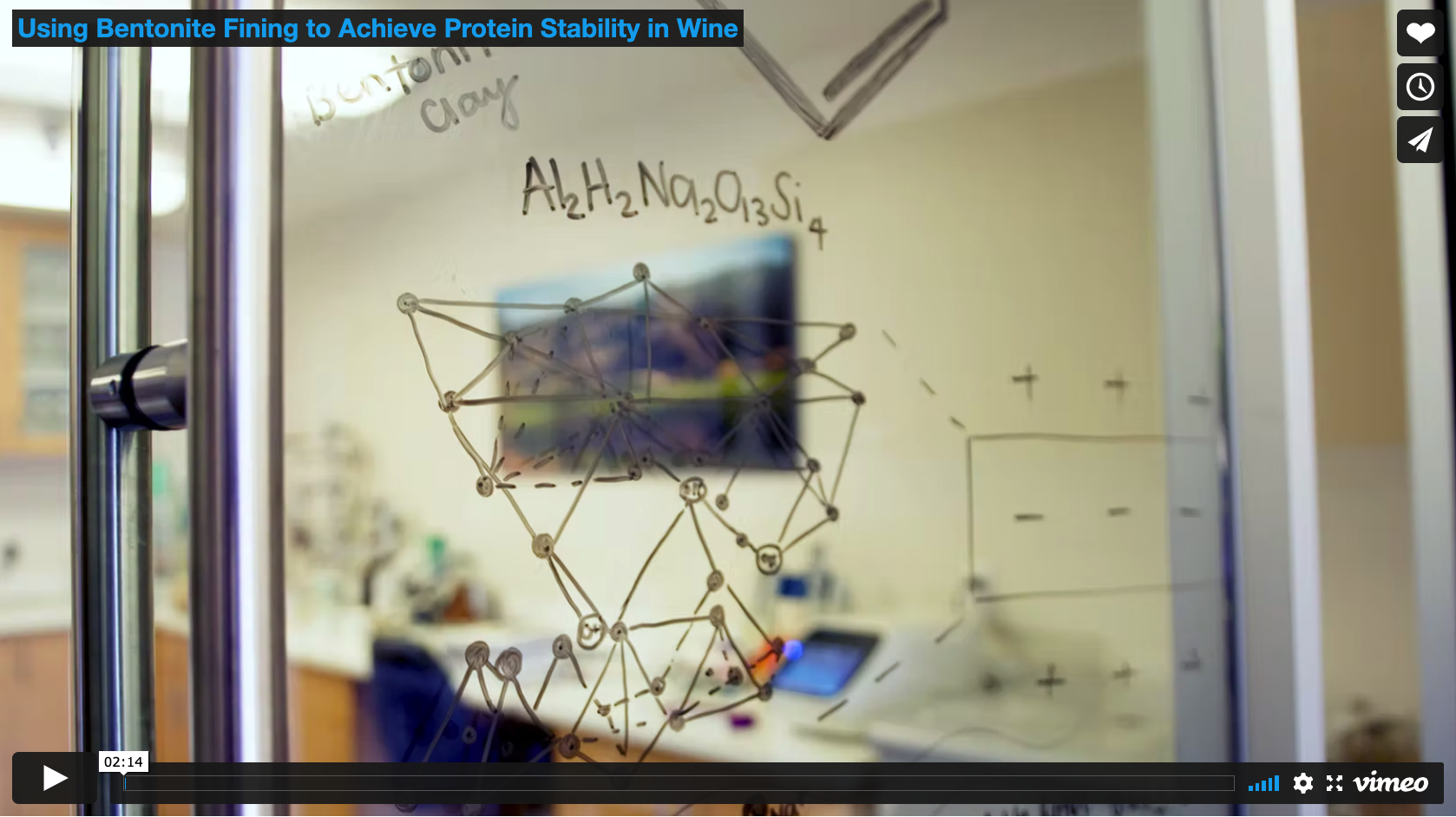
Clarity, or the absence of haze, is a key factor in the appearance of wine, contributing significantly to its commercial value. High temperatures, encountered during transportation or in poor storage conditions, can induce the denaturation of proteins, which then form a suspended haze in a bottle...
Read More

Protease Enzyme: Innovative Tool to Achieve Protein Stability in Wine This presentation, sponsored by Oenobrands, will provide an overview on the current understanding of the mechanism of haze formation. In addition, a discussion on how the recent advances in the area allowed the elaboration of...
Read MoreWhen making white wines, an ounce of prevention really is worth a pound of cure. With any fining process, winemakers must balance the removal of negative characteristics with the inevitable removal of positive ones. Unlike the fining of finished wines, where the flavors and aromatics are set, with...
Read More
Protein stability evaluation in white wines represents one of the more debated topics in the winemaking world. The market and the scientific community offer various alternatives in terms of analytical methods for the determination of the protein instability: Heat Test, Proteotest® and...
Read More