
Filter Post Type
NewsVideoProductEventLink
Sort:
Relevance
1–10 of 101

April 9, 2026

As wineries face increasing pressure to improve efficiency, reduce resources and energy, and maintain premium wine quality, smart tank mixing solutions have become essential. The Vinfoil Wine Tank Mixer, developed by CPE and distributed in the by BevZero, is engineered specifically for wine applications—offering gentle yet effective mixing while minimizing oxygen pickup and operational costs. This article explores the many applications of the Vinfoil mixer, how it supports energy and labor savings, and answers the most common technical questions wineries ask when researching tank mixers. Key Takeaways Custom designed to your tank size, specifically for gentle wine mixing Reduces oxygen pickup compared to pump-overs Improves additive and oak integration Lowers energy and labor costs Suitable for premium and non-alcoholic wines What Is the Vinfoil Wine Tank Mixer? The Vinfoil mixer is a purpose-built wine tank mixing system designed for: Gentle homogenization Efficient blending Ad
00

March 30, 2026

As demand for non-alcoholic wine continues to grow, more producers are exploring dealcoholization as a way to expand their portfolios. But removing alcohol is only the first step. The real challenge lies in what comes next. Alcohol plays a critical role in a wine’s structure, balance, and sensory expression. Once it is removed, the wine often loses body, aromatic intensity, and overall integration. What remains can feel thin, sharp, and incomplete. To produce a high-quality non-alcoholic wine, winemakers must shift their mindset from simple removal to thoughtful reconstruction. This process centers around four key areas: acidity, mouthfeel, aroma and flavor, and color. Dealcoholization can concentrate acids, resulting in a sharper profile that requires careful adjustment. At the same time, the loss of alcohol reduces viscosity and mid-palate weight, creating a need to rebuild texture and structure. Aromatics are often diminished during processing, requiring targeted strategies t
00
When making white wines, an ounce of prevention really is worth a pound of cure. With any fining process, winemakers must balance the removal of negative characteristics with the inevitable removal of positive ones. Unlike the fining of finished wines, where the flavors and aromatics are set, with juice fining pre-fermentation you are making necessary preventative adjustments before the yeast do their job of driving style. The result is improved aromatics, flavor, and overall quality in your finished wines with a significant reduction in the need for future intervention. This is especially true for things you know you will likely have to deal with later, such as protein instability, astringency, and unwanted color; dealing with them in the juice is always the best option. ATPGroup offers numerous options depending on your specific requirements, but a great place to start is with Phenol-Fine Plus NF. A blend of bentonite, PVPP, and casein, this simple-to-use and highly effective product
00

March 16, 2026

Radoux USA is pleased to announce that April Moulton has joined the company as Regional Sales Manager, further strengthening Radoux USA’s presence across key U.S. wine regions. April brings more than 10 years of experience in the cooperage industry and a strong customer‑focused approach to her new role. She will be supporting National Sales Manager Craig Holme in Napa Valley, while taking the lead for the Central Coast and Oregon, working closely with the Radoux USA team to ensure consistent, high‑quality service for customers. “April brings professionalism, energy, and a deep understanding of our industry,” said Craig Holme, National Sales Manager, Radoux USA. “She is a valuable addition to our team and a strong partner for our clients.” April’s appointment reflects Radoux USA’s continued investment in long‑term relationships and dedicated regional support. The Radoux group, based in the Cognac region of France, is a leading manufacturer of Fr
00
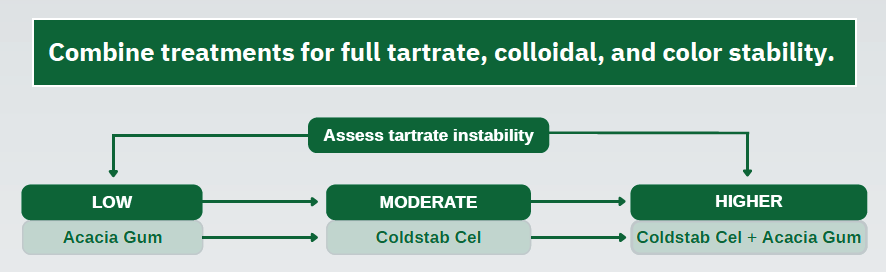
Tartrate stabilization helps keep wines bright, clear, and free of the “wine diamonds” that consumers often perceive as a flaw. While traditional cold stabilization works, it can be time- and energy-consuming, and can affect aromatics and flavor. Today, there are smart, innovative stabilization solutions that eliminate the need for chilling while protecting wine quality and making cellar work easier. Carboxymethylcellulose (CMC) CMC is a cellulose-based solution that acts by interfering with crystal growth. While traditional stabilization induces crystal formation, CMC prevents them from developing in the first place. It provides reliable stability without chilling and helps preserve pH, aroma, and flavor. CMC is a strong choice for white and rosé wines where clarity and freshness are priorities. Acacia Gum Acacia gum, made from the sap of Acacia trees, coats the tiny tartrate particles so they cannot grow into visible crystals. It also helps protect color, making it
00


Explore how Winesecrets' selective dealcoholization process delivers premium No/Lo wines without compromising what makes them wine: Selective membrane separation — Our Reverse Osmosis process extracts only water, alcohol, and acetic acid. Color, tannin, body, and structure stay behind the membrane, untouched. Complete aromatic protection — Delicate volatile compounds are physically retained by the membrane throughout the entire process. There is no need to "capture" or "add back" aromatics since they're never lost in the first place. No heat contact with your wine — Only the water-ethanol permeate fraction is distilled. Your wine is maintained at cellar temperature from start to finish. Minimal volume loss — With an average loss of just 1.25%, more of your wine comes back to bottle and sell. Trial to production scale — Start with a Test Track bench trial on as little as a 750ml sample to taste your wine at multiple ABV targets,
00

Strategies to Keep Whites & Rosés Bright, Stable, and Shelf‑Ready Whether you're looking to retain freshness in tank or in bottle, there are several options beyond SO₂ that can help protect against oxidative damage, preserving color, aromatics, and overall longevity. These options also work well for low-alcohol or alcohol-removed wines. Tannins ESSENTIAL ANTIOXIDANT™ Gallnut tannin that can help to protect delicate aromas and color from oxidative damage. ESSENTIAL PASSION™ A balanced blend of condensed and hydrolyzable tannins that can enhance and protect red fruity aromas. SCOTT'TAN RADIANCE™ Lightly toasted French oak tannin that supports aromatic freshness and contributes subtle structure. Mannoproteins & Chitosan FINAL TOUCH TONIC™ Liquid mannoprotein that protects aroma compounds, stabilizes colloids, and can extend shelf-life in whites and rosés. FINAL TOUCH POP™ Liquid mannoprotein that stabilizes bubble
00

January 22, 2026
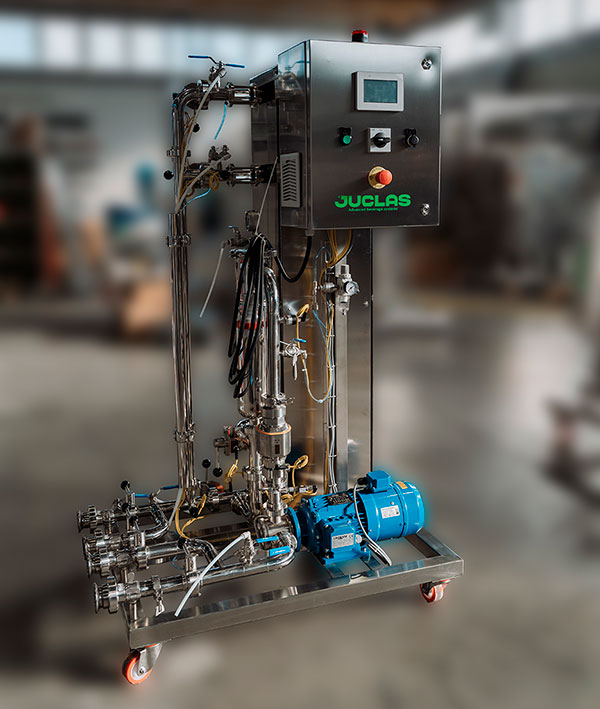
Techniques available to winemakers, especially for those crafting fine white and sparkling wines, have continued to evolve through the years, providing more sophisticated options for fine-tuning the style and complexity of their finished products. Winemakers frequently use cross-flow filtration for clarification and microbial stabilization of wine. The tangential flow of juice across the filter’s membrane surface limits clogging and allows continuous cleaning of the membrane. This technology is well-suited for wineries seeking very fine clarification during post-fermentation processing. However, its highly automated machinery can be too expensive for smaller wineries, and its high product loss level is more impactful for small batch processing of high-quality wines. “Today, these smaller wineries use cross-flows from mobile services or manual systems, very likely pad filters,” says Massimiliano Buiani, Chief Operating Officer for JUCLAS, USA. “Pad filte
00
January 19, 2026
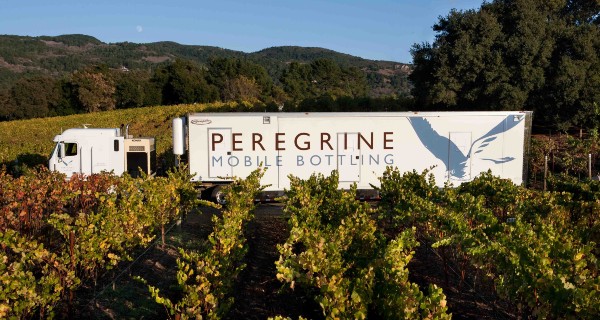
In an era when wineries face rising production costs, shifting consumer behavior, and increasing pressure to do more with less, one company has quietly reinvented itself from a mobile bottling provider into a vintner solutions partner. What began 17 years ago has evolved into something far broader—and far more essential for today’s market and industry landscape. “When Peregrine first started, the core of the business was—and still is—mobile bottling. But as the company grew, wineries began turning to us for help with challenges far beyond the bottling days,” recalls Founder and CEO Thomas Jordan. “Filtration issues, oxygen control, production bottlenecks, tenting needs, hauling, last-minute project support… Over time, we realized something important: we had already become much more than a bottling company. In practice, we were the partner wineries called when they needed a solution—not just a single service.” That realizatio
00

December 15, 2025

Forget the harsh, high-proof jars of yesteryear. This is Moon Moonshine, a modern spirit for a modern drinker: smooth, flavorful, mixable, and built for today’s drinkers. It’s low sugar, low calories, no artificial ingredients, and has a lighter, smoother finish than most tequila or whiskey. Crafted in Kentucky with non-GMO corn, premium limestone and shale–filtered spring water, and distilled in copper pot stills, Moon Moonshine delivers a clean, contemporary take on America’s original spirit. Three all-natural flavors—Citrus, Berry, and Tropical—come in at 35% ABV. Launched just four months ago, the brand is already picking up major traction in Florida. College bars, beach bars, cocktail bars—they’re all leaning in. And with good reason: Moon Moonshine is easy, versatile, and profitable for Buyers. “Moon Moonshine takes a timeless spirit and gives it a bold, modern twist. We wanted a people-forward brand that’s s
00