Global Package LLC

2793 Napa Valley Corporate Drive, Napa, CA, United States of America, 94558


We are certainly living in different times—times that are difficult to predict and even harder to plan for. Challenges originating far outside our professional world are quickly impacting our day-to-day operations and, ultimately, your business.

Throughout 2026, suppliers across the industry have faced significant disruption, and those challenges have inevitably flowed downstream to our valued wine and spirits customers. While none of us welcome this level of uncertainty, it is also not entirely unexpected given the global environment we’re operating in.

Recently, the Wine Industry Network published a timely and insightful article that underscores the importance of preparation. The message is clear: we must plan ahead, secure what we can, and remain ready for continued volatility. Duties, tariffs, currency fluctuations, transportation challenges, and unexpected fees are all contributing to rising costs—and the reality is, no one can predict what will come next.

What we can do is remain transparent about the steps we’re taking to manage these pressures and minimize their impact wherever possible.

We’ve weathered supply chain disruptions before. In 2022, shipping costs surged to nearly six times their normal levels. While we saw some relief in 2025, costs have still not returned to pre-2022 levels. Today, transportation remains complex and deeply interconnected on a global scale. Even domestic products rely on international inputs—whether through energy, raw materials, or component parts.

As highlighted in the recent The Drinks Journal article (March 19, 2026), logistics provider Kuehne+Nagel confirmed ongoing disruptions:

“With certain air and sea routes restricted or being rerouted, carriers are extending transit times,” said Horst Mueller, global head of VinLog.

The article further notes that additional surcharges are emerging due to challenges such as rising fuel costs, extended shipping routes, and increased energy demands. These factors are placing significant pressure on supply chains, particularly for routes tied to affected regions. While logistics providers are working to mitigate disruptions through alternative routing and close coordination with partners, delays and cost increases remain a reality.


Importantly, the impact extends beyond wine. Beer prices are also expected to rise due to global geopolitical tensions, including the ongoing Iran conflict. As Molly Monks of Parker Walsh explains:

“Those increases then move through to pubs and bars, which are also highly exposed to rising energy costs through heating, lighting, and refrigeration. Because margins are already tight across the sector, it does not take long for those pressures to translate into higher prices at the bar.”

What This Means For You

So, what does all of this mean for you, our valued customer?

It means flexibility will be key. We encourage you to:

  • Work strategically with existing inventory
  • Plan ahead where possible
  • Remain open to alternative options

Most importantly, trust that we are actively working behind the scenes to stabilize supply and manage costs as effectively as we can.

Our goal is simple: to help ensure that, despite today’s challenges, we can all look forward to enjoying a great glass of wine or a well-made cocktail in more predictable—and more pleasant—days ahead.

Ready to fortify your supply chain? Reach out for a strategic consultation or discuss our current inventory options today by contacting us at sales@globalpackage.net or +1 707 224-5670.


Follow Us On Instagram

00


The Barrel 700mL from the Estal Wild Glass collection

For winemakers and distillers, crafting exceptional beverages is only part of the journey. To ensure your product maintains its premium quality and reaches consumers in perfect condition, the preservation of both its taste and appearance is critical. This is where the often-overlooked factor of glass color comes into play.

The color of your bottle can have a profound impact on the longevity, flavor stability, and overall appeal of your wine or spirit. By understanding how different glass colors protect against light damage, you can make more informed packaging choices that safeguard your product’s quality and enhance its shelf life.

In this article, we’ll explore the science behind glass color and light exposure, explain how traditional and modern glass choices can protect your product, and provide insights into balancing practical preservation needs with aesthetic considerations. Whether you’re crafting aged whiskey or fine wine, the right glass color is more than just a design decision – it can be a crucial element in preserving the quality of your product.

The team at Global Package has built its reputation as a trusted name in glass packaging through over 30 years of expertise and a forward-thinking approach. Our portfolio is designed to meet the diverse needs of winemakers and distillers, offering everything from versatile off-the-shelf options to cutting-edge designs that set brands apart.

Signature features like the Specialty Sommelier, designed for precision pouring, and the striking Doble Alto, which elevates shelf presence with its bold, double-base design, deliver both functionality and aesthetic impact. For brands seeking something uniquely their own, our fully customized solutions provide unmatched creative freedom.

Through close partnerships with leading designers and marketers, we’re constantly developing standout packaging that helps clients capture attention in today’s fast-changing market—all while staying aligned with your brand’s goals and budget.

The Impact of Light on Wine 

While a beautifully lit display might entice customers, exposure to light, particularly ultraviolet (UV) light, can be detrimental to the quality of wine. Exposure to UV light triggers chemical reactions in wine, producing unpleasant ‘lightstruck’ aromas – often described as reminiscent of rotting leaves, cooked cabbage, or even a struck match. 

The interaction between light and wine sets off a chain reaction which results in formation of hydrogen sulphide and mercaptans. The human palate is highly sensitive to these compounds, detecting them at incredibly low concentrations, making their presence impossible to ignore. Just an hour of direct sunlight can noticeably alter the flavor of certain varieties of wine.

Different types of wine are impacted by light in varying ways. White, sparkling, and rosé wines are generally more vulnerable to light damage than red wines.  This difference is attributed to the higher tannin content in red wines, as tannins act as protective agents against this photochemical degradation.

The Impact of Light on Spirits

Light exposure not only threatens the appearance of spirits but can also influence how they are perceived and enjoyed. For aged spirits like bourbon and scotch, color is more than just cosmetic—it’s a vital part of the product’s identity and sensory allure. A deep amber or mahogany hue evokes complexity, richness, and quality, shaping consumer expectations even before the first sip.

When light exposure results in a noticeable loss of color, it disrupts this critical visual cue. Even if the flavor remains intact, the diminished vibrancy can lead consumers to assume the spirit lacks the depth or maturity they associate with darker tones. This perception isn’t superficial; color often correlates with the flavor experience in the mind of the drinker, setting the stage for how the spirit is judged.

On a chemical level, UV and blue light exposure triggers photochemical reactions that can degrade the spirit’s components. For example, amino acids and phenolic compounds interact with light, causing changes that lead to color fading. These reactions may also result in the production of undesirable sulphides or promote oxidation, subtly altering the flavor profile over time.

For white spirits like vodka and gin, which are bottled in clear glass to showcase their clarity, the risk is less immediate due to their stable composition. However, prolonged exposure to intense light can still compromise their pristine appearance, leading to a flat or dulled look. While this might not affect their taste directly, it can detract from their appeal, particularly in markets where presentation plays a significant role in purchasing decisions.

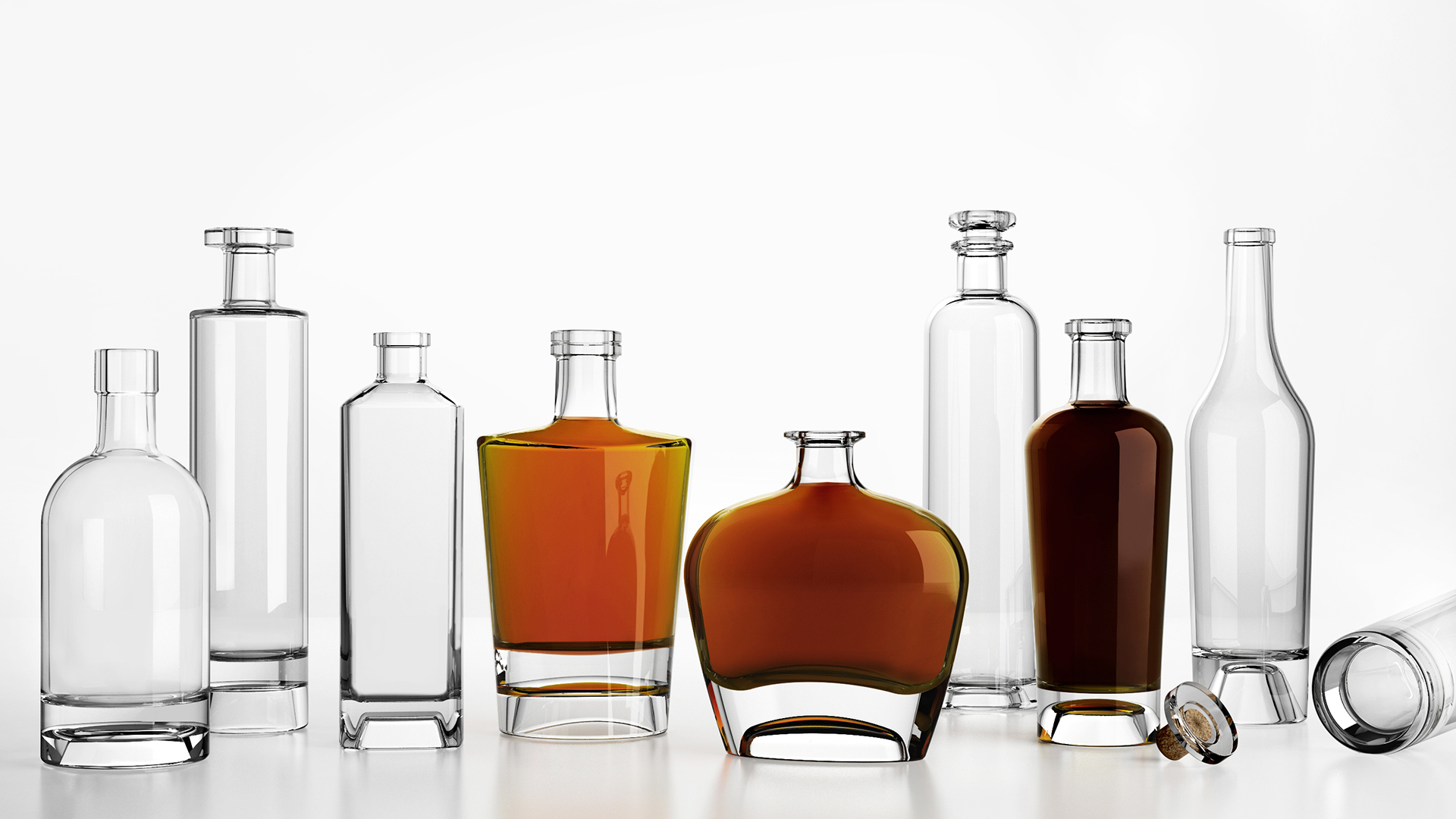
Wine and Spirit Bottles from Estal

Preventing Light Damage to Wine and Spirits

Understanding these scientific principles is fundamental for wine and spirit producers when considering which glass bottle is ideal for their product. By considering these factors and making informed choices about packaging and storage, producers can effectively mitigate the risks of light damage and ensure that their beverages reach consumers in optimal condition.

Choose the Right Glass Bottle Color

Amber glass offers the best protection against UV rays, acting as a natural barrier that prevents harmful light from reaching the product inside. On the other hand, clear glass, although popular for aesthetic reasons, offers minimal protection, making it an important consideration for wineries or distilleries prioritizing display over preservation.

Reduce the Amount of Exposed Glass

Bottles with larger labels, unique shapes, or thicker glass can effectively reduce the amount of light that comes into direct contact with the product. By using packaging that incorporates more opaque or covered surfaces, producers add an extra layer of protection, ensuring the integrity of the wine or spirit is preserved even when displayed under bright lights.

Anticipate Type of Light Source and Proximity

The type and proximity of the light source are key factors in light exposure. While direct sunlight is the most damaging, artificial light sources – such as LED and fluorescent bulbs – can also have a negative impact, particularly when the bottle spends extended periods of time in proximity.

At Global Package, we understand that exceptional packaging requires both product integrity and brand storytelling. Our innovative glass solutions combine cutting-edge design, sustainability, and functionality to protect the quality of your wines and spirits while elevating their market appeal. Whether through superior UV protection, custom-crafted aesthetics, or unique features like the Doble Alto’s dual-tiered base, we partner with producers to ensure their beverages not only stand out but stand the test of time. 

How to Choose the Best Glass Color for Your Wines

Choosing the right glass color for wine bottles is a delicate balancing act between preserving the integrity of the wine and appealing to the discerning eye of the consumer. Global Package understands that every detail matters, and we’re here to guide you through the nuances of selecting the ideal color for your wines.

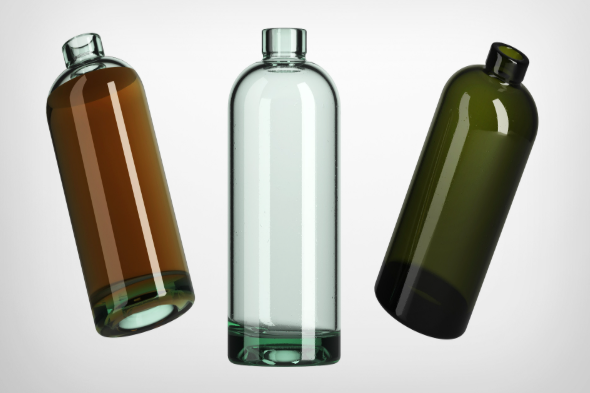
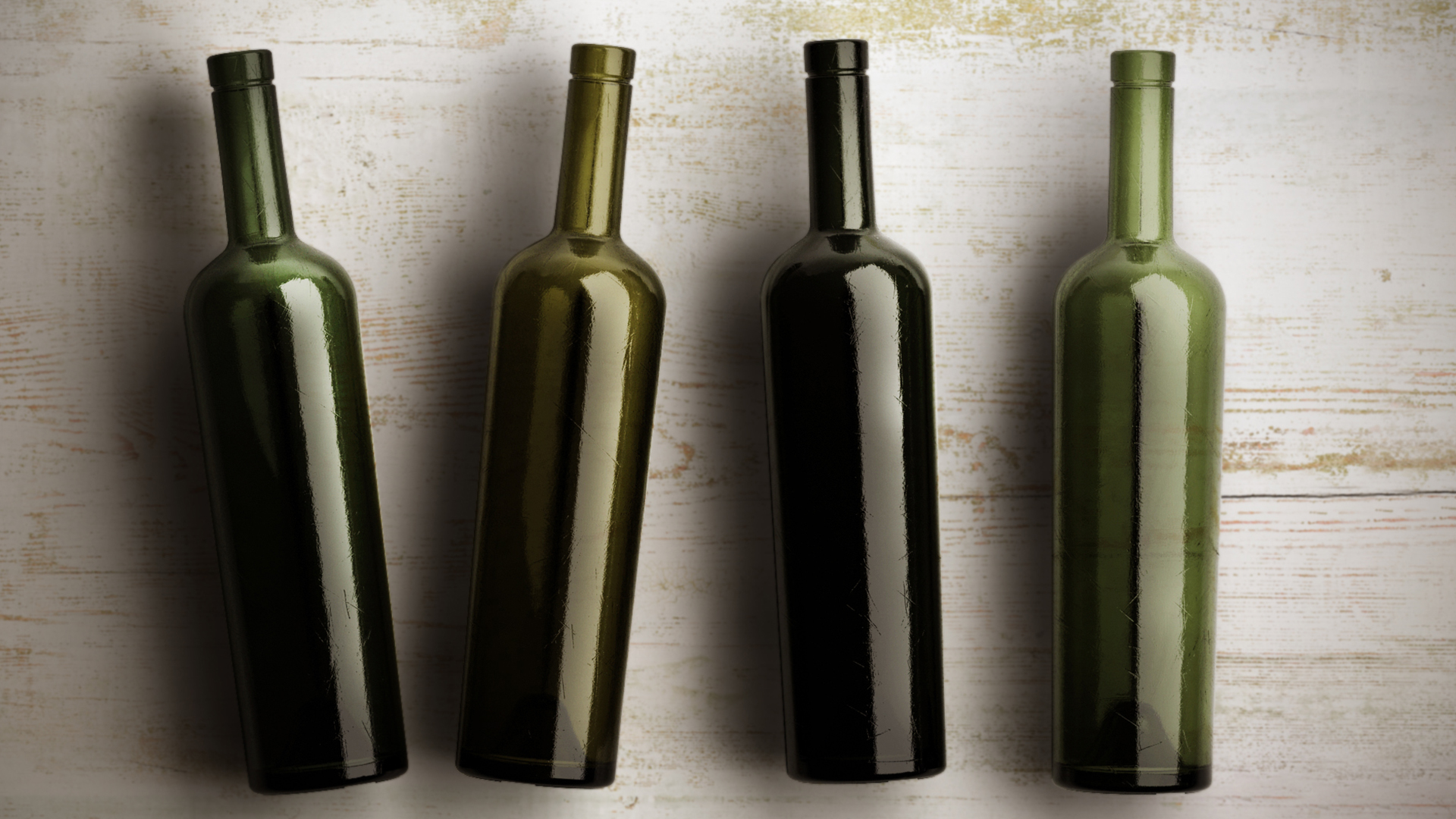
Dark green glass, historically the only choice due to iron impurities in early glassmaking techniques, now retains its popularity for its UV-blocking properties—an advantage that continues to protect wines today.

As technology has advanced, glassmakers gained greater control over color and clarity, offering winemakers a broader palette to work with. This opened up a world of possibilities, allowing producers to select colors that not only protected their wines but also enhanced their brand image and shelf appeal.

Specialty Sommelier from Estal

Green Glass Bottles for Wine 

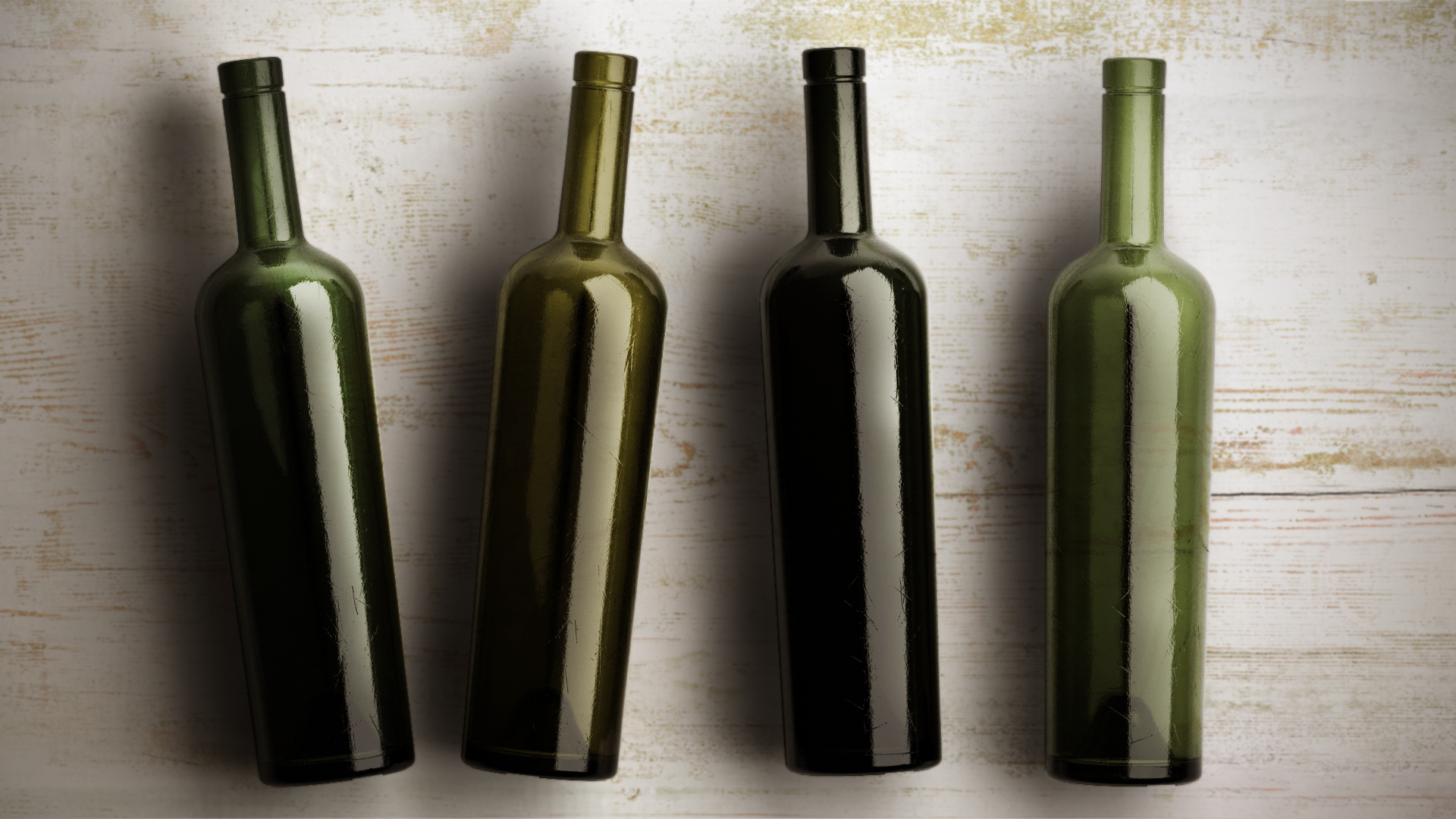
The traditional choice used for red wines, antique green offers excellent UV protection. Filtering over 90% of UV light, antique green remains the top choice for wines requiring long-term protection, shielding the tannins and other delicate compounds from light damage. Antique green also carries a classic, premium aesthetic that resonates with traditional wine branding.

Amber Glass Bottles for Wine

Although less common in wine packaging, amber glass provides the most robust UV protection. It can be a smart choice for producers of delicate white or sparkling wines, especially for products stored or displayed in light-heavy environments. The rich, amber hue signals a commitment to preserving quality, even if it breaks with conventional expectations.

Flint Glass Bottles for Wine

Clear glass is particularly popular for rosé and white wines, where showcasing the wine’s color is part of its appeal. While it provides no UV protection, its transparency creates an eye-catching display that influences purchasing decisions. 

Wild Glass Bottles for Wine

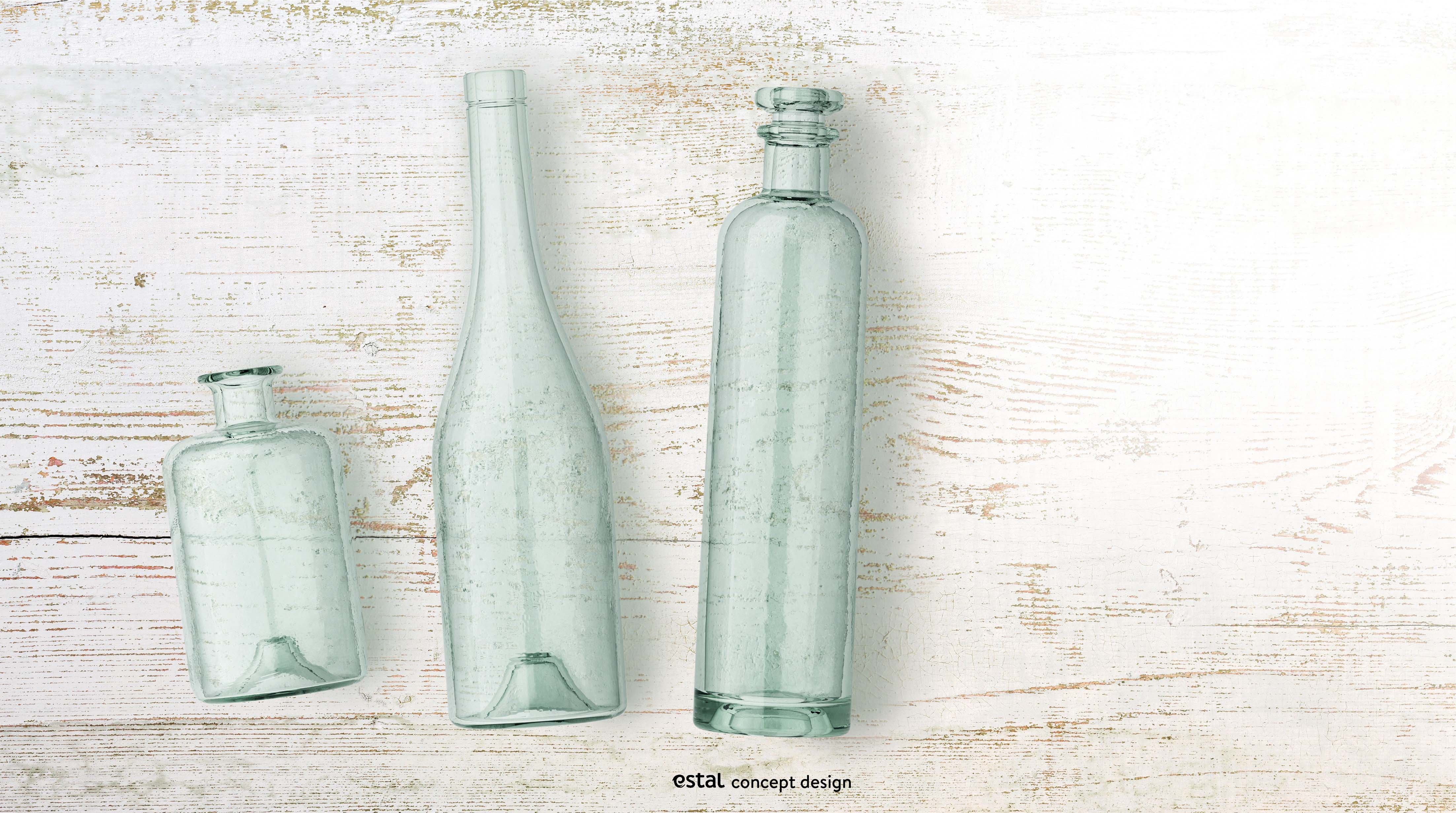
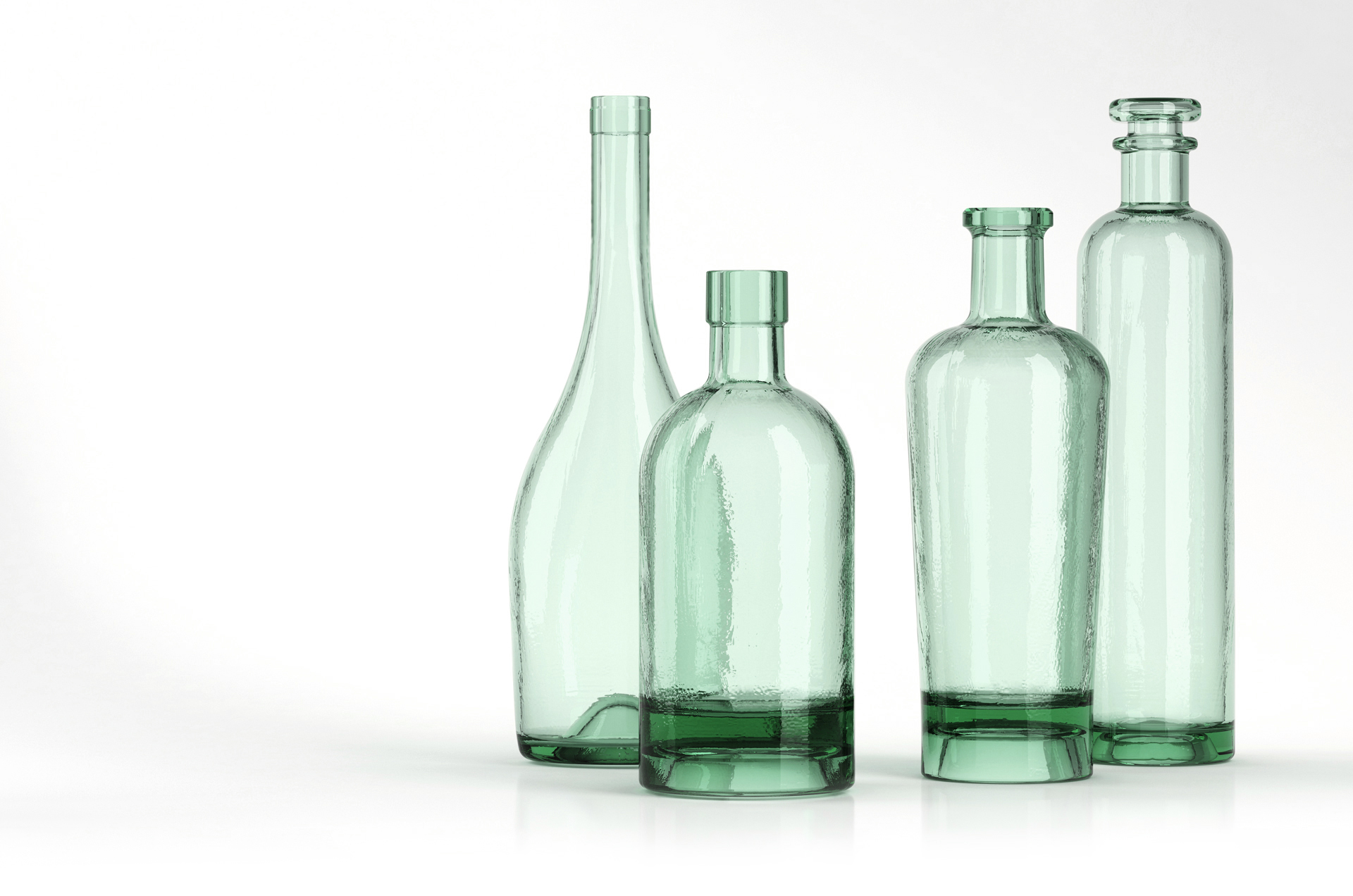
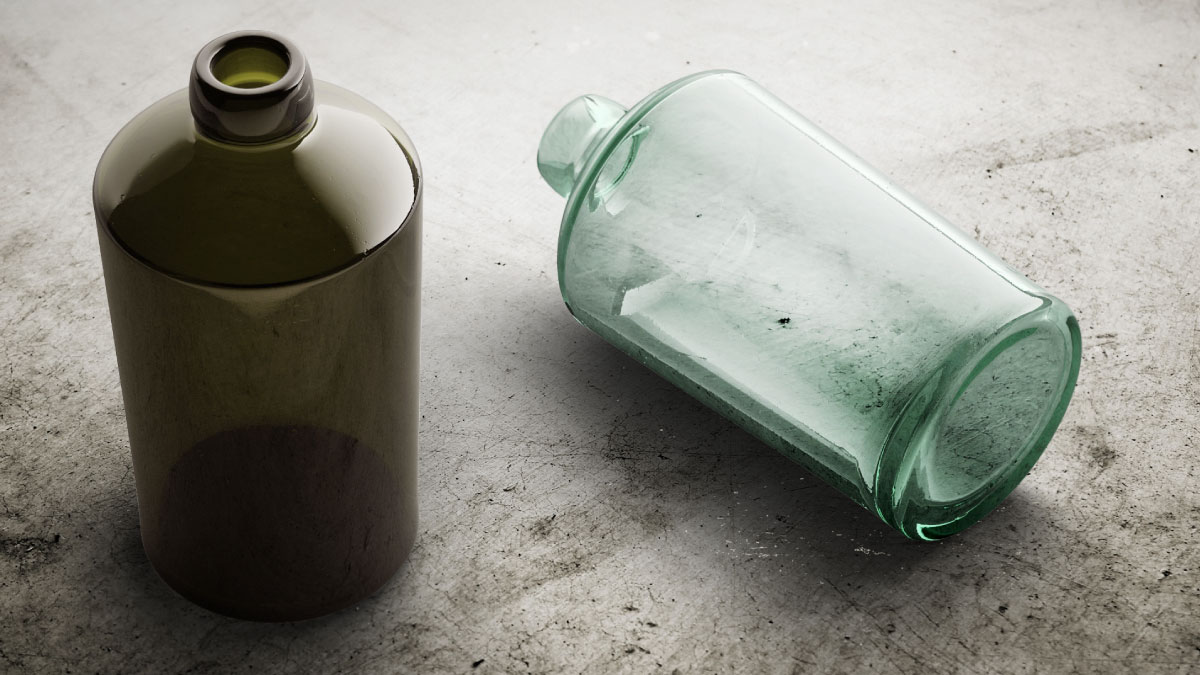
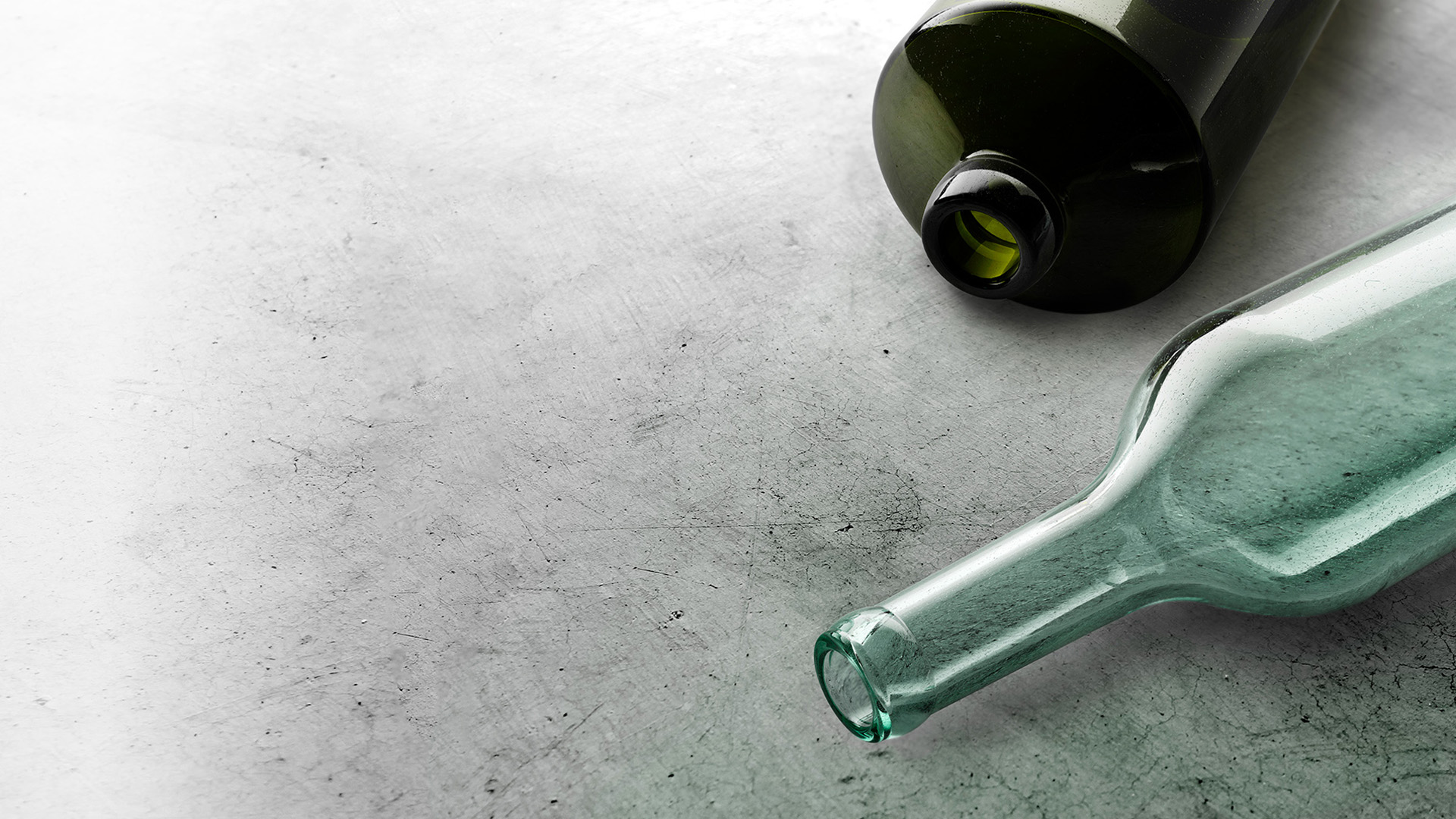
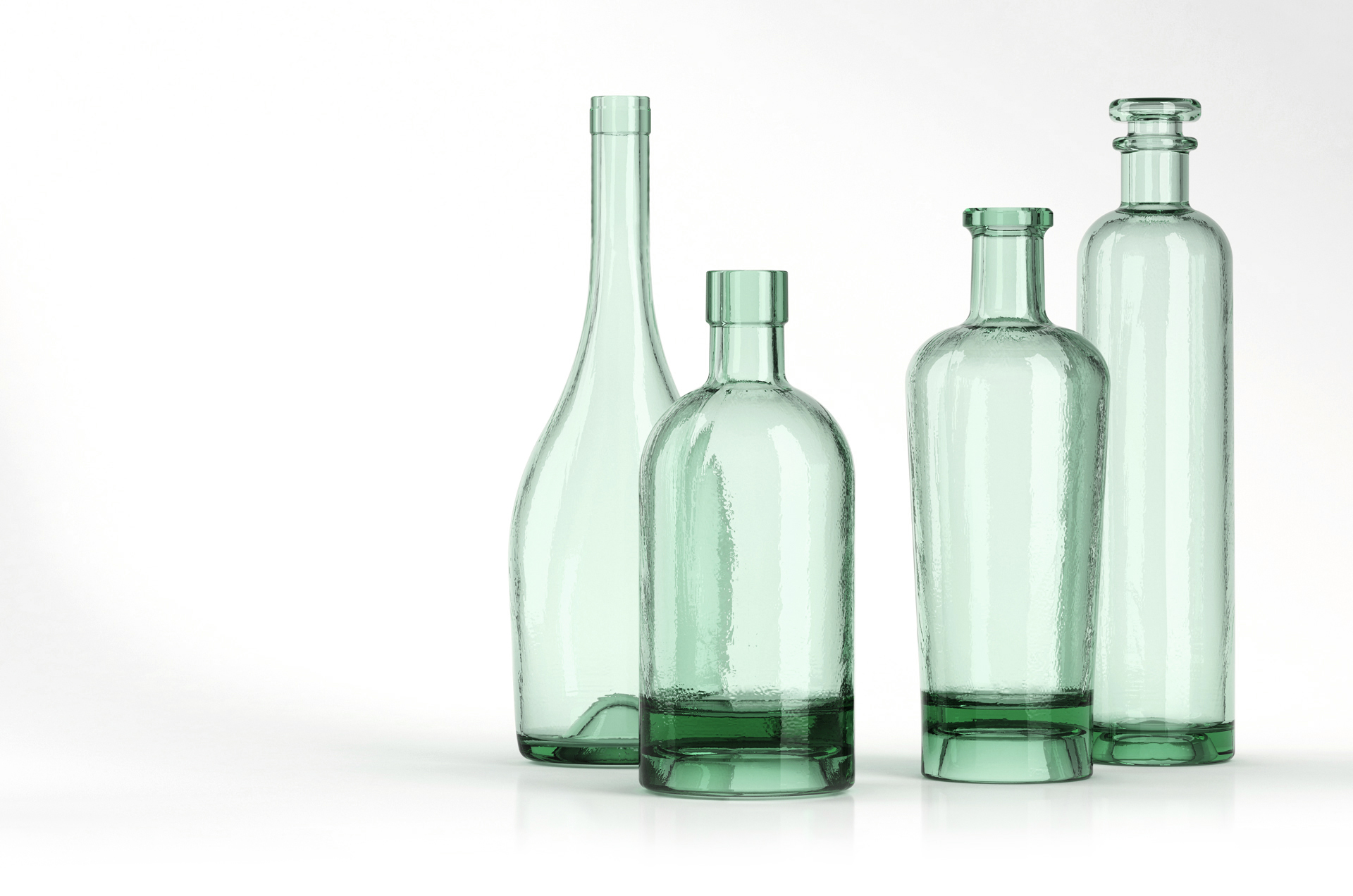
For winemakers balancing sustainability, wine preservation, and aesthetics, Wild Glass is a standout option. The sustainable packaging option from Estal, It is made from 100% post-consumer recycled (PCR) glass.  Both light and dark variations offers UV protection and stunning visible appeal:

  • Wild Dark Glass is made from a blend of antique green glass and other dark colors. Its rich color makes it an ideal choice for safeguarding wines from light strike while maintaining a premium look.
  • Wild Flint Glass combines clarity with UV filtration from minerals that create a natural green-blue tint. This makes it perfect for rosé and white wines, which benefit both from the protection and the visibility.

Explore the Wild Glass Collection for Wines.

Global Package’s team of experts is dedicated to helping you make informed decisions that align with your brand vision and product requirements. We understand the complexities of the wine industry and are committed to providing solutions that enhance both the quality and the marketability of your wines.

The Best Glass Colors for Preserving Spirits

In the world of spirits, just like wine, the choice of glass color goes beyond mere aesthetics. It’s a strategic decision that impacts the longevity, flavor, and ultimately, the perceived value of your product. Recognizing this, Global Package provides expertly designed glass solutions tailored to the specific needs of spirit producers, offering a carefully curated selection of colored glass bottles designed to showcase and safeguard the essence of your spirits.


Amber Glass Bottles for Spirits

For spirits matured in oak barrels and darker liqueurs, amber glass is the ultimate protector. Its rich, dark hue effectively blocks UV rays, preserving the intricate flavors and aromas developed during aging. This makes it essential for dark spirits like whiskey and rum, where oxidation can compromise both flavor and color, diminishing the spirit’s distinct character.

Green Glass Bottles for Spirits

Traditionally linked to wine, green glass also has its place in spirits packaging, offering moderate UV protection. It’s ideal for spirits less vulnerable to light exposure or designed for quicker consumption. From gin and vodka to liqueurs and apéritifs, green glass provides a versatile solution that balances protection with aesthetics.

Flint Glass Bottles for Spirits

For spirits like vodka where clarity is key, flint glass is the top choice. Its transparency showcases the spirit’s pristine appearance, reflecting its refined craftsmanship. While it lacks UV protection, this is less critical for these chemically stable spirits. However, proper storage remains essential to ensure quality over time.

Wild Glass Bottles for Spirits

For distillers seeking packaging that combines sustainability, UV protection, and a distinctive aesthetic, Wild Glass is an innovative choice. Made by Estal from 100% post-consumer recycled (PCR) glass, it offers both environmental benefits and standout appeal:

  • Wild Dark Glass is crafted from antique green and amber glass blends, providing exceptional UV protection. Its bold color and texture make it a strong candidate for spirits requiring preservation and a premium, artisanal appearance.
  • Wild Flint Glass merges clarity with sustainability, retaining the natural imperfections that enhance its character. Its subtle green-blue tint adds a unique twist to traditional flint glass, making it a great choice for spirits that rely on visibility while still benefiting from some UV filtration.

Explore the Wild Glass Collection for Spirits

Global Package’s team of experts stands ready to guide you through the process of selecting the perfect glass color for your spirits. We’re committed to helping you create a packaging solution that not only preserves the integrity of your product but also captivates consumers and elevates your brand presence on the shelf.

Elevate your Glass Packaging

Choosing the right glass color for your wine or spirits is far more than a design decision – it’s an essential step in preserving the quality and extending the shelf life of your product. Whether you’re protecting delicate flavors from UV damage with amber or green glass, or showcasing the clarity of a premium spirit in flint glass, the impact on your product’s integrity and market appeal cannot be underestimated.

As a commercial producer, understanding the science behind glass color and light exposure gives you a powerful tool in ensuring that your beverages reach consumers in optimal condition. Global Package is here to help you navigate this crucial choice, offering a range of glass solutions tailored to your needs. By selecting the right packaging, you not only safeguard your product but also enhance its visual impact, ensuring your brand stands out and providing quality customers can trust.

Invest in glass that protects, preserves, and promotes your product – because the right choice can make all the difference.

Ready to bring your vision to life? Let Global Package be your partner in crafting a truly exceptional product experience. Email us at sales@globalpackage.net, or call us on +1 707 224-5670 to start a conversation about your packaging needs.

For the latest design inspirations and trends in glass packaging follow us on Instagram.

Sign up for our mailing list to get updates directly to your inbox.

00

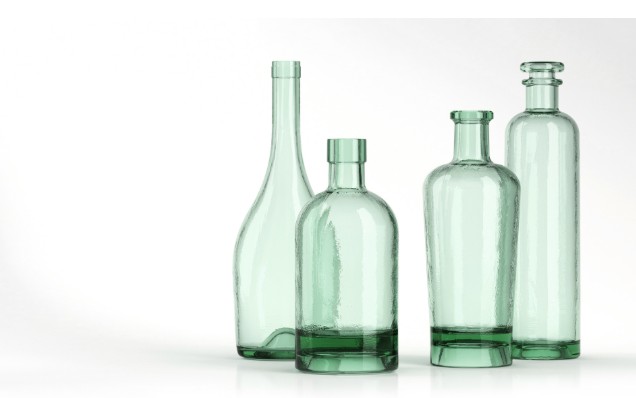
Estal’s Wild Glass collection

The art of crafting the perfect bottle can elevate a brand to new heights. In the competitive world of wine and spirits, packaging plays a pivotal role in capturing consumer attention and conveying brand identity. This is where the expertise and innovation of Global Package and the leading-edge designs of Estal converge.

Global Package is the preferred distributor for Estal in the US, working together since 2007. Our partnership brings together a wealth of experience in sourcing, supplying, and designing exceptional glass packaging. Together, we offer a comprehensive solution that empowers wine and spirit brands to stand out on the shelves and connect with their audience.

Estal: A Leader in Glass Packaging Innovation

Estal is a global leader in crafting exceptional glass packaging renowned for its commitment to innovation, quality, and sustainability. 

Boasting over 25 years of industry expertise, Estal has honed its craft of design, understanding the unique packaging needs of the wine and spirits market. Their deep-rooted knowledge translates into high-quality, innovative glass bottles that are both visually striking and highly functional.

Their comprehensive suite of packaging solutions includes closures, decorations, and other embellishments. This means they are capable of providing highly customizable glass packaging options.

Global Package: Your Trusted Packaging Partner

Global Package is a leading provider and producer of glass packaging solutions for the wine and spirits industry. With a deep understanding of the market and a commitment to customer satisfaction, we offer a comprehensive range of services to meet your unique needs.

Our expertise lies in sourcing and creating for our clients exceptional glass packaging from renowned manufacturers worldwide and providing innovative custom and exclusive bottle solutions for any brand’s needs. Whether you’re a small boutique winery or a large-scale spirits producer, we have the resources and knowledge to deliver the perfect packaging solution for your brand.

From selecting the ideal glass type to managing the entire supply chain, our dedicated team is committed to exceeding your expectations. We offer a personalized approach, working closely with you to understand your vision and bring it to life.

The Power of Partnership: Global Package and Estal

Our partnership with Estal has only emboldened our position as a leading provider of exceptional glass packaging solutions to the North American market. Our commitment to delivering cutting-edge and innovative packaging options to our clients is exemplified by the fact we are one of a few businesses entrusted to source and supply Estal’s glass bottles. This unique partnership sets us apart as a premier supplier of exceptional glass solutions to the wine and spirits industry.

This powerful partnership combines Global Package’s expertise in sourcing, supply chain management, and customer service with Estal’s design innovation and manufacturing excellence. Together, we deliver comprehensive packaging solutions that elevate your brand and drive business growth.

Doble Alto

Estal’s Doble Alto bottle is a testament to innovative packaging design. Its distinctive double base creates a striking visual impact, elevating the product on the shelf. This unique design not only enhances the product’s aesthetic appeal but also contributes to its shelf presence.

The Doble Alto collection from Estal

Estal has ingeniously achieved a more elegant bottle without compromising on glass consumption, making it an environmentally conscious choice. Despite its unique design, the Doble Alto remains cost-effective to produce, ensuring that brands can benefit from this exceptional packaging without breaking the bank.

The Doble Alto bottle offers a distinctive platform to showcase your wine or spirit. Its combination of style, sustainability, and affordability makes it an ideal choice for brands seeking to stand out in a crowded marketplace.

Case Study – Old Portero

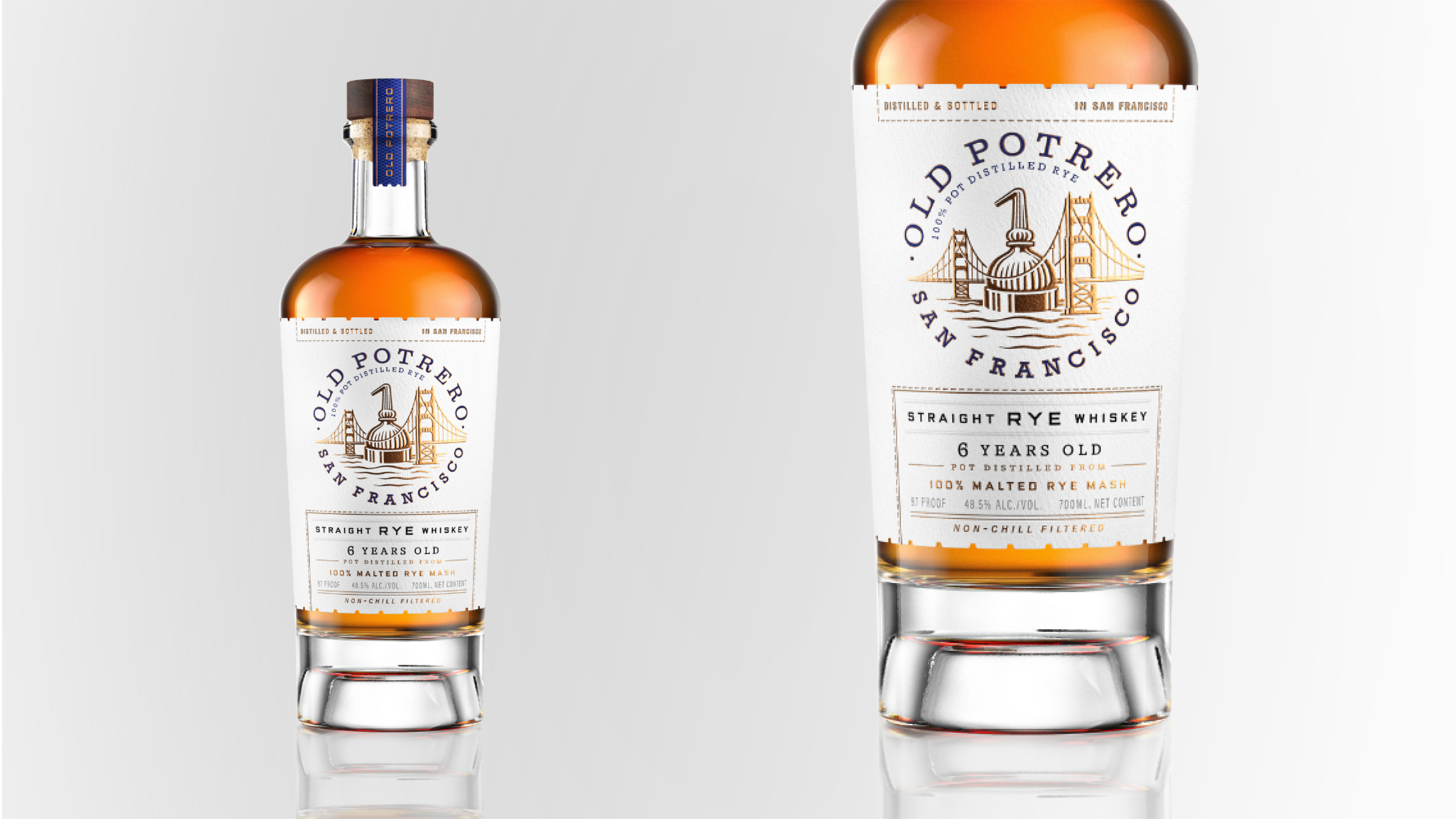
Old Potrero Straight Rye Whisky

Innovative packaging creates distinctive, eye-catching whiskeys.

Old Potero are pioneers in craft whiskey, blending tradition with creativity. Supplied by Global Package, the use of Estal’s Doble Alto Clarior bottle in a unique 700ml capacity embodies Old Potero’s bold, resilient and creative brand identity. 

The Clarior’s elegant form in combination with its unique Doble Alto base impressively elevates the whisky’s packaging, easily standing out on the shelf and effortlessly expressing the sophisticated and innovative spirit of the Old Portero brand.  

Sommelier 

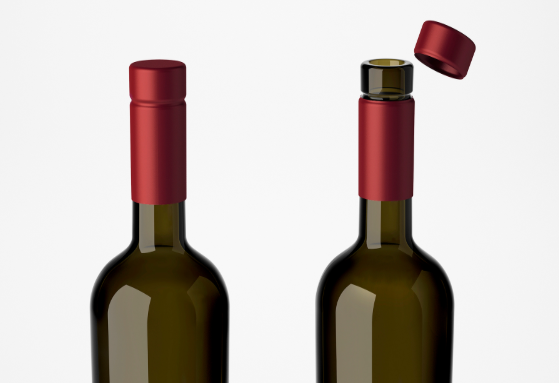
Estal’s Sommelier collection redefines the wine bottle aesthetic with an elegantly simple design, connecting the ring and neck with a subtle groove.

This signature feature creates a visually striking and cohesive look that elevates the bottle’s overall appearance. Beyond its beauty, the Sommelier offers practical advantages, including a refined anti-drip function and a precise capsule removal line.

Moreover, the Sommelier’s versatile neck profile provides ample space for creative label designs both with and without capsules. The unique neck profile allows for direct printing along the majority of its length, creating the opportunity for countless creative and impactful designs.

By combining sleek aesthetics with functional benefits, the Sommelier offers a compelling packaging solution for discerning winemakers.

Case Study – Tarpon Cellars

The right packaging can elevate a brand and enhance the consumer experience.

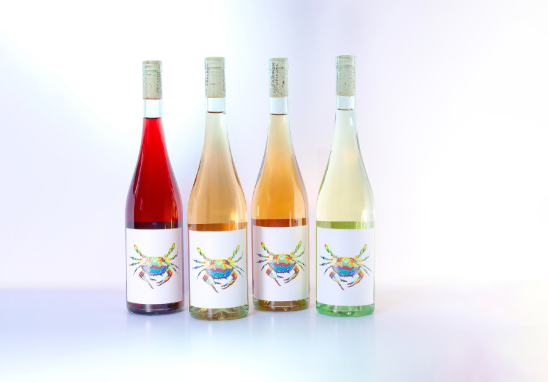
Tarpon Cellars Cambaro embodies a modern, laid-back wine experience. To complement this cool, calm aesthetic, we sourced the BG Essentia from Estal’s Sommelier range. 

The bottle’s sleek, minimalist design, featuring a straight neck and clean lines, effortlessly aligns with Cambaro’s brand identity. The Sommelier’s innovative Track-Ring enhances the bottle’s visual appeal while ensuring a flawless, drip-free pour, perfectly capturing the laid-back wine experience that Tarpon Cellars embodies.

Wild Glass

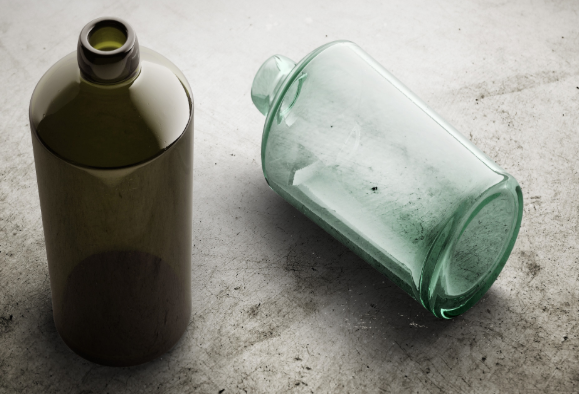
Estal’s Wild Glass range embodies a commitment to sustainability and authenticity. Crafted from 100% post-consumer recycled (PCR) glass, these wine and spirit bottles offer a unique, organic aesthetic with subtle variations in color and texture.

By embracing imperfections, Wild Glass celebrates the circular economy while delivering a visually captivating product. Importantly, Wild Glass maintains the performance standards of traditionally produced glass, ensuring a seamless bottling process without compromising quality or efficiency.

This sustainable choice not only appeals to eco-conscious consumers but also offers brands a distinctive and memorable packaging solution that can be utilized in combination with various Estal ranges.

Case Study – Tarpon Cellars 

The embrace of eco-conscious packaging can enrich a brand’s style and complement the consumers desired experience. 

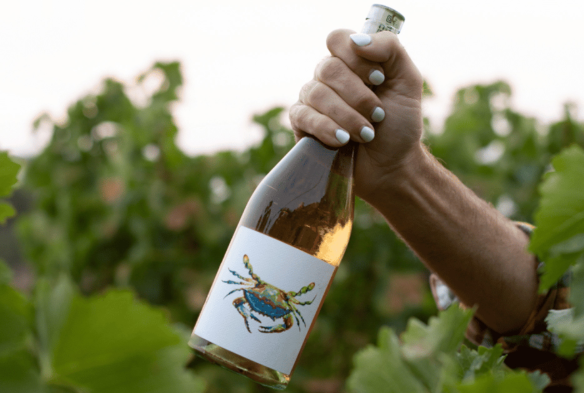
Tarpon Cellars Cambero’s blend of Estal’s Wild Glass with the Sommelier bottle collection encapsulates a distinctive look that sets it apart from others both in its design and consumer experience. A large part of Tarpon Cellars brand is its sustainable approach to preserving the beauty of nature which is harmoniously intertwined with the use of Estal’s Wild Glass.  

The enhancement of the bottle’s appearance through the embracement of Wild Glass’ imperfections perfectly captures the modern and laid-back style of Tarpon Cellars brand. The use of Estal’s Wild Glass provides a unique wine experience that is conscious of consumers’ desires to embrace an eco-friendly lifestyle without compromising on the quality of their wine experience.

The perfect glass bottle is more than just a container; it’s a canvas for your brand story. Our partnership with Estal allows us to offer a diverse range of innovative and sustainable packaging solutions that elevate your product.

From the minimalist elegance of the Sommelier to the sustainable charm of Wild Glass, our collection caters to a variety of brand identities and consumer preferences. Whether you seek a bold statement or a subtle sophistication, we have the ideal glass packaging to complement your vision.

Let Global Package be your partner in crafting a truly exceptional product experience. Fill out our contact form, email us at sales@globalpackage.net, or call us on +1 707 224-5670 to discuss your packaging needs and explore the endless possibilities

00

Global Package custom spirit bottle design for Revivalist Gin

The wine and spirits industry is standing on the precipice of a major design evolution. For years, “premium” was defined by weight, excess, and tradition. For 2026, a new definition of luxury is emerging; one that values intelligence over mass, and tactile storytelling over simple visual appeal.

For brand owners and procurement leaders, staying ahead of these glass packaging trends in 2026 is no longer just about aesthetics; it is a matter of strategic survival. From the rise of “quiet luxury” and right-weighted glass to the complex pressures of global supply chains, the packaging decisions made today will define brand resilience tomorrow.

In this forecast, we explore how sustainable luxury, ergonomic innovation, and smart supply chain strategies are reshaping the premium landscape, and how Global Package provides the specialized glass solutions needed to help you navigate this future.

The State of Glass Packaging for Wine & Spirits

At Global Package, we’ve seen firsthand that glass continues to be the top choice for wine and spirits packaging, underpinned by its functional strength and premium associations. In 2024, glass accounted for roughly 67 percent of the United States wine packaging market, with bottles dominating more than half of total packaging value.

The dominance of glass packaging is driven in part by its ability to protect product integrity. Its impermeability to air and light helps preserve flavor and balance, and its premium aesthetic aligns with consumer expectations for high‑quality wine and spirits.

While alternative formats such as aluminum cans, bag‑in‑box and paper bottles are gaining visibility, particularly in sustainability‑focused or value segments, glass maintains superiority in core premium categories. Research on alcoholic beverage packaging further highlights how craft and premium offerings often prioritize glass for its authenticity and design versatility, supporting brand storytelling and differentiation in crowded markets.

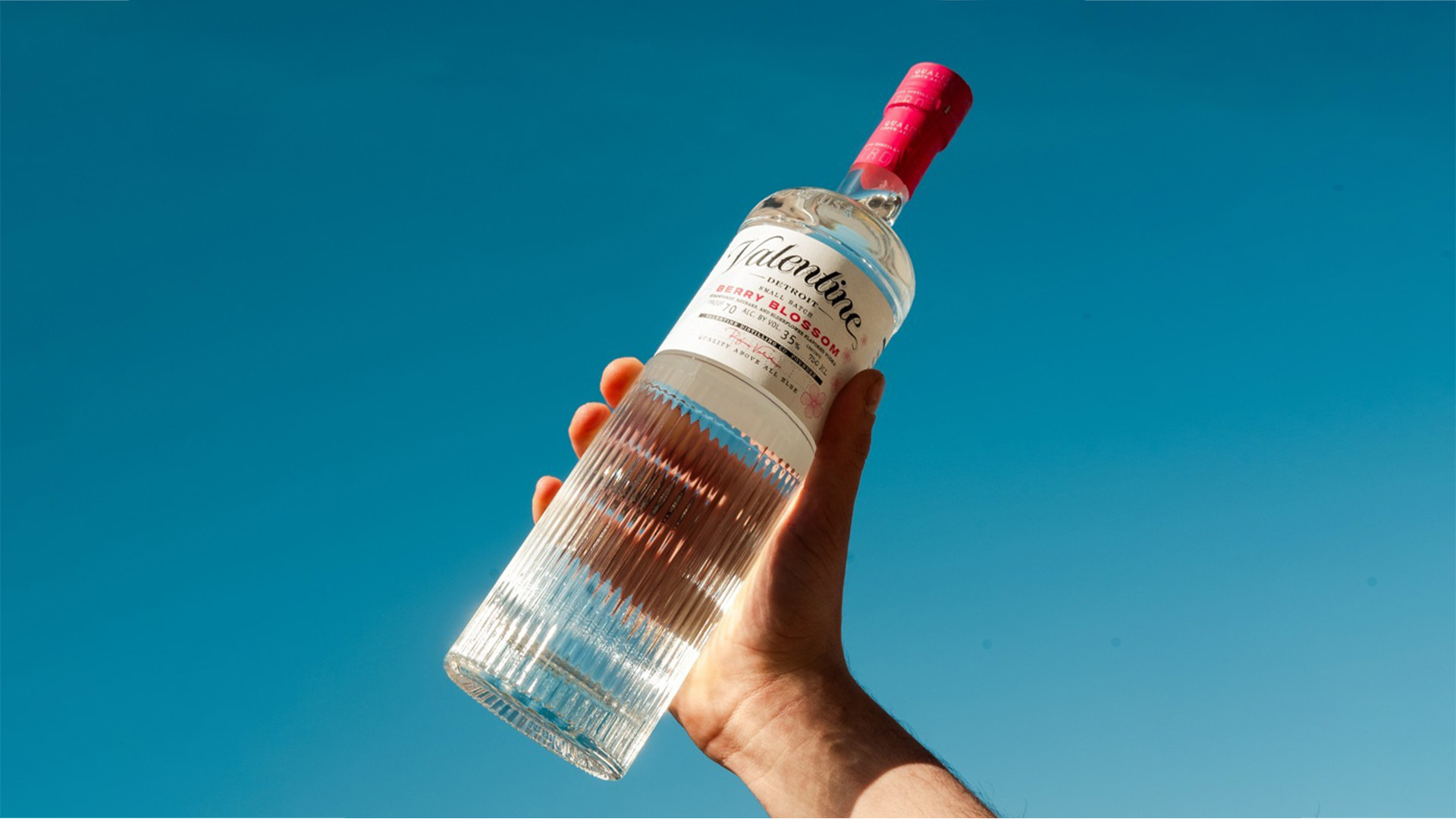
At Global Package, we provide the thoughtful leadership required to help brands navigate these material choices, providing custom glass packaging that transforms a brand’s vision into a tangible reality. We designed the bottles for Valentine Distilling’s vodka range with textured ridges and an elegant taper to create a sleek, light-catching silhouette that feels as refined as the spirit itself. For Tycoon Spirits , we focused on a bold, refined aesthetic, using sharp geometry and frosted textures to create a bottle that commands attention. Similarly, our work on Revivalist Gin highlights how intricate details and graceful forms can honor a craft like pre-Prohibition distilling. Each of these projects illustrates our commitment to moving beyond standard supply to create packaging that is as distinctive and inspiring as the wine or spirit within.

In today’s increasingly competitive and evolving market, the versatility of glass is what allows a brand to tell its story and differentiate itself on a crowded shelf. In 2026, glass remains the central pillar for wine and spirit brands that refuse to compromise on quality.

Valentine Vodka glass packaging from Global Package

Glass Packaging Supply, Availability, & Cost Drivers

Managing costs is an essential baseline, but it is only the starting point for a truly cost effective packaging strategy that balances premium aspirations with market realities. At Global Package, we act as an embedded partner in your decision-making process rather than a transactional vendor. Our expertise lies in balancing your premium aspirations with price discipline, manufacturing constraints, and the hard realities of the market.

Navigating 2026 means managing a convergence of pressures, including raw material scarcity, logistical complexities, and the impact of trade tariffs. We prioritize transparency around these factors to help you build a resilient supply chain that protects both your brand and your bottom line.

Raw Material Scarcity & Cost Pressure

Glass production relies on a handful of critical raw materials, and fluctuations in these inputs ripple through cost structures and supply reliability. High‑purity silica sand forms the backbone of container glass, yet only a small fraction of global reserves meets industrial quality standards, with geographic concentrations that can create bottlenecks when transport or export conditions shift. These supply dynamics contribute to material price volatility and production cost pressure.

Lead Times & Supply Chain Complexity

Lead times for bottle production and delivery remain a strategic consideration. Industry data indicates that the full cycle from raw material sourcing to finished bottle delivery can span several weeks

While logistics and carrier constraints are factors, production scheduling typically dictates the critical path; manufacturing throughput varies significantly between facilities, and domestic glass sourcing does not inherently guarantee the fastest supply. As a result, procurement planning must account for extended timelines, particularly for bespoke or specialized bottles.

Logistics & Fragility Costs

Glass’s physical characteristics add another layer of complexity. Its weight and brittleness increase transport costs and risk of breakage compared with alternative materials. These logistical factors can amplify costs in long‑haul freight and complicate just‑in‑time inventory strategies.

To help brands manage these challenges, Global Package offers the Elegant Light Line, a collection of lighter-weight bottles that maintain premium aesthetics while reducing shipping costs and carbon footprint.

Tariffs & Trade Impacts on Availability

Trade policy has become a significant factor in glass bottle sourcing for 2026, especially for brands reliant on imported containers. Recent U.S. tariff actions, including percentage-based taxes on imports from China, Mexico, and other trading partners, have raised the landed cost of imported glass bottles, prompting many buyers to recalibrate sourcing strategies.

These tariffs do more than just increase costs; they often result in reduced domestic stock availability as demand shifts toward local suppliers, tightening the immediate supply. Global Package leverages decades of established relationships across European, Asian, and domestic markets, allowing brands to pivot their sourcing and find the most favorable landed costs as global trade policies shift.

For deeper context on how tariff volatility can disrupt glass bottle supply and influence sourcing strategies, see Global Package’s strategic response on navigating U.S. tariff volatility.

Estal Wild Glass Speciality Sommelier Collection

Sustainable Packaging Trends

For wine and spirits brands, sustainability is a strategic imperative that shapes packaging investment, brand positioning, and consumer appeal. In glass packaging, this translates to reducing environmental impact while preserving premium quality and elegance.

Lightweighting & Carbon Reduction

Reducing glass weight is one of the most tangible ways to cut carbon emissions and improve supply efficiency. Industry initiatives like the Sustainable Wine Roundtable’s Bottle Weight Accord aim to reduce the average weight of 750 ml still wine bottles to below 420 g by the end of 2026, reflecting the view that lighter bottles help lower emissions without diminishing consumer appeal.

In this context, Global Package’s Elegant Light Line offers a strategic advantage. These bottles combine a sophisticated European‑inspired design with reduced weight, lowering shipping emissions and logistics costs while retaining premium presence on shelf.

Recycled Content & Circular Economy

The use of post-consumer recycled glass significantly reduces energy consumption and emissions during production. Recycled material requires lower melting temperatures, its use decreases the total energy required for each furnace pull. This shift cuts the demand for newly mined resources and reduces the carbon footprint of each bottle, helping brands demonstrate tangible environmental action through truly circular packaging.

Global Package is a proud supplier of Estal’s Wild Glass range, which embodies this principle with bottles crafted from 100 percent post‑consumer recycled glass. Each bottle’s natural variations and aesthetic character celebrate sustainable material use, and retaining structurally sound manufacturing ensures performance equal to traditional glass. This approach aligns with circular economy goals while helping brands communicate a genuine commitment to environmental responsibility.

Broader Industry Movement

In the United States, glass recycling and reuse play an important role in shaping future packaging sustainability. Although recycling rates vary by region, efforts to improve collection infrastructure and increase cullet availability are increasingly central to domestic supply chain resilience.

U.S. recycling initiatives highlight how cullet helps cut energy use and emissions in glass production and supports a more circular packaging system, reinforcing glass’s role in premium wine and spirits packaging.

Why This Matters to Wine & Spirit Brands

Sustainable packaging is now part of strategic brand planning. By embracing lightweight and high‑recycled content options, producers can achieve measurable environmental goals, support premium identity and align with consumer expectations for responsible design. Global Package leads this effort by providing innovative solutions like the lightweight Elegant Light line and the eco-forward Wild Glass collection. These trends are not optional extras; they are essential considerations for brands shaping their positioning and supply choices in 2026 and beyond.

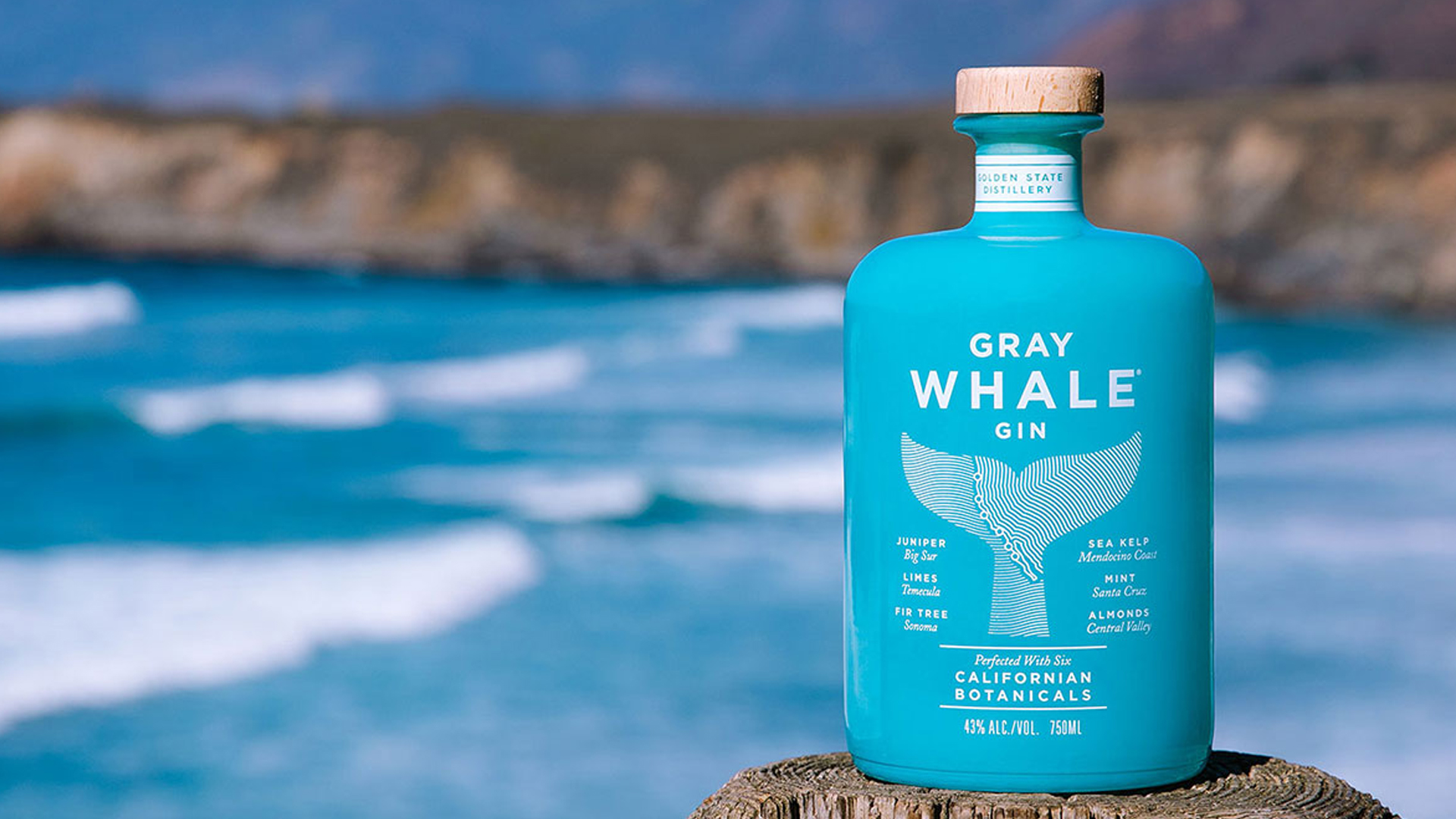
Grey Whale Gin custom glass packaging by Global Package

Design, Premiumization, & Innovation Trends

In the 2026 premium wine and spirits market, packaging is no longer just a container; it is the primary driver of “Quiet Luxury”.

In 2026, the definition of premiumization is shifting. The era of excessive ornamentation is giving way to intelligent design where sustainability, tactility, and accessibility signal value. Buyers are increasingly evaluating packaging not just on shelf presence, but on its ethical footprint and sensory engagement.

At Global Package, we specialize in the creative and custom glass that makes this transition possible. Moving far beyond standard bottle supply, we pride ourselves on being your dedicated problem-solver throughout the entire journey, partnering with you from initial concept and design all the way to final delivery.

The Rise of Lightweight Glass Bottles

For decades, heavy glass was the shorthand for premium quality. In 2026, that equation is being rewritten. Leading market analysts identify “Lightweight Luxury” as a dominant trend for the coming year. High-end brands are pivoting to “right-weighted” glass which uses sophisticated, optimized silhouettes to reduce carbon footprint without sacrificing aesthetic impact.

Tactile Design Trends in Spirits Packaging

As digital purchasing grows, the physical touch of a bottle has become a critical “dopamine” moment for consumers. This has driven a shift toward tactile design that prioritizes texture over traditional graphics. We are seeing a surge in demand for deep embossing and “imperfect” glass finishes that mimic heritage craftsmanship, creating a sensory connection that digital marketing cannot replicate.

Global Package translates these trends into premium reality through specialized customization. Our capabilities in bespoke embossing and unique textures allow brands to create a high-touch experience tailored to their specific identity. Learn more about our Customization Options.

Inclusive Design & Accessible Premium Packaging

Inclusivity is moving from a niche consideration to a central design pillar. The “Universal Design” trend predicted for 2026 focuses on ergonomics to ensure bottles are easier to grip and pour. This also includes high-contrast, legible labeling that serves an aging population while maintaining a minimalist, modern aesthetic. True luxury in 2026 is accessible, ensuring the brand experience is seamless for every consumer.

The Specialty Sommelier range exemplifies inclusive premium design. Its unique neck groove ensures flawless capsule removal and functions as an anti-drip ring for clean, precise pouring, all while maintaining a luxurious silhouette and premium tactile feel. This innovative design makes the bottle both elegant and practical, aligning with modern expectations for accessibility and functionality. Learn more about our Specialty Sommelier range by Estal.

Why it Matters

Design decisions made today will define brand relevance in 2026. By embracing lightweight sculpting, tactile engagement, and inclusive principles, wine and spirits brands can future-proof their identity. Global Package’s expertise lies in translating these high-level trends into tangible execution and transforming technical glass innovations into market-leading brand assets.

Conclusion: Future-Proofing Your Brand for 2026

The trends shaping 2026 offer a clear message: the future of premium packaging lies in the balance between responsibility and desire. The brands that will dominate the shelf are those that can deliver a luxurious tactile experience while navigating the complexities of sustainability and inclusive design.

Whether it is transitioning to sophisticated lightweight glass or engineering a custom mold that tells your unique story, the window to innovate is now. Don’t let your packaging rely on yesterday’s standards.

Ready to take the next step? Reach out for a free consultation or request a custom sample kit today by contacting us at sales@globalpackage.net or +1 707 224-5670.


Follow Us On Instagram

00

Why is wine packaging important?

There are many different practical functions of wine packaging. First and foremost, it protects the wine and acts as a vessel to transport your wine from the winery to the customer. You want to ensure that your wine is of good quality and that the packaging facilitates optimal storage.

Wine packaging also acts as a quality cue for consumers. You want the consumer’s eye and hand to be drawn to the bottle on the shelf, choosing your bottle over your competitors. “Shelf appeal” is one of the most important considerations when choosing packaging for your next project.

5 Ways to Improve Your Wine Packaging

1. Different sized wine bottles

You are most likely familiar with the standard 750mL wine bottle. They are excellent for dinner parties and social gatherings where they can be shared and enjoyed with your friends and family.

However, our society is drinking less – 18% less than in 2004. With many people choosing to drink less, there is a significant market opportunity to bottle your product into a variety of bottle sizes, including a smaller volume vessel and appeal to a new audience. Your consumers can enjoy a glass or two of wine without feeling pressured to open a whole standard sized bottle, which not only keeps the wine fresh, but also encourages consumers to be mindful of their portion sizes. At Global Package, we offer the increasingly popular 375mL and 500mL bottles in a number of our ranges, allowing you to trial smaller wine bottle sizes.


Innovative smaller sized wine bottles for consumers who are drinking less

BG Tradition 375ml Screw Cap

Different sized innovative wine containers to improve packaging

BD Cubana Bordeaux 500ml

2. Alternative containers

When it comes to wine packaging, glass bottles are by far the most common choice. Glass bottles have many benefits, and there is a reason winemakers are continuously choosing glass packaging. It protects the quality of the wine, is sustainable, and enhances the drinking experience.

However, this is not to say that other forms of packaging should be overlooked. For example, some wineries are tapping into canned wine, boxed wine, cartons, and more.

There are many benefits to boxed wine, so there is no surprise that it is a growing trend in the industry. There are environmental benefits to it, as it is a lower energy production than glass. The airtight seal also means that the wine lasts longer than a glass bottle once it is opened, meaning there is no rush to finish it, however it must be said that there is something exceedingly appealing about glass wine bottles.

3. Technology driven labels

There are many ways your brand could leverage the digital age in its wine packaging. It is an innovative and effective way to engage your target audience and improve the appeal of your packaging. <
Using a QR code on the label, you can give your brand an opportunity to inform your customers about the wine, making them more engaged and loyal to your brand. You can present this information in many different and creative ways – it is up to you!

There are other innovative ways to incorporate technology into your labels through near field communication (NFC), augmented reality (AR), and much more recently non-fungible tokens (NFTs).

4. Eco-friendly packaging 

Environmentally-conscious customers prefer brands that are mindful about the environmental impact of their packaging and branding activities. While heavy glass bottles have a luxury appeal to them, there is a trend towards more sustainable packaging. Consumers are increasingly conscious about the carbon footprint and the high energy production of glass and making decisions at the store based on these values. More environmentally responsible wine products can provide your brand with a competitive edge. 

Our Specialty Wild Glass range is made from recycled glass (post-consumer recycled glass) and has a more sustainable manufacturing process. It allows you and your brand to still have the luxury and premium quality cues from a glass bottle, with a sustainable edge.


Innovation Wild Glass from Global Package sustainably produced eco-friendly wine bottles with less environmental impact

5. Highly presentable packaging

Creative packaging designs further contribute to its shelf appeal. Wine labels communicate many things about the wine to its prospective customers – including the variety, the brand, the location, and so much more. A label communicates a brand story, and it is important to have packaging that resonates with the consumer, who increasingly are becoming more interested, knowledgeable and social with their wine experiences.

Why choose Global Package?

At Global Package, we are committed to helping you choose the best packaging for your wine brand. We offer outstanding and innovative packaging solutions for your winery, ensuring your product is packaged the way you want it.

Sustainability at Global Package:  

Global Package maintains long-standing relations with factories around the world, including numerous European partners, providing custom bottles for the premium and ultra-premium markets at very good pricing, as well as stocking a wide selection of domestic bottles. Global Package offers a number of packaging solutions that addresses the needs of the wine and spirits industries, including sustainability.  

Lighter weights, less money spent on glass, less shipping costs, less carbon dioxide produced in manufacturing, due to recycled glass and lowered glass weight per bottle. Glass bottle packaging has achieved something no other industry has, affordable methods to combat climate change without hurting the market, and Global Package is at the forefront of eco-friendly, sustainable glass packaging. 

We have a comprehensive portfolio of sustainable wine and spirits packaging so we can meet both your budget and expectations. Located conveniently in California, United States, with warehouses across the States and the globe, we assist both local and international brands. Get in touch with our experienced team for your next packaging project.  


00

Sustainability has become a core focus across every industry sector lately, but, as lovers of the traditional, the wine and spirit industries are behind the curve on implementing sustainable glass packaging.

According to the IWSR, 48% of American alcohol drinkers say that a company’s sustainability or environmental initiatives positively influences their purchasing decisions. Furthermore, according to a report by the global decision intelligence company, Morning Consult, 7 in 10 American adults would consider purchasing from a food and beverage brand that prioritizes sustainability, the highest share across all industries.

In the face of ongoing environmental concerns, a growing number of media stories have cited the need for our industry to find a more sustainable package solution. And the call is validated by consumer demands. We are seeing the emergence of a new category of wine consumer: the environmentally-conscious consumer, who is choosing wines and spirits based on the sustainability of the packaging, among other environmental cues. 

Consumer demands and the societal importance of saving the environment go hand-in-hand but the benefits in the market definitively outweigh any potential cost-increase in glass. 

Despite the relative importance of sustainability, at least 1 in 4 say they don’t know what makes food and beverage products sustainable, while at least 1 in 5 believe efficient, low-waste packaging makes a product sustainable. 

What makes glass packaging sustainable?

There are many different elements that comprise a sustainable wine or spirit: sustainable agriculture, reducing the carbon footprint, and conserving energy usage throughout your supply chain. But there is another obvious element that goes into creating a truly sustainable product: using a more environmentally-friendly glass packaging. 

According to a California Wine Institute study in 2020, the glass packaging of a wine contributes to over 50% of the entire carbon footprint of a wine product. Of that, nearly a third of the carbon footprint of a bottle of wine is linked to the packaging and shipment of the bottle, and the remaining two thirds is linked to the manufacturing process to craft traditional glass bottles (no recycled glass).

Glass uses high levels of greenhouse gasses in its production, however, it is endlessly recyclable and never compromises in quality no matter how many times it gets recycled. 

On the manufacturing front, it takes 1.18 tons of raw material to produce one ton of glass. Cullet, which is recycled glass, can be added in varying amounts to decrease these raw materials. Recycled cullet is critical to reduce raw material use, pollutants, and even transportation costs. Our Wild Glass™ bottles are comprised of almost 100% cullet recycled glass, thus making them the most sustainable bottles on the market.

Glass weight is a top consideration when it comes to shipping, storing, and displaying wine bottles. Our Elegant Light™ bottles are made with less glass and, thus, are lighter weight, resulting in reductions in carbon emissions and considerable savings in transportation costs. In fact, they are up to 20% less expensive to ship than standard bottles.

In addition, we’ve found that it’s 10 times more efficient to transport products via water than by overland trucking and 17 times more efficient than by airfreight.

Global Package’s Sustainable Collections

Global Package LLC, has a long history of working with glass manufacturing partners around the world who are leading efforts in sustainability. Striving to be among those who led efforts in easing the environmental concerns of our industry, we have developed our own innovations in glass manufacturing.

Global Package is well known for both our distinctive 100% recycled Wild Glass™ bottles sourced from our Spanish supply partner, Estal, and our lighter-weight Elegant Light™ line of bottles, produced exclusively by Global Package.  We also stock bottles locally which reduces the transportation costs and reduces the carbon footprint of the shipping process.

Using recycled materials, lightweight bottles, and having shorter import distances, can all work towards reducing a wine and spirits packaging environmental impact. Our three bottle ranges listed below can achieve all three.

Specialty Wild Glass

The company’s beautiful and sustainable Wild Glass™ line of bottles has become widely popular in the US and international market. 100% of the Wild Glass material is Post Consumer Recycled (PCR) glass or cullet glass and its production method reduces energy use and CO2 emissions.

These bottles are 100% recycled glass bottles that are one-of-a-kind, since slight imperfections in the natural formation of the glass are allowed to remain, while retaining all the manufacturing positives of automated glass, much like organic handmade art.

This results in fewer discards (from 25% to 10%), since the cosmetic (aesthetic) defects are accepted as part of the organic beauty of the glass, so less glass is wasted. All Wild Glass bottles retain the manufacturing standard and structurally soundness of traditional bottles yet, no bottles are discarded for having aesthetic defects. This means that bottles that would usually be classified as rejects, are used and celebrated. This efficiency creates a more sustainable supply chain.

Estal, Global Package’s Spanish supply partner, is a leader in innovative bottle design and sustainable wine glass production. We helped introduce Estal’s Wild Glass line of 100% sustainable “real cycled” glass bottles to the North American market a few years ago. 

Explore our collection of Wild Glass by Estal today. 


Global Package’s Elegant Light Line and Wild Glass glass bottle ranges are made with reduced or recycled glass. Find sustainable wine and spirit packaging options at Global Package

Elegant Light Line 

Addressing environmental concerns, Global Package has in stock the full line of Elegant Light™ bottles, lighter weight bottles that result in more economical and ecological shipping, and which come in the full range of classical shapes and colors. 

Our Elegant Light Line™ collection includes bottles for both wine and spirits, and were created to be both functional and beautiful. The innovative bottle design is lighter than a standard glass bottle, without compromising the integrity and intrinsic elegance of traditional glass bottles. The range is influenced by European design, while harnessing intelligent and innovative design of manufacturing lightweight bottles. 

Pictured below is our BG SM Essentia. Explore our Elegant Light Line™ collection for wine here, and for spirits here

Global Package Elegant Light Line Collection. BM SM Essentia

Local Stock Bottles 

At Global Package, we have local stock bottles held across our extensive network of warehouses in California, Oregon, and North Carolina. This gives you easy access to our attractive range of wine and spirit bottles, with ample quantities available to suit your particular needs. 

We hold a large variety of domestic bottles, which limits the freight distance, thus limits the carbon footprint attached to the bottles. 

Our Cassiope design for spirits is pictured below. Read more about our local stock collection for wines and spirits

Global Package's Cassiope Spirits Bottle held in local stock in California

The Estal Corkcoal 

We partner with Spanish company Estal, who are leaders in innovation and sustainability. Estal have recently launched the Corkcoal – a cork mixed with activated charcoal, utilizing two materials from natural and renewable sources. 

Searching for the most sustainable stopper for spirit bottles, Estal innovated including activated charcoal, which naturally neutralizes the undesirable substances in cork.

Key sustainability benefits to this closure include decreased waste, reduced carbon footprint and the production of the closure requires fewer washes and no chemical bleaches. 

Beyond the positive environmental impact, this also has significant functional benefits to your spirits. It eliminates TCA from the cork, which traps and neutralizes it completely. This is an unprecedented achievement. 

Read more about the Corkcoal from our supplier, Estal. 

Global Package, with partner Estal, offer Corkcoal, a sustainable stopper for spirits.

What is PCR Glass?

PCR, which stands for post-consumer recycled content, means it is reclaimed from the end-user then crushed, melted down and used again. (Other recycled content in glass comes from broken or reclaimed scrap within the glass manufacturing process itself.)

The glass recycling cycle can be repeated endlessly without damage to the end product. That makes glass a so-called permanent material, unlike plastic whose recycle life has limitations.

Post-consumer recycled or PCR glass is made from cullet, which is the powder resulting from crushed glass collected in recycling programs. Cullet gets mixed with the raw materials of glass (silica sand, sodium carbonate, calcium oxide derived from limestone, and lesser amounts of other minerals) in varying percentages, which then is melted and molded into new products.

The higher the percentage of PCR glass, the greater the reduction of environmental impact. An analysis by FEVE, the European Container Glass Federation, found: 

  • 2 tons of raw material are saved for every 1 ton of cullet used to produce glass.
  • Every 10% increase in cullet reduces energy consumption by 2.5%. 
  • Cullet improves glass quality. Melting cullet does not release CO2 or carbon dioxide, thus the glass avoids having bubbles, crystals and streaking associated with high-temperature virgin glass production. 

Global Package offers sustainable glass bottle options to the United States, Canada, and Mexico

What is Greenwashing and Why Should I Be Aware of It? 

There are many gaps to solve in the packaging problem: only 19% of consumers have “a lot” of trust in the industry to do what’s right, and just over a quarter said they don’t know what makes a food or beverage product sustainable. 

Greenwashing is when companies overrepresent the extent that their products, services, or practices are environmentally-friendly, sustainable, or ethical. It results in a false or misleading impression that the consumer has about the company, making the consumer believe the company is environmentally sustainable when they are perhaps not. 

With our product developments and research into environmentally-friendly practices, you can be certain the information is 100% representative of your sustainability efforts.

Sustainability at Global Package: 

Global Package maintains long-standing relations with factories around the world, including numerous European partners, providing custom bottles for the premium and ultra-premium markets at very good pricing, as well as stocking a wide selection of domestic bottles. Global Package offers a number of packaging solutions that addresses the needs of the wine and spirits industries, including sustainability. 

Lighter weights, less money spent on glass, less shipping costs, less carbon dioxide produced in manufacturing, due to recycled glass and lowered glass weight per bottle. Glass bottle packaging has achieved something no other industry has, affordable methods to combat climate change without hurting the market, and Global Package is at the forefront of eco-friendly, sustainable glass packaging.

We have a comprehensive portfolio of sustainable wine and spirits packaging so we can meet both your budget and expectations. Located conveniently in California, United States, with warehouses across the States and the globe, we assist both local and international brands. Get in touch with our experienced team for your next packaging project. 

00

The wine and spirits sustainability trends of 2024

The global shift toward sustainability is palpable across nearly every sector. Within the wine and spirits industries, this movement has gained remarkable traction, driven by consumers’ increasing demand for environmentally responsible products. More pressure for industry to put sustainability at the center of all operations but also provides opportunities for businesses to flourish by staying ahead of the trends in innovative and sustainable advancements. Here are four sustainability trends to keep an eye on:

Regenerative practices for wine and spirits

Recent years have seen a boom in conscious agricultural practices through the philosophy that all aspects of agriculture are connected. This philosophy emphasizes the careful utilization of land management to restore and regenerate the ecosystems and land we use, leaving it in better health for future generations. 

Regenerative principles are a push back against traditional industrial agriculture practices which are responsible for almost one third of the world’s carbon emissions. Regenerative practices promote climate resilience, ecosystem preservation, soil regeneration, and more. But it goes beyond climate impact, having personal and regional economic, community, and mental health benefits as well. 

The wine industry has begun paving the way for establishing regenerative principles, labeled regenerative viticulture, and are reaping the benefits alongside growing consumer awareness and support for the move. Wineries are able to show a genuine commitment to putting the planet and people at the forefront of operations. But the principles can be applied to all forms of agriculture, and it is only a matter of time before regenerative practices become commonplace within the spirits industry as well.

Carbon offset vs reduction in the wine and spirit industry

It’s out with carbon offsetting and in with carbon reduction measures for 2024. Credit and offsetting of a company’s carbon emissions has been considered a simple solution to a complex issue for decades. But experts suggest that this isn’t enough to curb the environmental impacts. 

Attitudes towards credits and offsetting have begun to change as they are seen as a way for companies to deflect any impactful behavioral changes towards reducing their carbon footprints. Offsetting carbon emissions should only be considered a last resort and cannot replace tangible efforts to reduce carbon emissions towards net zero. 

An organization’s carbon footprint can be reduced through the careful consideration of all areas of operation that contribute to the production and distribution of the product. At Global Package, we considered the environmental impact of our products and have measures in place to reduce the carbon footprint of our customers. We hold a large variety of domestic bottles within our expansive network of warehouses in California, Oregon, and North Carolina, which limits the freight distance, thus limiting the carbon footprint attached to the bottles. This gives you easy access to our attractive range of wine and spirit bottles, with ample quantities available to suit your particular needs, without the extra carbon attached.

Read more about our collection of locally stocked wine and spirit bottles. 

Lightweight glass bottles for wines and spirits

One method gaining momentum in the effort to reduce carbon emissions within the wine and spirit industry is the adoption of lighter-weight bottles. This approach not only offers a reduction in transportation costs, but also significantly contributes to reducing the carbon footprint associated with transport of wine and spirit packaging. By utilizing lighter-weight bottles, businesses can effectively decrease the energy required for transportation, thereby lowering greenhouse gas emissions generated during shipping.

Global Package offers a stylish line of Elegant Light bottles. These bottles are specifically designed to be lighter in weight, resulting in both more economical and ecological shipping practices. Available in a variety of classical shapes and colors, our Elegant Light collection includes options for both wine and spirits. Despite their reduced weight, these bottles maintain the integrity and timeless elegance of traditional glass bottles. Through innovative design and materials, our Elegant Light bottles represent a sustainable solution for packaging needs in the wine and spirits industry, aligning with the overarching goal of reducing carbon emissions and promoting environmental stewardship.

Read more about our Elegant Light Line of wine and spirit bottles. 

Wine and spirit climate regulations and reporting

Governments around the world have begun considering and implementing mandatory climate reporting for business. This will increase the transparency and visibility of the impact organizations are having on the planet and will have serious implications for how an organization is viewed by the public. It is a step towards eliminating greenwashing and provides opportunities for organizations who have sustainable practices at the core of their operations to leverage their positive impact.

Global Package LLC, has a long history of working with glass manufacturing partners around the world who are leading efforts in sustainability. Striving to be among those who led efforts in easing the environmental concerns of our industry, we have developed our own innovations in glass manufacturing to aid in the reduction of our clients impact on the environment.

Read more about our sustainable wine and spirit packaging.

Sustainable packaging for wines and spirits

Sustainable glass packaging manufacturing

Sustainable manufacturing for glass packaging plays a crucial role in the overall sustainability efforts of the wine and spirits industry. While agricultural practices certainly have a significant impact on sustainability, it’s essential to recognize that not all resources are renewable or can benefit from regenerative practices.

The standard production of glass requires substantial amounts of raw materials – primarily sand, soda ash, and limestone amounting for 95% of the raw materials used in typical glass production. This reliance on raw materials underscores the importance of incorporating recycled materials into the manufacturing process.

Recycled cullet is a key component in sustainable glass production. For every kilogram of recovered glass used in manufacturing, approximately 1.2 kilograms of virgin raw materials are saved. Moreover, the integration of recycled cullet into the production process yields significant energy and emissions savings. For every 10% of recycled cullet used, there is a 2-3% reduction in energy consumption and a 5% decrease in CO2 emissions. This means that for every six tons of recycled glass utilized, one ton of CO2 emissions is offset, highlighting the environmental benefits of cullet utilization.

At Global Package, sustainability is at the forefront of our manufacturing practices. Our green & antique glass utilizes 90% cullet, while our amber glass incorporates 80% recycled material. Additionally, our flint glass contains 65% cullet, further reducing our reliance on virgin raw materials. Notably, our Wild Glass collection boasts close to 100% cullet content, exemplifying our dedication to sustainable glass packaging manufacturing.

By prioritizing the integration of recycled cullet and embracing sustainable manufacturing practices, the wine and spirits industry can minimize its environmental footprint and contribute to a more sustainable future.

Wine and spirit sustainable packaging

Recycling and waste reduction has been a staple in sustainability efforts for years with packaging reflecting consumers and businesses desire to reduce environmental impact without sacrificing quality. The wine and spirit packaging industry experiences new innovations, technological advances and trends every year.

In 2024, we’re seeing changing perceptions about boxed wine in an effort to use more sustainable materials, and the move to glass bottles that are manufactured from 100% PCR glass. PCR, which stands for post-consumer recycled content, is reclaimed glass from the end-user that has been crushed, melted down and used again. The glass recycling cycle can be repeated endlessly without damage to the end product. That makes glass a so-called permanent material, unlike plastic whose recycle life has limitations.

Global Package’s beautiful and sustainable Wild Glass line of bottles has become widely popular in the US and international market. 100% of the Wild Glass material is PCR glass or cullet glass sourced from recycling programs, and its production method reduces energy use and CO2 emissions.

These bottles are 100% recycled glass bottles that are one-of-a-kind, since slight imperfections in the natural formation of the glass are allowed to remain, while retaining all the manufacturing positives of automated glass, much like organic handmade art. This results in fewer discards (from 25% to 10%), since the cosmetic (aesthetic) defects are accepted as part of the organic beauty of the glass, so less glass is wasted. 

All Wild Glass bottles retain the manufacturing standard and structurally soundness of traditional bottles yet, no bottles are discarded for having aesthetic defects. This means that bottles that would usually be classified as rejects, are used and celebrated. This efficiency creates a more sustainable supply chain. 

Explore our collection of Wild Glass by Estal today. 

At Global Packaging, we aim to provide our customers with the highest level of innovation and sustainability through our wine glass bottles and spirit glass bottles. Using recycled materials, lightweight bottles, and having shorter import distances, can all work towards reducing  wine and spirits packaging environmental impact. 

Explore our glass wine bottle and our glass spirit bottle collections. 

About Global Package 

Global Package supplies high-end glass bottles to the wine and spirits markets across North America. Sourcing bottles from Europe, Asia and domestic markets, Global Package has an esteemed portfolio of bottles and packaging, specializing in sourcing and supplying glass, bottle customization, and specialty sourcing for small to large projects ensuring your product is presented affordably, effectively and professionally. Global Package has strategic alliances with innovative suppliers, designers and marketing collaborators both domestically and internationally, as well as stock across a local network of warehouses ready for dispatch. 

Please contact our team with any queries you may have about our products or services. Fill out our contact form, email us at sales@globalpackage.net, or call us on +1 707 224-5670.

00

A wine bottle is the physical expression of your brand. Over time, customers have learned to associate specific shapes and sizes with quality, heritage, and style, especially when dealing with premium brands. Every element of presentation matters, with the bottle and label working together as the most powerful first impression. Selecting the right pairing is a critical step in positioning a wine effectively.

For smaller or lesser-known wineries, or those from less established regions, design can play an even greater role. A distinctive bottle or striking label may inspire a purchase before the wine is even tasted. Customers often seek out packaging they feel proud to share, whether as a gift, at the table, or as part of their own social identity.

The elements of a product’s design can even potentially influence how much some people enjoy a given drink, and in a way become in and of themselves a part of the overall experience.

In this article, we explore the bottle styles Global Package specializes in, and how the right labels can enhance their impact. Together, these choices can help you align with customer preferences, strengthen perception, and maximize market appeal.

The Influence of Wine Bottles on the Drinking Experience

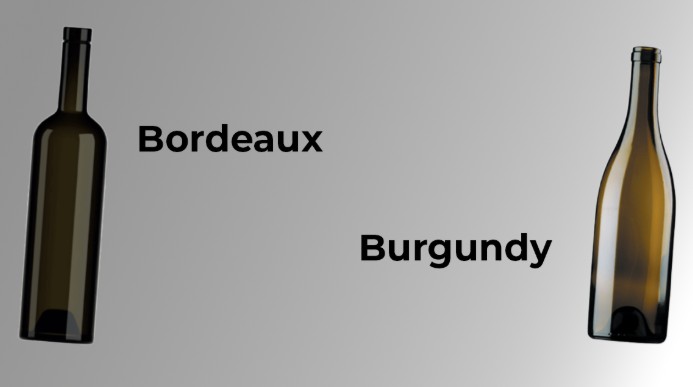
Consumer studies have illustrated just how strongly a wine bottle can shape perception: the same wine, poured from a Bordeaux bottle and a Burgundy bottle, was described by participants as tasting completely different. The Bordeaux was perceived as firmer and more structured, while the Burgundy felt softer and smoother. Bottle shape alone can influence not just perception, but even the experience of taste.

Global Package provides a great variety of shapes and styles of wine bottles, with a range of colors, neck and punt sizes, and capacities, as well as a great range of customization options.  From traditional cork-topped bottles designed with simplicity in mind, to our innovative and sustainable Wild Glass range from Estal, our portfolio gives you an extensive range of high-quality options.

Customization takes this further, enabling brands to create bottles that are truly their own. Global Package offers a wide range of customized options for wine bottles, such as bespoke shapes, distinctive styling, and custom embossing, allowing your product to stand apart and tell its story with precision.

With such a variety available, a central question arises: which bottle best complements the label? The bottle establishes expectations, but it is the label that captures attention and drives the final purchase decision.

Want to know if your current bottle and label combination is helping or hurting your brand? Get in touch with Global Package!

How Labels Enhance A Bottle

Just as important in the packaging design of a product is the label that is attached to the bottle, and this is where a design can either make or break your product’s success. If a label is paired with the wrong bottle (or vice versa), the perception of your brand can take a substantial toll. Just as easily, the right combination of the two elements can allow a customer to become infatuated with your brand’s visual style and take a chance on it.

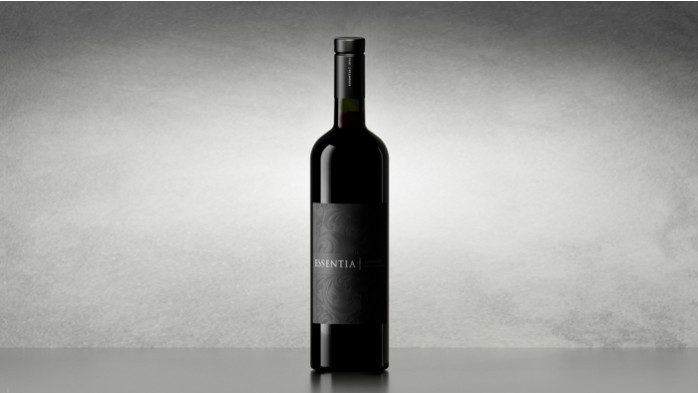
For example, in the case of a Bordeaux bottle like our BD SM Essentia 750mL, a label that is designed to be playful, light and friendly may not be as appropriate a choice as compared to a more striking, dark and dramatic design.

While there are of course going to be some situations where a sense of visual conflict is seen as desirable, for the most part leaning into the inherent visual cues is an advisable strategy.

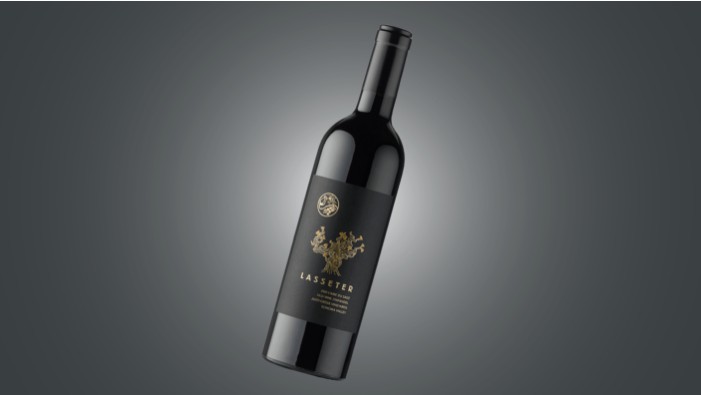
Global Package played a key role in providing the wine bottle for Lasseter Family Winery‘s premium 2021 L’Ame du Sage Zinfandel, aligning with the wine’s exclusive heritage. This luxury Zinfandel, celebrated for its rich and intense character, demanded a bottle that conveyed collectible quality.

Working closely with the winery, Global Package helped select a Bordeaux-style bottle from its Elegant Light Line. A choice distinguished by its substantial weight and deep punt, which immediately signal a structured, age-worthy wine. These features reinforce the perception of excellence that consumers often associate with firmness and high quality.

The dark glass bottle, paired with an elegant matte label and sophisticated gold foil artwork, creates a visual aesthetic that primes the palate, positioning the wine as a high-end, classic selection even before the first pour. This strategic packaging not only elevates the perceived value of the Zinfandel but also underscores Lasseter Family Winery’s commitment to artistry and exceptional winemaking. Through this collaboration, Global Package ensured that the bottle itself became an integral part of the wine’s luxurious identity.

Shapes and Colors

Label design extends beyond graphics and typography. The physical shape of the label itself plays a vital role, especially when paired with color.

Research into consumer responses shows that certain shape–color combinations on wine labels are less polarizing and therefore safer choices. The least decisive, ‘resilient’ color-shape combinations can often be the safest bets in terms of keeping as few customers alienated as possible. These can include rectangular and hexagonal browns, yellows, blacks and greens. Importantly, these combinations are not indicative of consumer preference, but are simply non-divisive between consumers’ opinions.

At the same time, the bottle shape must be considered in harmony with the label. For example, bottles like our SM RH Espiga 750mL, with its elongated silhouette, could be perfectly suited for a label that embraces vertical space in creative and impactful ways, taking full advantage of this exaggerated shape. A standard rectangular label on the other hand might simply make the bottle appear visually disproportionate and consequently less refined.

Bringing It All Together

The ultimate purpose of packaging is to inspire purchase and create anticipation for the wine within. From a young shopper selecting a bottle to share with friends, to a high-end venue curating its list, the right combination of bottle and label directly shapes customer choice and brand perception.

Global Package is here to help you achieve that impact. With our extensive range, expertise, and commitment to innovation, we can guide you in selecting the perfect wine bottle that captures attention and elevates your brand.

Ready to take the next step?

Reach out for a free consultation or request a custom sample kit today by contacting us at sales@globalpackage.net or +1 707 224-5670.

00
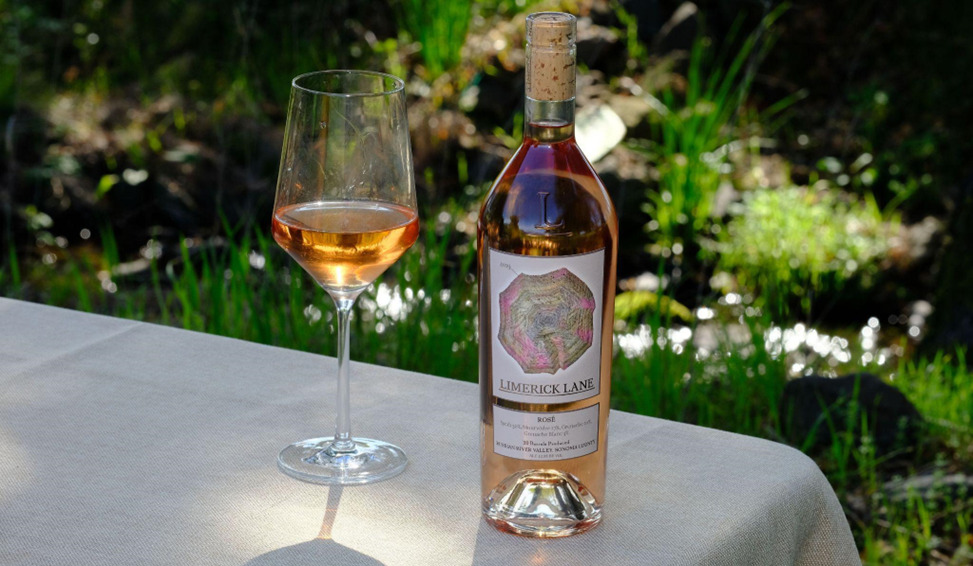
A picture of a half full wine glass with a wine bottle beside it over a table with a white sheet on a garden

Why Is Glass Bottle Packaging Important?

Wine can be packaged in a variety of ways; however, consumers continue to prefer the conventional glass bottle packaging format, which is by far the most popular. Although glass bottle packaging has less flexibility in its ability to capture attention than labels , it can still convey a lot of information to the consumer and increase brand standout in-store.

Purchasing wine is seen as having a high level of risk. People don’t want to risk purchasing wines that result in poor wine quality, financial risk, or social embarrassment. Therefore,  consumers search for information when browsing in-store to lower risk: price, varietal, region, brand/winery, or in-store recommendation.

The majority of people who aren’t particularly interested in wine conduct their informational searching in-store and rely primarily on visual cues. A customer is more likely to buy wine if they recognize the brand name or have already tried it. Factors like brand name, packaging, grape variety, and price are all taken into consideration.

The combination of packaging elements conveys a message. The customer then processes this information, developing their feelings towards it and inferring its meaning; how the packaging performs under this scrutiny is crucial in this situation.

The design and color of the imagery used on wine labels can differ significantly depending on price points and have a big impact on a confused customer in-store.

For instance, cheaper wines typically use illustrative and natural imagery, whereas more expensive wines rely solely on typographic and decorative labels. To further emphasize the idea of a premium brand, high-end wines frequently use the colors black and navy.

White wines often tend to use golden colors, though premium brands also tend to utilize that color scheme primarily. In contrast, lower-priced white wines will use more colors in the spectrum, tending to use bold colors quite frequently, perhaps to appeal to younger women. The treatment and placement of type can also affect how the consumer reacts to the wine.

Can’t I Just Use Whatever Glass Bottle Packaging For My Wine Brand?

Consider the most recognizable wine brands available today. Some of them have histories of a century or longer, such as the well-known Familia Torres with 150 years of winemaking experience.

Obviously, that kind of experience and popularity is pretty hard to beat. This is why, for up-and-coming wine brands, unique packaging, wine bottle design, and labeling are crucial to achieving the most brand standout for your retail wine brand when on shelf. It is critical to the success of the product.

By taking the time to understand what is important to your target audience, and combining that with current trends in wine packaging, you can position your wine brand to outcompete your competitors and establish a strong foothold in the wine industry.

This blog will cover different glass bottle packaging strategies that can help your wine business thrive in a crowded market, as well as emerging wine packaging trends for your consideration.

Positioning Wine Brands for Success: The 3 Deciding Factors

When 19 Crimes started to appear in stores, nobody anticipated that it would become the popular wine brand that it is today. While the wine’s bold, yet velvety, flavor keeps drinkers satisfied and interested, it is the precisely engineered storytelling of its packaging that really gives it a unique personality.

The most well-known wine brands have a story or a sentiment that drives them off the shelves into people’s hands, and it all starts with the glass bottles and their accompanying components. And just like other successful wine brands, you need a packaging strategy.

Take a look at the three practices for packaging that can revitalize your wine brand and make it stand out from the competition.

1. Unique Labeling
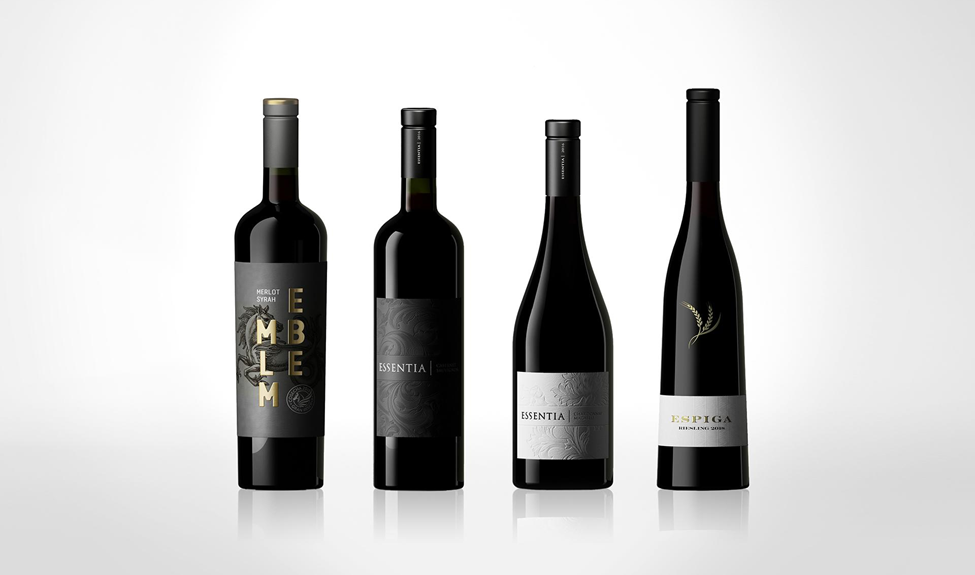
Naturally, you want your wine brand to stand out from your competitors and influence the typical consumer to choose your bottle from the store. That’s obviously easier said than done because there are literally thousands of wine bottles to choose from, and many consumers frequently decide which bottle to pick in only a few seconds; that’s where quality wine labels come in.

A label is the “face” of every wine bottle packaging and serves as more than just a straightforward piece of information. In fact, in supermarkets, it is frequently the only factor on which purchasers base their choice.

Take a look at the most prominent wine brands; one thing they all have in common is a unique label that stands out.

Your label is crucial in creating positive brand connotations, especially if your wine brand is new or unfamiliar to the consumer. Your wine brand’s vibe can be communicated by using the right fonts, colors, and images on the label.

Also, keep in mind the caliber of the label paper you use. There’s a high probability that your wine will eventually wind up in iced wine boxes if it’s best served chilled. As such, an inferior paper will crease or curl, which undermines the “luxury” impression you are trying to portray for a wine customer who has just spent $20 on a bottle, for example.

2. Bottles and Corks That Stand out
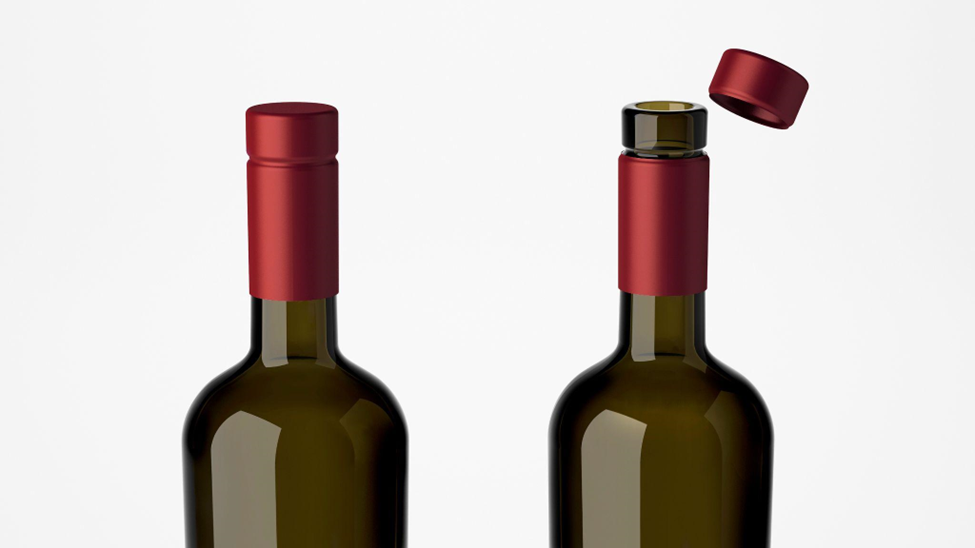
Choosing the size, shape, and color of your bottle is the first step in cementing the brand perception of your wine. After that, you can then create the label. This guarantees that every time a label is applied, it will fit perfectly.

A unique bottle has many benefits. For one, many customers have unintentional associations with bottles and closures, much like they do with labels. A heavier bottle is considered to be more premium in terms of weight, and vice versa. Yet, due to shifting trends towards eco-friendly packaging solutions, lighter glass has gained elevated status.

Worldwide, glass manufacturing produces at least 86 million tonnes of carbon dioxide every year, so the reduction in the amount of glass produced and the reduced shipping weights contribute to lowering the carbon footprint associated with bottling wine. More on eco-friendly packaging later on.

When it comes to champagne bottles, using natural corks typically signifies premium quality wine. On the other hand, screw caps are associated with young, fruity, or fresh wines.

Wines that have matured in oak are excellent candidates for synthetic corks.

3. Unique Brand Story
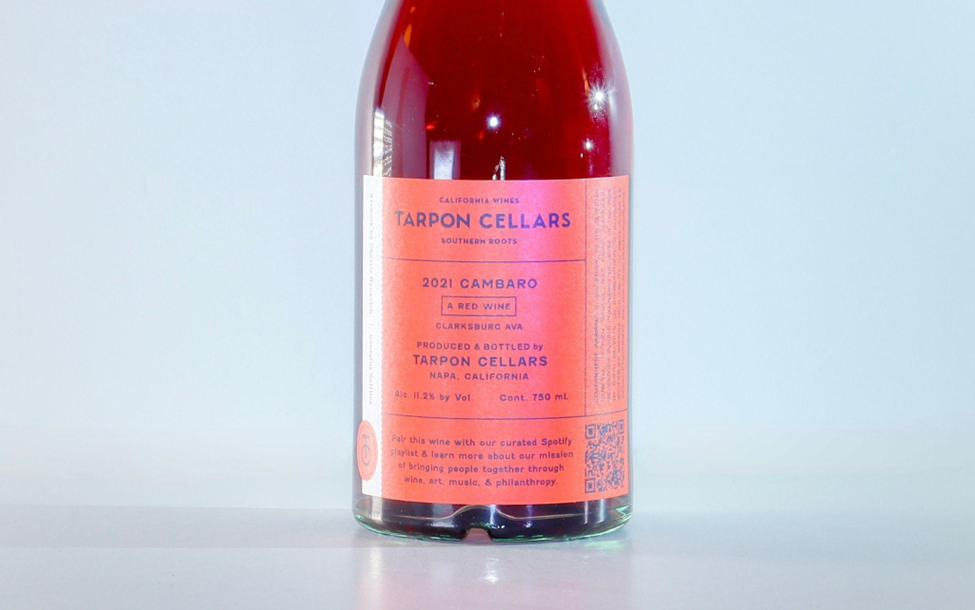
Effective storytelling helps establish an emotional connection that distinguishes one brand from another. It’s a principle that all effective marketing strategies must follow. Make the customer feel as though joining your narrative will improve their quality of life, and they will gladly buy from you.

Why did 19 Crimes garner so much attention and positive press even though it seemed to do everything wrong? It didn’t do anything wrong at all; a great, compelling brand story was composed for it that brings the brand to life.

The characters on the 19 Crimes labels were actually “talking” through augmented reality, telling the story of convicts sent to serve sentences in 19th-century Australian prisons, but who would want to associate with an ex-convict-portraying wine?

Since the label opens a door to a narrative unrelated to wineries, it naturally piques the curiosity of adventurous wine lovers. By breaking from the norm of wine packaging design in a stroke of marketing genius, 19 Crimes was able to increase sales by about 500% in the first 18 months. The brand positioning may seem to you to carry negative connotations, but don’t forget that people love novel ideas, so get innovating!

Every brand, including yours, wants to have this effect while it is on the shelves of a story, so you need to come up with your own unique story—and don’t be afraid to break a few rules while you’re at it.

3 Fantastic Wine Packaging Trends to Help Make a Statement

If you really want to stand out from the crowd, consider adopting one (or a combination of) the following wine packaging trends:

1. Use Unique Bottle Designs

One sure way to blend in is to use the regular bottle designs in the bottling line. You don’t want that. Packaging your wines in uniquely designed bottles makes them stand out immediately because the majority of wines are stored in conventional bottles.

For example, your wines will stand out from the competition when packaged in a whimsically curved or tall, angular container, but the bottom line is to let your wine bottles corroborate your wine brand’s unique story and reflect the essence of the narrative.

2.  Eco-Friendly Packaging

People are becoming more environmentally conscious, which means they are more interested in greener solutions to everyday needs, so we’ve developed eco-friendly products to fit this need. Besides, it’s in all our best interest to save the world as we know it, so why not pack your wine using more environmentally friendly packaging options?

The most common examples of this trend are boxed wines, which have plastic internal liners and recyclable cardboard exterior shells.

3. High-Tech Integration

In today’s technology-driven world, you can use a QR code in the label design of your brand to appeal to a tech-savvy audience. Ingredient list, bottling date, expiration date, and all sorts of intriguing information can all be accessed via a simple QR code.

In fact, 19 Crimes uses augmented reality to tell the 19 unique stories of the ex-convicts depicted on all their bottles, presenting a novelty to wine lovers and making it more fun to drink and share with friends.


Contact Global Package 

Global Package is located in Napa, California and Raleigh, North Carolina. We have an experienced team to provide the best custom bottles sourced from worldwide factories. We also provide stock bottles, custom shippers, glass decoration, pewter labels, and closures for the wine and spirits industry. When it comes to providing custom and specialty bottles and packaging, Global Package leads the way in finding solutions to provide a comprehensive and attractive outcome that sets a brand apart.

Please contact our team with any queries you may have about our products or services. Fill out our contact form, email us at sales@globalpackage.net, or call us on 1 707 224-5670. 
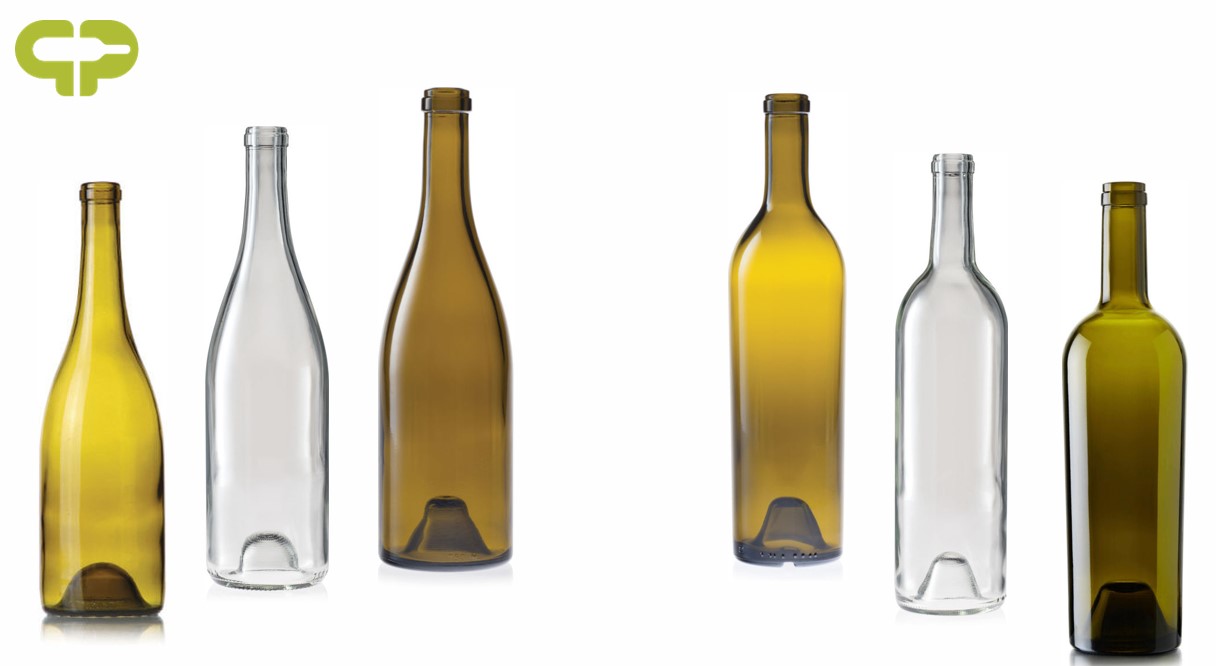
00

Global Package holds ample inventory of wine and spirit bottles in local stock. This provides easy access to an attractive range of stock bottles, which gives you an effective, straightforward and rapid route to market for your brand and project. 

We hold bottles from a range of international suppliers across Europe and Asia, connecting you with the best international innovation in bottle packaging. 

This stock is held in our warehouses in California, Oregon, and North Carolina, covering East Coast and West Coast wineries and distilleries. We can deliver all across North America – to the United States, Canada, and Mexico. We deliver our bottles straight from our warehouse to you. 

We store our glass bottles in a clean, food-safe environment which is industry standard, however, we recommend you sparge or rinse the glass bottles before filling. 

Pictured is the Eco Philos, an example of our Speciality DobleAlto collection from Estal, which we hold some quantities of in local stock.


Image of the specialty DobleAlto glass spirit bottles from Estal that Global Package holds in stock.

What are the benefits of ordering stock bottles? 

Semi-customization 

If you want the convenience of a stock bottle, but the distinction and creativity of a customized bottle, Global Package has the perfect solution. By utilizing external decorations on the bottle, Pewter Labels, or custom closures, you can add a unique and personalized touch to an otherwise standardized spirit or wine bottle. 

Our team is extremely knowledgeable about the extensive variety of products that we have on offer. If you are unsure that a closure or decoration is suitable for your bottle, do not hesitate to reach out and speak to a member of our team. We are well equipped to work with you, and provide bottle and decoration recommendations that align with your project’s goals. 

Global Package are also able to help out with a fully custom bottle project – click here to read more about creating a fully customized bottle mold

Faster shipping times 

As we ship directly from our warehouse to your winery or distillery, ordering from our range of local stock bottles will result in faster freight times than creating custom bottles. Contact our team to discuss your project needs, and together we can determine an estimate for shipping times. 

Sustainability 

We have sustainable options held locally in stock, so we can meet a number of expectations and project requirements. We carry the innovative Wild Glass range from Estal for both wine bottles and spirit bottles

Discover more about Global Package’s sustainability efforts


Image of the sustainable Specialty Wild Glass spirit bottle collection from Estal

How do I order from Global Package’s stock glass range? 

Simply contact our team and we can work through all the requirements for your packaging project together. 

We work with the high-end spirits and wine market, so we know that quantities vary by project, often resulting in smaller volumes, and reduced order quantities. We love creating bottle solutions tailored to your brand, and are excited to be a part of delivering solutions that meet your requirements. 

Similarly, we have no maximum order quantity. Depending on the stock we have on hand, we can accommodate large orders. If you have a large order and are interested in our stock bottles, we recommend you start the conversation as early as possible so we can have a discussion about your expectations. 

Regardless of if your order requirement is big or small, we would encourage you to reach out to us, in order for our team to find the best economies of scale in delivering to your expectations. 

Contact Global Package 

Global Package is located in Napa, California and Raleigh, North Carolina. We have an experienced team to provide the best custom bottles sourced from worldwide factories. We also provide stock bottles, custom shippers, glass decoration, pewter labels, and closures for the wine and spirits industry. When it comes to providing custom and specialty bottles and packaging, Global Package leads the way in finding solutions to provide a comprehensive and attractive outcome that sets a brand apart.

Please contact our team with any queries you may have about our products or services. Fill out our contact form, email us at sales@globalpackage.net, or call us on  +1 707 224-5670. 


00