
Thiamine, also known as vitamin B1, is an essential micronutrient for yeast metabolism. The thiamine content typically found in grapes ranges from 80 µg/L to 1.2 mg/L. Although most yeasts, including Saccharomyces cerevisiae, can synthesise thiamine, they prefer to absorb it from grape must. This preference conserves energy, which can be used for cell growth and the production of vital fermentation metabolites. In fact, yeasts can absorb all available thiamine in the must within the first six hours after inoculation. A thiamine deficiency in the must can have practical consequences, such as sluggish or stuck fermentations and an altered aromatic balance.

Thiamine’s role in yeast metabolism and fermentation
Thiamine and its biologically active forms serve as cofactors in central carbon metabolism (sugar breakdown). Without thiamine, several enzymes cannot function, risking incomplete fermentation. Thiamine also exhibits antioxidant activity, protecting yeasts from free-radical damage under stressful conditions. Besides its role in fermentation efficiency, thiamine can also indirectly impact wine aroma. It helps break down amino acids, leading to the formation of aromatic compounds such as esters and higher alcohols. When thiamine levels are too low, yeasts tend to produce more undesirable fatty acids such as isovaleric and butyric acid, leading to unpleasant odours.
Causes and impacts of a thiamine deficiency
Several factors can deplete thiamine before or during fermentation. Fungal infections, such as Botrytis cinerea, reduce the thiamine content even before harvest. Indigenous microflora present in the must can consume significant amounts of thiamine. High SO2 additions at the crusher can also chemically degrade some thiamine. During thiamine deficiency, metabolic pathway bottlenecks occur, leading to the accumulation of intermediary metabolites. Some of these metabolites are known to bind sulfur dioxide (SO2). This poses a potential problem in the finished wine because SO2 additions to achieve sufficient free SO2 for preservation might increase total SO2 levels beyond the legal threshold.
Overcoming the thiamine deficiency
Historically, thiamine supplementation was developed especially for noble rot sweet wines. In addition to being a growth factor for yeast, thiamine promotes the decarboxylation of ketonic acids. This way, it helps to limit the SO2 combination rate. Today, thiamine supplementation is a standard practice in winemaking. Yeast nutrients containing thiamine hydrochloride are recommended to be added at the beginning of alcoholic fermentation to maximise their efficiency.
LAFFORT® nutrients containing extra thiamine include:
- NUTRISTART™ (organic nitrogen + DAP + thiamine)
- THIAZOTE™ (ammonium sulfate + thiamine)
- THIAZOTE™ PH (DAP + thiamine)
To calculate how much nutrients to add, refer to our Nutrition Decision-Making Tool.
References
- Evers MS, Roullier-Gall C, Morge C, Gobert A, Alexandre H. Vitamins in wine: which, what for, and how much?Compr Rev Food Sci Food Saf. 2021;20:2991-3035.
- Labuschagne P, Divol B. Thiamine: a key nutrient for yeasts during wine alcoholic fermentation. Appl Microbiol Biotechnol. 2021;105(3):953-973.
- Ribéreau-Gayon P, Dubourdieu D, Donèche B, Lonvaud A. Traité d’œnologie 1- Microbiologie du vin, Vinifications, 1998
Precision Oenology, inspired by nature, innovative and responsible, reflecting the commitment of the women and men of LAFFORT® for 130 years.
 Stop by the LAFFORT USA booth at the Unified Wine and Grape Symposium to meet, reconnect, and talk shop with technical reps from your area and beyond. Discover our latest LAFFORT and sister company innovations. Explore the Almavitis strategy for protecting vineyards from heat stress, and see how Vintessential test kits and analyzers can bring fast, reliable enzymatic testing into your workflow. While you’re here, learn more about our stave-grade oak solutions available through Nobile—and how the right tools, from vineyard to cellar, can help you stay ahead this season.
Laffort USA
Unified Symposium Booth: 232

Maintaining wine balance in a changing climate
Climate change is reshaping the wine industry. In many wine regions, each year seems to set new records for the hottest or driest growing season, followed by the earliest harvest dates yet. Such accelerated ripening is disrupting grape physiology; phenolic and aromatic development fall out of sync, sugar levels soar, and acidity drops away (1). So how can we adapt and build a more resilient wine sector?
The answer to this question is multifaceted. In the vineyards, grape growers are rethinking their management practices, adjusting canopy architecture, introducing shading or optimising irrigation (1,2). Some are reaching for higher altitudes or moving further from the equator in search of cooler conditions (1). Others are trialling alternative heat- and drought-tolerant varieties, from long-forgotten cultivars to newly bred plant material. In the cellars, winemakers may turn to pragmatic solutions such as dilution or blending strategies (3) or ultimately use physical methods to ‘fix’ their wines (2).
In parallel, the use of microbiological tools to improve the balance of wines during alcoholic fermentation (AF), also known as BIOAcidification, is also being explored (2,3). A yeast species of particular interest is Lachancea thermotolerans, as it has the unique ability to produce lactic acid from sugars (4). The use of commercial strains such as ZYMAFLORE™ OMEGA has become common practice to increase acidity and reduce ethanol content of wines.
More recently, yeast breeding techniques have delivered novel Saccharomyces cerevisiae strains capable of preserving or even increasing malic acid levels beyond those initially present in grapes (5). This is particularly important because most S. cerevisiae starters partially consume malic acid during AF. In the new ‘ACIDIC’ strains, malic acid is synthesised from sugars, contributing not only to acidity but also to lower ethanol content in wines. This is the signature trait of ZYMAFLORE™ KLIMA, a new, easily implementable tool for enhancing wine balance (6).
Yeast trial in ripe Sauvignon blanc
The press fraction of a 2024 Napa Valley Sauvignon blanc (sugar 240 g/L, malic acid 2.77 g/L) was divided into two identical tanks (510 gallons / 1930 litres each). The juice was inoculated (250 ppm) with ZYMAFLORE™ VL3 (control) and KLIMA after rehydration with SUPERSTART™ Blanc & Rosé (200 ppm). A complex yeast nutrient (NUTRISTART™) was added at inoculation (30 ppm) and at one-third of AF (530 ppm) to supplement the initial low YAN content (95 ppm). After AF at 15.5°C (60°F), the wines were racked and stabilised with SO2 (50 ppm) ahead of bottling and analysis.
Less alcohol and more acidity with KLIMA
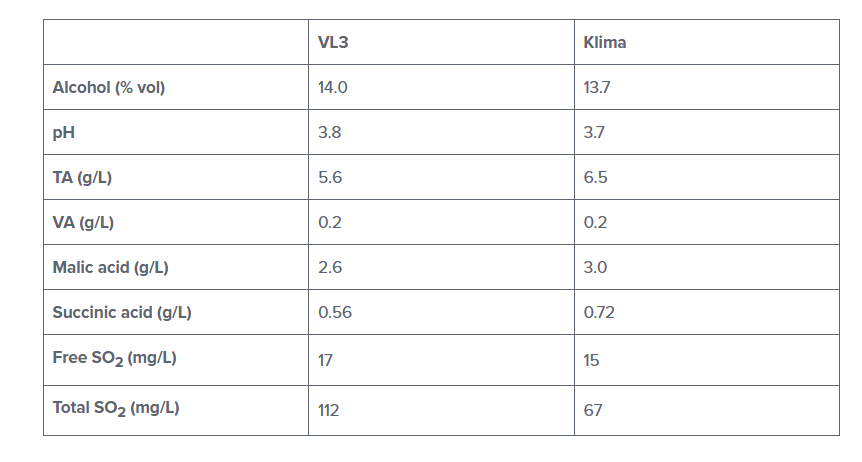
Compared to the VL3 control, representative of ‘classical’ S. cerevisiae wine strains, KLIMA wine contained 0.3 % vol. less alcohol (Table 1). It also showed a lower pH (0.1 unit) and higher TA (0.9 g/L). This was associated with an increase in malic acid, 0.4 g/L more than in VL3, and 0.2 g/L more than in the initial juice. Succinic acid was also slightly higher in KLIMA, as the production of malate and succinate is positively correlated in ‘ACIDIC’ strains (5). Volatile acidity remained similarly low in both wines (0.2 g/L), while lower total SO₂ levels in the KLIMA modality suggest a decreased formation of sulfur-binding compounds by this yeast.
Table 1. Main oenological parameters of dry Sauvignon blanc wines fermented with ZYMAFLORE™ VL3 and ZYMAFLORE™ KLIMA.
What about the aroma profile?
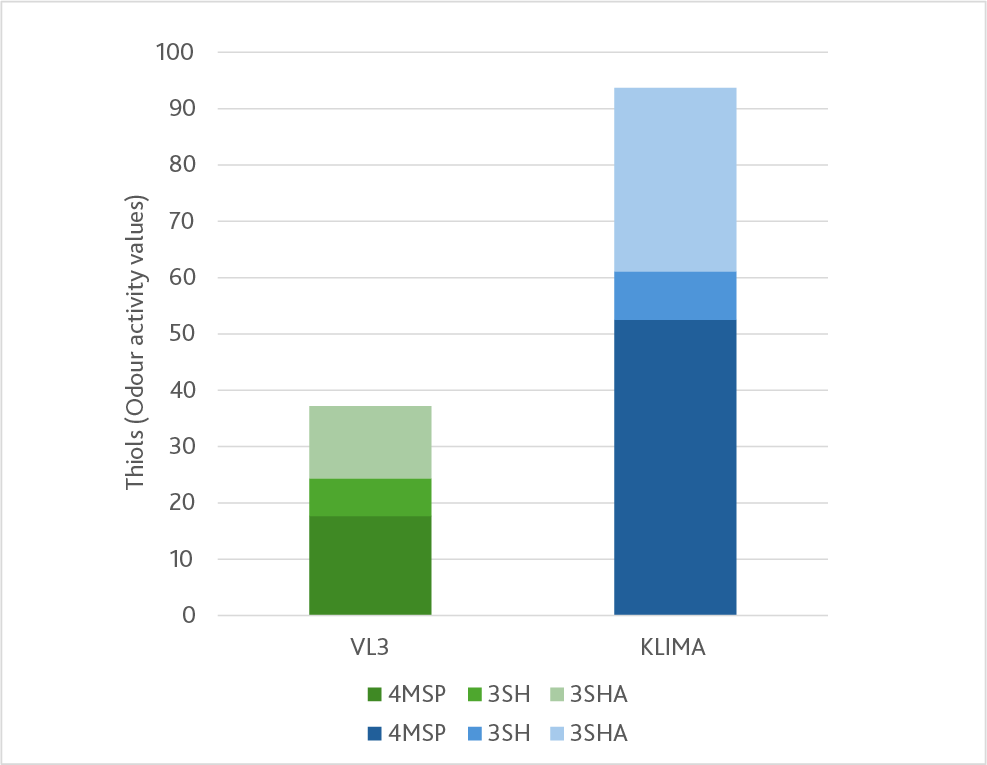
The choice of yeast strain directly influences the production of various aroma-active compounds, including varietal thiols and esters. Varietal thiols, which are grape-derived compounds that largely define Sauvignon blanc aroma profile, are released through yeast activity (7). KLIMA carries gene variants associated with enhanced varietal thiol release during AF, i.e., two functional copies of IRC7 (6). As a result, levels of three key thiols, 4-methyl-4-sulfanylpentan-2-one (4MSP), 3-sulfanylhexan-1-ol (3SH), and 3-sulfanylhexyl acetate (3SHA), were nearly 100 times above their sensory thresholds in the KLIMA wine (Figure 1A). The VL3 control, a widely used Sauvignon blanc yeast, also produced perceivable levels of these thiols, but at lower concentrations than KLIMA.
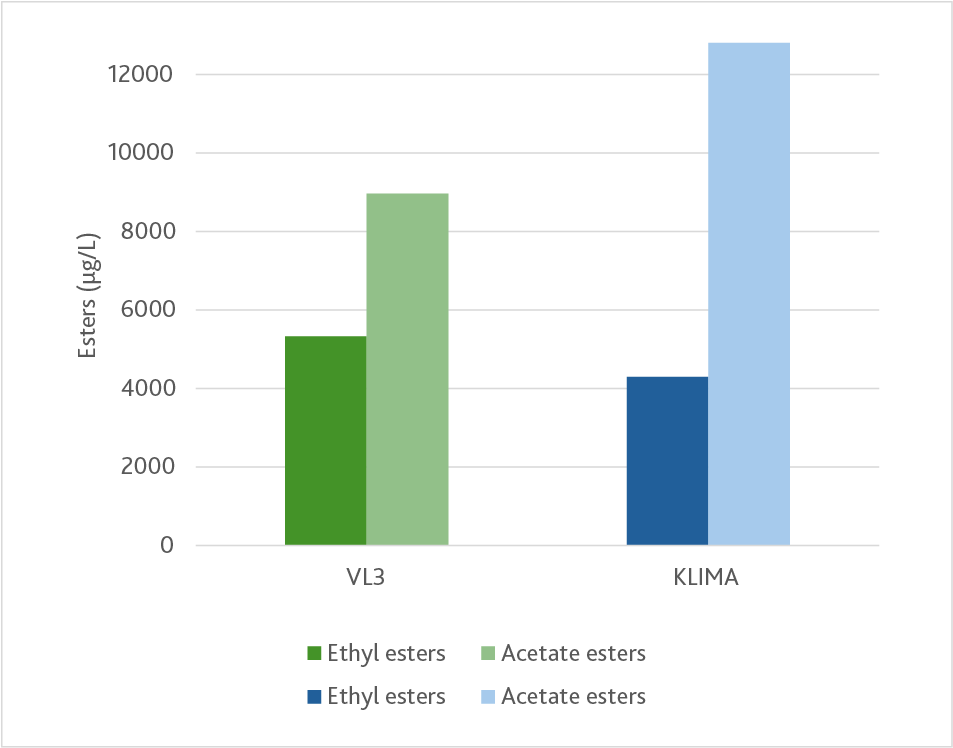
Esters are produced through yeast metabolism, and their concentrations vary depending on the strain and fermentation conditions (7). Two major groups of esters showed distinct patterns in the experimental wines. The ethyl esters of short- and medium-chain fatty acids that impart a ‘fruity’ character were higher in VL3 wine. The acetate esters of higher alcohols, associated with ‘fermentative’ notes, were more abundant in KLIMA wine (Figure 1B), highlighting the unique aromatic signatures of the two yeasts.
 A
A
 B
B
Figure 1: Volatile composition of bottled ZYMAFLORE™ KLIMA and ZYMAFLORE™ VL3 wines. (A) Key thiols (4MSP, 3SH, 3SHA). (B) Esters: ethyl esters (propanoate, butyrate, hexanoate, octanoate, decanoate, dodecanoate, 3-hydroxybutyrate, 2-methylpropanoate, 2-methylbutyrate, 3-methylbutanoate) and acetate esters (isoamyl-, isobutyl-, hexyl-, phenylethyl-).
Sensory profiling by wine professionals
Blind tasting by a large panel is arguably the most compelling way to assess the wine profile. The two wines were therefore presented blind to a group of wine professionals during a winemaking technical seminar (LAFFORT® Rendezvous, USA, 2025) held across three sites in California and Oregon. The attendees were asked to score the intensities of seven preselected sensory descriptors using the TASTEL Web questionnaire.
Responses from 84 participants revealed significant differences (t-test, p<0.05) for three descriptors (Figure 2). The KLIMA wine was rated as more thiolic, acidic and balanced than the VL3 control. For a 14% press juice requiring acidity adjustment, KLIMA proved to be the more suitable yeast choice. In contrast, VL3 is better suited to leaner matrices that benefit from enhanced mouthfeel imparted by this strain.
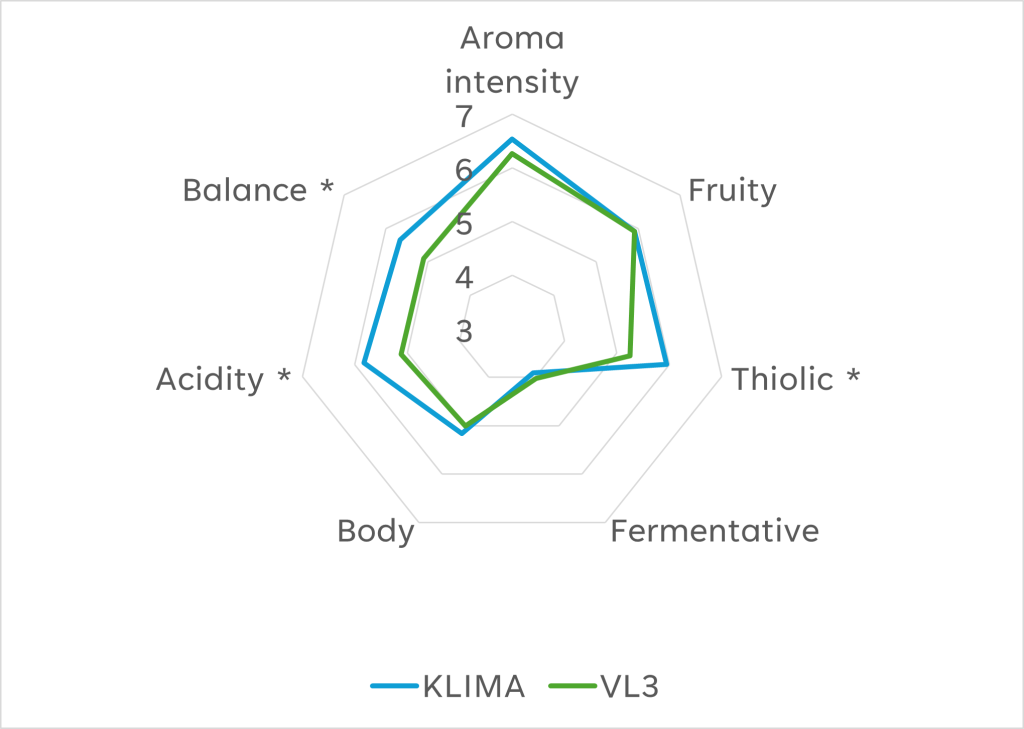
Figure 2: Sensory profiles of ZYMAFLORE™ KLIMA and ZYMAFLORE™ VL3 Sauvignon blanc wines. Mean scores from 84 panellists (1–10 scale); symbol * indicates significant differences (t-test; p < 0.05).
Unique tool for climate-resilient winemaking
This trial illustrates the effects of KLIMA on a white wine from a warm vintage and region, reflecting conditions that are becoming the new norm. The compositional changes are in line with numerous comparative trials, showing that, compared to typical starter cultures, KLIMA consistently produces wine with slightly lower alcohol, higher malic acid post-AF, and/or increased lactic acid post-MLF (Figure 3). These shifts lead to a lower pH (~0.1), higher TA, and less VA (Figure 3).
In addition to reducing exogenous tartaric acid additions, BIOAcidification also helps mitigate calcium instability, which is becoming increasingly common due to climate change. Heat and drought stress promote calcium accumulation in grapes, as calcium plays a key role in the plants’ stress response (8). Higher pH levels in such grapes favour the full dissociation of tartaric acid (T2-), which can bind with calcium to form calcium tartrate (CaT) in wine. Under these conditions, the addition of tartaric acid may further increase the risk of CaT instability.
In addition to its acidifying properties, ZYMAFLORE™ KLIMA’s elegant impact on wine aroma and palate structure makes it a valuable tool for enhancing wine freshness, stability and balance.
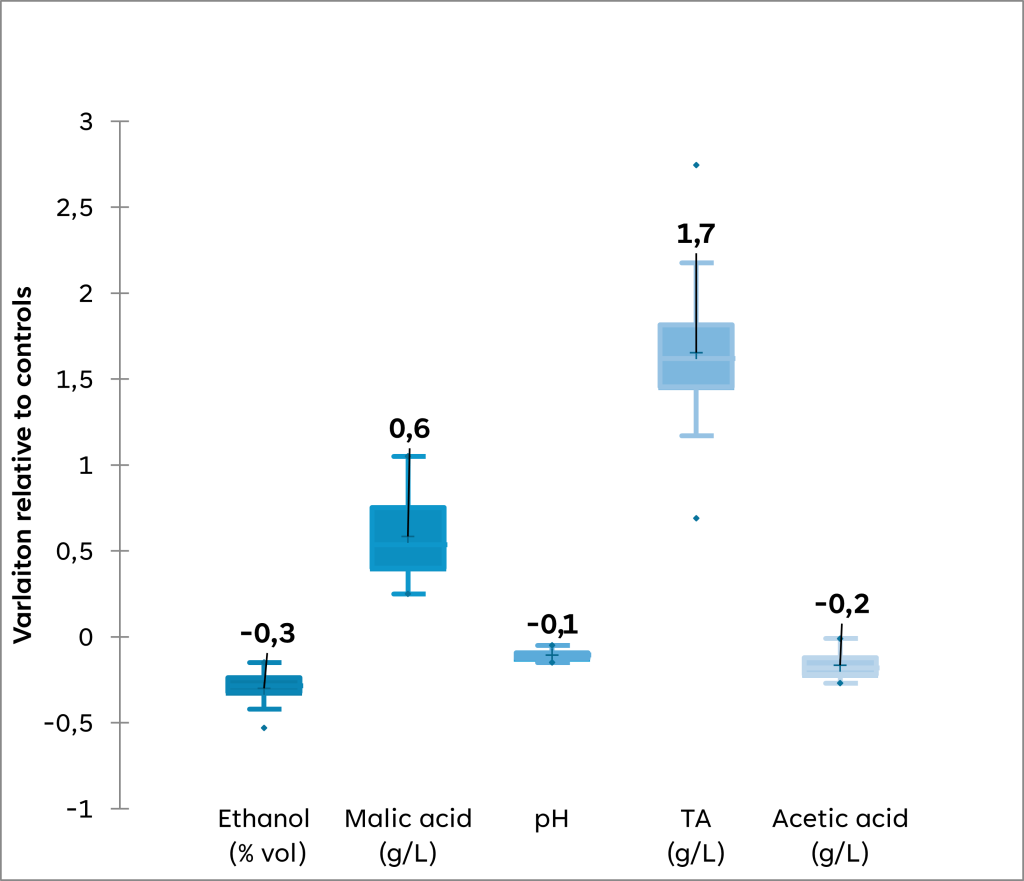
Figure 3: The impact of ZYMAFLORE™ KLIMA on wine analytical parameters compared to control strains. Cumulative data from 20 winery trials (2022–2024) from various winemaking regions (boxplots with highlighted median values).
References
(1) Van Leeuwen, C, Sgubin, G, Bois, B, Ollat, N, Swingedouw, D, Zito, S & Gambetta, GA, 2024. Climate change impacts and adaptations of wine production. Nature Reviews Earth & Environment, 5(4), pp.258-275.
(2) Varela, C, Dry, PR, Kutyna, DR, Francis, IL, Henschke, PA, Curtin, CD & Chambers, PJ, 2015. Strategies for reducing alcohol concentration in wine. Australian Journal of Grape and Wine Research, 21, pp.670-679.
(3) Ristic, R, Schelezki, O & Jeffery, D, 2018. Lowering alcohol: Water into wine: Pre-fermentation strategies for producing lower alcohol wine. Wine & Viticulture Journal, 33(1), pp.26-29.
(4) Hranilovic, A, Gambetta, JM, Schmidtke, L, Boss, PK, Grbin, PR, Masneuf-Pomarede, I, Bely, M., Albertin, W & Jiranek, V, 2018. Oenological traits of Lachancea thermotolerans show signs of domestication and allopatric differentiation. Scientific Reports, 8(1), p.14812.
(5) Vion, C, Yeramian, N, Hranilovic, A, Masneuf-Pomarède, I & Marullo, P, 2024. Influence of yeasts on wine acidity: new insights into Saccharomyces cerevisiae. OENO one, 58(4).
(6) Hranilovic, A, Vion, C, Capitanio, J, Mansour, C, Bernard, M, Muro, M, Marullo, P, Seabrook, A & Coulon, J. New kids on the block: Novel malic acid-producing Saccharomyces cerevisiae starters. AWITC conference 2025
(7) Waterhouse AL, Sacks GL, Jeffery DW. Acids. In: Understanding Wine Chemistry. Wiley Blackwell; 2016:19–33. doi:10.1002/9781118730720
(8) Fioschi G, Prezioso I, Sanarica L, Pagano R, Bettini S, Paradiso VM., 2024. Carrageenan as possible stabilizer of calcium tartrate in wine. Food Hydrocoll. 157:110403.
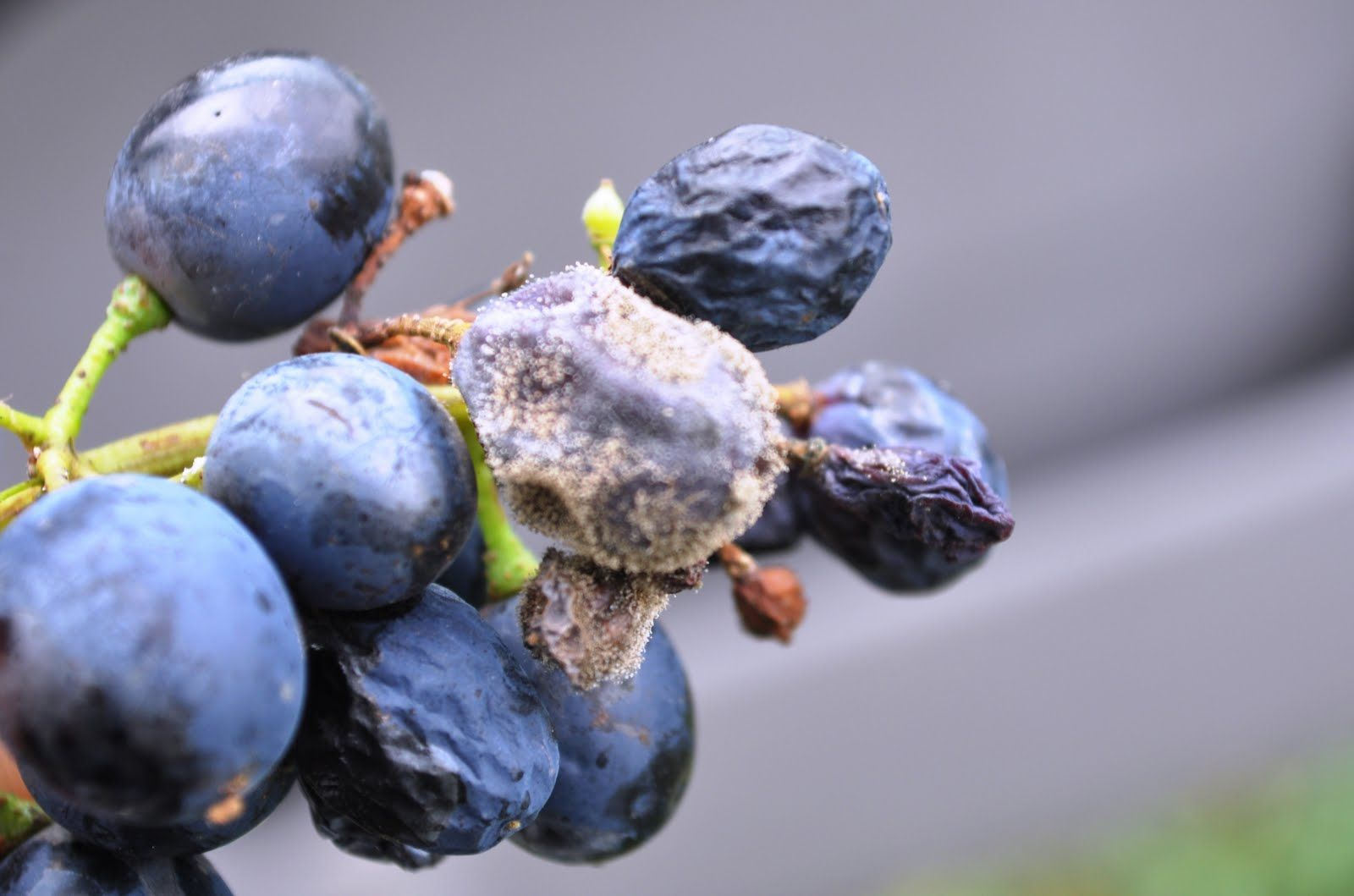
Myriad challenges keep winemakers up at night. Don't let rot-affected fruit be one of them.
While daunting, rot doesn't have to define your wine. With proactive management and LAFFORT's targeted Rot Protocol, you can protect your wine's quality from vineyard to bottle.
Our targeted approach:
- Vineyard/Crush: Bioprotection with EGIDE to safeguard fruit quality.
- Fermentation: Protective tannins & enzymes for clean extraction.
- Aging: EXTRALYSE to break down glucans for stability and clarity.
Rot is a challenge, but it doesn't have to be a deal-breaker. Let's discuss a strategy for your cellar.
We love the Midwest winemaking community! This past summer Laffort® USA have been lucky enough to visit and share information about our innovations with talented winemakers from Wisconsin to Illinois to Indiana to Michigan. We've tasted fantastic expressions of everything from Seyval Blanc to Cabernet Franc. And did we mention the ciders, fruit wines, and canned cocktails? The beverage scene in the Midwest is such a dream.
Here's wishing all our winemaking friends in the Midwest a fantastic harvest! We’re proud to support your work to produce the best wines possible. Here’s to continued innovation, collaboration, and raising a glass together in the heart of the Midwest!
Special shout outs to Wollersheim Winery and Distillery, Butler Winery and Vineyards, and Lake Michigan College's Wine & Viticulture Program! Thank you all so much for hosting us!
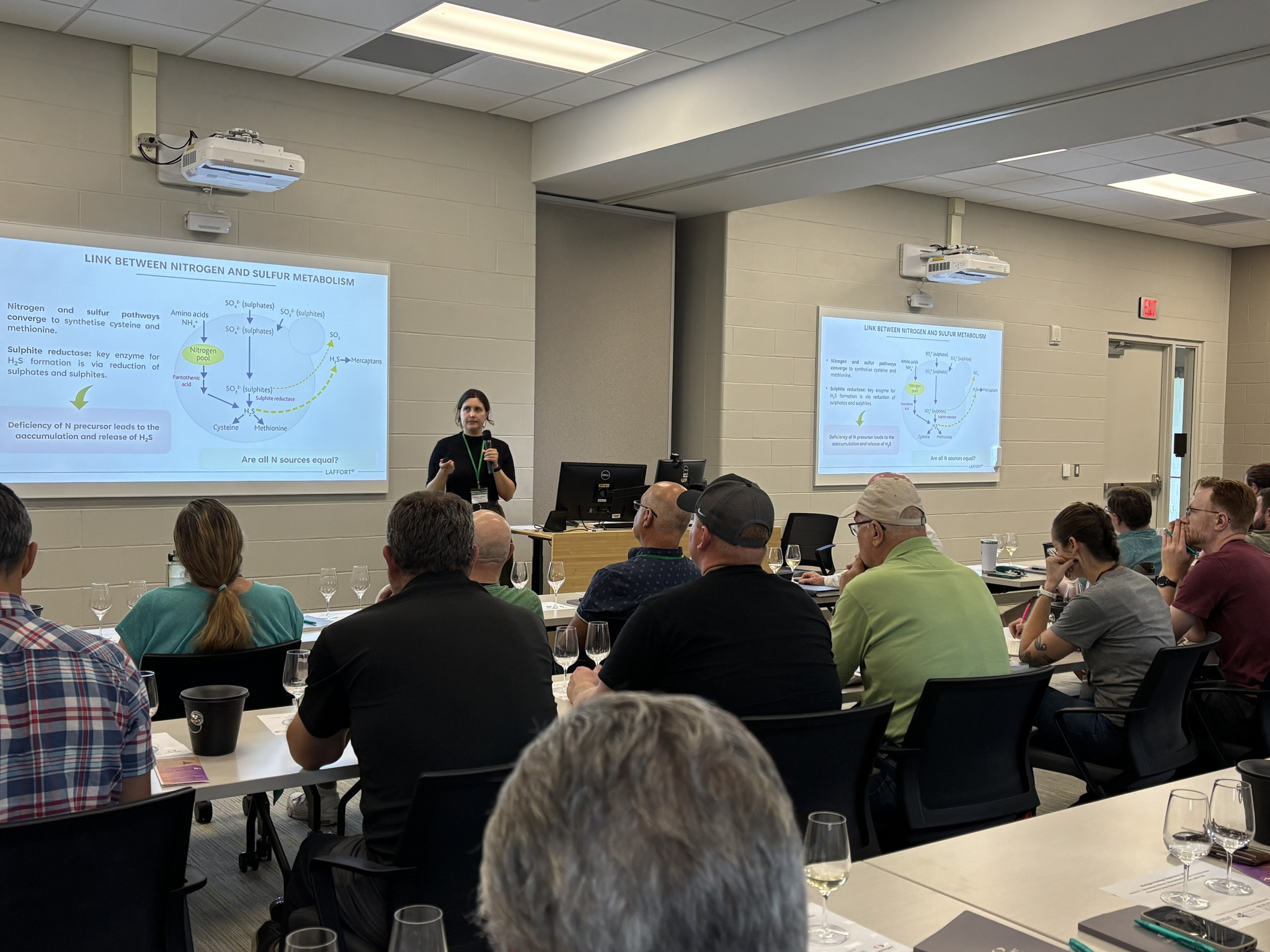
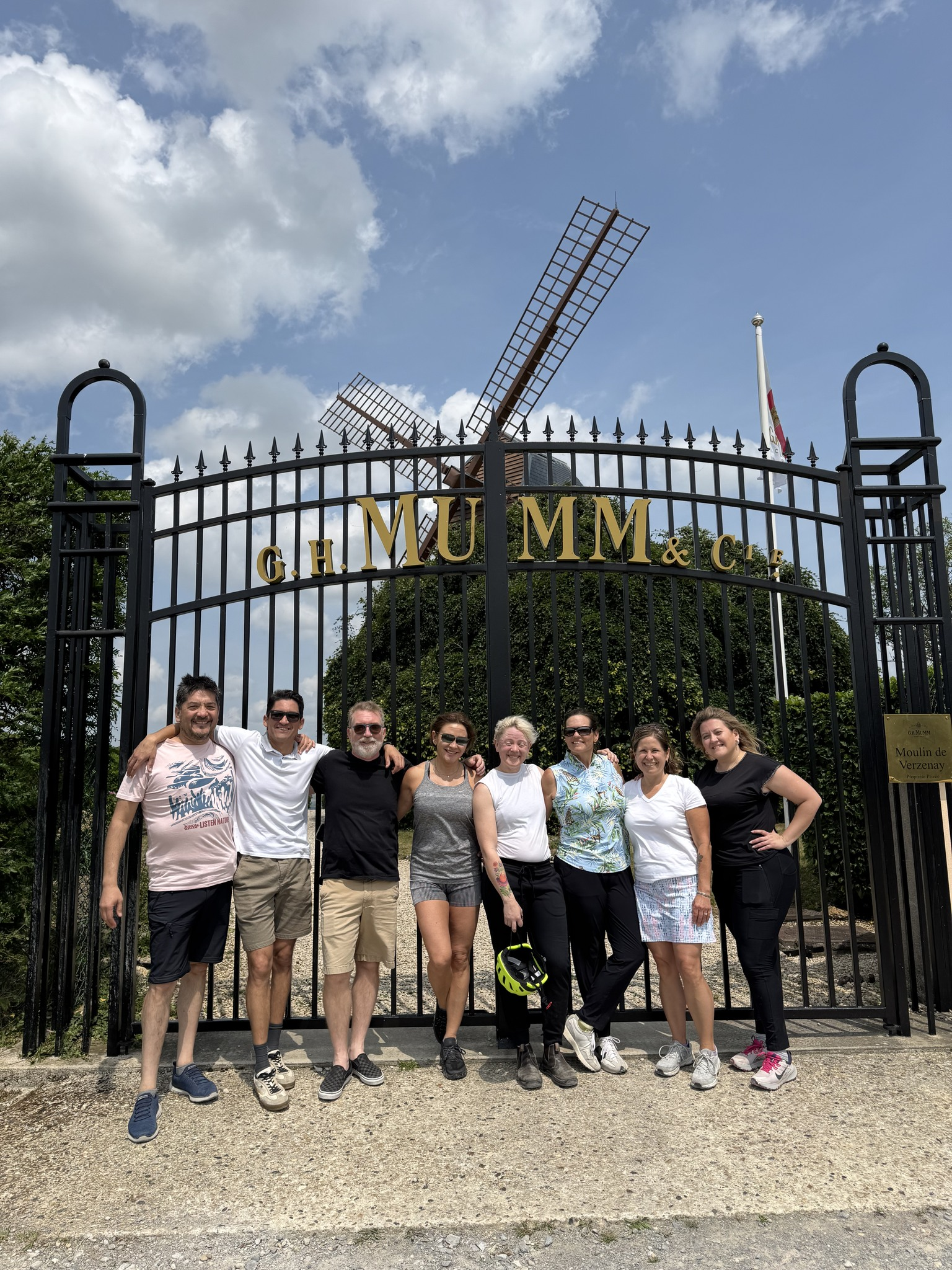
Ever wonder how your LAFFORT® reps become wine-knowledge wizards?
Each year, our team jets off to meet with our global colleagues for an epic deep-dive into the world of wine innovation! Think:
- Science-packed seminars with our R&D gurus
- Tasting wines utilizing our breakthrough oenological products
- Collaborating with our international pals—sharing wins & tackling challenges
As global leaders in enology, we’re obsessed with bringing the freshest, smartest tech back to our winemaker friends in the US. Because your success starts with the best tools—and we’re here to deliver them!

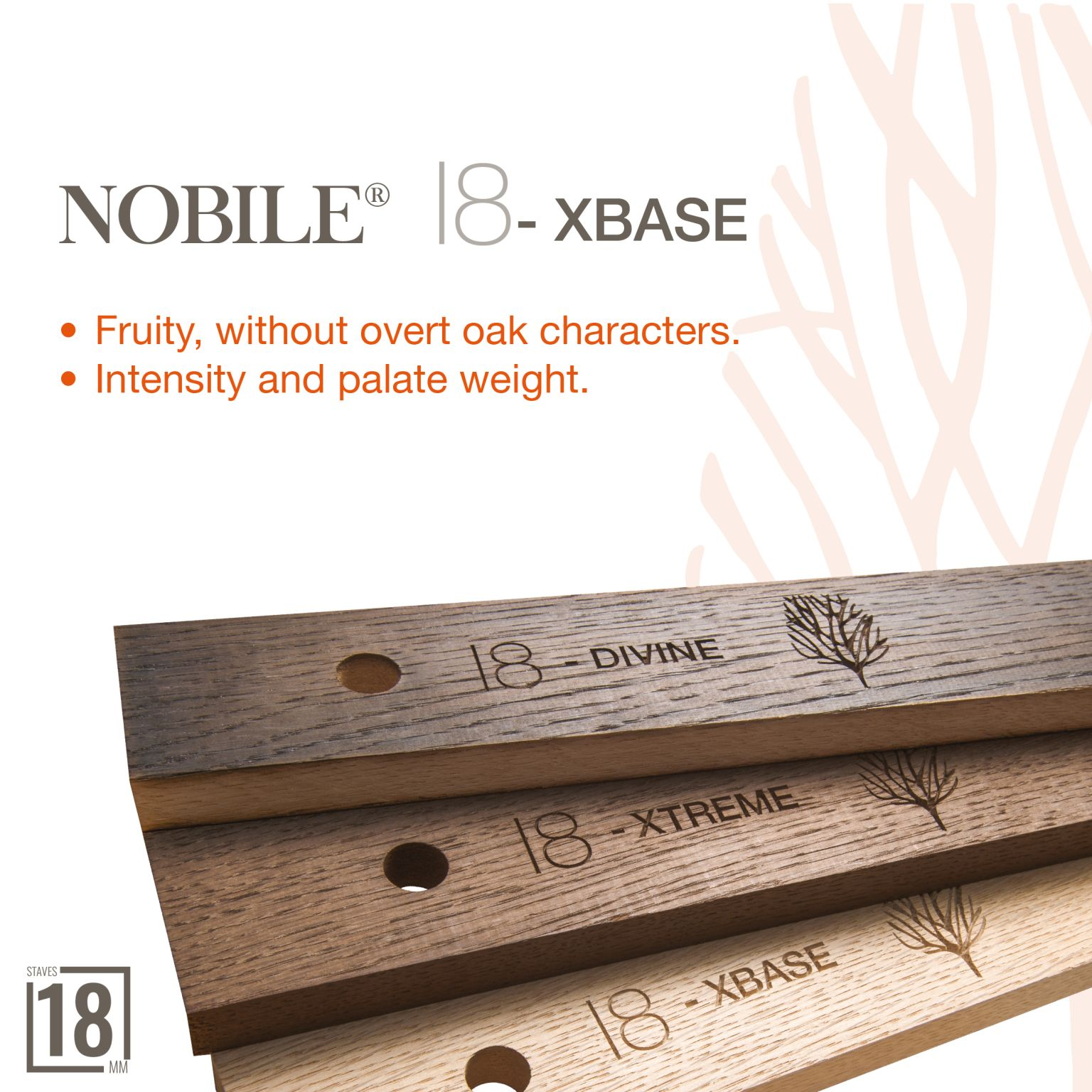 Unlock intensity and rich palate weight with every sip! Crafted from premium French oak and featuring homogeneous toasting, Nobile® XBase Oak Staves deliver a powerful, fruit-forward profile without overpowering oak characteristics.
Perfect for winemakers who crave depth and vibrancy, these staves enhance structure while letting your fruit shine. The consistent, even toasting ensures seamless integration and a refined finish.
- 100% French oak for elegance & complexity
- Homogeneous toasting
- Fruit-driven intensity
Elevate your wine with Nobile® XBase. Where power meets purity.

Industry-leading seminars on yeast, nutrition, fining, and oak to take place across California and Oregon
LAFFORT®, a global pioneer in enological expertise, invites winemakers, enologists, and industry professionals to its 2025 Rendezvous, an annual series of technical seminars celebrating the company’s 130-year legacy of innovation. Held across the West Coast, each event will feature cutting-edge research, interactive tastings, and networking opportunities— culminating in lunch and a bottle share.
Locations & Dates:
- Paso Robles, CA – April 29, 2025 | Opolo Vineyards
- Santa Rosa, CA – April 30, 2025 | Vintners Resort
- McMinnville, OR – May 1, 2025 | The Bindery
Schedule:
- 8:30 AM: Doors Open
- 9:00 AM – 12:30 PM: Presentations & Tastings
- 12:30 PM: Lunch & Bottle Share (attendees encouraged to bring a wine to share)
Registration: Secure a seat at https://laffortusa.com/laffort-rendezvous.
Can you guess a LAFFORT® rep's natural habitat? If you said out in the field connecting with winemakers and diving into all things yeast, fining, nutrition, and more, you'd be right!
As the vines leaf out for harvest 2025, we're ready to swap ideas, troubleshoot challenges, and get you prepped for crush. Check out Boyd and Lisa (plus UC Davis Professor Ben Montpetit and Opus One Research Manager Alaina Velasquez), caught live in the Santa Rosa and Napa areas!
See you at your winery, technical meeting, or even virtually! Drop us a line or stop by the stores for a chat—we’d love to hear what’s top of mind for you as you plan your next great vintage.


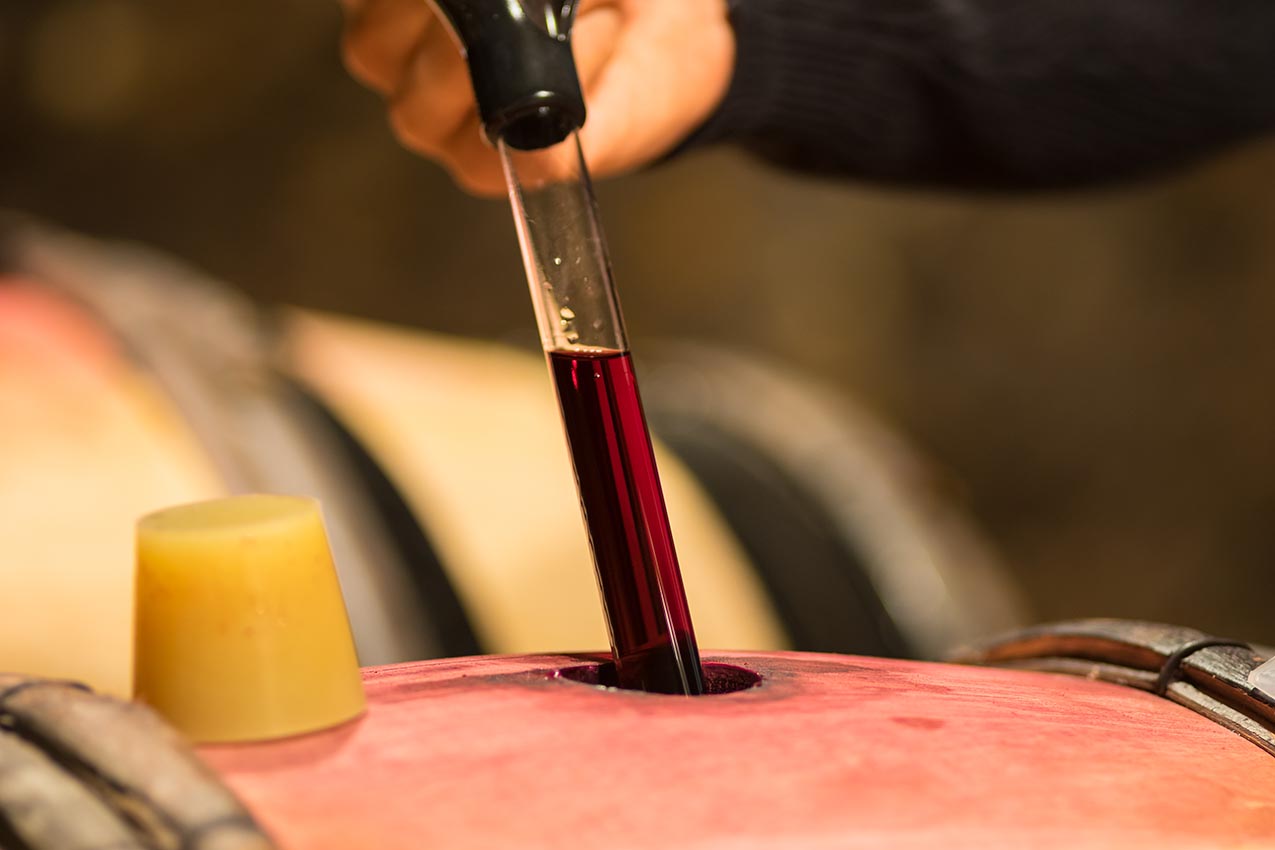
Alcoholic fermentations are completed in most cellars, thus leaving room for bacteria to carry out the MLF of red wines, and white wines when the latter is desired.
The 2024 vintage is characterized in certain regions by wines at the end of AF which present particular physicochemical parameters and quite unusual in recent years.
Indeed, even if the alcoholic degrees are low compared to what we are used to knowing, other parameters will prove to be limiting for the triggering and the smooth running of MLF:
- Total SO2 (<30 mg/ L ): The health of the harvest required higher doses of sulfiting.
- pH and AT: the maturity of the grapes was sometimes insufficient at harvest, leading to high acidity (pH often lower than 3.4 and AT higher than 4.5 g/L expressed as H2SO4 ) .
- High malic acid concentration.
When these factors accumulate, they can become limiting and act as a brake on the onset of MLF, whether expected with indigenous bacteria or with selected bacteria that are poorly adapted to these conditions. LAFFORT® research work on the LACTOENOS® B7 Direct bacteria has made it possible to develop a protocol (with acclimatization) adapted to these difficult conditions.
BENEFITS OF ACCLIMATIZATION
Acclimatization of bacteria promotes better cell viability and allows:
- A rapid onset of FML.
- A reduced FML duration.
- Microbiological security.
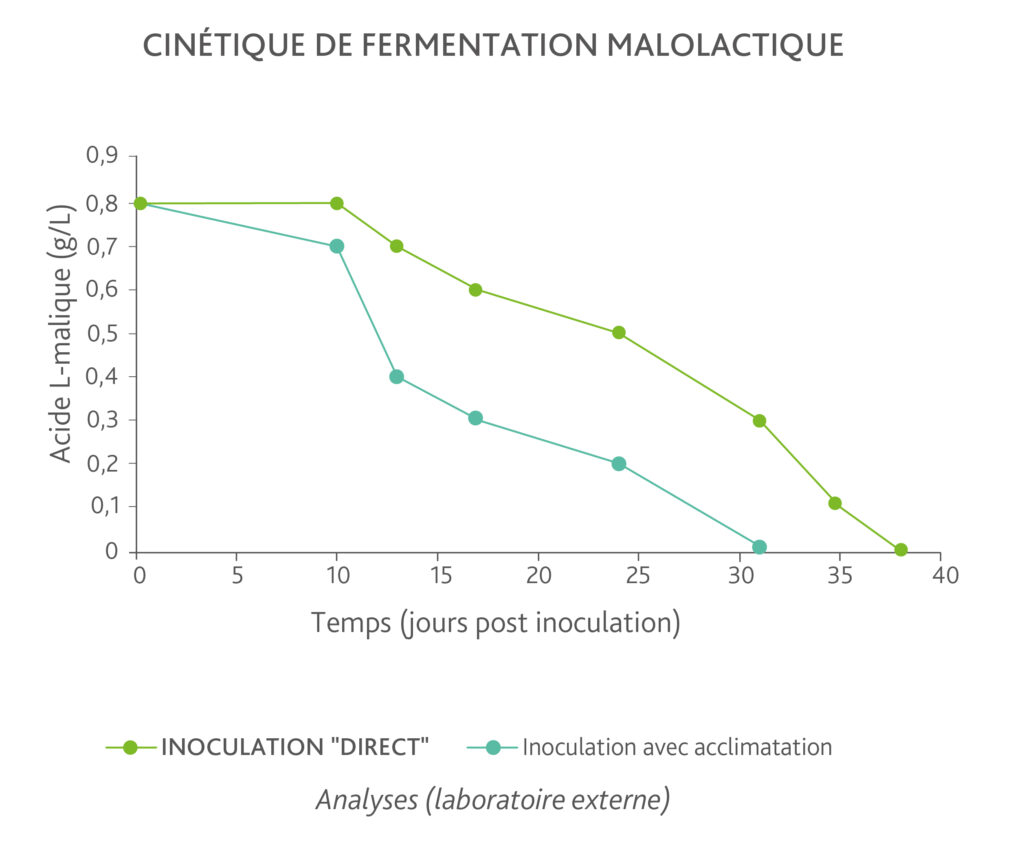
Merlot wine with two extreme conditions: TAV = 15.5% vol.; pH = 3.3 – (L-malic acid = 0.5 g/L).
IMPLEMENTATION OF ACCLIMATIZATION
FOR ONE TANK TO BE TREATED – 100 hL (i.e. 4 doses of 25 hL) :
- Add 20 g/hL of MALOBOOST® to the wine 24 hours before inoculation or at the latest at inoculation.
- Remove the bacteria sachets 30 minutes before preparing the sourdough and leave them at room temperature. Weigh 100 g of LACTOENOS® B7 Direct (i.e. 1 g/hL relative to the final volume of the tank).
- Mix 2 L of non-chlorinated water and 2 L of wine to be treated (i.e. 20 times the weight of the bacteria).
- Add 500 g of MALOBOOST® (i.e. 5 times the quantity of bacteria).
- Add 100 g of LACTOENOS® B7 Direct (previously weighed).
- Acclimatization for 12 to 18 hours before incorporating into the final volume of wine maintained at 18-20°C
- Store the sourdough at room temperature ± 20°C.